
🌿 Discover the Secrets of Japanese Garden Design, Seasonal Planting, and Zen Garden Plants for a Year-Round Garden of Beauty and Peace
Welcome to our immersive journey through the timeless art of Japanese garden design by season. In this 30-minute video, we’ll take you through seasonal planting strategies and the most essential zen garden plants that bring life, color, and tranquility to your outdoor space throughout the year.
Whether you’re planning your first garden or refining your existing landscape, this guide offers practical garden ideas for every season—spring, summer, autumn, and winter—so your year-round garden stays peaceful, vibrant, and deeply connected to nature.
🌸 Spring: The Awakening of the Japanese Garden
In spring, Japanese gardens come alive with poetic beauty and soft renewal. This is the season of cherry blossoms, camellias, azaleas, and daphne—plants that symbolize grace, resilience, and hope. Spring’s cool air and moist soil make it ideal for planting foundational trees and shrubs.
Using classic zen garden plants, you’ll learn how to create a layered garden that celebrates rebirth, seasonal balance, and subtle contrasts. Through mossy paths and flowering edges, spring planting in a Japanese garden design is all about fresh beginnings and delicate movement.
🌿 Summer: Lush Foliage, Fragrance, and Flow
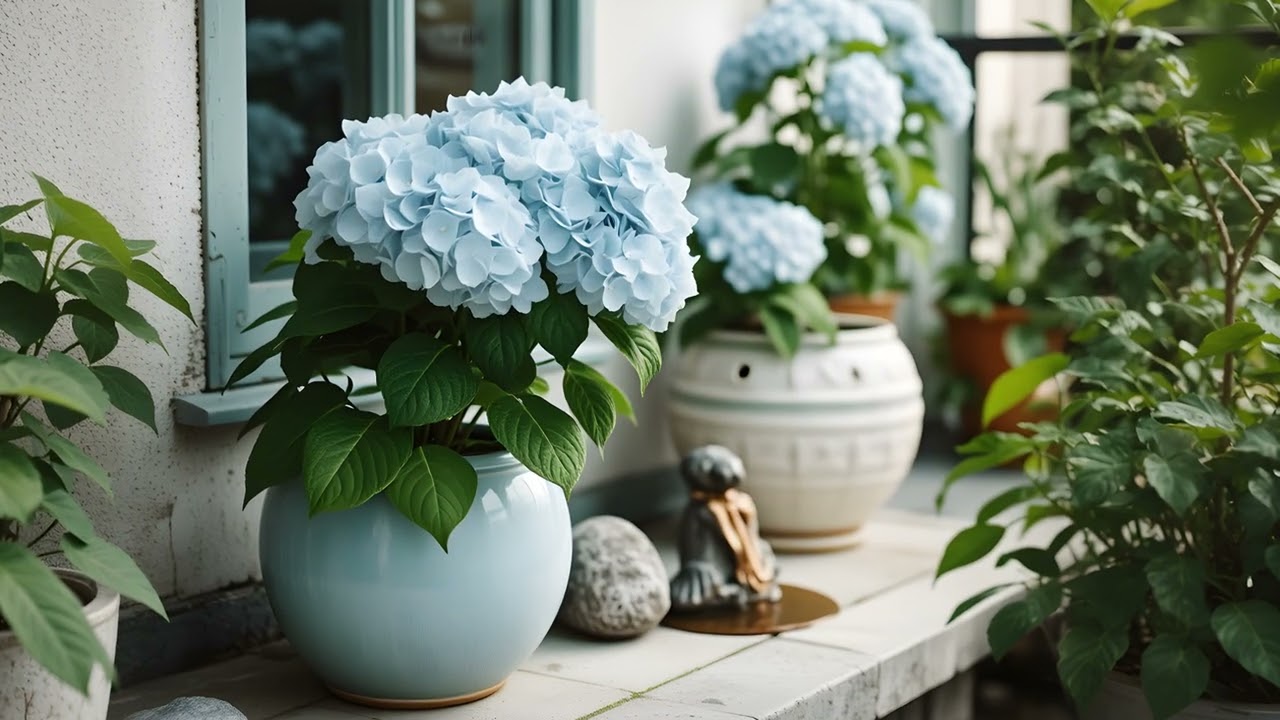
As spring transitions into summer, your Japanese garden shifts into a space of lush greenery and dynamic forms. Learn how to introduce hydrangeas, Japanese forest grass (hakonechloa), lotus flowers, and bamboo to create sensory depth and a sense of calm vibrancy.
Japanese summer gardens rely on plants that thrive in filtered light, humidity, and warmth—balancing shadow and sun. From the rustling sound of bamboo to the glowing petals of lilies, every plant is chosen to support a living, evolving year-round garden.
The art of seasonal planting in summer means selecting textures and colors that sustain visual interest without overwhelming the peaceful core of your zen garden design.
🍁 Autumn: The Most Celebrated Season in Japanese Garden Design
Autumn is a season of fiery beauty and gentle decay. In Japanese culture, it’s seen as the most expressive time in the garden. Discover how to use Japanese maple, ginkgo, burning bush, and Japanese anemones to turn your garden into a living painting.
As foliage shifts from green to gold, red, and crimson, your seasonal planting choices reflect impermanence and grace. With strategic placement, your fall plants will frame pathways, highlight stone features, and cast poetic shadows. These are key principles in zen garden design—showcasing how plants age beautifully and how even fallen leaves become part of the aesthetic.
❄️ Winter: Stillness, Structure, and Subtle Color
While many gardens rest in winter, a Japanese garden becomes a study in form, shadow, and stillness. Discover how to plant evergreens, red twig dogwood, winter-blooming shrubs, and cloud-pruned pines to create serenity that persists through snow and cold winds.
This season emphasizes negative space—raked gravel, moss-covered rocks, bare branches—all essential features of a well-designed year-round garden. Learn how to make winter your garden’s most meditative season with intentional seasonal planting and structural planting techniques rooted in traditional Japanese garden philosophy.
🌱 Top Zen Garden Plants for a Year-Round Garden
Throughout this video, you’ll get expert suggestions for the most essential zen garden plants that keep your landscape active and meaningful all year long. These include:
Cherry Blossoms (Sakura) – springtime elegance and national symbol
Azaleas and Camellias – vibrant shrubs that shape spring’s energy
Mosses – grounding textures used in every season
Hydrangeas – lush summer blooms in tranquil blue and purple hues
Bamboo – vertical elements for sound, privacy, and harmony
Japanese Maple – dramatic fall color and delicate branch structure
Evergreens – winter resilience and year-round form
Lotus and Water Lilies – reflections for summer serenity
Red Twig Dogwood and Witch Hazel – winter interest and seasonal surprise
By choosing the right mix of these plants for seasonal planting, you’ll ensure your garden speaks in every season, breathing and changing in harmony with nature.
Thank you for watching!
We hope this video inspires your next gardening journey. Your outdoor space can become a personal sanctuary—one that grows, breathes, and transforms with every season.
🌸 Don’t forget to like, comment, and subscribe for more Japanese garden design ideas!
May your garden be peaceful, seasonal, and ever-evolving.#gardendesign #garden #eleganthomes #gardenideas #japanesegarden #minimalism #homedecor #japanesegardendesign
Comments are closed.