
Credit: ET1972 / Getty Images
Key Points
Harsh winters may reduce some pests, but most insects survive by adapting to cold conditions.
Pests like snails, cutworms, and aphids rebound quickly in spring as they start feeding for the year.
Pest-repelling herbs like bee balm, yarrow, lavender, rosemary, and thyme can help protect your garden.
As the long and cold winter months finally come to an end, the first thing we want to do is get back outside and start enjoying our gardens—but we’re not the only ones ready to make the most of the weather.
Common garden pests are also starting to get active again, and you may anticipate seeing less of them than usual following a particularly tough season. But are there actually fewer bugs after harsh winters?
We sat down with gardening experts to get to the bottom of it, and they’re also here to help you know exactly which pests to watch out for and how to keep them away.
Meet the Experts
Tammy Sons is a plant, gardening, and horticulture expert, and the founder and CEO of TN Nursery.
Are There Fewer Bugs After Harsh Winters?
The short answer? Kind of—but not enough that you’d really notice a difference.
“While harsh winters can slightly lower the number of pests in your garden, insects have been dealing with challenges that cold weather brings for years,” gardening expert Angelika Zaber says.
Some insects like mosquitos and cutworms burrow in warmer pockets of gardens and indoors, cocoon themselves, or enter diapause—a process similar to hibernation. Others, like aphids, lay frost-resistant eggs that can survive sub-zero temperatures, and aren’t impacted by the colder months.
Most usually survive as eggs burrowed away in tree bark or under piles of leaves.
“A very cold winter can actually hold back the natural enemies of these pests, meaning the bugs that start to get going as soon as the weather warms up can quickly bounce back,” gardening pro Tammy Sons says.
4 Early Spring Pests to Keep an Eye Out For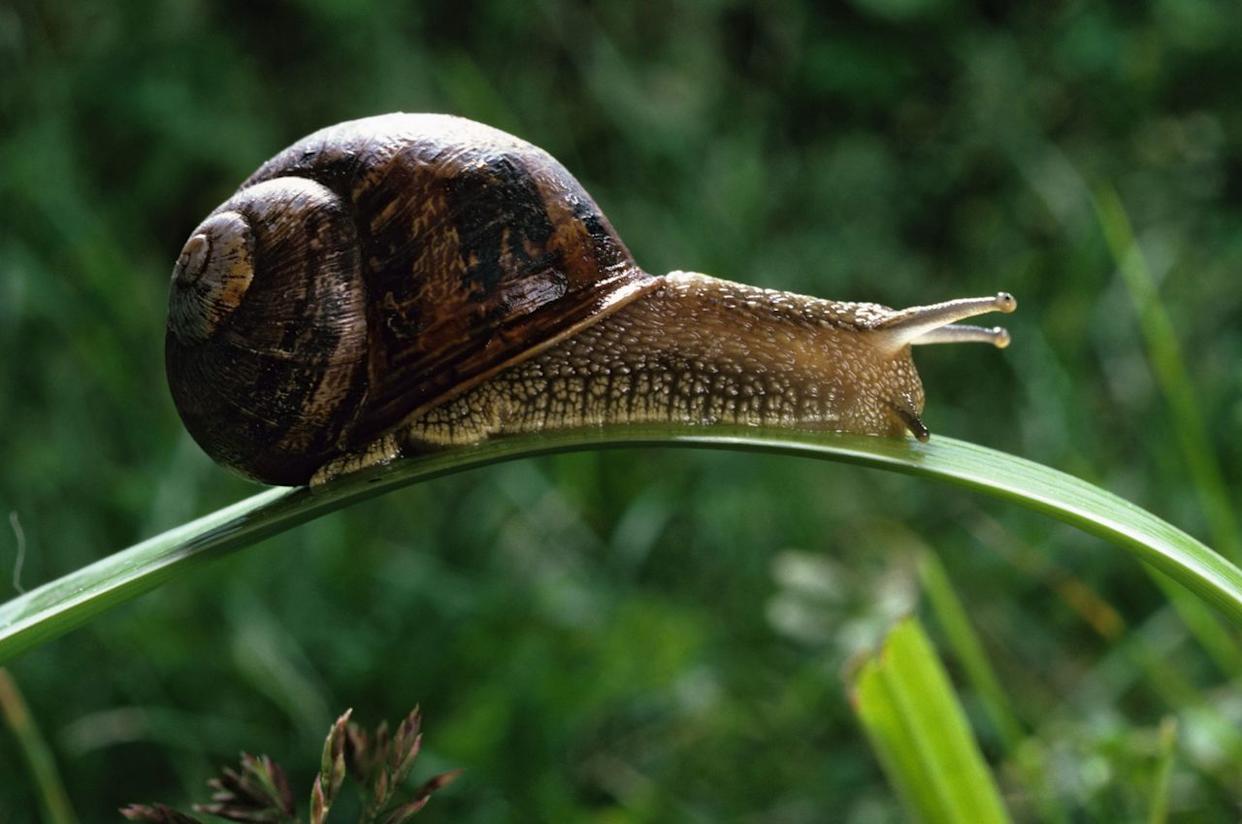
Credit: Auscape / Getty Images
Aphids
As one of the most prominent garden pests, aphids are always one to look out for. In early spring when their eggs start to hatch, our experts say to check for clusters of these green insects on new plant growth, curling and yellowing leaves, and the signature sticky residue they leave behind after feeding on sap.
Slugs and Snails
Slugs slow down their metabolism and snails seal up their shells for hibernation in the winter months; this means once the sun comes back out, they’re waking up hungrier than ever. Zaber recommends keeping an eye out for trails of slime and holes chewed through leaves as telltale signs of these bugs.
Cabbage Worms and Cutworms
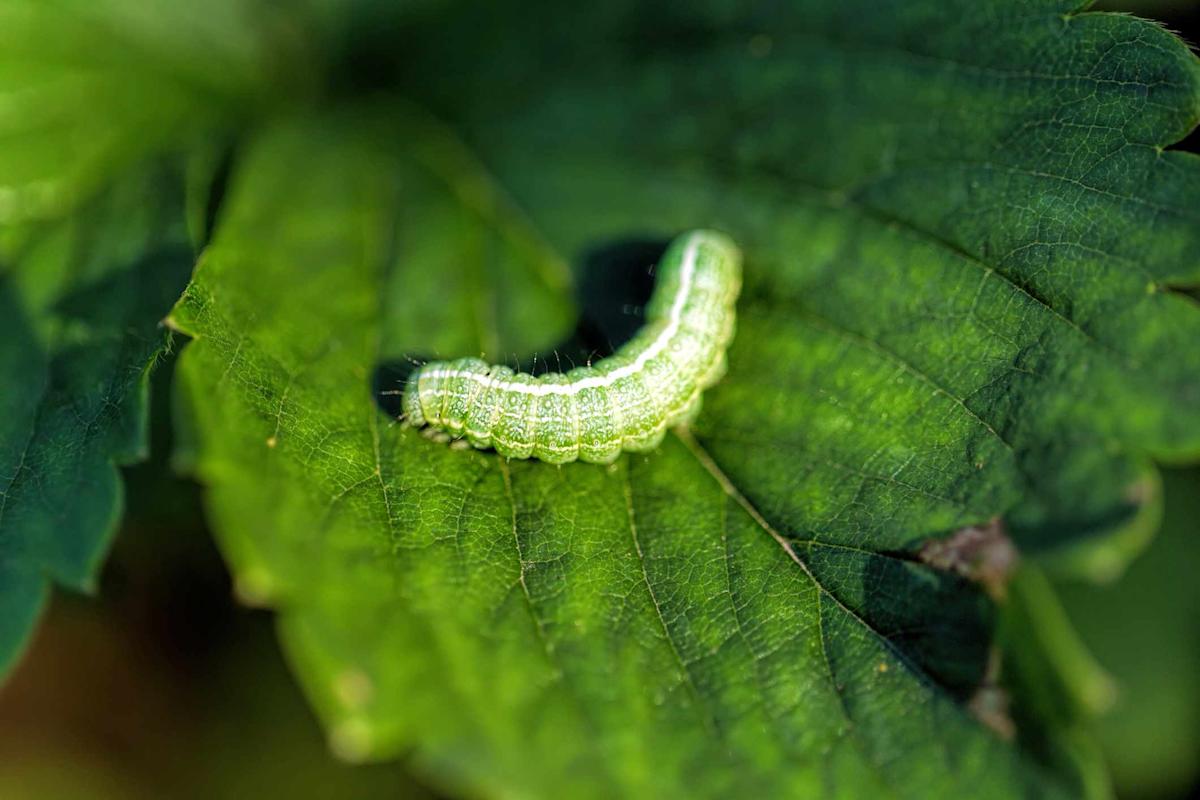
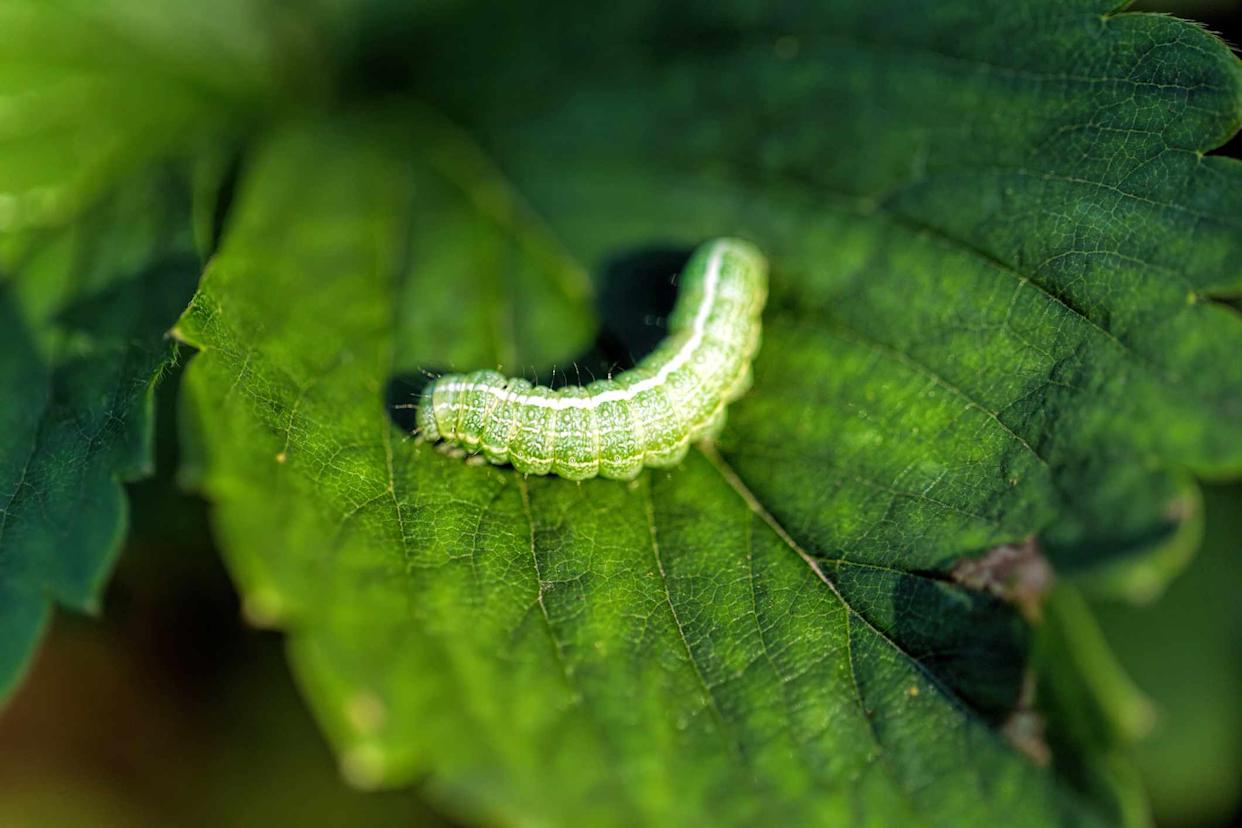
Although their names might make make you think otherwise, cabbage worms and cutworms are actually caterpillars. Cabbage worms grow up into cabbage white butterflies and are the green, fuzzy-looking critters you might see during the day; cutworms are their nocturnal counterpart, and are neutral-colored caterpillars that become moths.
“In early spring, I’m looking for cutworms around the stems of little seedlings at ground level, and cabbage worms munching on kale, spinach, and other early greens,” Sons says.
Cutworms cause damage near the bases of plants, while cabbage worms eat holes into leaves.
Box Tree Moths
According to Zaber, some species of moths don’t just wreak havoc as juveniles, and box tree moths are cause for major springtime concern in midwest and northeast U.S. states.
“North America has struggled with an infestation of this invasive species, and they can defoliate a hedge in days,” she explains. “Signs that these little creatures made it to your garden include webbing between boxwood leaves, and bright green caterpillars with black stripes.”
5 Early Spring Pest-Resistant Plants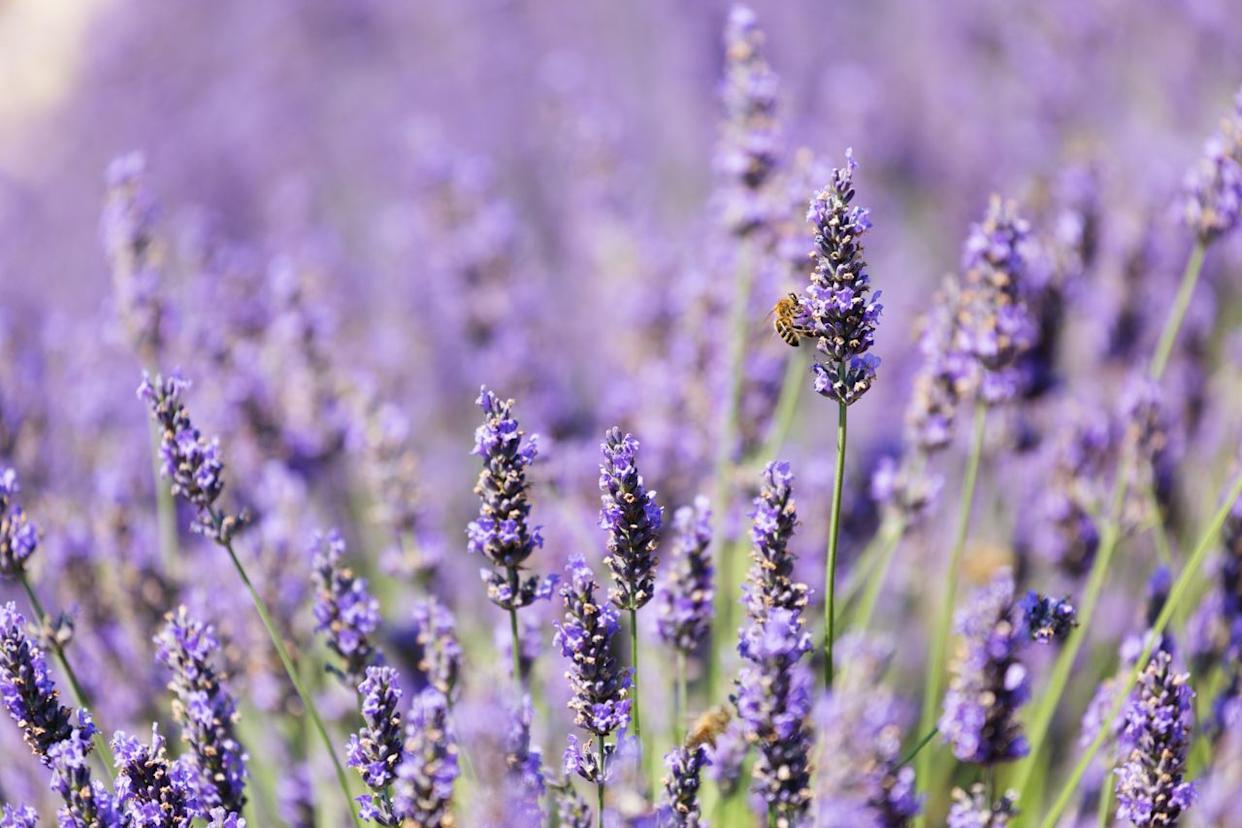
Credit: Dan Herrick / Getty Images
Lavender
At first glance, the biggest benefits of lavender are the beautiful flowers and soothing fragrance it brings to a garden. It’s that same iconic scent that pests like can’t stand. Plant in an area with plenty of sunlight in early spring to drive away mosquitos, aphids, and moths.
Rosemary
Rosemary isn’t just great for garnishing; it’s also the perfect companion plant to keep cabbage worms, slugs, and snails away with. It contains a compound called limonene, which is also found in many citrus fruits, and can also be effective against aphids and mosquitos.
Thyme
Another herb to try planting this spring for pest prevention is thyme, which has a strong aroma that almost everything steers clear of. Plant it at the edge of your garden or near your other fruits and vegetables to discourage cutworms, cabbage worms, slugs, snails, and aphids.
Bee Balm
Although it isn’t as popular as kitchen staples like rosemary and thyme, bee balm makes an ideal companion plant thanks to its unique herbal scent that can help mask appealing vegetables and deter snails and slugs—and much like its name suggests, this perennial is also a major draw for pollinators.
Yarrow
Another perennial Sons loves for both its appearance and pest-repelling abilities is yarrow: a plant with small blooms that deter mosquitos while attracting ladybugs and wasps, natural predators to the aphids causing chaos in your garden.
Read the original article on The Spruce
Comments are closed.