
April marks the peak of blooming for plants, and therefore, there’s no better time than now to ensure that you are doing everything possible to keep your garden healthy and thriving. One important way to ensure you’re contributing to the wellbeing of your plants and crops is by using fertilisers. Plant food is essential for growth, as it provides the nutrients plants need to grow larger and bloom more flowers. Many gardeners might find it easier to go into a store and buy ready-made fertilisers. However, there are plenty of natural options that are, in fact, even simpler.
There are many benefits to preparing your own fertiliser. Erik Steffrud, soils and compost manager at Longwood Gardens, said: “Homemade soil amendments are a great way to reduce material that would otherwise go into landfills, address climate change through carbon sequestration, and build healthy soils all at the same time,” and this one particular thing that gardeners would usually get rid of is the perfect example.
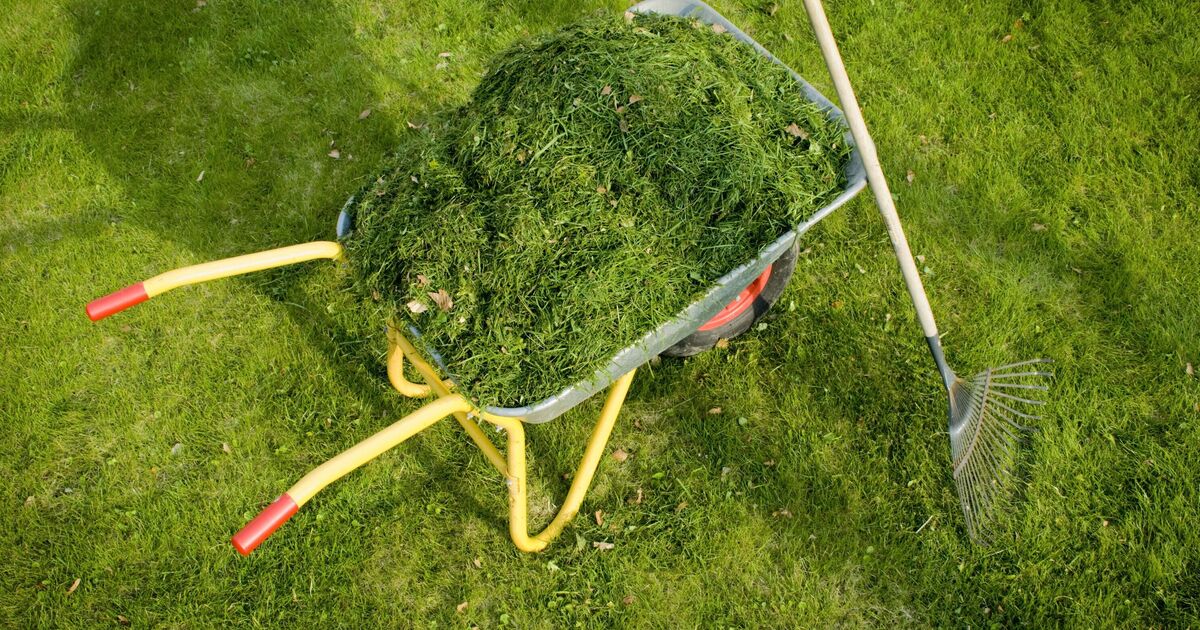
Grass clippings make great fertilisers. This is because, as plant material, they already have plenty of nutrients that are beneficial to your plants, such as nitrogen, phosphorus, potassium, and micronutrients.
“You can put grass clippings in your garden and then till them into the soil, where they’ll be broken down very quickly, releasing nutrients for your gardening crops,” explains Dan Kemper, expert trainer at Rodale Institute, an organisation that supports research into organic farming.
According to Martha Stewart’s website, another way to do it is to sprinkle grass clippings on top of your soil, where they act as a mulch layer, trapping moisture and preventing weeds.
If you go the natural route, using a number of things, from everyday food to scraps, all that matters is that your plants get the nutrients they need to grow. Fertilisers consist of three main elements: nitrogen, phosphorus, and potassium.
However, the use of ingredients that are high in calcium also serves as a great benefit to plants. To find out what your plant needs the most, you can do a soil test, which will help identify pH levels, allowing you to find out what you will need to amend it with.
DIY soil test kits are often available at garden centres. You can also send a soil sample to a lab for a more detailed analysis, including the detection of free calcium carbonate (chalk or limestone).
Comments are closed.