
With seeds sown, gardeners traditionally turn to planting now that the soil is warmer and drier but remains moist. As dry weather becomes more common throughout the year, any future plantings will need much watering.
Planting in April allows plants – Diascia, Nemesia, penstemon and salvias, for example – to grow and be ready to send out plenty of leaves in order to harvest the abundant light during the peak growing conditions of June and July. In frosty gardens, delay planting tender plants such as pelargoniums and petunias until May.
Home-raised seedlings need to be moved into small pots or cell trays as soon as they can be handled – a process called “pricking out”. Tip seedlings from their seed trays or pots, take them by the leaf, never the stem, and insert them into a hole made with a pointed tool called a dibber, up to their necks in the new potting compost. Water well to settle them and leave to grow in plentiful light.
New FeatureIn ShortQuick Stories. Same trusted journalism.
Biodegradable pots made of paper or coir are unsuitable for the garden centre trade, but ideal for home gardens, where the plants can simply be planted, pot and all, with no “check” to their root growth.
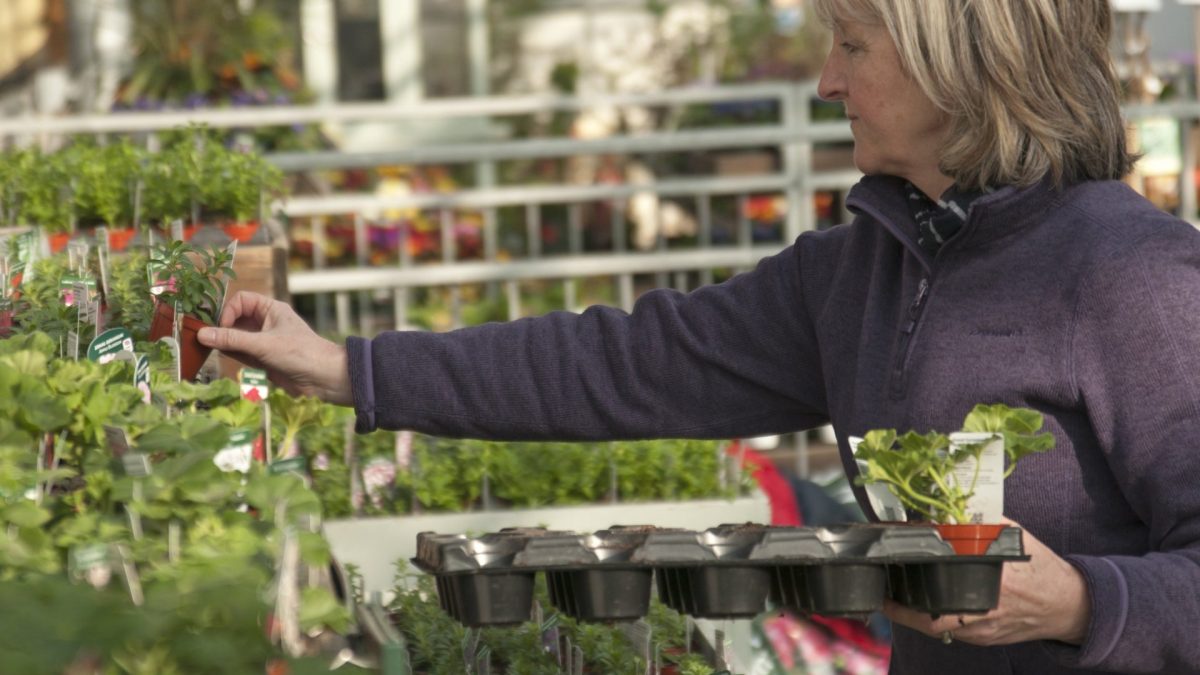
Buying well at garden centres and other outlets is a crucial step. Choose plants without signs of stress, such as dead or yellowed leaves (chlorosis).
Those coming into flower, rather than already in full flower, root best after planting. Check the roots by seeing whether they are coming out of the bottom of the pot and look pale and healthy. Many plants are sold in recyclable, clear plastic trays, making root inspection relatively easy. Dried roots are all too common, which allows rot to enter the plant and kill it.
Outdoor plants are “hardened off” to prepare them for outdoor conditions. Nurseries do this by reducing greenhouse temperatures, subjecting plants to slight drought, and then holding them outdoors under protective netting before sending them to the garden centre. At home, plants should be protected at night in cold frames, cloches or under fleece, but uncovered during the day for two weeks, with reduced protection in the second week.
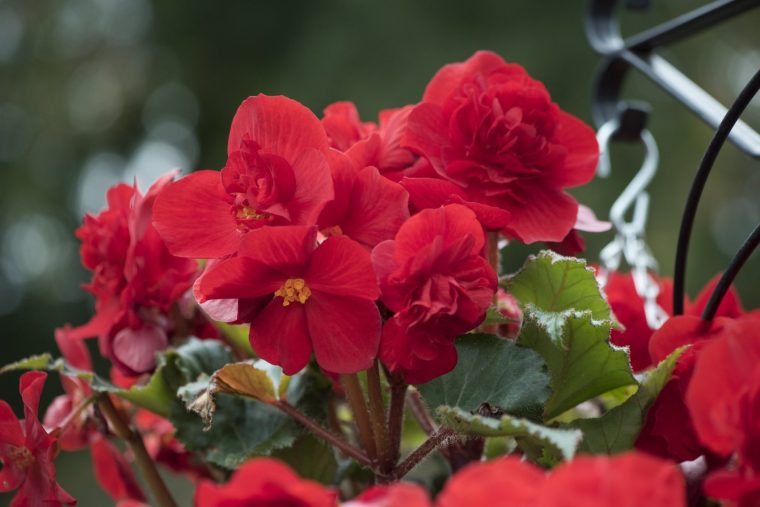 Begonia Fortune Scarlet (Photo: Joanna Kossak/RHS)
Some gardeners plant out with no hardening, contending that hardening delays growth as much or more than the “check” the plants suffer if planted straight out. The majority opinion favours hardening off, however.
Dry plants root only slowly, and often with losses, so water before planting, ideally with liquid fertiliser to make sure they have the nutrients to grow roots that will swiftly seek out water and minerals.
The soil-potting compost interface is a tricky one. Aim to get firm contact with neither rammed, nor loose, soil. Watering after planting helps to settle the soil. Aim for a finger-width depth of soil over the rootball – more risks stem rots, less could lead to excessive root drying.
The same goes for planting containers: water plants, dampen potting compost and plant firmly, followed by watering. Potting compost contains six weeks’ worth of fertiliser.
Watering after planting to keep the soil moist until plants begin to grow is essential. If possible, time planting to precede forecast rainy weather.
Bulbs, corms and tubers will also grow vigorously. Dahlias and begonias can go straight into the ground now with no potted preliminary in a warm place. Others to consider include acidanthera, agapanthus, Anemone coronaria, arum, canna, Crinum, Eucomis, gladioli and lilies, which make very effective and often economical alternatives to potted summer flowers.
Comments are closed.