
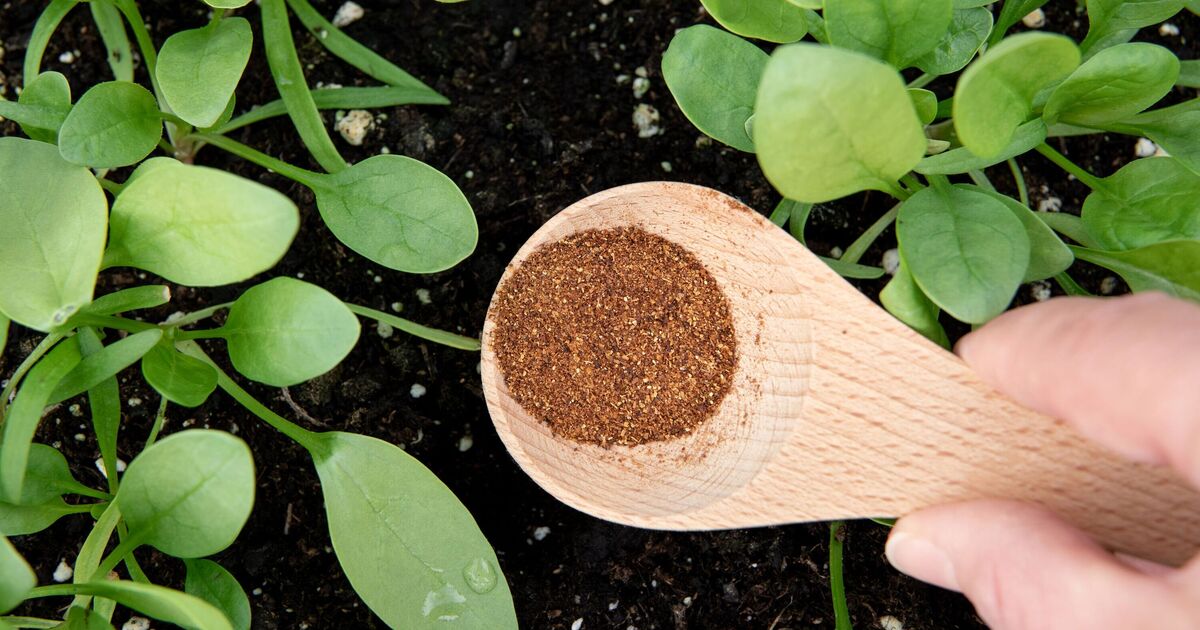
April is a key time for gardening, as warmer temperatures and longer days create ideal conditions for new growth. Seeds begin to germinate more reliably, seedlings establish quickly, and gardens come back to life after the colder months. It’s also a period when gardeners focus on protecting young plants and giving them the best possible start for the season ahead.
While many gardeners may turn to expensive chemical products, there is a simple natural ingredient that is affordable, organic, and capable of tackling several common garden problems at once. Commonly found in most kitchens, cinnamon is more than just a cooking spice, it can help prevent fungal diseases, repel pests like ants and gnats, and encourage healthy root growth in young plants.
The Royal Horticultural Society says April is a month of spring growth, with flowers such as tulips and flowering cherries in bloom. It notes that gardeners should expect a mix of sunshine and showers. The RHS explains that this is a good time to start sowing outdoors. It also advises gardeners to watch out for frosts and to keep tender plants indoors for protection.
Damp soil, fluctuating temperatures, and crowded seedlings create the perfect environment for moulds such as damping-off disease which can quickly destroy young plants before they’ve had a chance to establish.
This is where cinnamon becomes surprisingly useful. Cinnamon contains a compound called cinnamaldehyde, which has strong antifungal and antibacterial properties.
When lightly sprinkled on the surface of soil, it can help suppress the growth of harmful fungi that thrive in moist conditions. This makes it especially helpful for seedlings, which are most vulnerable in their earliest stages of life.
In an article shared at the start of this month, Lucie Bradley, a gardening and greenhouse expert at Easy Garden Irrigation told Michelle Mastro writing for Martha Stewart’s blog: “Many moulds will appear when there is excessive moisture.
“Simply sprinkling the surface of the soil with powdered cinnamon will help prevent them from forming.”
Cinnamon is an organic alternative to chemical rooting hormones because its antifungal properties prevent the cutting from rotting before it can establish. By killing off pathogens in damp April soil, it allows the plant’s natural auxins to focus entirely on developing healthy new roots.
Lastly, its strong natural scent makes cinnamon useful for discouraging small garden pests such as fungus gnats, fruit flies, mites, wasps and ants. It can help make the soil environment less attractive to insects that thrive in warm, wet compost.
The expert said: “Simply sprinkle cinnamon around your plant to create a barrier line.
She added that cinnamon “contains cinnamaldehyde, which disrupts the nervous system of insects, making it difficult for them to move, find food, or locate mates.”
GardeningKnowHow also recommends using cinnamon: “If you have a problem with ants in your home or greenhouse, cinnamon is a good deterrent. Ants don’t like to walk where cinnamon powder lays, so summer ant problems will be decreased.”
Comments are closed.