
Slugs and snails can be a real nuisance, but Monty Don has shares how to keep them at bay
Sophie Harris Senior Lifestyle Reporter and Katie Oborn Audience Writer
15:23, 18 Apr 2026
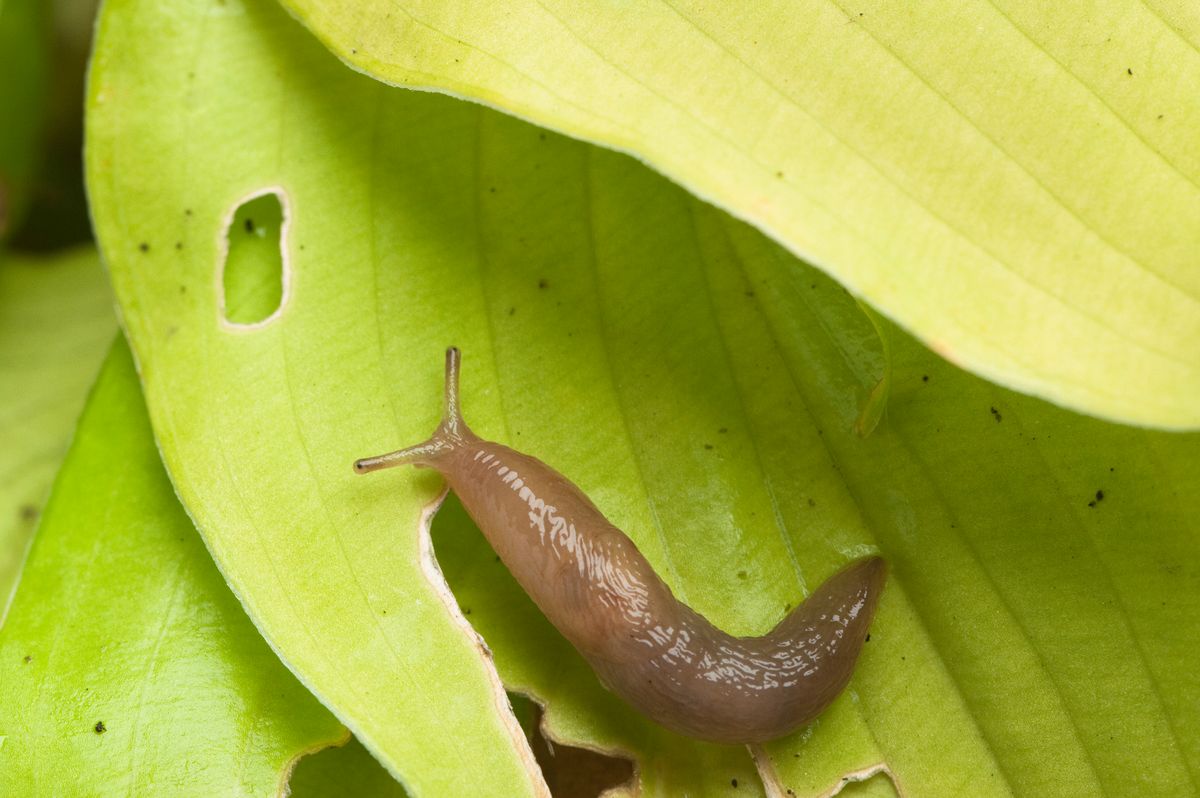
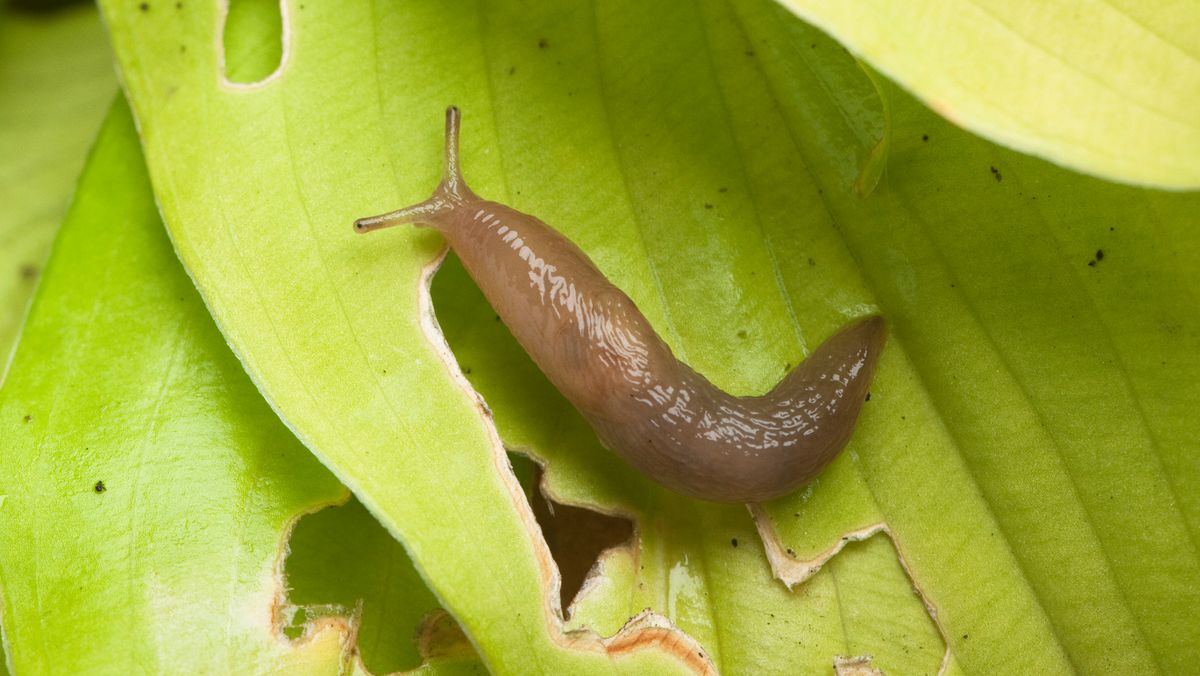
Slug on damaged hosta leaf(Image: Getty Images)
For countless gardeners, slugs and snails present an ongoing challenge. Whether they’re devouring young seedlings or leaving their telltale silvery trails, tackling these garden pests can seem like an uphill struggle, particularly during the warmer months.
While reaching for slug pellets might appear to be a quick fix, renowned horticulturalist Monty Don strongly cautions against this approach. Writing in a blog post from April 2024, the gardening authority explained his own methods for managing these creatures.
Monty said: “Slugs and snails are widely regarded as the gardener’s public enemy number one, but they are superb at recycling waste vegetative matter, and do not discriminate between a fallen leaf and a delicious young seedling.
“Slugs live largely underground in the soil and like damp conditions. Snails live above ground and love dark nooks and crannies such as old brickwork or a nice dry yew hedge, as well as clustering around the base of containers.
“Although there are over 30 species of slug in the UK, there are four main garden ones, and the biggest do not necessarily do the most damage. What you see is actually a tiny percentage of the population, and slug activity and densities of over 250,000 per acre are common.”
So how should gardeners tackle the problem? Monty’s main recommendation is to steer clear of slug pellets or any chemicals that might endanger wildlife.
His suggestion involves creating a protected environment – a compact cold frame or raised table – where vulnerable young plants can develop safely, with daily slug inspections. Monty explained: “Do not feed plants more than is absolutely necessary and always feed the soil, not the plant.
“This will avoid a spurt of soft, sappy growth that slugs love. Without stressing them with sudden temperature or cultivation changes, grow your plants as ‘hard’ as possible, which means do not mollycoddle them.”
The gardening guru also recommends attracting a diverse range of natural predators to your outdoor space.
Monty relies on abundant thrushes, frogs, toads, beetles, centipedes, shrews and several hedgehogs to maintain slug populations at manageable levels.
He continued: “This needs plenty of cover, an avoidance of toxic chemicals, such as slug pellets, and a degree of tolerance for collateral damage.”
Five general tips to get rid of slugs in your gardenTry copper wire, it’s a method many gardeners swear by, simply place whorls of copper wire around the base of your plants.Encourage wild birds or hedgehogs into your outdoor space as these are both natural predators of slugs and snailsSprinkle rough leftovers such as egg shells around the base of plants as slugs tend to avoid these kind of surfaces.Try setting up a beer trap, by burying a container in the soil base of your plants – and fill it half way with beer. Slugs will be attracted to it, the slugs will fall in and drown.Plant fennel, anise and rosemary borders as slugs don’t like these scents and they will act as a natural deterrent.
Comments are closed.