
By Brian Minter
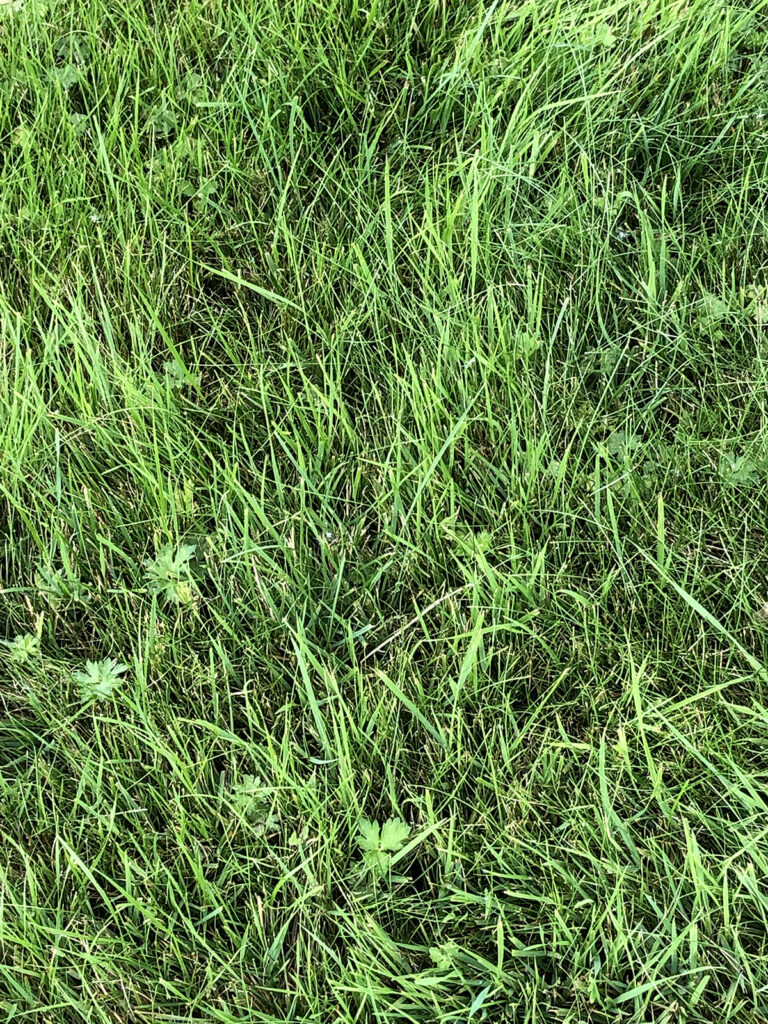
Far too many lawns have been dug up and torn apart by crows, racoons, moles and even skunks looking for those tasty grubs. The greater concern is how to deal with the problem and many folks are not sure how to restore their lawns and prevent the whole issue from happening again next spring.
This is not a new topic, but for many years we had effective grub controls like liquid Sevin, which, when applied in late summer, prevented the egg stage of this beetle larvae from hatching, therefore minimizing the problem. Sevin, which contained Carbaryl, was found to be harmful to worms and other beneficial soil insects and was taken off the market a few years ago.
The challenge now is finding a strategy to prevent the beetles from laying eggs in our lawns, and they do love lawns, which are the ideal location for the eggs to hatch and then move to the lawn roots to begin feeding.
Advertisements

Many folks are replacing their lawns with creative landscaping, which can be effective as well as incorporating unique designs. As a note of interest, I contacted some folks at our city parks department and asked them how all their perennial and shrub beds have fared with the grub issue and was delighted to learn they had virtually no grub damage at all.
Unfortunately, other folks are either using stones, gravel or green outdoor artificial turf, which are not as environmentally friendly as grass and contribute to the high temperatures we’re seeing during our incredibly hot summers.
Lawns are so important for many reasons: They help cool our cities, they sequester carbon, produce oxygen and are home to myriad beneficial insects, soil organisms and worms. They also open the soil to absorb the heavy rainfall and more frequent atmospheric rivers we have been experiencing.
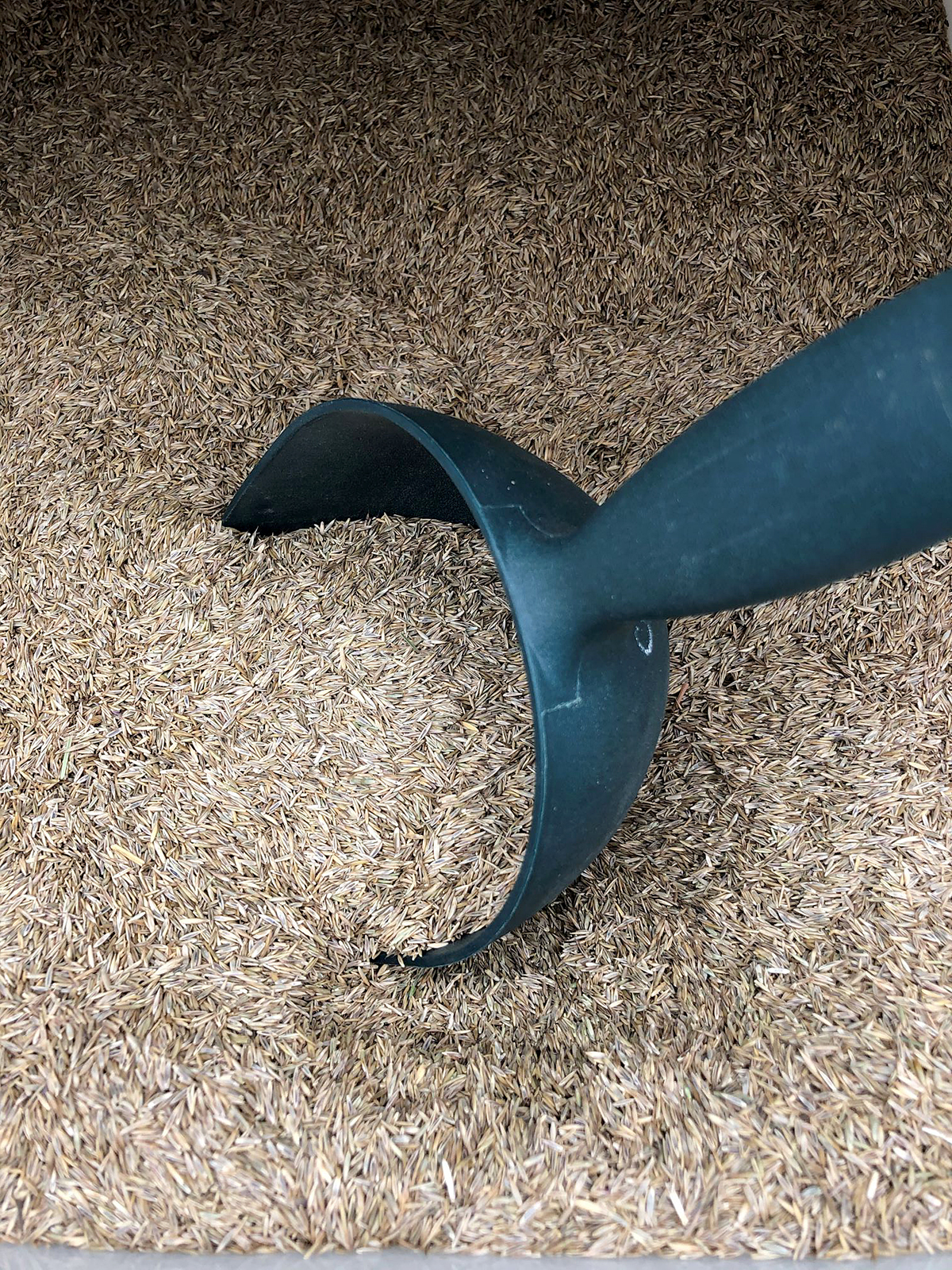
I spoke with Nik Wall, from Premier Pacific Seeds, about the best options for our lawns given the current grub infestations. They do produce a more grub-resistant lawn seed mix which consists of 98 per cent turf type tall fescue and two per cent micro clover. It’s a dark green grass with deep root systems that is less attractive to beetles laying eggs in late summer. He also said that shade/sun seed blends fare better, but, while it’s hard to quantify, he estimated these mixes would be about 20 per cent less attractive to the culprits.
Tall fescue makes a beautiful lawn but requires more seed to be used. He estimates ten pounds of seed per 1,000 square feet of lawn versus approximately five pounds per 1,000 sq. ft. for most other seed mixes. You also need warm temperatures, consistently in the 10–12C range, for good germination.
In his research he said well-cared for lawns with deep root systems are also less attractive to the beetles, so good soil depth, aeration and adding sand to encourage your roots to grown deeper is the best preventative practice. Good maintenance in mowing and fertilizing will make your lawn grass stronger and more resilient, so it’s less attractive to these pests.
In terms of grub control, Shelley Vance, of Scott’s Canada, producers of Grub-B-Gon MAX, said she uses one application mid-to-late May each year for excellent grub control in her Coquitlam area home. The active ingredient in this product, a strain of Bacillus thuringiensis, is a naturally occurring bacteria and it stays in the soil. It specifically targets beetle grubs and after the grubs ingest the bacteria, they will stop feeding and die off within about three days. Most beetle species mate at the end of May and into June, so she recommends two applications of Grub-B-Gone MAX in mid-July and again in early August for the most effective control.
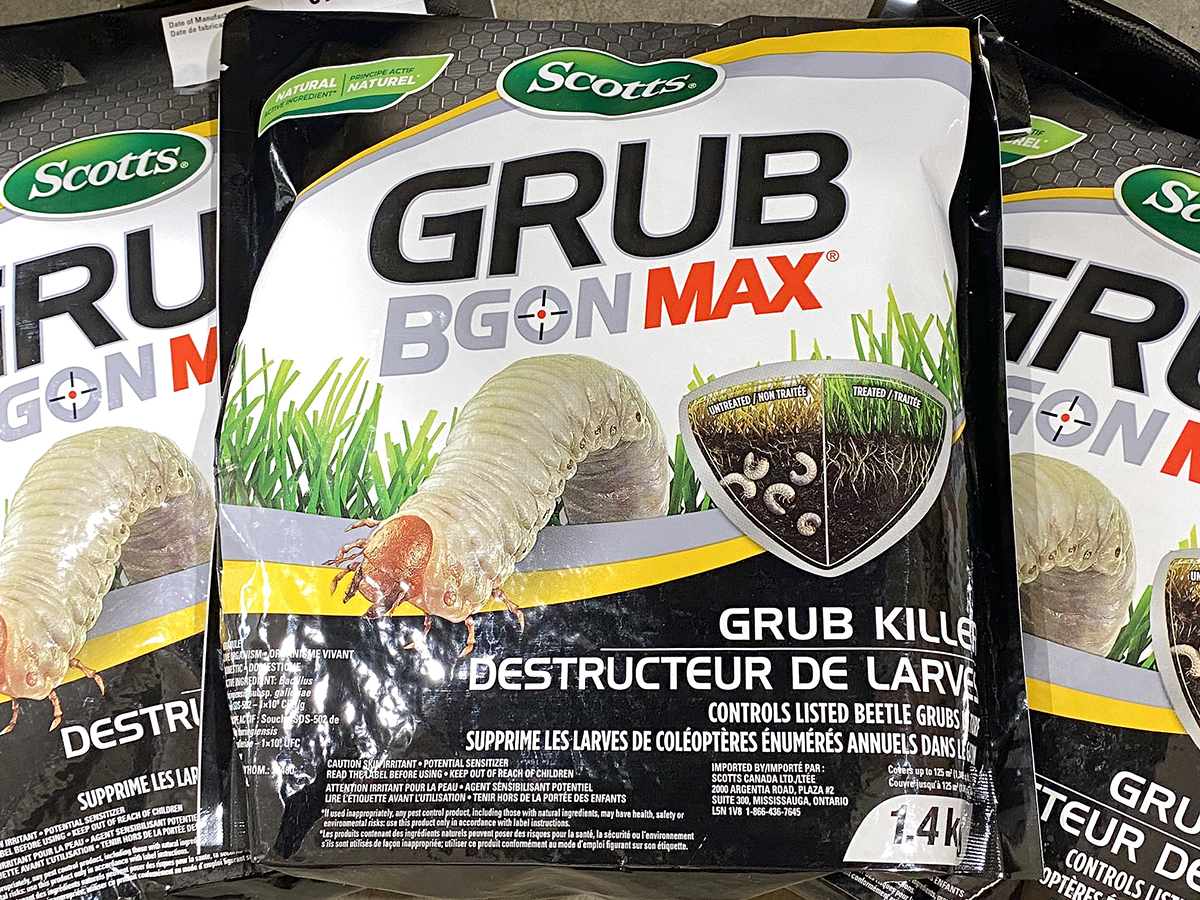
She also confirmed that shallow-rooted, poor-quality lawns are a prime target. The bacteria is more effective in warmer soils, so she said if you have grubs in your soil, an application right now will also help.
I hope this answers some of the many questions on the grub scourge. We are fortunate to have local authorities who are happy to share their excellent advice and product knowledge.
Brian Minter is an award-winning horticulturist, author and syndicated columnist from Chilliwack, B.C. He and his wife, Faye, founded Minter Gardens, a 32-acre mixed-style show garden.
Featured images via Brian Minter
Advertisements
Comments are closed.