
Something old, something new, something borrowed, something blue ….
An old Victorian rhyme once chanted to brides on planning their bridal outfit that is still observed today before the wedding.
The custom was practised to ward off the evil eye and curses cast upon the marriage and to be assured of good luck.
In the garden, planting something blue serves a purpose too.
Here though, we are not dependent on spells or superstition.
As much as there is green in our environment, we are surrounded by blues in the sea and sky too.
Planting blue flowering or foliaged shrubs, perennials and annuals has a dependable and visible outcome.
For example, in a small garden when blue flowering plants are grown on the boundary edge of the garden, it gives the illusion of space and a receding horizon, making the property look bigger.
This is learnt from the natural landscape where colours take on a misty blue towards the horizon.
Or, think of photos of Table Mountain, as an example, which appears purple or blue. But it is not really so.
This is an example of an optical phenomenon called Rayleigh scattering (similar to why the sky appears blue).
As Table Mountain is viewed from a distance, the large amount of air between you, the viewer, and the mountain causes a greater amount of this purple-blue light to be scattered into your line of sight.
And Table Mountain appears blue.
You could mimic this effect just by planting blue flowering or foliaged plants in strategic positions.
Should you wish to give the illusion of a longer extended border planting, for example, plant blue flowering or foliaged plants at the end of the border.
In hot sun-drenched gardens, use blue-coloured plants to “cool down” the vista.
Did you notice the effect big blue umbels of agapanthus flowers growing effortlessly in the heat, have on us in summer ?
As an example in nature, when our autumn landscape becomes warmly coloured with reds, oranges, yellows and ambers, you will notice the bush violet’s (Barleria obtusa) complementing the scene with a spectacle of sky-blue flowers.
And enjoy too, that there are many butterflies suddenly flitting about it.
Generally, when planting, use different shades of blue to create a natural effect, but group your choice of blues grown together to allow that one blue will not outshine the other but rather enhance it.
For example, purply blues, lilac and mauve blues in one group. Cobalt and royal blue in another.
Play with the colours creating your own example of a receding perspective within a bed.
Mix groups of annuals of different blues together. Graduate them from paler to darker colours.
Petunias, pansies, lobelia (available in pale blue and royal blue), violas of varying hues together.
Plant choices
Indigenous bush violet, Barleria obtusa, spreads quickly making it a plant to easily share.
The perennial flowers in the cooler months from March until June.
It is a scrambler that makes suckers in the ground forming new plants.
New plants easily grow from seeds the elements scatter around the garden.
As it is an untidy plant, grow it in informal areas of the garden.
Grow it as a groundcover or to scramble down embankments.
Dwarf morning glory (Evolvulus glomeratus) is a low-growing plant that loves the sun.
You will also find that it will “cruise” through hot summer days. Use it as a groundcover.
Blue Potato Bush (Solanum rantonnetii) is an evergreen shrub bearing dark purple flowers throughout the year. It grows to 2m x 2m.
Plant it at the back of the bed. It is related to the potato and tomato but all parts of the Blue Potato bush are poisonous.
Trim off dried twigs and branches to keep it looking good. Mouse birds love it.
Mexican sage bush (Salvia leucantha) is a low-maintenance perennial shrub. It belongs to the mint family.
It has lance-shaped, blue-grey-green furry leaves and bears upright spikes of flowers in blue or purple. Grow it in the full sun.
Rosemary (Rosemarinus officinalis) is a herb from the Mediterranean with tiny blue flowers.
It is a hardy plant which grows well at the seaside that is often used as a low-growing hedge and is particularly useful near the braai area.
The stalks of Rosmarinus “Tuscan Blue” has long straight stems which make ideal skewers for meat.
Toss fresh or dried branches onto the fire to allow it to emit its own flavour/aroma to the meat on the braai.
Grown near the entertainment area it repels bugs and insects. Its needle-like leaves are used to flavour dishes.
Westeringia fruticosa, or the Australian rosemary, has small leaves that are white-felted underneath. It bears white to pale blue flowers in spring and summer.
It is a hardy plant that is suited to coastal planting. It can be grown as a hedge.
Plectranthus “Mona Lavender” is a fast-growing perennial shrub which has dark green leaves and purply undersides.
Its spiked lavender-blue flowers appear from late summer to early winter.
Grow it in light to partial shade, and it prefers well-draining nutrient-rich soil.
Water it regularly. It makes a good container subject and is easily propagated from cuttings.
Someone asked me yesterday what was my favourite colour.
In truth I told them that I like what colours do to each other rather than having a single special colour.
Take for example the relationship between blue and yellow/orange/salmon pink.
The one makes the quality of the other more striking or gently beautiful.
Like a companion which brings out the best in the other.
Different hues of blue have varying effects on pale and bright colours.
The cool colours of blue bring a sense of peace and grace.
Begin noticing combinations of colours in decor, paintings, gardens, clothing to repeat at home. Or, in your planting.
Click here to join the Daily Dispatch’s WhatsApp channel and get the latest news delivered straight to your phone
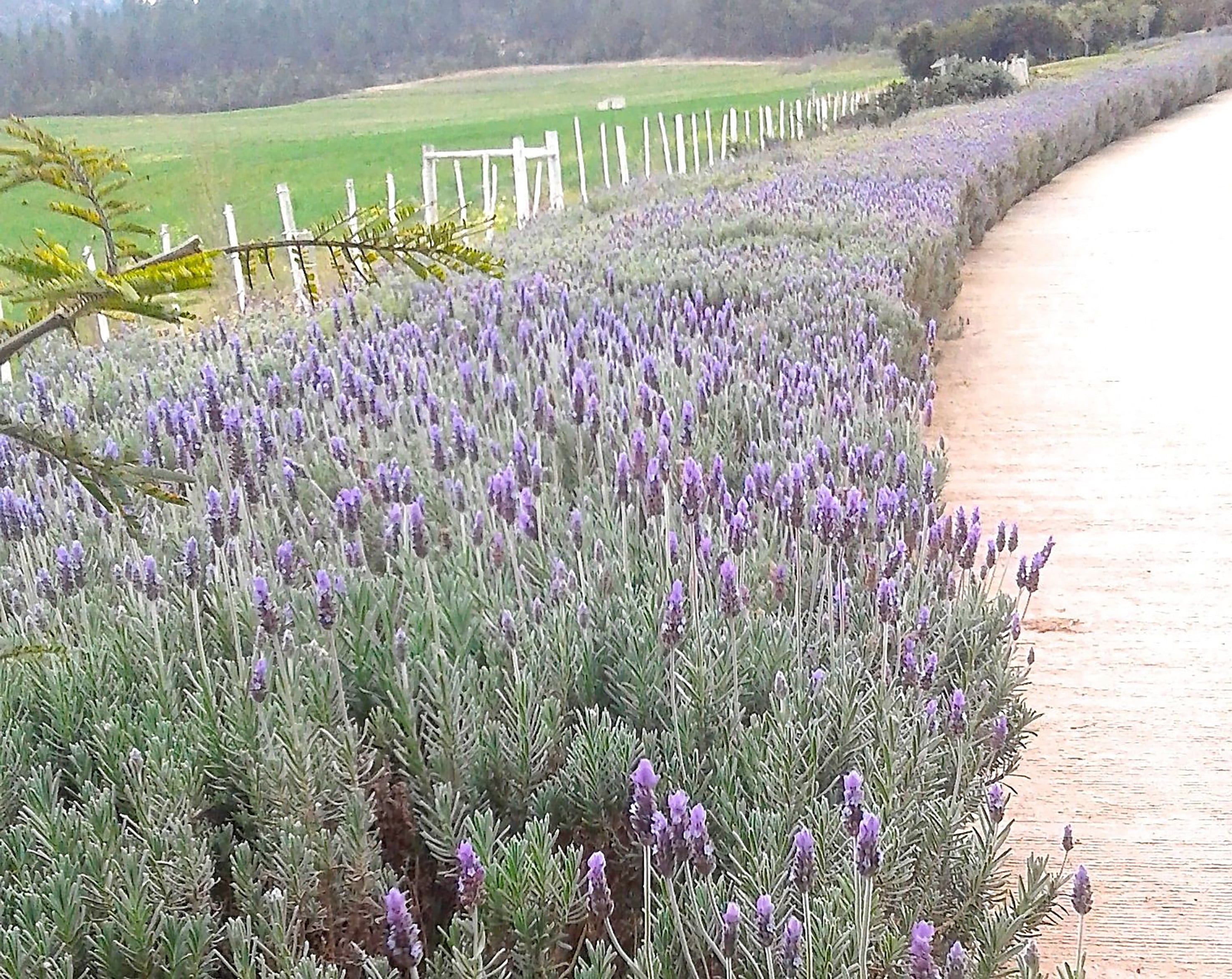 Blue flowering lavender at Rosenhof suggests an even more expansive horizon. (SUPPLIED)
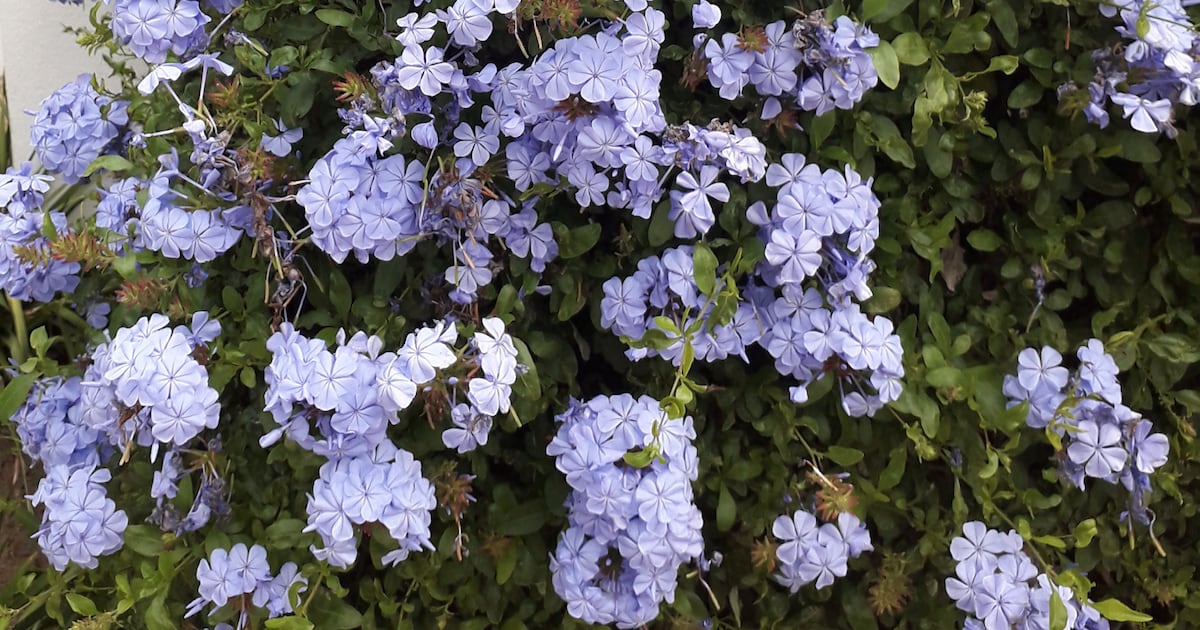
 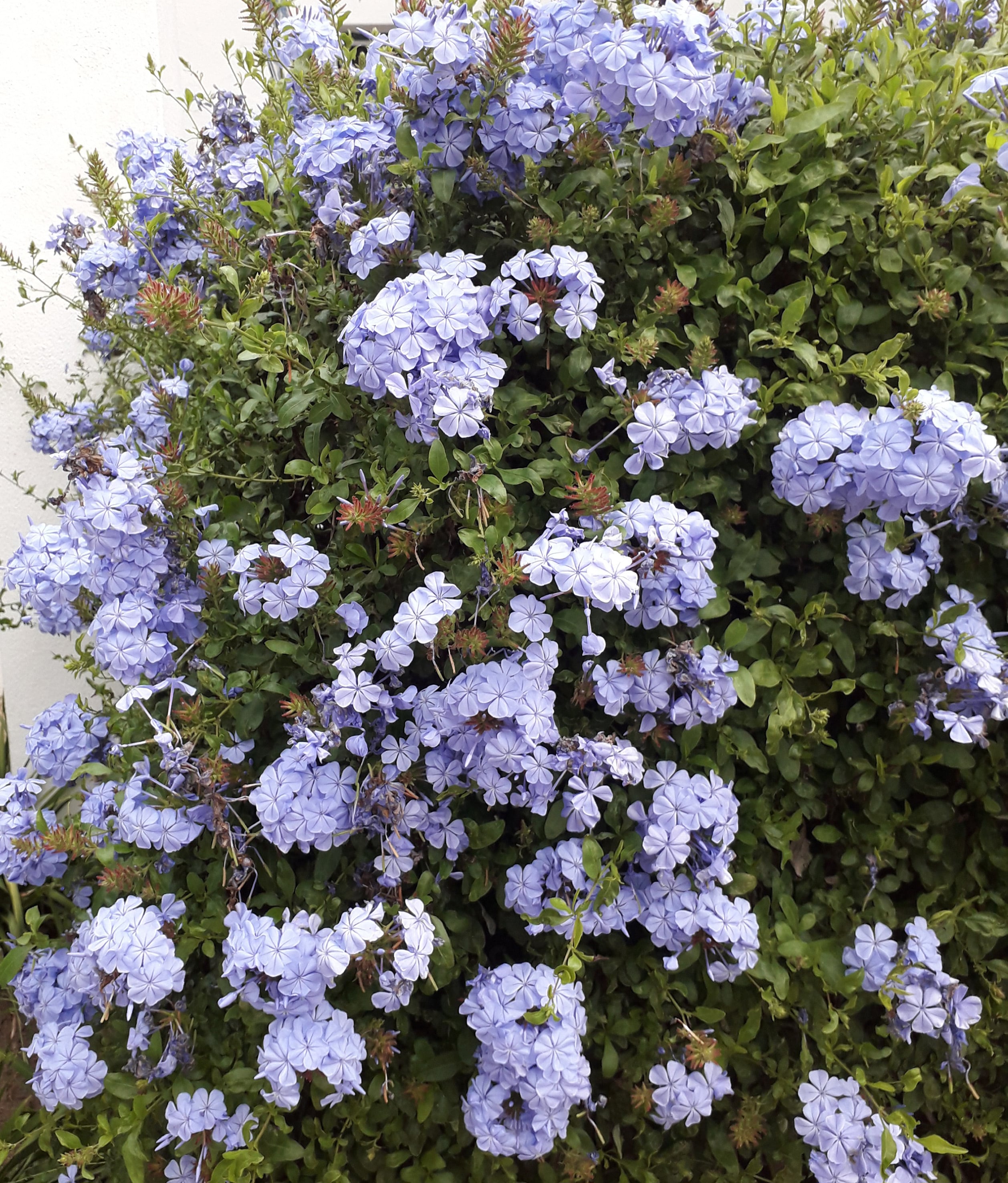 BLUE PLUMBAGO (SUPPLIED)
 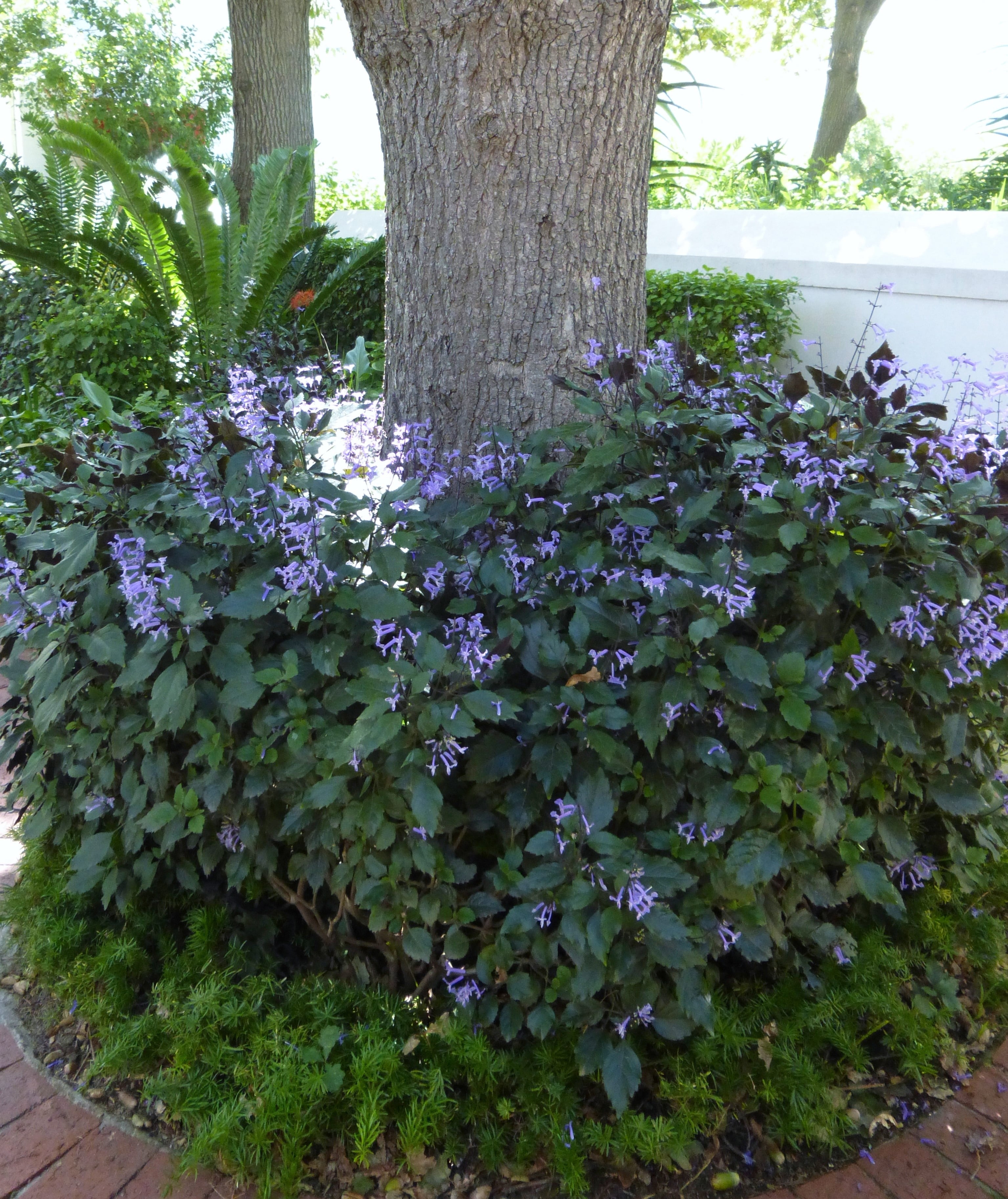 Plectranthus ‘Mona Lavender’ is a fast-growing perennial shrub which has dark green leaves and purply undersides. (SUPPLIED)
 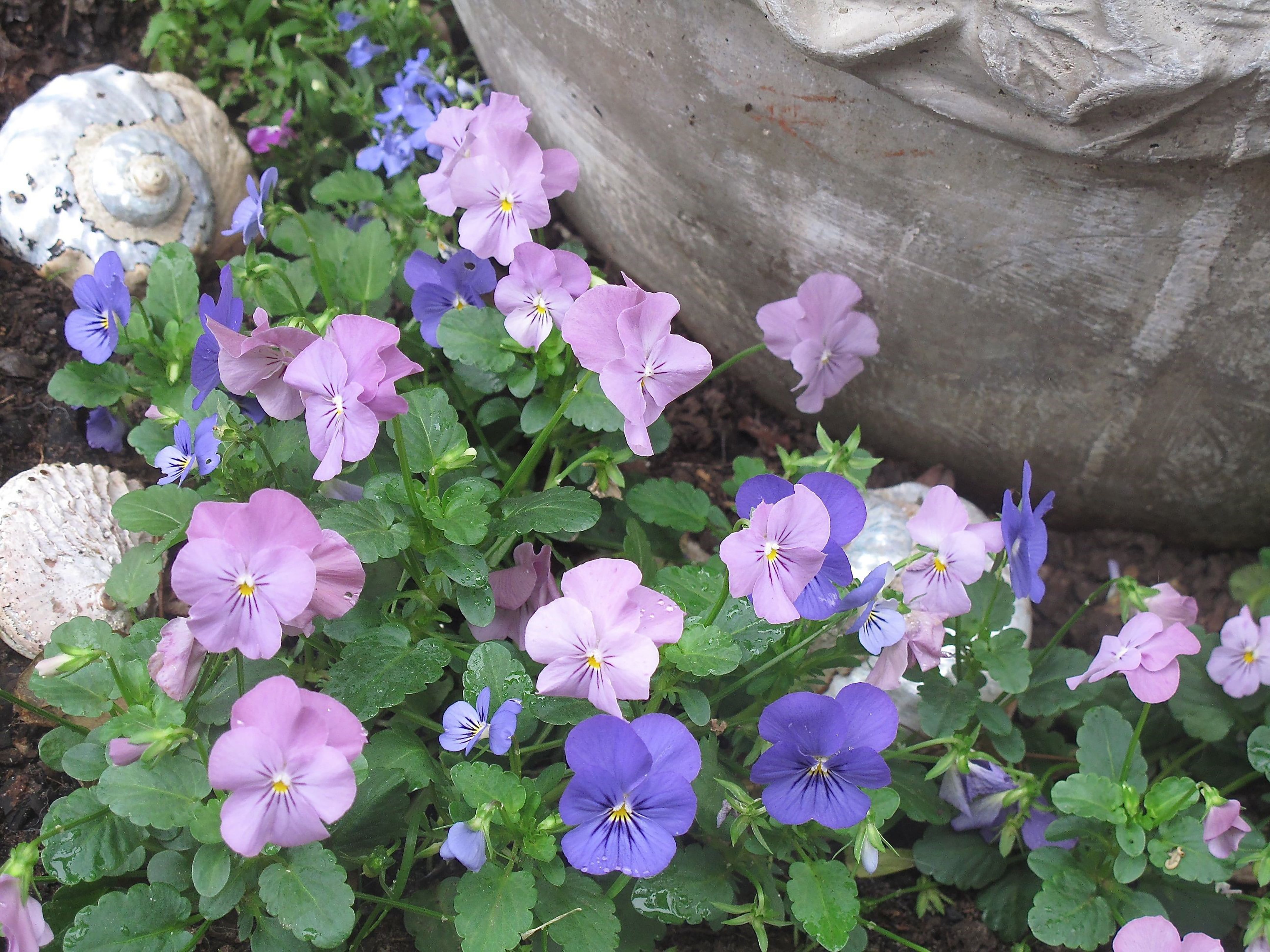 Blue viola annuals, if deadheaded regularly will flower well into the next season. (SUPPLIED)
 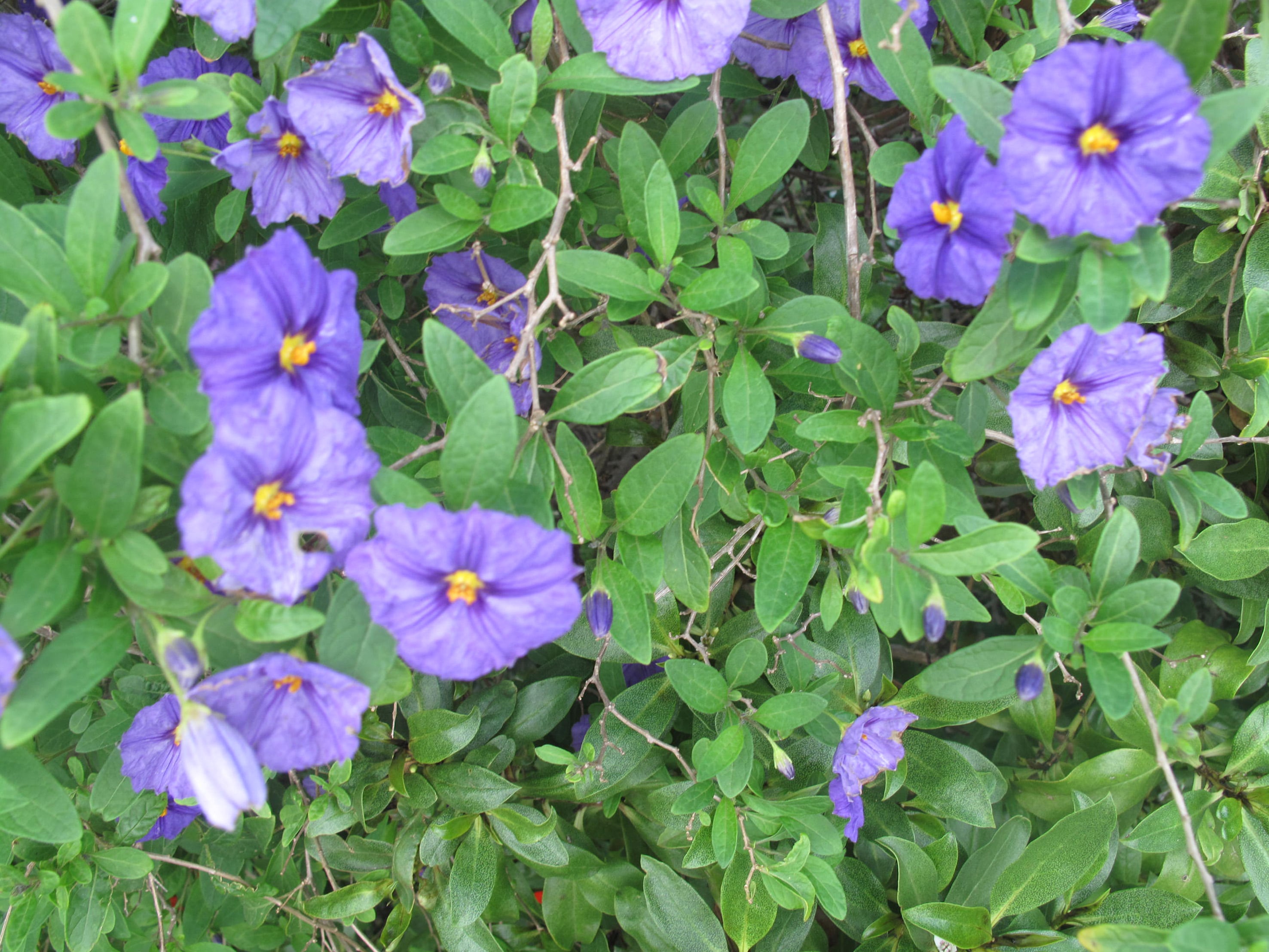 The Blue Potato Bush (Solanum rantonnetii) is an evergreen shrub bearing dark purple flowers throughout the year. Plant it at the back of the bed. It is related to the potato and tomato but all parts of the Blue Potato bush are poisonous. (PC Smith)
Comments are closed.