
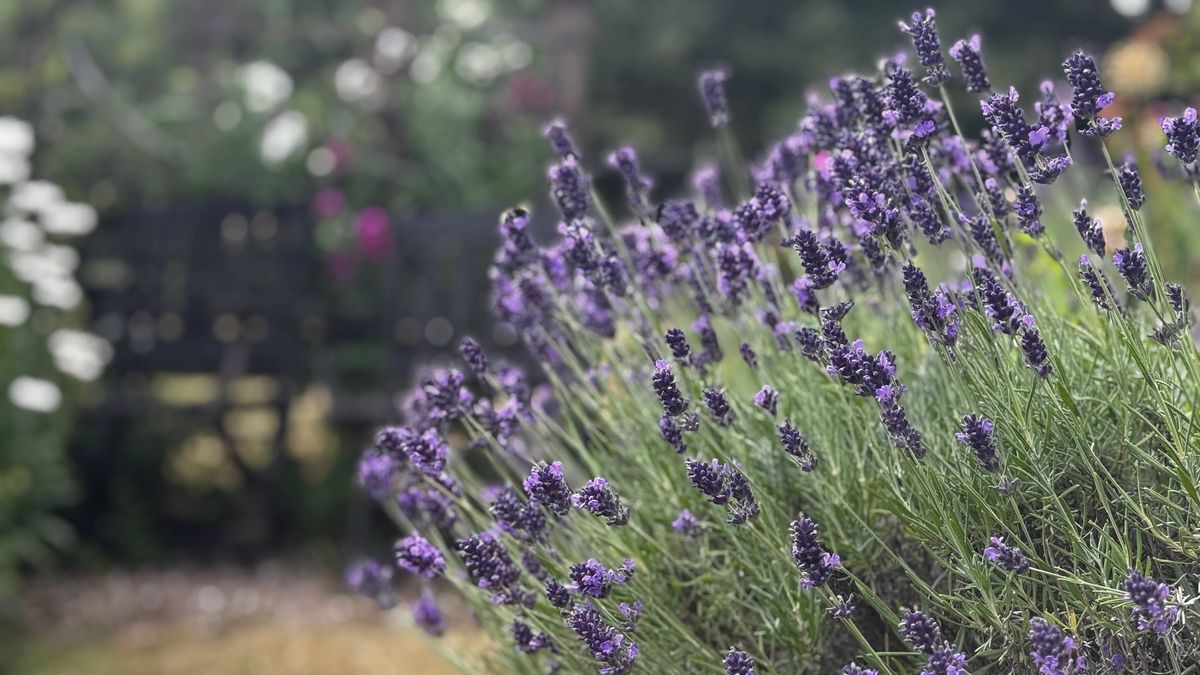
To have the best-looking flowers for summer, lavender owners are urged to carry out one easy job.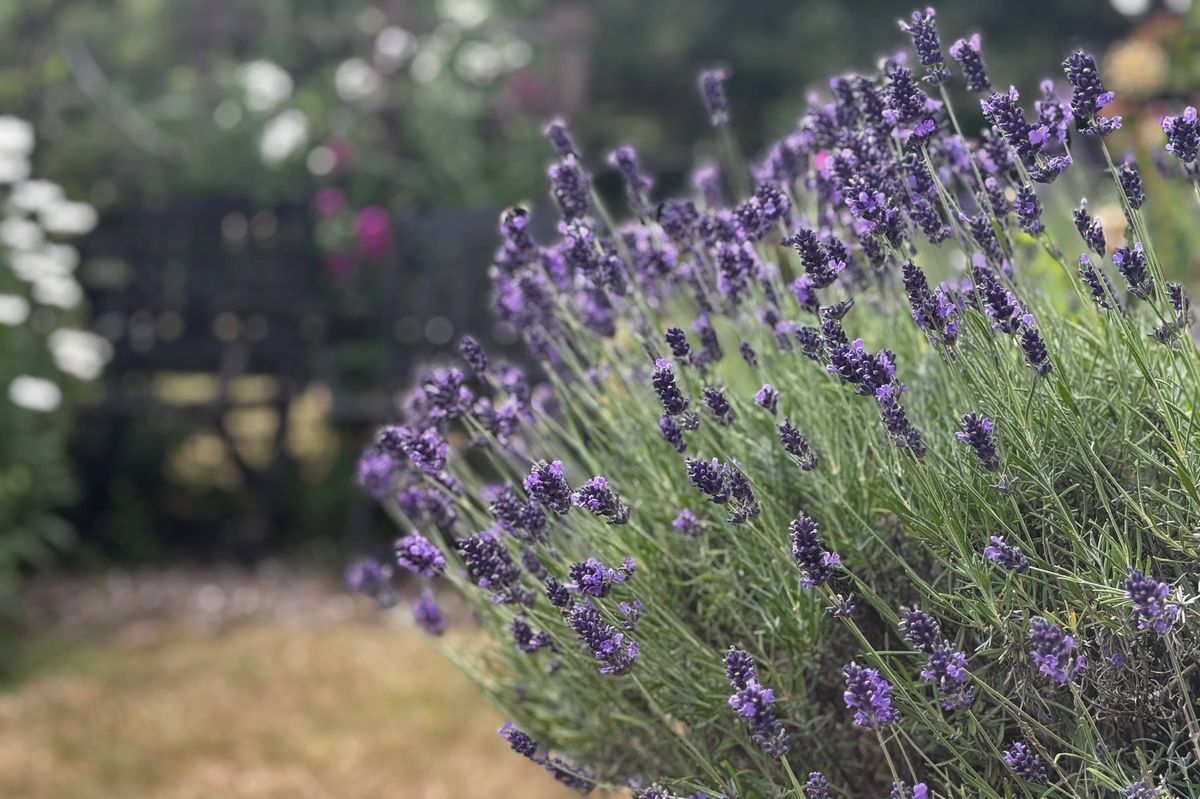
Anyone with lavender in their garden urged to do 5-minute task before summer(Image: ian driscoll via Getty Images)
Throughout British gardens, lavender is only just beginning to emerge from its winter slumber, and in numerous outdoor areas, it still appears far removed from its summer glory. Some attention now also proves genuinely beneficial when growing lavender, enabling the plants to maintain their form and appear healthy rather than weary or ligneous once summer rolls around.
One task that gardeners ought to complete with their lavender now is pruning them, particularly if they’ve overlooked trimming the plant last late summer.
Speaking on his gardening TikTok account @themichaelgriffiths, Michael explained, “If you missed pruning your lavender in late summer, or it’s looking untidy or frost-damaged, now in mid to late spring, when this new growth appears, is the perfect time to prune.”
Lavender ranks as the most underpruned plant across the UK. Many people are worried about cutting into the brown wood. Bearing this in mind, Michael has revealed the “right way” to prune lavender during this season.
Content cannot be displayed without consent
The gardening expert stressed one crucial rule to observe when undertaking this job, and that’s you can prune lavender as vigorously as you wish, provided you’re not cutting into old wood and you retain some new growth below the cutting point.
Michael observed that it’s remarkably straightforward to distinguish between the old wood, which appears brown and features almost white foliage, and the new growth, which displays bright green colouring at this time of year.
The gardening expert explained that you should prune just above the old wood, ensuring there’s still a bit of the new growth remaining.
For anyone who mistakenly ends up cutting into the old wood, Michael cautioned that section “may not regrow” and “you could lose the plant”, so when uncertain, keep above that new growth.
It’s important to note that heavily pruning your lavender may lead to fewer blooms and a postponed flowering period.
British springs are briefer and chillier, meaning a plant that’s severely pruned in April has limited time to bounce back before flowering begins.
Once the UK moves into summer, it’s worthwhile deadheading your lavender. Removing the faded flower stems following the initial burst of blooms in late June will promote a more robust second flowering in late summer.
It’s not compulsory, as the seed heads appear attractive enough if you’d rather keep them, but for particular varieties, it does create a marked improvement to the August show.
Comments are closed.