
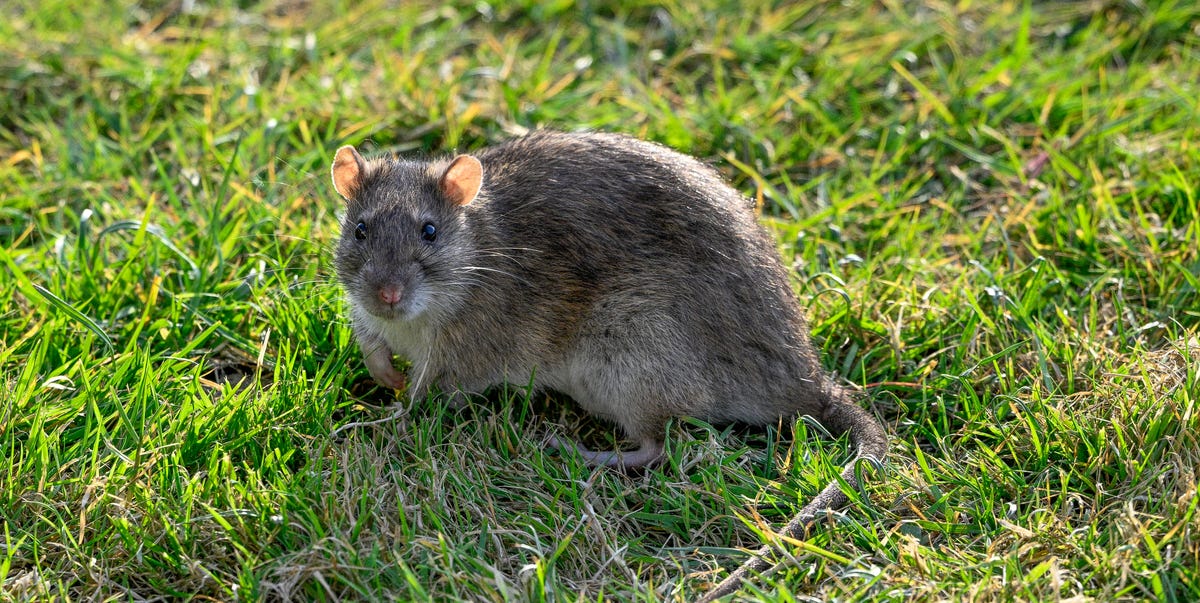
The common claim is that you’re never more than six feet away from a rat. If, like most people, you’d rather not see head nor tail of this incredibly adaptable animal, there’s an easy, cheap way to stop it in its tracks.
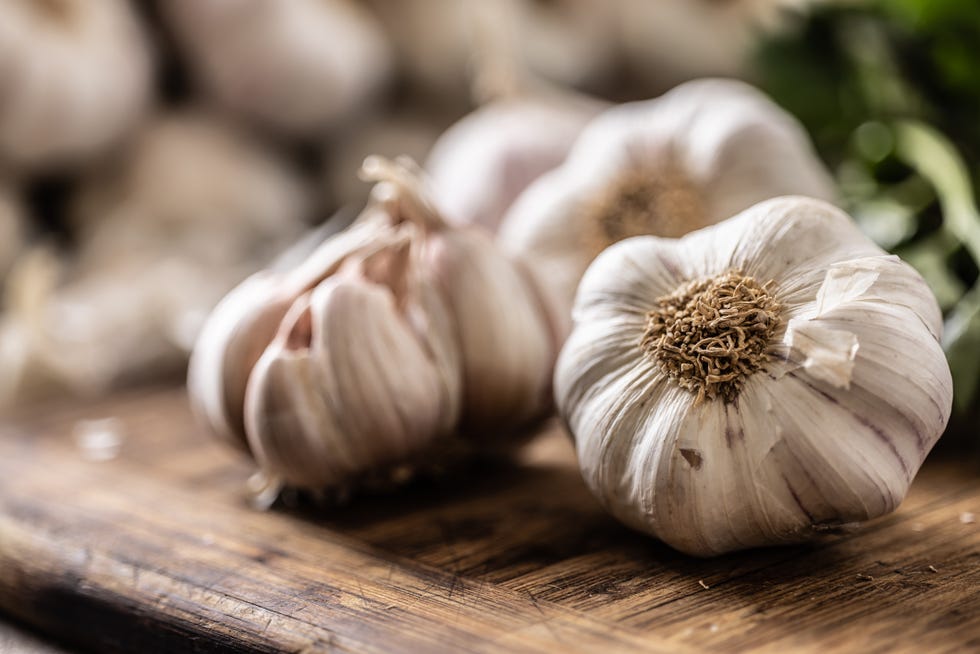
Most people are likely to have are spare clove or two of this punchy, potent herb in their kitchen. But did you know, as well as adding flavour to sauces, the pungent chemical compounds present in garlic also make it repellent to rats, which rely heavily on scent to navigate and find food?
Fresh cloves, powder or even garlic sprays can be placed in key spots and entry points – borders around flower beds, along fence lines, near vulnerable crops or bird feeders – to help keep vermin away.

SimpleImages
Get creative when leaving your garlic around: insert toothpicks into a whole head of garlic and leave them in affected areas. Remember: the garlic odour will fade, so you may need to replace every few days.
Other natural repellents include apple cider vinegar, cayenne pepper and peppermint oil.
Spot the signs
As the weather warms, there’s an increased likelihood of encountering rats around your property.
Spring marks a crucial breeding period for rodents, leaving them hungry, seeking shelter and reproducing at an alarming rate (they can produce a new litter of 6-12 pups every 3-4 weeks) – making homes and gardens the perfect place to nest.
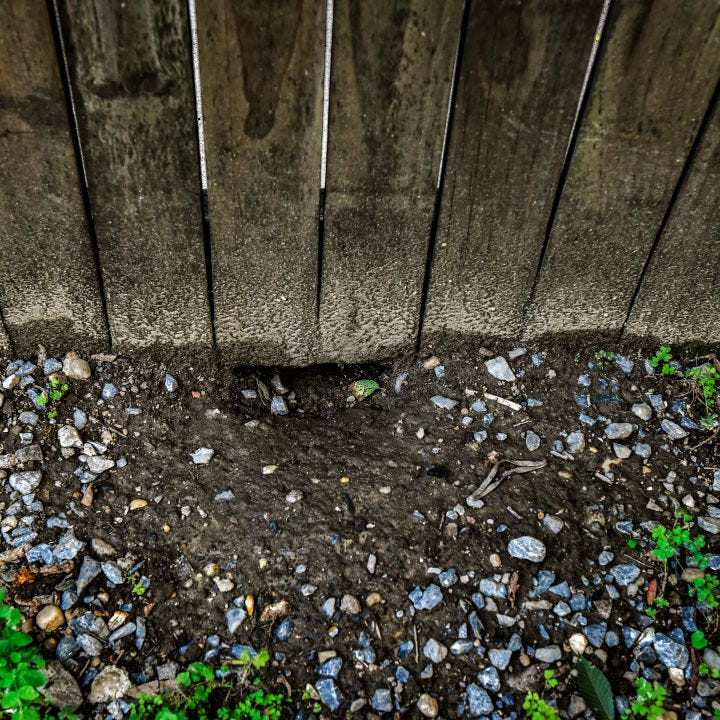
You may not have spotted rats, but signs that they’ve been in your garden include burrows (6-9cm holes) under sheds and compost heaps; dark cylindrical droppings (15-20mm long); greasy smears along fences and distinct pathways through vegetation.
They may also leave gnaw marks on wood, plastics and root crops (carrots, beetroot and potatoes) and make rustling noises at night.
 The Washington Post//Getty Images
Look out for holes under fences and sheds
Other steps to take
Tackle tasks such as decluttering debris, securing compost bins with mesh and clearing any fallen fruit. Be sure to store firewood and garden materials at least 18 inches off the ground.
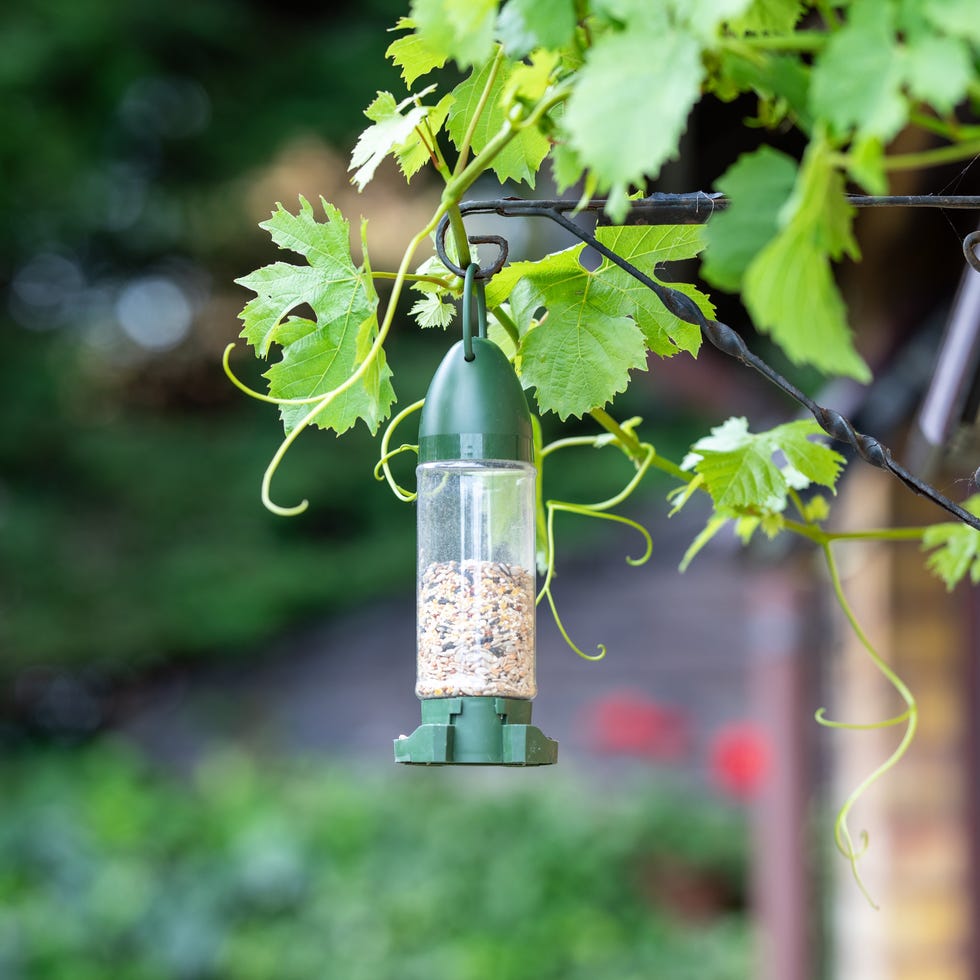
It’s also worth noting that rats are particularly partial to suet and seeds, so be aware when adding these to bird feeders.
 Geraint Rowland Photography//Getty Images
Be careful what you put in your bird feeder – rats love suet and seeds
Natural pest repellent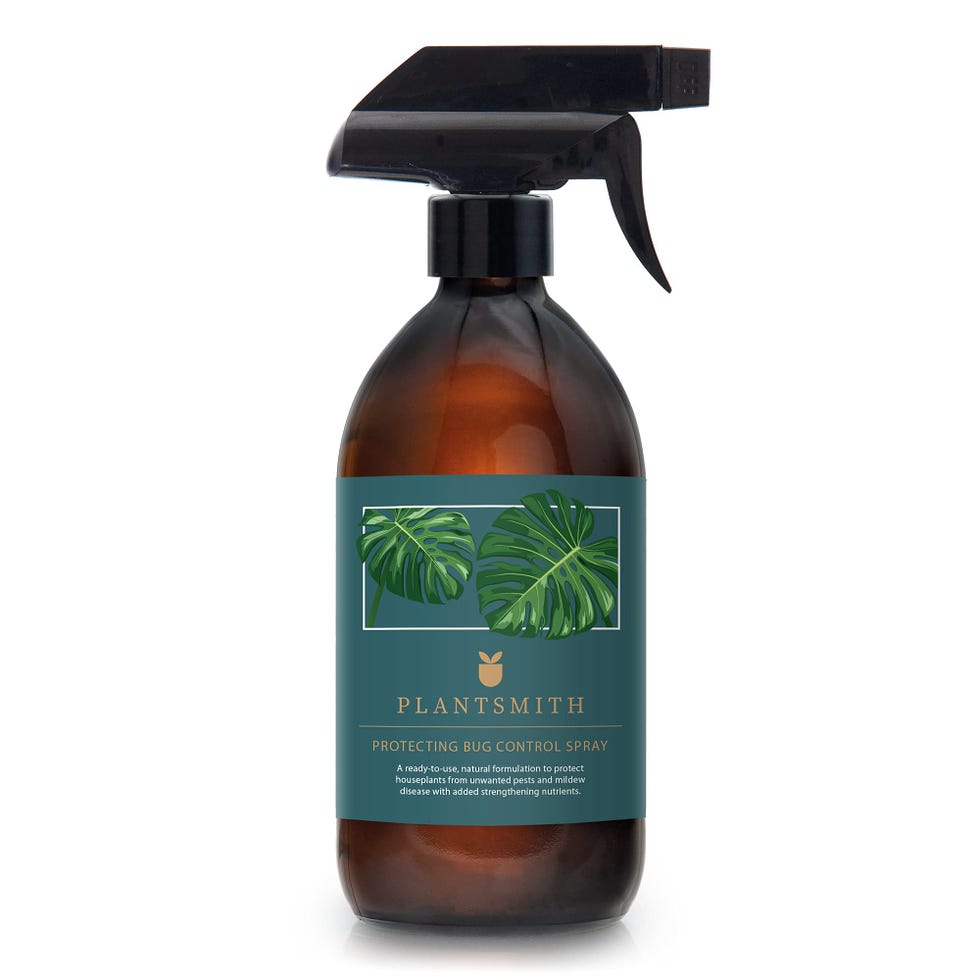 Plantsmith Natural Bug Control Spray for Indoor Plants Credit: amazon.co.uk
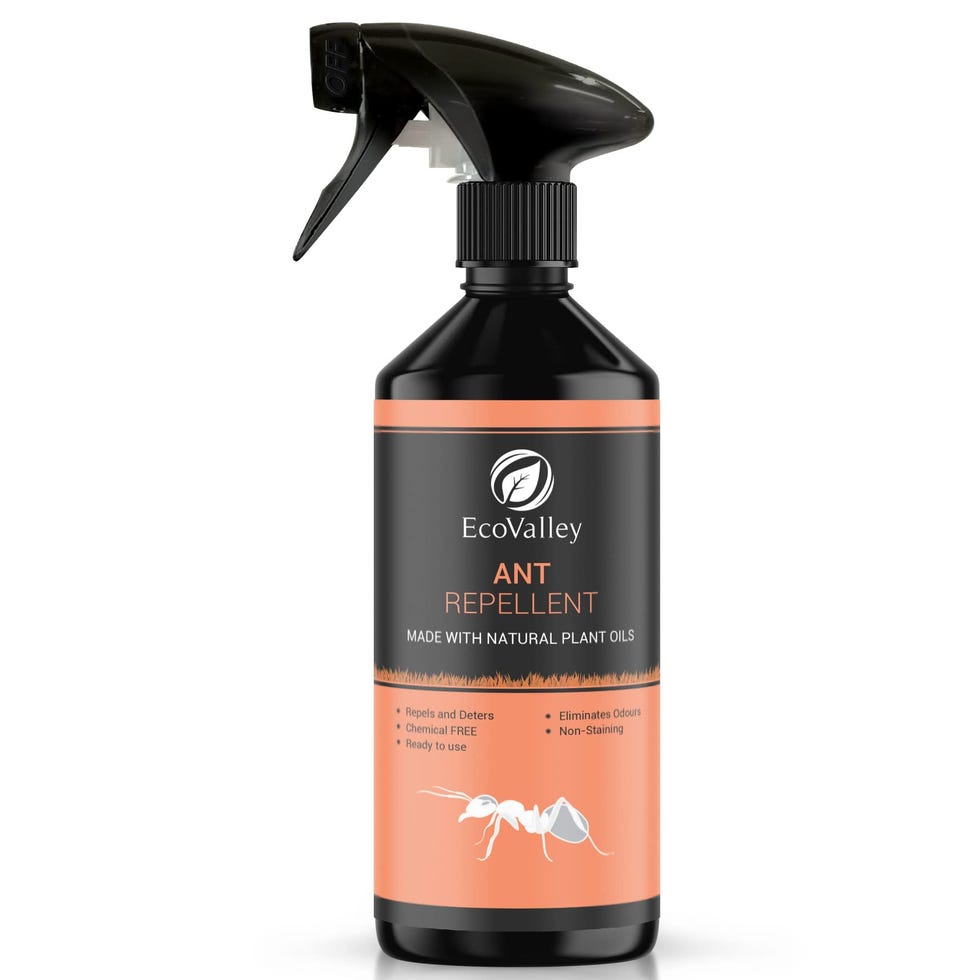 EcoValley Natural Ant Repellent Spray 500mlCredit: amazon.co.uk
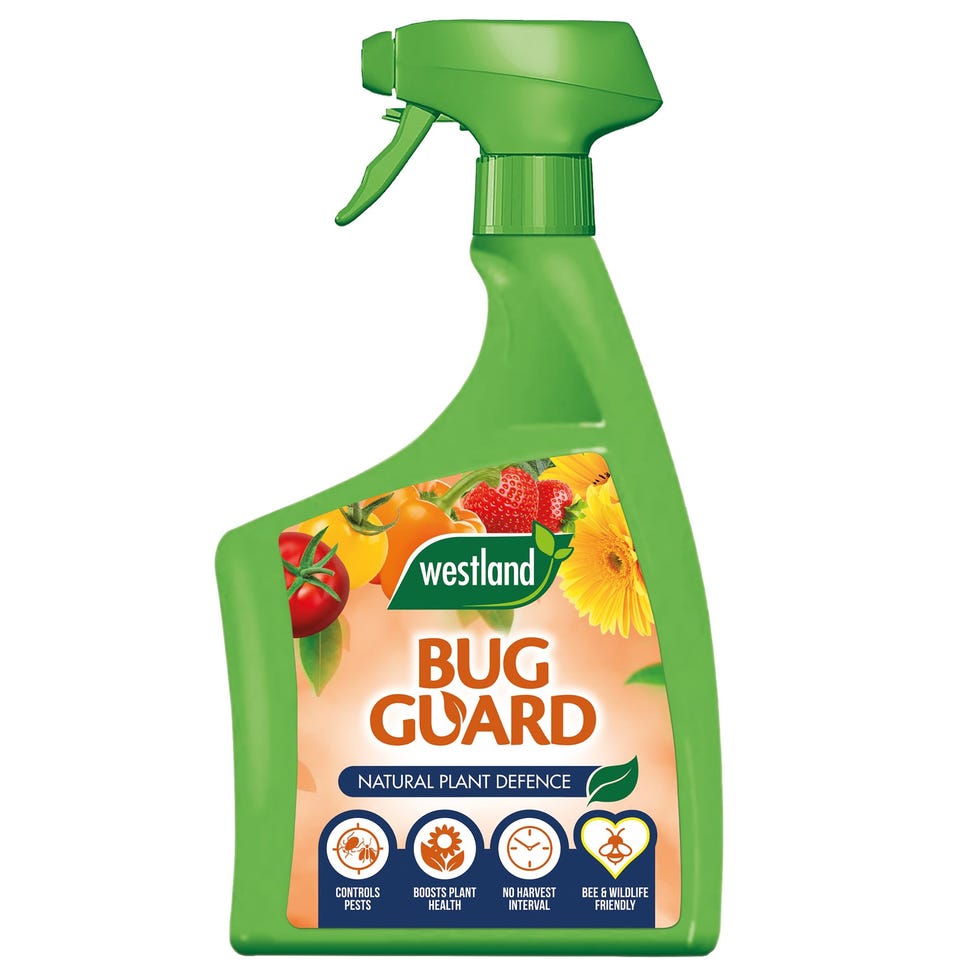 Westland Westland Bug Guard RTU 800mlCredit: amazon.co.uk
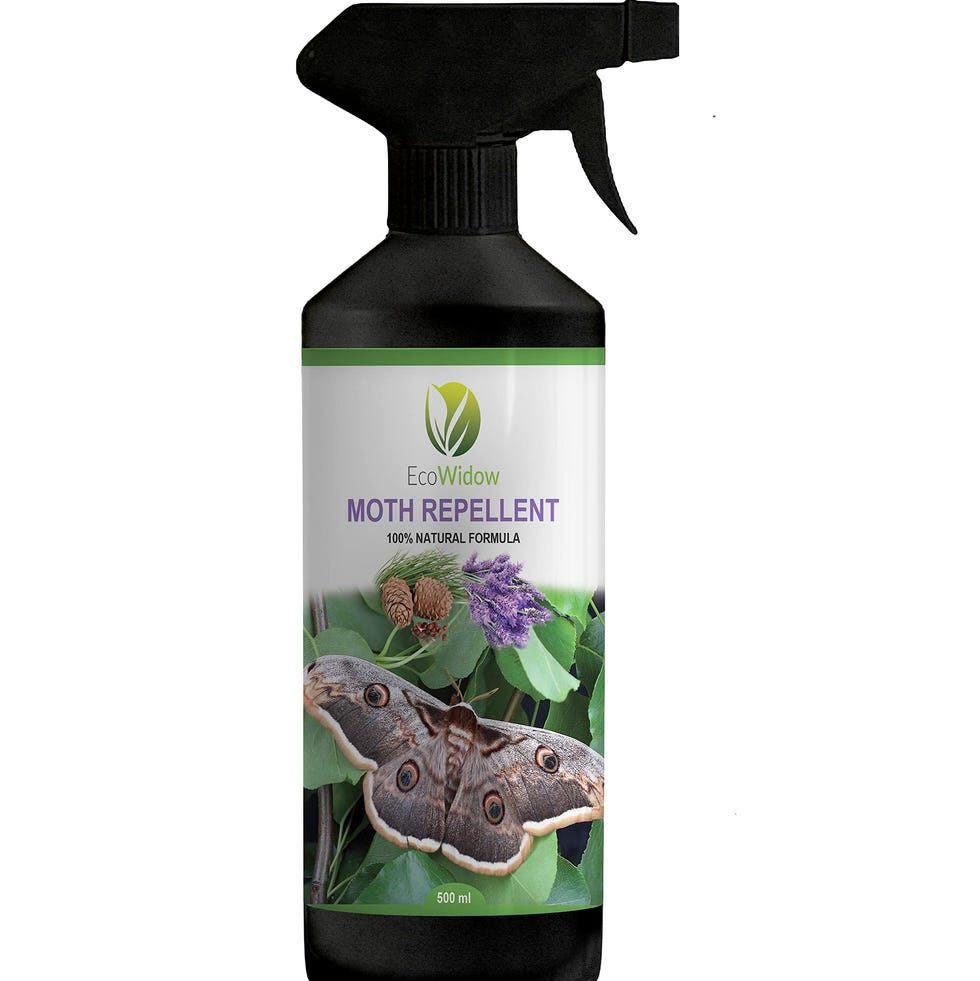 EcoWidow EcoWidow Natural Moth Repellent Spray Credit: amazon.co.uk
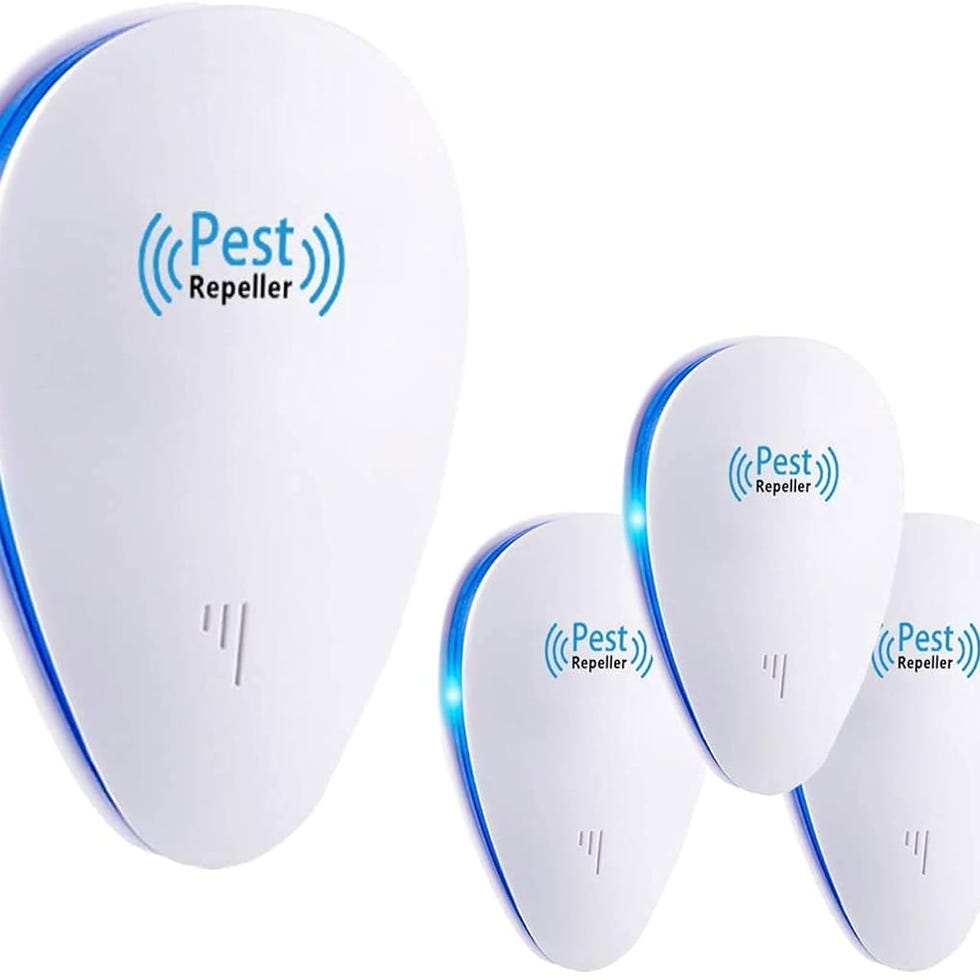 VNEED Ultrasonic Pest RepellerCredit: amazon.co.uk
 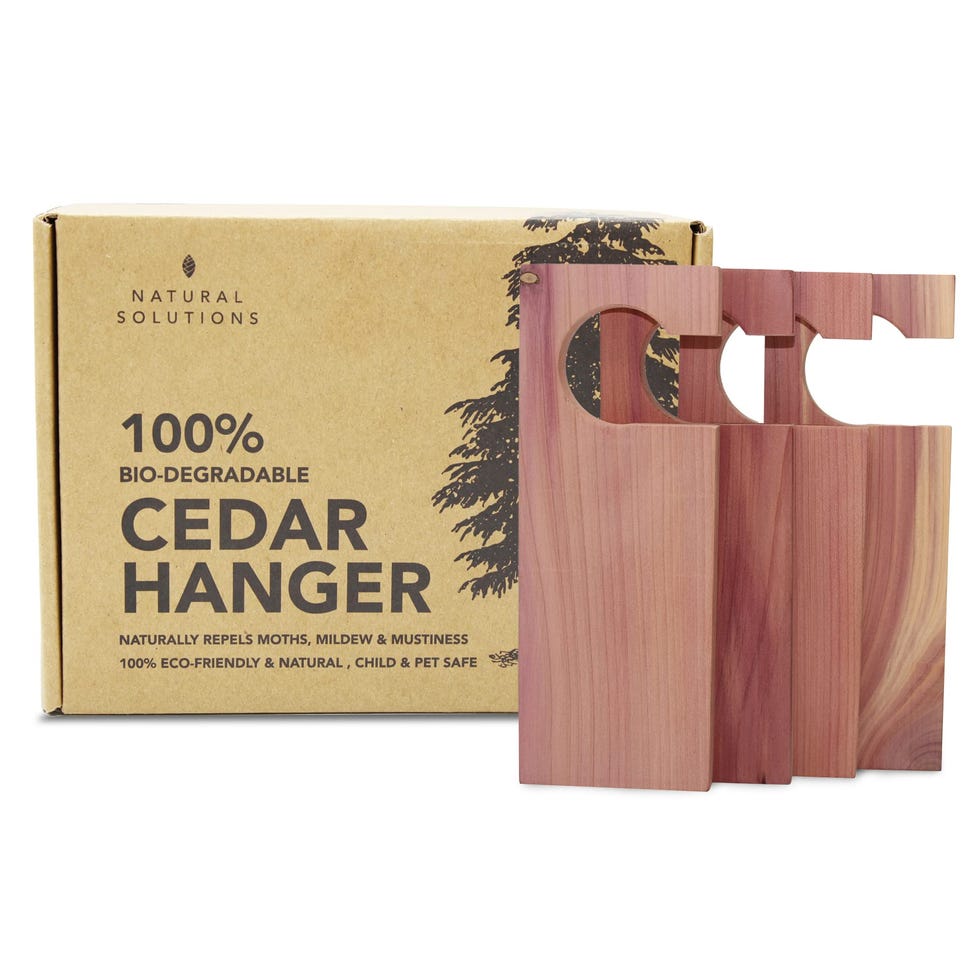 Natural Solutions Natural Solutions – Wardrobe Cedar Wood HangersCredit: amazon.co.uk
Comments are closed.