
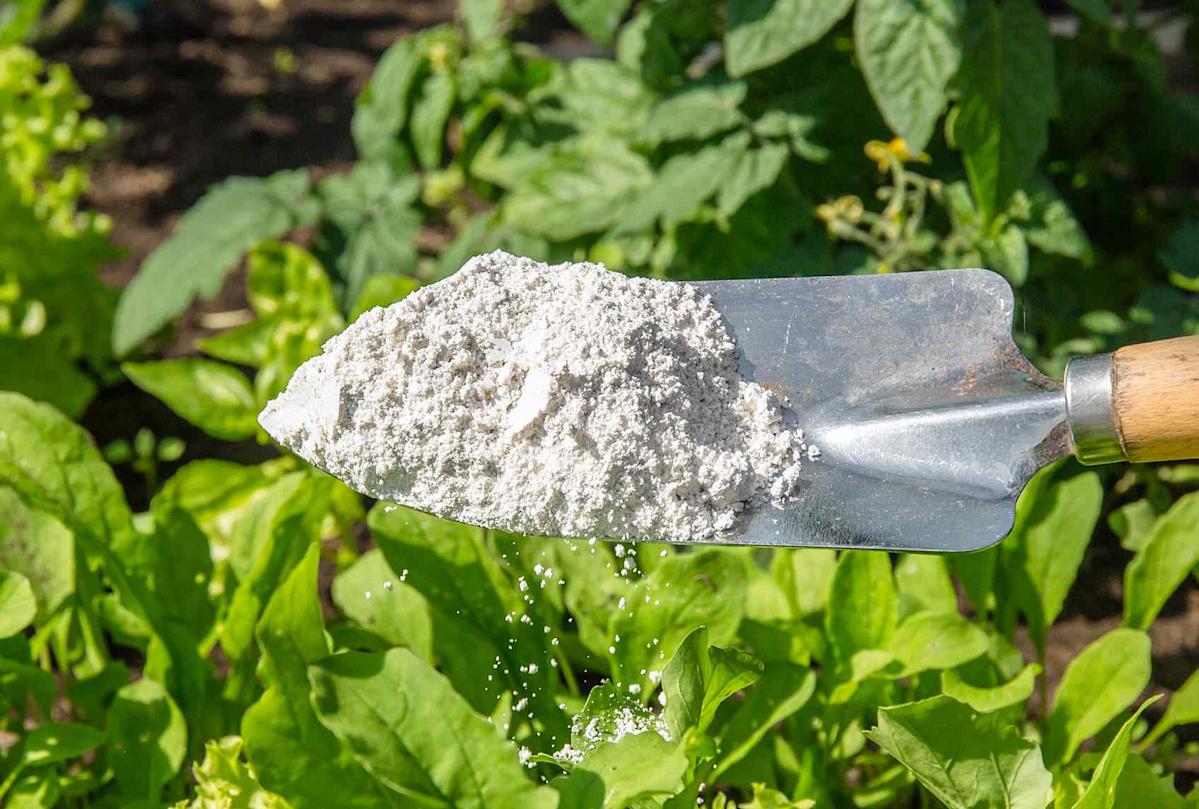
Cornstarch isn’t just for thickening sauces, gravies, and pie fillings. It actually works wonders in the garden, treating powdery mildew, improving water retention in planters, helping to prevent blisters on your hands from digging, and more. Ahead, see the best tips and tricks from garden experts who share all the inventive ways they use cornstarch in the garden.
Meet the Experts
Lindsay Springer, director of plants, nutrition, and digital agriculture at Gardyn
Lucie Bradley, gardening and greenhouse expert from Easy Garden Irrigation
Celina DeBrito, head gardener at Pippin Hill Farm & Vineyards
Related: How to Use Baking Soda in Your Garden to Boost Flowers, Deter Pests, and More
Use as Hardscape Cleanup
Use cornstarch to clean grease or oil spills off your lovely pavers, bricks, or stones. “Cornstarch is fantastic at absorbing grease and oil,” says Lindsay Springer, director of plants, nutrition, and digital agriculture at Gardyn. “If your lawn equipment drips oil, just blot it up and add cornstarch to prevent the stone or cement surface from staining.” To remove stains that have already set in, leave the cornstarch on the spot for a while to let it absorb, then sweep or vacuum it up. However, Springer notes that this method works best for fresh oil drips.
Apply as an Anti-Blister Powder
Have a long day of digging in the garden ahead of you? Springer says cornstarch can help prevent blisters left by shovels and trowels by drying hand sweat and reducing friction between your skin and the handle. “I’m not a huge glove-wearing person, especially using a shovel in hot weather,” she says. “The gloves tend to cause more sweat, which makes it uncomfortable.” Instead, she sprinkles cornstarch on her hands and tool handles to help reduce the wear and tear on her skin. “Just remember not to apply cornstarch to an open blister or wound—it’s a preventative measure, not a treatment.”
Make a Spray Thickener
Cornstarch can thicken DIY foliar sprays, helping applications stay on the plant. “If you like to make your own natural oil sprays, like with neem oil, a very small amount of cornstarch can help thicken the spray enough that it doesn’t drip right off the leaves,” Springer says. Just be careful not to add too much, as a little goes a long way to thicken liquids, and you don’t want to clog your sprayer, she adds.
Improve Water Retention in Planters
Cornstarch can help improve water retention in pots and containers. “Cornstarch is a polymer that can absorb and maintain water, which is why it is used as a thickening agent in cooking,” says Lucie Bradley, a gardening and greenhouse expert with Easy Garden Irrigation. “As a gardener, you can use cornstarch to improve moisture retention. Mix 2 tablespoons of cornstarch into 1 gallon of compost and use this mix to fill your pot prior to planting.” She warns against adding more cornstarch, as too much can lead to poor drainage and compaction.
Treat Powdery Mildew
Powdery mildew is a fungal disease that affects various plants. “Appearing as a white powdery coating on the plant, if left, it will stunt growth, leaves will die, and yields will reduce,” says Bradley. An easy way to treat this disease is to make a spray using 1 tablespoon of cornstarch, 1/2 a teaspoon of dish soap, and 1 gallon of water. “Add all this into a spray bottle and use once a day to spray the leaves and stems of your plants until your plant is cured,” she says.
Use as an Ant Deterrent
Protect your plants from ants by using cornstarch as a deterrent. “Although not as destructive as aphids, an ant infestation can damage roots, making the plant more susceptible to disease, and stunt growth,” says Bradley. Cornstarch disrupts the scent trails ants use to navigate. Sprinkle it around plants you want to protect to create a barrier that ants won’t cross.
Related: 12 Ways to Use Cornstarch to Clean and Freshen Your Home
Create a DIY Seed Tape
Home gardeners can make seed tape with cornstarch for easier planting. “This method is especially helpful for tiny seeds like carrots, lettuce, or certain tomato varieties,” says Celina DeBrito, head gardener at Pippin Hill Farm & Vineyards. Dissolve cornstarch in water and bring it to a boil until a gel forms. Spread the gel over a paper towel strip, sprinkle seeds over the gel, and top with another paper towel strip. “Once dry, these strips can be planted directly into the soil,” says DeBrito. Many gardeners say this approach helps them achieve straighter rows and makes handling the small seeds much easier.
Read the original article on Martha Stewart
Comments are closed.