
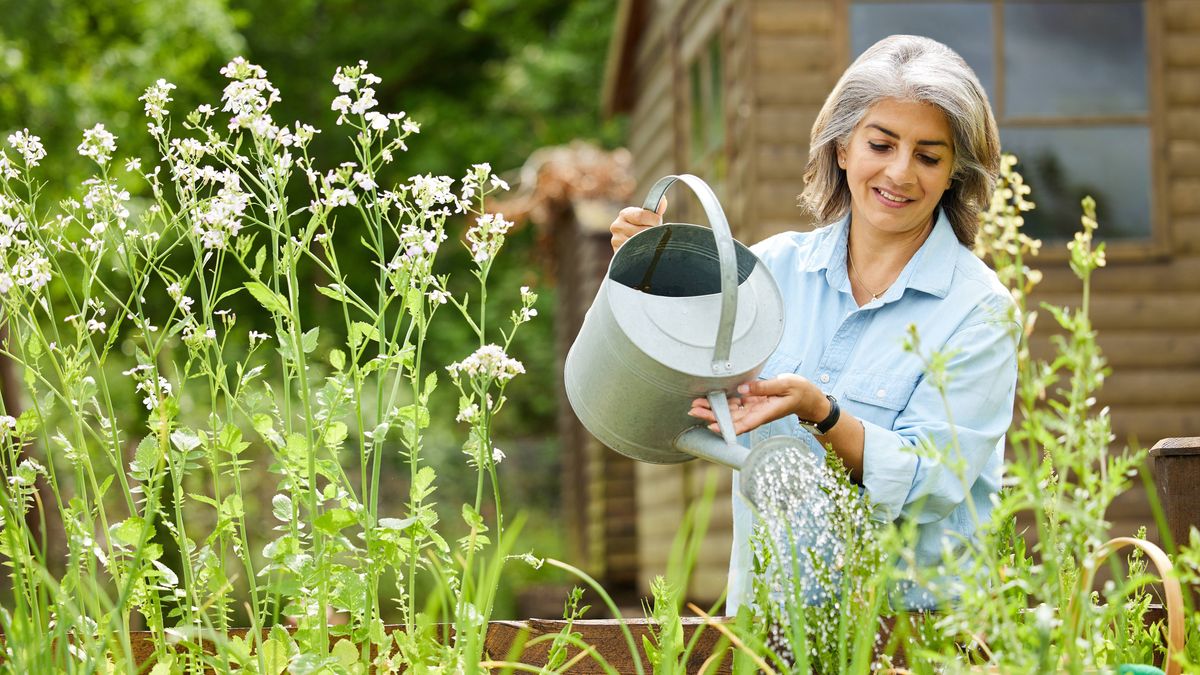
Horticulturalists have made a recommendation for what you should, or shouldn’t plant in your garden
Emily Malia GAU Writer and Almha Murphy Audience Writer
07:00, 17 Apr 2026
Gardeners are being advised to avoid these plants(Image: Daisy-Daisy via Getty Images)
While the appeal of growing this beautiful flower is considerable, gardening experts are issuing warnings about it because of a concerning climate-related problem.
As temperatures across Britain rise, numerous plants may face difficulties.
This especially impacts varieties that rely on consistent moisture and cooler conditions, which are now wilting during extended hot, dry spells with little rainfall.
Regrettably, hydrangeas, renowned for their eye-catching pink, purple and blue blooms, are finding the environment particularly difficult. This is due to their need for moist soil with regular watering.
Throughout warm, sunny weather, water disappears quickly from the soil’s surface. On occasion, this happens before plants can adequately absorb it.
Signs that your hydrangea could be suffering from heat stress include foliage appearing scorched and contorted, petals turning brown, and sagging branches indicating the plant’s struggle, reports the Liverpool Echo.
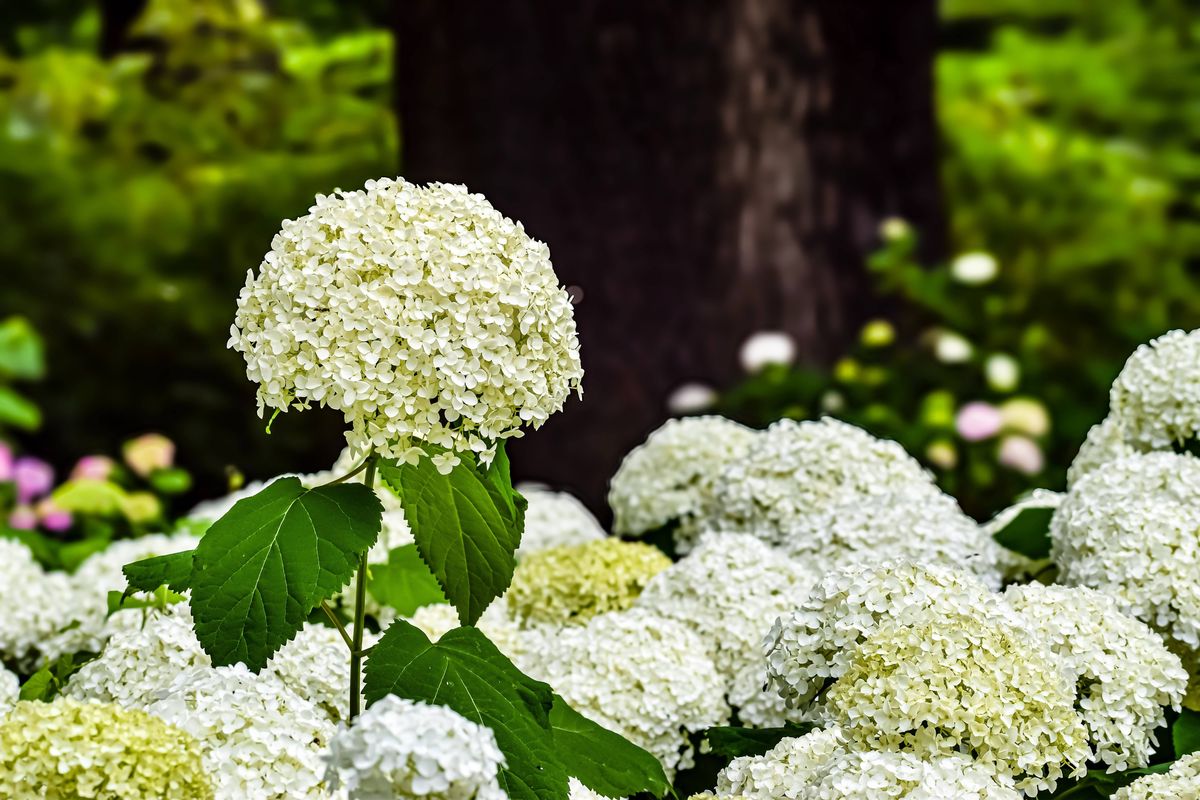
They are a firm favourite in gardens(Image: Dmytro Ostashuk / 500px via Getty Images)
While this information might disappoint enthusiastic gardeners, giving up aspirations of a lush garden isn’t required. Numerous plants and flowers have advantageous traits allowing them to thrive in dry conditions.
Different varieties, including succulents, which originate from arid areas and have evolved to need little water, can also withstand strong sunlight.
Common drought-tolerant characteristics include dense, waxy layers, which help plants in preserving moisture.
Many varieties also have succulent stems and leaves capable of storing water.
That said, a drought-resistant garden doesn’t have to be restricted to cacti alone. Striking flowering alternatives include lantanas and blanket flowers, both robust and vibrant selections.
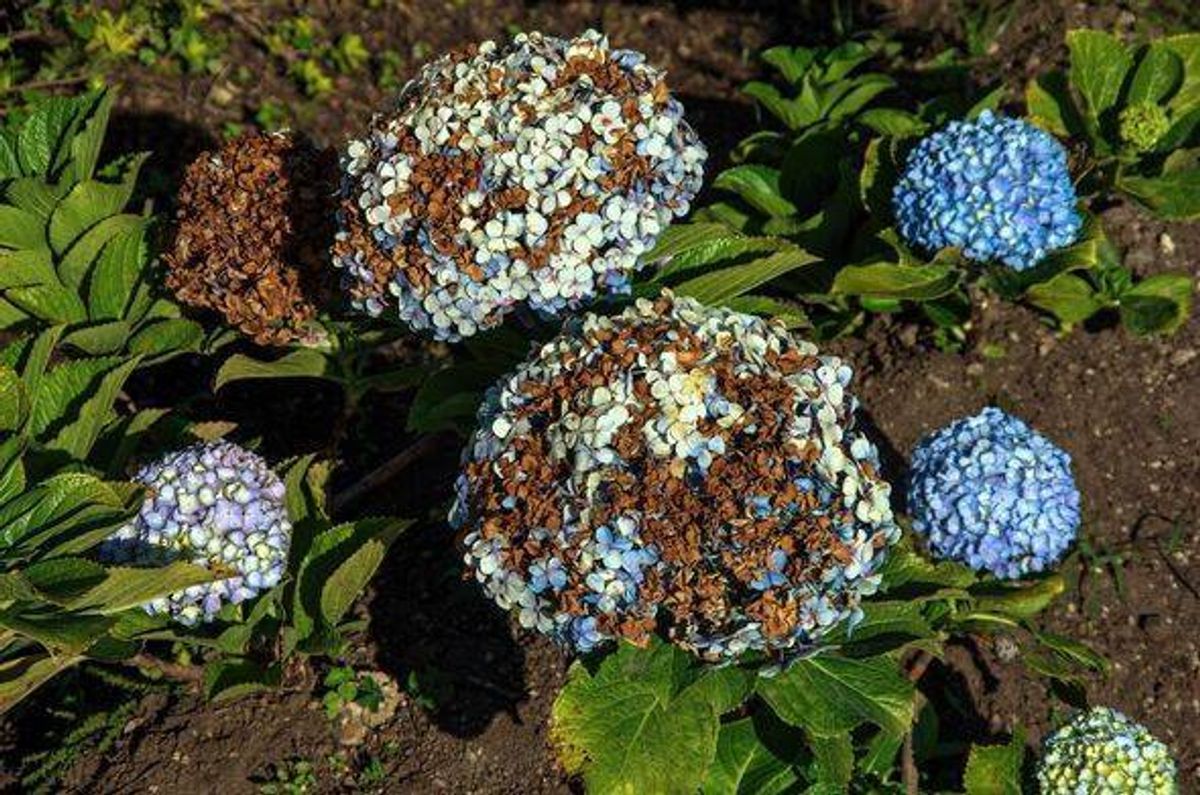
But they can suffer in the heat(Image: Getty)
One of the key benefits of opting for drought-tolerant plants is that many are perennials. This means a single investment provides years of pleasure, unlike seasonal bedding varieties.
These plants will also attract a variety of insects and pollinators to your garden. While these creatures are often unfairly overlooked, they’re vital for preserving your garden’s ecological balance.
Your choices needn’t be confined to flowers, either. Herbs are an excellent option as they tend to be fairly drought-resistant, including fennel, coriander, parsley, chives and thyme.
Furthermore, these can serve a dual purpose in the kitchen. Coriander in particular features prominently in a wide range of cuisines, including Indian, Mexican and Middle Eastern dishes.
Herbs such as parsley and thyme are also staple ingredients in many classic British recipes.
Comments are closed.