
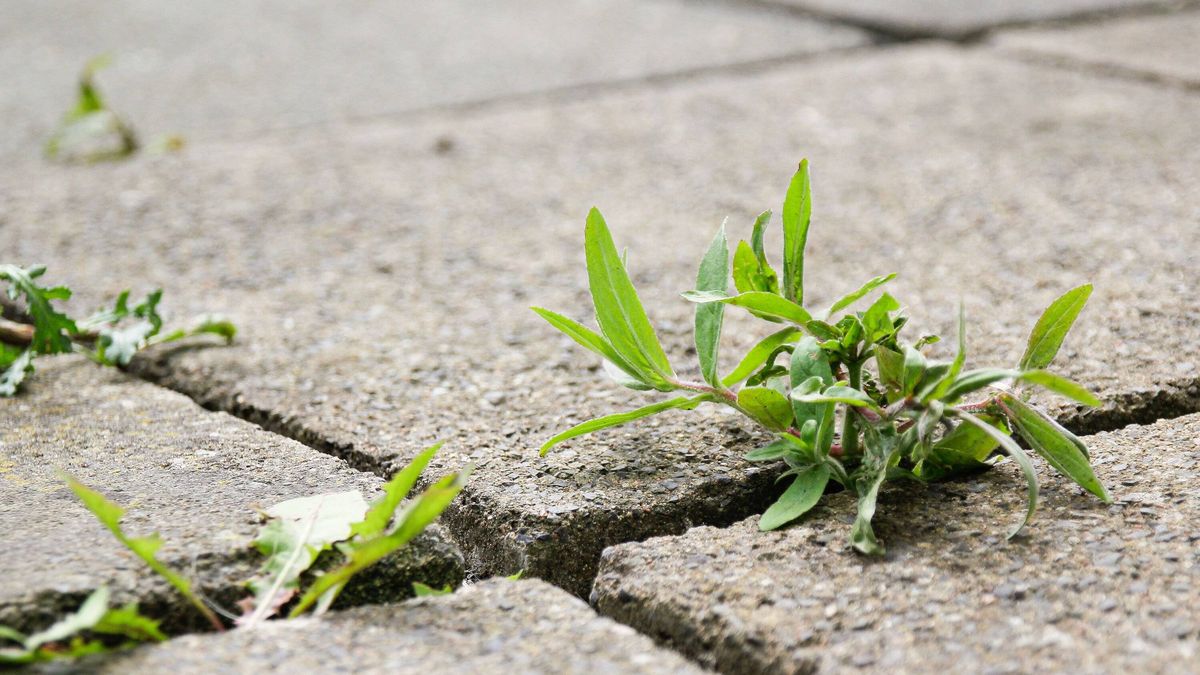
White vinegar is a multi-purpose household ingredient that can be used outside to help with your gardening, from killing weeds to deterring ants and cats
Sophie Harris Senior Lifestyle Reporter
02:00, 17 Apr 2026
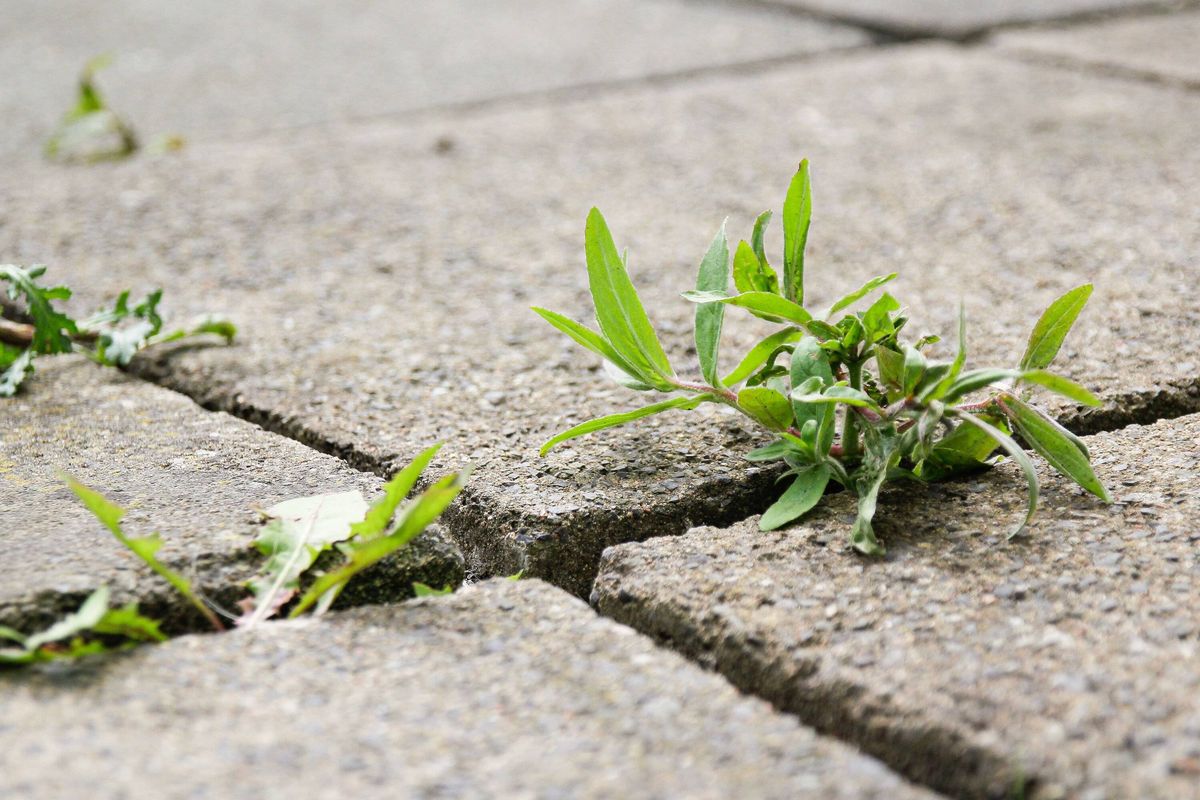
Vinegar can kill weeds fast(Image: Getty)
White vinegar is a remarkably versatile household staple. Whether you’re descaling your kettle or polishing windows, the 39p ingredient is a firm fixture in many kitchen cupboards.
Mark Dwelly, Head Gardener at Audley Stanbridge Earls, has offered his expertise on harnessing natural ingredients outdoors. He said: “White vinegar is a clever little garden fix for targeted jobs like spot-weeding, cleaning tools and freshening hard surfaces.”
However, the expert cautioned that the 39p ingredient is best treated like a “precision tool”, rather than being used casually.
Remove weeds
The expert said: “It’s [white vinegar] is especially handy on paths, patios and in cracks where weeds tend to pop up, but it’s not something to spray around carelessly in flower beds.”
Weeds can be tackled with this natural solution by combining one litre of water with white vinegar and a tablespoon of washing-up liquid.
This mixture should be sprayed directly onto weeds during hot, sunny conditions for the best results. The acetic acid found in vinegar will help eliminate and dehydrate weeds within 24 hours.
Deter pests
According to the expert, white vinegar can help discourage animals and pests, including ants and cats, from invading your flower beds.
As reported by the Express, he added: “It’s not a miracle cure, though, more of a useful little helper.” To use, soak cloths in vinegar and place them around the garden.
If ants are proving troublesome, place some down on a dry, sunny day when they are active; it can help disrupt their trails.
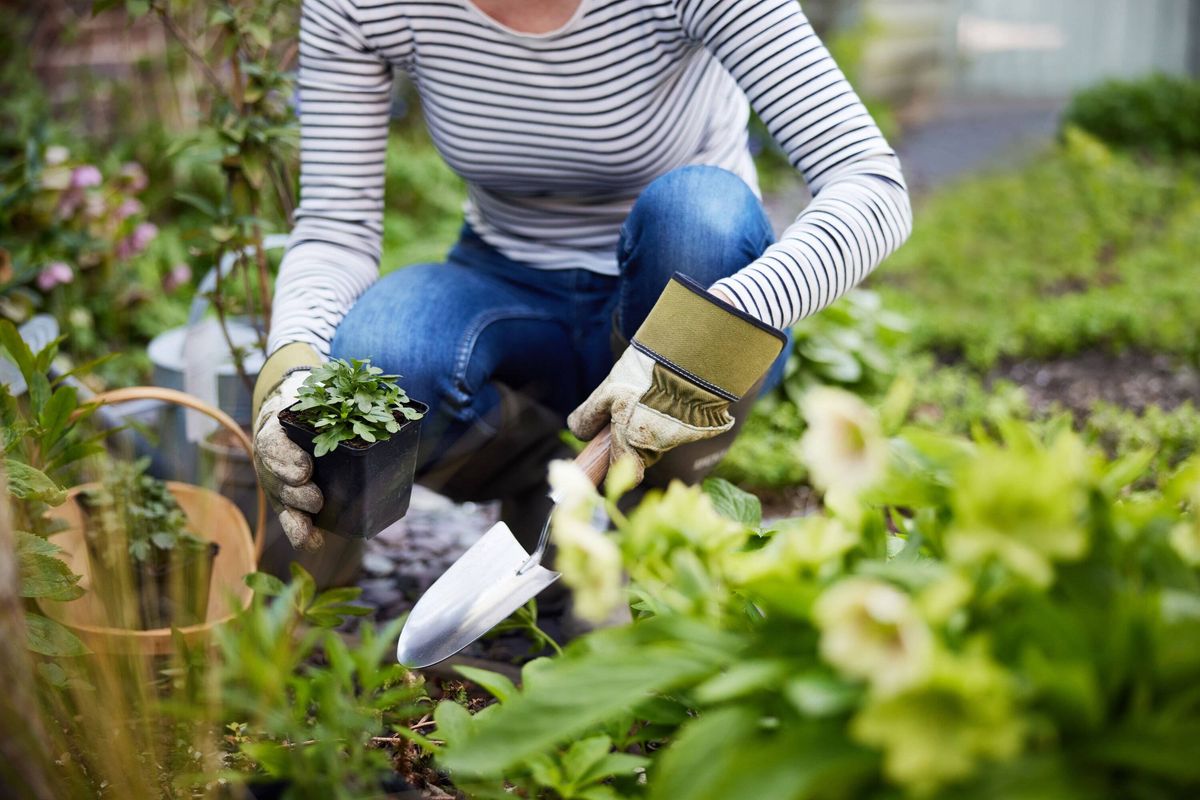
Five brilliant ways to use white vinegar in the garden – from killing weeds to deterring ants(Image: Getty)
Clean patios
This natural remedy can eliminate dirt and algae from patios when mixed with water at a 1:1 ratio.
Simply apply the solution to the surface, leave it to soak for 30 to 60 minutes, then scrub thoroughly with a stiff brush and rinse off.
Bear in mind that some patios may not be suitable for white vinegar and could be damaged by it, so it is worth checking whether your patio material can handle it beforehand.
Cleaning gardening tools
To clean gardening tools, combine white vinegar and water in a 1:1 ratio and use the mixture to tackle rust, helping to reduce soil-borne diseases.
Soil acidifier
White vinegar can be utilised as a soil acidifier by adding two tablespoons of vinegar per one litre of water for plants that thrive in acidic conditions.
These include azaleas, blue hydrangeas and blueberries, but ensure it is applied to the soil rather than directly onto the plants themselves.
Comments are closed.