
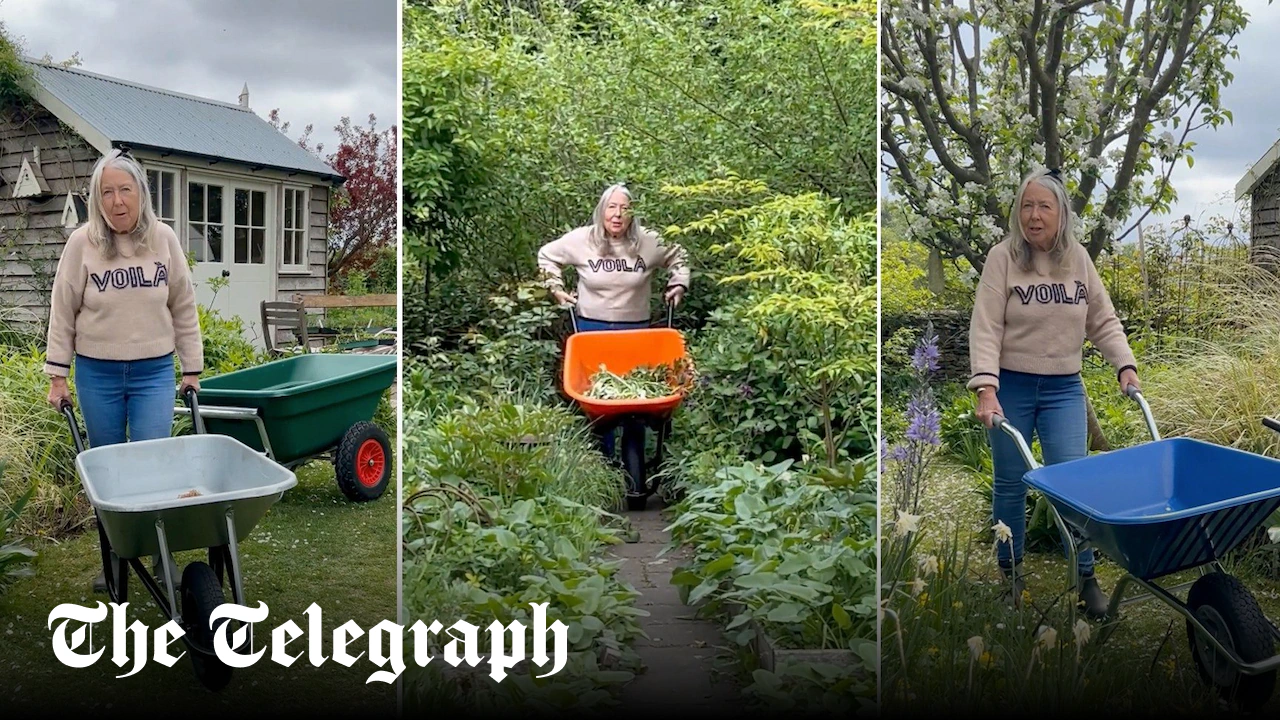
Every gardener needs a wheelbarrow, whether you’re collecting grass clippings, spreading garden compost, or moving large pots and tubs. Which wheelbarrow is best depends on the size of your garden, the width of the paths, your physical strength, your height and your budget.
VonHaus, Haemmerlin and County Clipper are still best known among gardeners, but there are enough brands on the market now that prices can range from just £35 to around £500. I tested 10, including one electric wheelbarrow, to help you find the right choice for you and your garden. You can find my full reviews below, along with answers to your FAQs, and information on how to choose the best wheelbarrow for you.
The best wheelbarrows: At a glance
The traditional one-wheeled barrow can turn on a sixpence, but the width and depth of the tray varies. They are less stable when loaded, too, while two-wheelers are sturdy and can’t be tipped over, but they are harder to get round corners. Traditional builders’ barrows tend to have wide shallow trays positioned close to the ground, so they can struggle on narrower paths.
Then you have to consider materials. The more expensive wheelbarrows have trays made from light, tough polymers, such as polyethylene, and they’re likely to outlast galvanised barrows. When it comes to choosing tyres, they can vary from resilient metal through to plastic, while those with a traditional pneumatic tyre are generally easier to push than a solid puncture-proof tyre.
Finally, some barrows come ready-assembled, but others arrive in large boxes and some are more of a challenge than others, as I found out. Be sure to find a sheltered position in your garden to store your barrow, upended so it doesn’t collect water. And when you’ve found the right wheelbarrow, we’ve also found the best garden forks, long-handled weeding tools, and secateurs to help you get set for the gardening season ahead.
How we test wheelbarrows
Comments are closed.