
 2 min read
If you fertilize the right plants now, you’ll set your garden up for bigger blooms, stronger growth, and a much healthier season ahead. We asked Master Gardener Rhonda Fleming Hayes, author of Garden for Life: Strategies for Easier, Greener, More Joyful Gardening as We Age and the Substack The Garden Buzz, which plants benefit most from a spring feeding—and exactly what to use to get the best results.
Whether you want to go the organic route with manure or compost or use synthetic fertilizer, the first step is to better understand the dirt you’re working with. “Do a soil test every few years; it’s the best way to know what nutrients are present or lacking in your soil,” she says. “Most county extension offices (find yours here) provide this service for a small fee. You’ll save time and money—and plants—with this valuable information.”
Fertilize these six plants now and you’ll be rewarded with piles of blooms and lush foliage.
Broadleaf Evergreens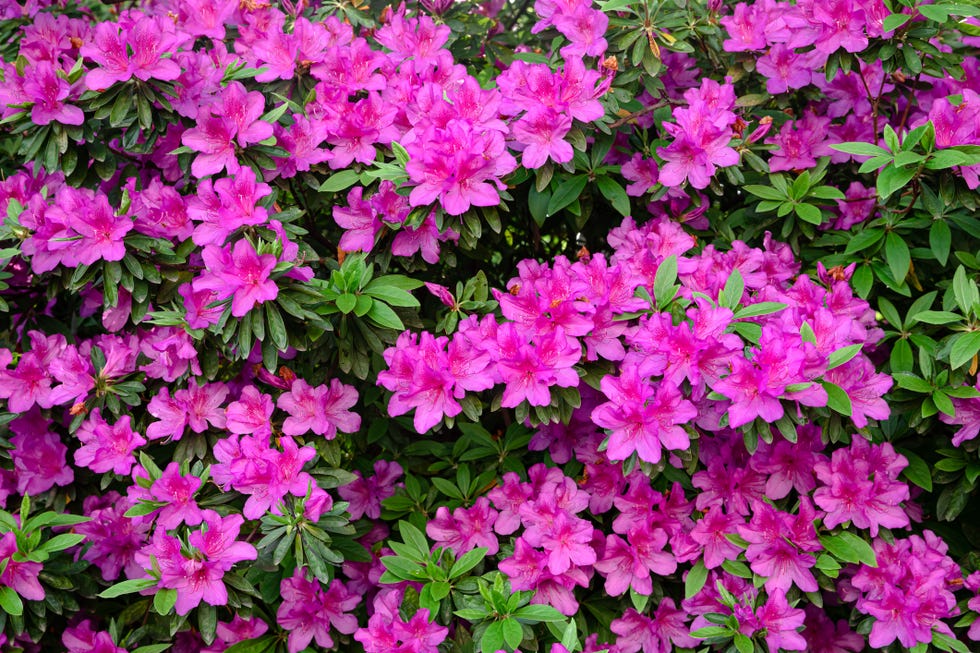
somnuk krobkum//Getty Images
One of the showiest signs of spring, broadleaf evergreens like rhododendron and azaleas are known for their gorgeous flowers. After putting on such a show, Hayes says these beauties benefit from a slow-release fertilizer that is formulated for acid-loving plants in the springtime.
Roses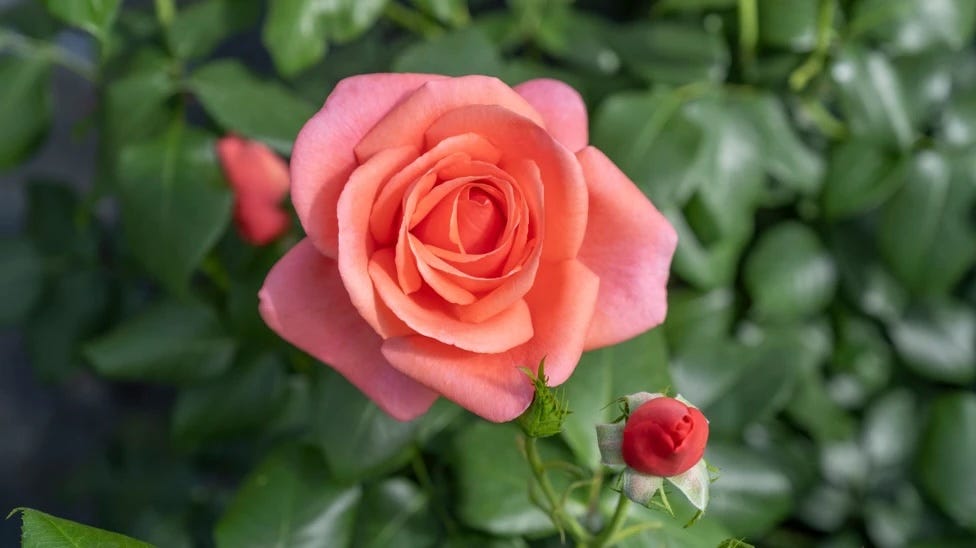
Courtesy of RHS
Your rose bushes might not have flowers yet, but now is the time to plan ahead for the summer. For the best blooms, Hayes recommends an all-purpose fertilizer right now, followed by a slow-release type to carry them through the rest of the season. “Don’t ask me to name a favorite rose, there are too many, but I’m a big fan of ‘Zepherine Drouhin’, a thornless pink climber that literally perfumes the air around it,” Hayes says.
Fruit trees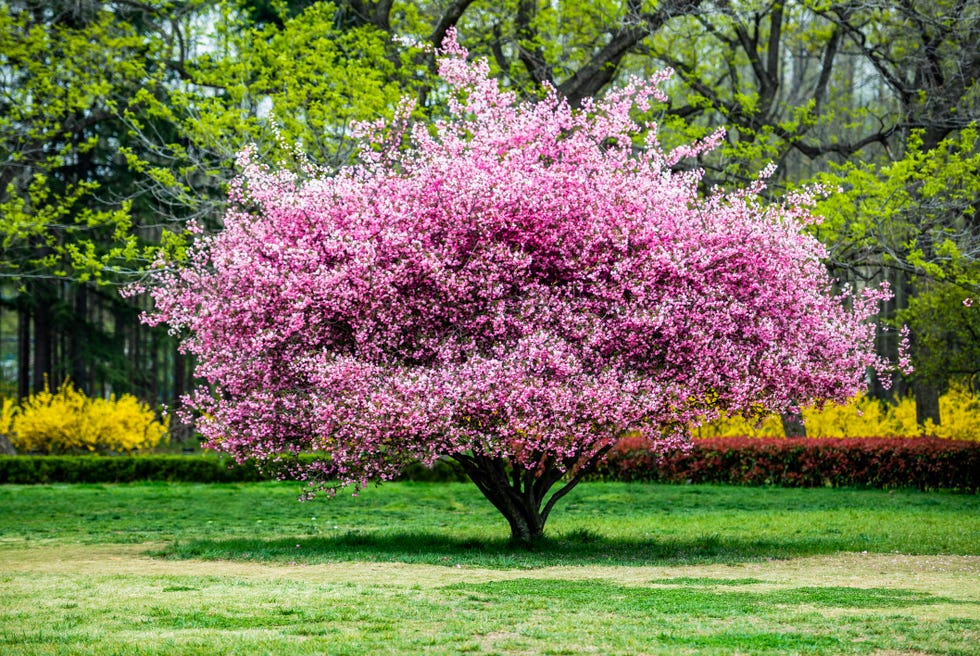
Cheunghyo//Getty Images
“These hard-working trees appreciate a slow-release fertilizer to boost their spectacular blooms that herald spring,” says Hayes. “Also, a dressing of manure or organic compost for healthy soil provides long-term benefits.” Happy fruit trees mean happy pollinators as well. “Fruit trees and crabapples are a boon to bees looking for early-season nectar sources, and in turn pollinate the flowers for an abundant harvest,” she adds.
Daylilies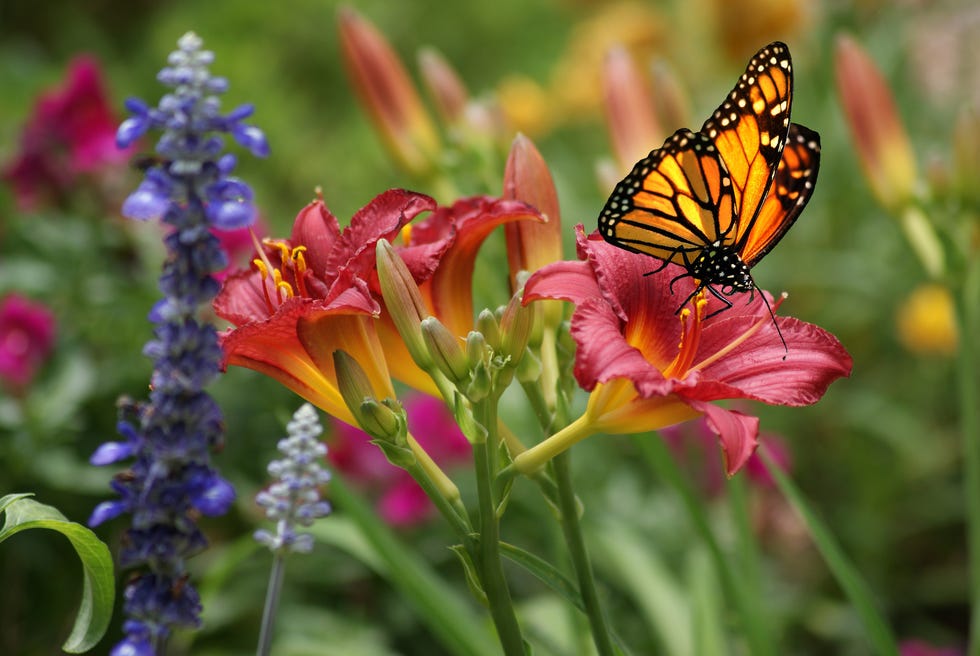
The Photography Factory//Getty Images
Daylilies are a beautiful addition to your garden, and they come back year after year. As they start to appear in the springtime, you can get the most blooms for your buck by adding a little fertilizer. Hayes says, “You’ll want to strike a balance with these daily bloomers, they don’t need a lot of fertilizer but if you have more foliage than flowers, they may need a boost.”
Boxwood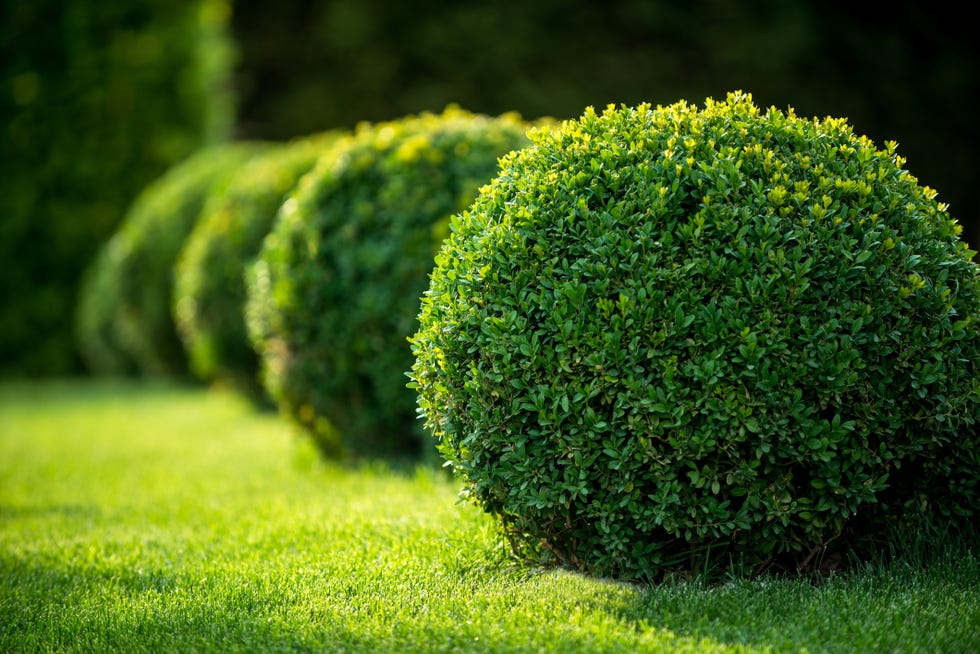
Yarphoto//Getty Images
These evergreen shrubs may be fairly low-maintenance (unless you prefer them in an unnatural shape), but they can still benefit from a boost of nutrients. “They need a balanced, neutral fertilizer to enhance fresh green growth,” Hayes says. “I love using boxwoods for shape and structure around my looser, native plantings.”
Vegetables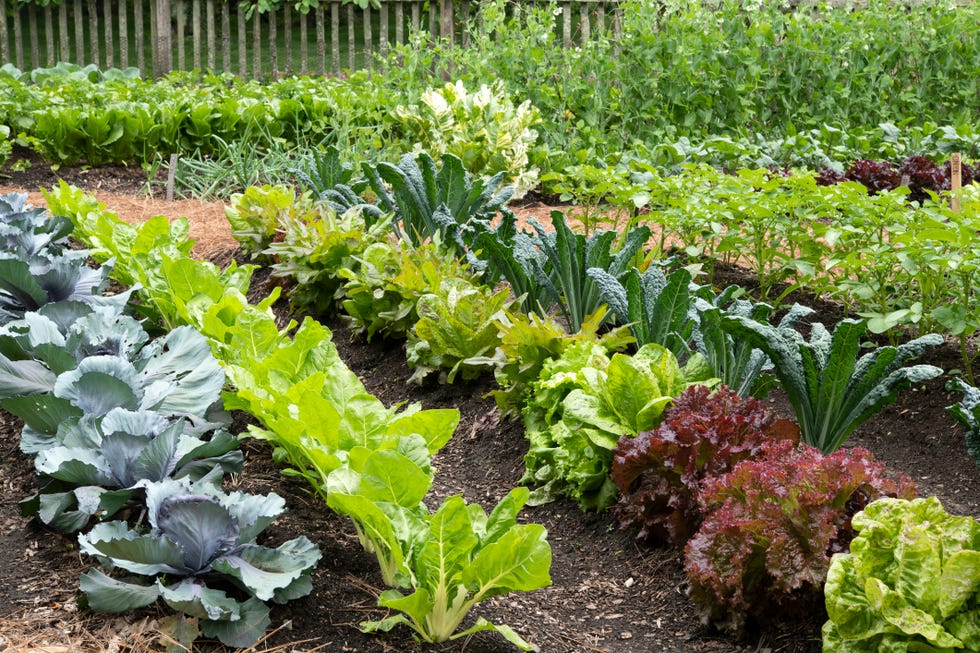
aimintang//Getty Images
“Cool-season veggies are hungry plants,” says Hayes. “Once they are established, feed them with a liquid fertilizer. Try 10-10-10 for leafy greens like kale, chard, and spinach, and 5-10-10 for blooming/fruiting types like broccoli, peas, and cauliflower.”
Comments are closed.