
Spring lawn care is crucial for achieving a healthy, green lawn by summer, with a gardening expert sharing the simple task that will help it thrive
Ellen Jenne Senior U35 Spare Time Writer
14:41, 16 Apr 2026
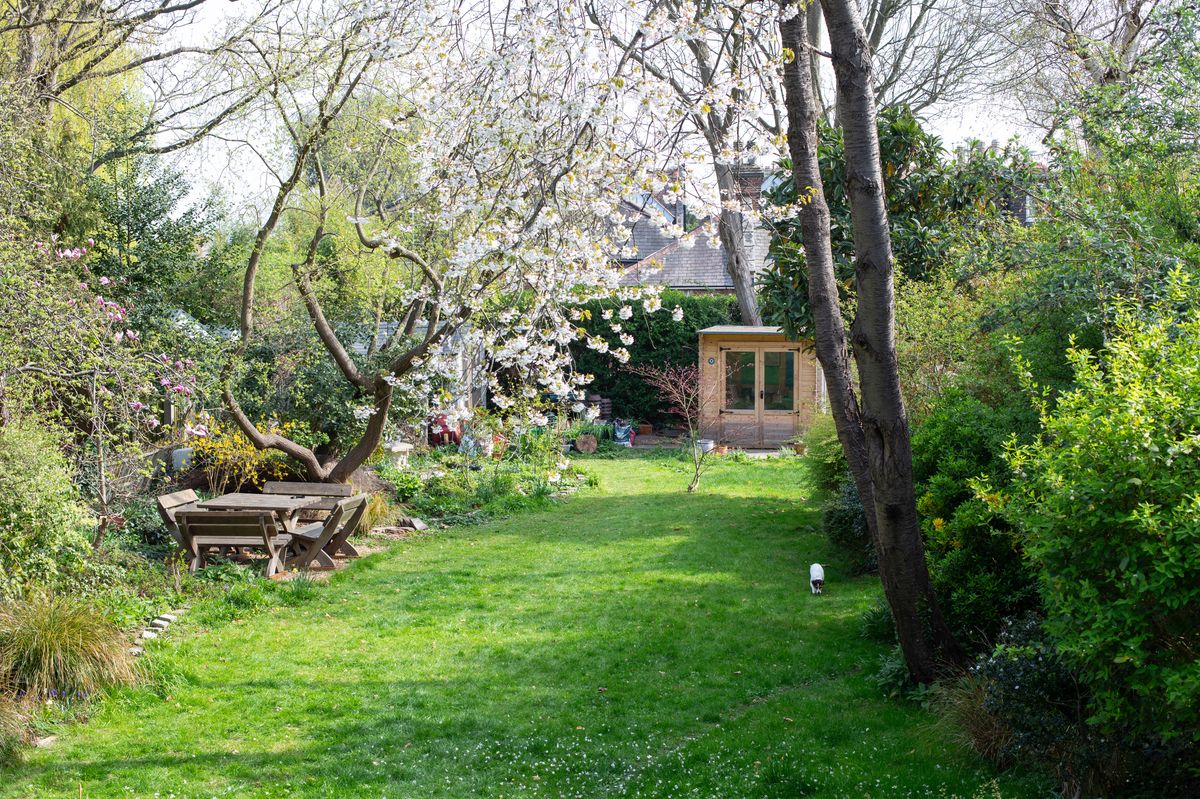
A gorgeous lawn in summer starts with what you do now
As gardeners put the finishing touches to their outdoor spaces ahead of a stunning late spring and summer display, it’s worth remembering that lawn care is just as crucial as tending to plants and flowers at this time of year.
Gardening expert and TikTok creator Michael Griffiths has urged fellow gardeners to aerate their lawns during spring. Doing so allows air, water and essential nutrients to penetrate deep into the roots, promoting a lusher, healthier lawn in the months ahead.
All that’s required for the job is a standard garden fork. Simply drive the fork into the ground to a depth of around four to five inches across the lawn.
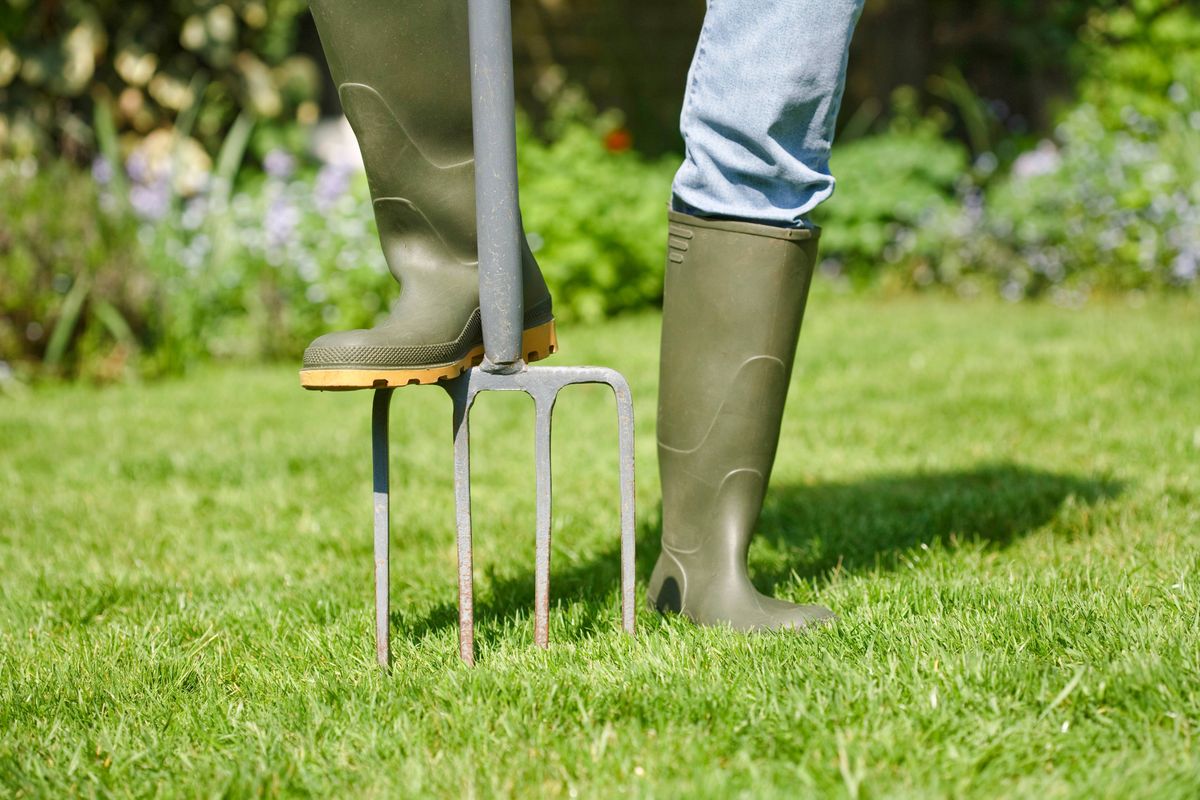
You want to make sure the holes are four to five inches deep(Image: Getty Images)
Plunge the fork into the soil, then pull it back without fully removing it from the ground. Michael recommends repeating this process at intervals of every six inches across the entire lawn.
Once aeration is complete, you can either leave the holes as they are or fill them with horticultural sand to improve drainage. In a previous video, Michael also suggested adding grass seed at this stage.
It’s worth noting that the appropriate lawn feed – whether summer or autumn – will vary depending on the time of year you carry out the aeration, reports the Mirror.
When selecting an autumn lawn feed, bear in mind that synthetic fertilisers are resource-intensive to produce and can have a detrimental impact on the environment during their manufacture.
Lawn aeration involves perforating the soil with holes to enable air, water, and nutrients to penetrate the grass roots, easing compaction and boosting root health.
To aerate effectively, use a core aerator, spike aerator, or a garden fork, ensuring the soil is sufficiently moist beforehand.
Content cannot be displayed without consent
Aerating your lawn encourages deeper root growth, reduces thatch build-up, and strengthens the lawn’s resilience against drought and disease. B&Q recommends giving your lawn a thorough watering to help the soil retain moisture, adding that the optimum time to aerate is one to two days after rainfall, while the ground remains moist.
Given the unpredictable nature of spring weather, it is advisable to avoid aerating after heavy downpours, as the ground may become waterlogged.
The Royal Horticultural Society recommends applying fertiliser ahead of forecast rainfall. Should rain fail to materialise, however, it is important to water the lawn manually.
Spring also presents an ideal opportunity to scarify your lawn and clear any residual thatch. Scarifying is a lawn care technique that uses mechanical blades or tines to cut through and extract a dense layer of thatch – comprising dead grass, roots, and organic matter – from the surface of the lawn.
By thinning and removing this layer, airflow is improved and water and nutrients are better able to penetrate the soil, ultimately enhancing the overall health of your lawn.
Comments are closed.