
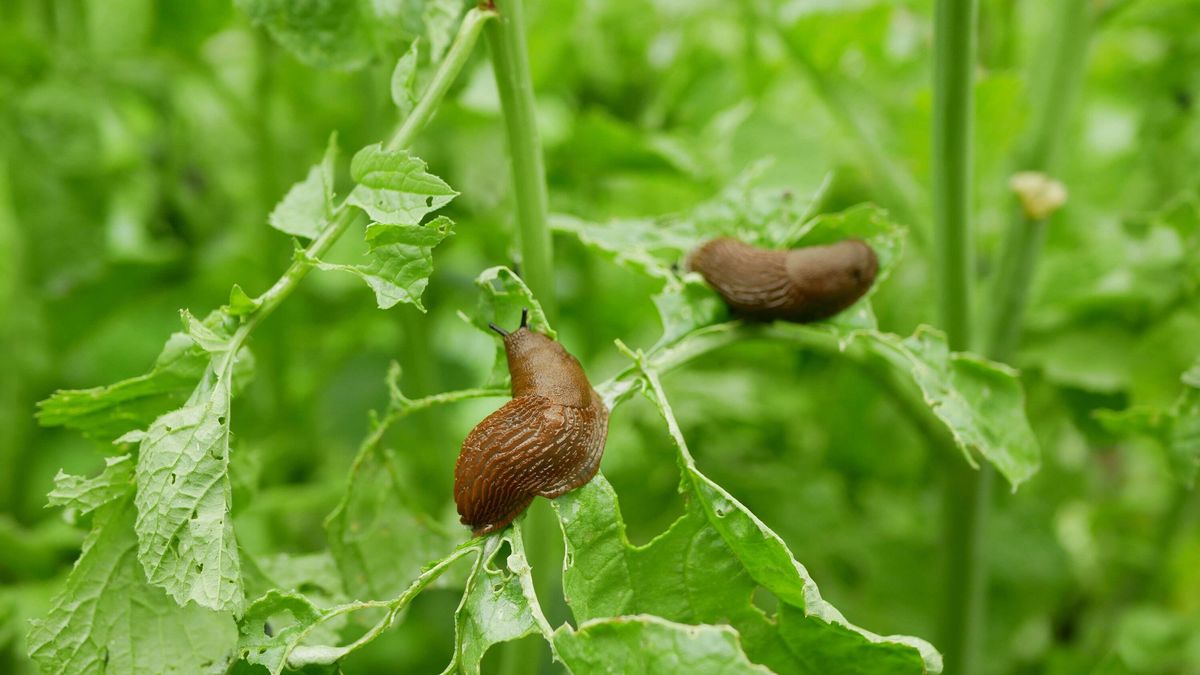
Slugs can be a real nuisance in the garden, but there are several safe and effective organic slug deterrents to protect your plants and prevent damage without resorting to harmful chemicals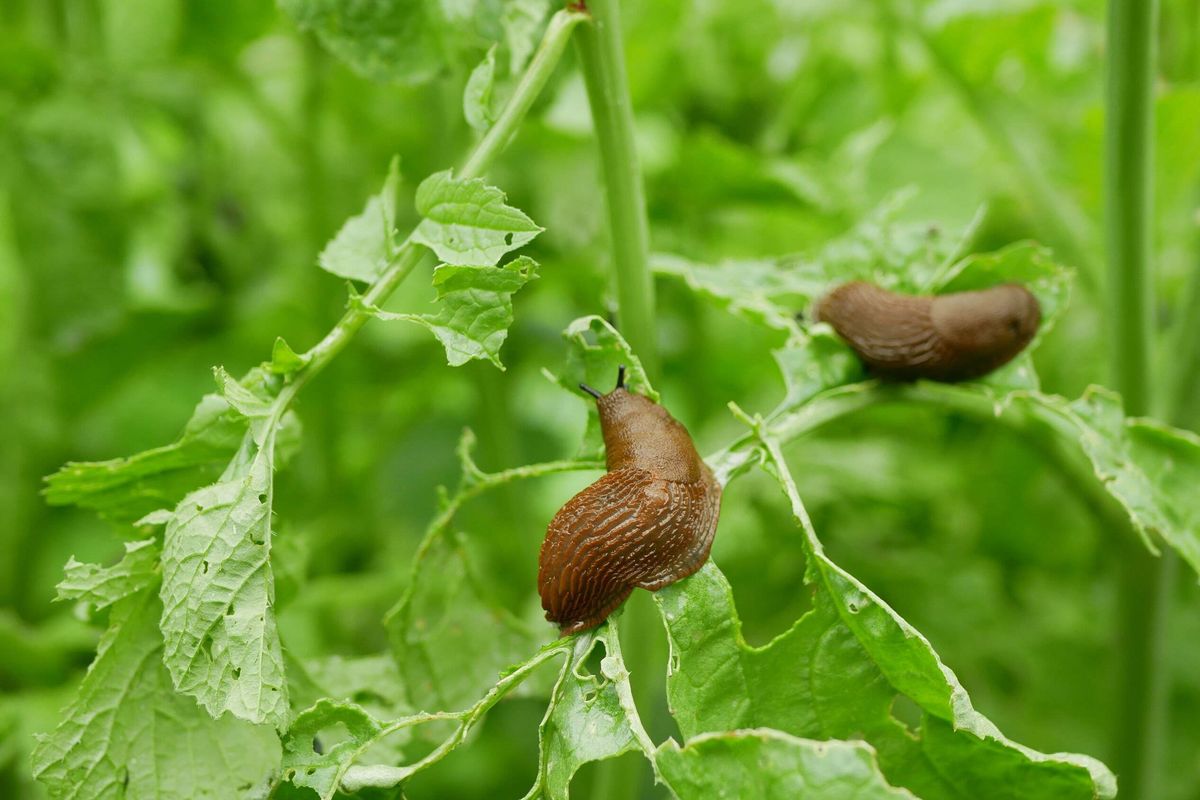
Keep slugs out of your garden by making one change to watering plants(Image: Getty)
Every gardener dreads the ongoing battle with slugs causing chaos in their lovingly maintained plots and hampering plant development – but there’s a simple remedy to ward them off.
What renders slugs such a pest is their appetite for devouring cherished plants under cover of darkness, chomping holes through foliage, stems, blooms, potatoes, and practically everything else you grow.
That’s without even considering the unappealing silvery slime tracks they deposit behind them.
While many gardeners automatically turn to slug pellets to tackle these nuisances, there exists a considerably safer and more thoughtful method – for both the slugs and your plants – which might save your garden from their destruction.
Throughout spring, these slimy pests are especially common, as the season heralds plentiful new growth and, from their viewpoint, a renewed food source.
On occasion, they can prove useful by feeding on dead and decomposing plant material, so it might be worthwhile identifying the 40 distinct species if you’re keen to do so, reports Wales Online.
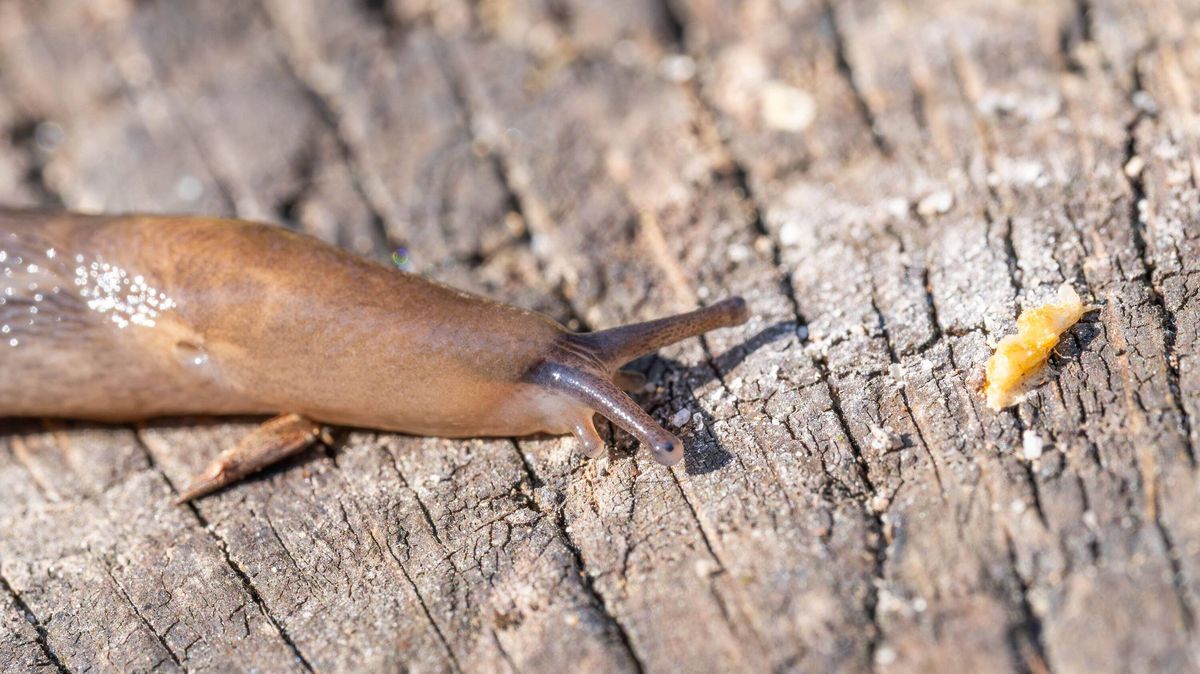
Slugs can cause havoc in gardens(Image: Getty)
The most successful technique for repelling slugs involves merely changing when you water your plants.
According to specialists at Gardeners’ World, watering first thing in the morning permits the soil to dry adequately by nightfall, creating conditions considerably less appealing for slugs.
Given that slugs are mainly active after dark, moist earth can effectively serve as a highway linking your garden plants.
Watering at the earliest opportunity makes your flower beds significantly less attractive and more difficult for them to traverse.
Another method employs biological controls featuring tiny nematodes, eliminating the requirement for aggressive chemicals altogether – these function by infecting slugs with bacteria that eventually proves fatal.
Irrigating the ground during evening hours when temperatures are mild and humidity is high from springtime onwards can continue working for as long as six weeks.
Several treatments across the growing period will be necessary to sustain results. This approach isn’t suitable for addressing an entire garden, so concentrating on key zones like vegetable plots is the most logical way to implement this strategy.

Water your plants in the morning to keep slugs away(Image: Getty)
Additional slug deterrent methods
Based on feedback from Gardeners’ World readers, the most popular method for managing slugs is hand-picking, gathering them from foliage into a container filled with salted water.
The best moment for this activity is once darkness falls – throughout those prolonged summer evenings, slugs are at their peak activity levels.
To make this job easier, certain gardeners purposefully create a ‘slug corner’, establishing a dim, shadowy location in their plot filled with materials that draw in these pests.
Whether it’s ageing produce, foliage, dried cat food, oats or bran, these molluscs generally congregate to eat after dark, offering an ideal window to capture them.
Copper can serve as an exceptionally successful deterrent when positioned within your containers, as these garden pests seem to receive a slight electrical jolt when they come into contact with the metal.
Installing copper rings around your most susceptible vegetation, and embedding them deeply into the earth, can help stop slugs from accessing them even from beneath the surface.
An alternative strategy involves establishing a physical obstacle using substances that slugs find unpleasant to navigate.
Coarse or spiky materials such as grit, stones, cat litter, bark and sawdust can be distributed around the plant base to discourage these creatures.
The disadvantage of this technique is that it needs regular replenishment, and studies have indicated that most slugs actually live within the earth rather than upon it.
Beer traps represent another commonly employed remedy, attracting slugs with the powerful scent of the beverage.
The most successful method for installing one involves burying a vessel containing beer into the earth, keeping the upper portion visible above ground level for slugs to locate.
Gardeners’ World suggests positioning a loosely-fitted cover over the trap, though, to stop other tiny animals from inadvertently tumbling in.
While the traps require regular inspection, emptying and replenishing, they prove most effective when placed around the perimeter or boundaries of the vegetable bed or container you’re aiming to safeguard.
Comments are closed.