
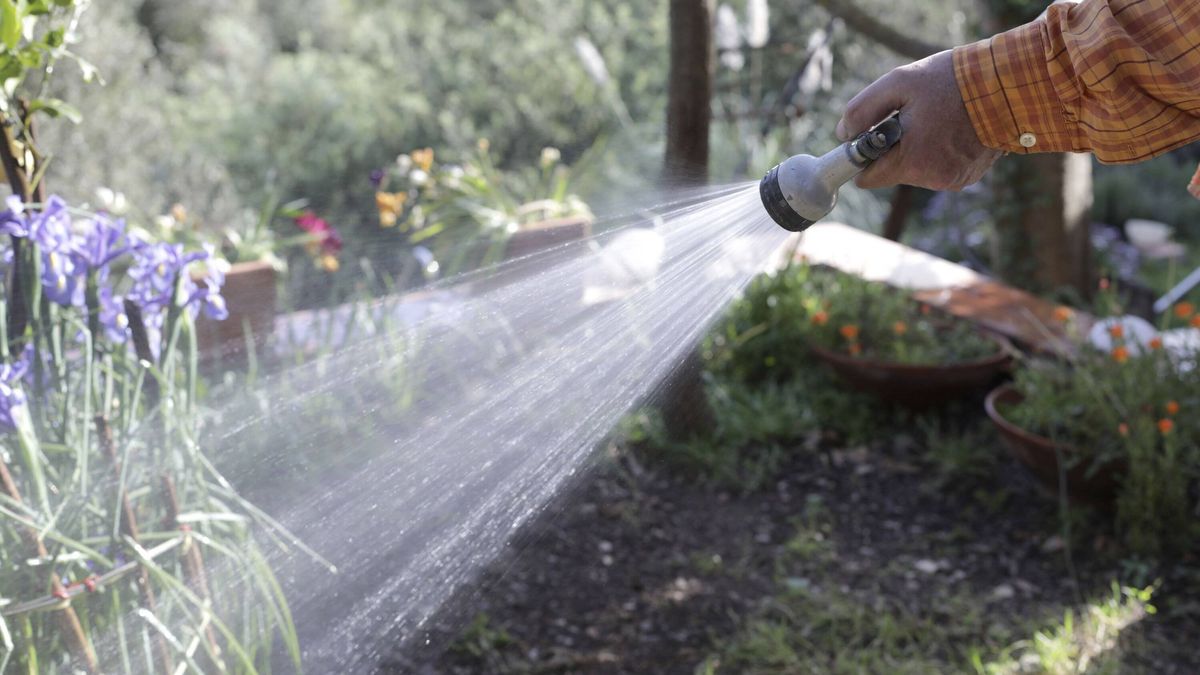
Slugs are rife in spring as the weather warms up, but watering your plants at a specific time of day can help protect them from these garden pests
There are chemical-free ways to repel slugs(Image: Getty)
Every gardener’s biggest frustration is troublesome slugs interfering with their hard work and hampering their plants’ development, yet there’s a straightforward solution to stop them.
What makes slugs particularly annoying is their appetite for destroying cherished plants – they can devour foliage overnight and create holes in leaves, stems, flowers, potatoes, and virtually anything you cultivate. Additionally, they frequently leave behind silvery slime trails.
While many believe slug pellets are the standard method for eliminating these pests, there’s a considerably safer and more humane approach for both slugs and your plants that can help protect your garden.
During spring, the slimy creatures are abundant, as it’s a crucial period for new growth and, from their perspective, fresh food supplies.
Occasionally, they can prove useful by eating your dead and decaying plants, so it’s worth distinguishing between the 40 different slug species if you’re interested.

There are over 40 types of slugs in the UK(Image: Getty)
The simplest method to prevent slugs relates to when you water your plants. According to Gardeners’ World experts, watering plants first thing in the morning means the soil will likely have dried by evening and, consequently, repel slugs.
Slugs are most active during nighttime, and damp soil can sometimes serve as a motorway for slugs travelling between plants. Therefore, by completing the task as early as possible, you can make your flowerbeds and plants less attractive and harder to reach.
Another approach involves watering with biological controls containing microscopic nematodes, avoiding harsh chemicals entirely – this will infect slugs with bacteria and ultimately kill them.
Watering the soil during evenings when it’s warm and moist from spring onwards can remain effective for up to six weeks.
Multiple applications throughout the growing season will be necessary to ensure success. However, treating your entire garden with this method isn’t practical, so focusing on priority areas such as vegetable patches is the most sensible way to utilise this technique.
Alternative methods for deterring slugs
According to Gardeners’ World readers, the most favoured approach for dealing with slugs is manual removal, plucking them from plants with a bucket of salt water prepared.
The ideal time for this would be after nightfall – during those extended summer evenings, it’s their peak activity period.
To simplify this task, some gardeners create a deliberate ‘slug trap’, a dark and shaded section of their garden containing something to lure the slugs.
Whether it’s old vegetables, leaves, dried cat food, oats or bran, they’ll typically gather for a nocturnal feast, providing the perfect opportunity to catch them.
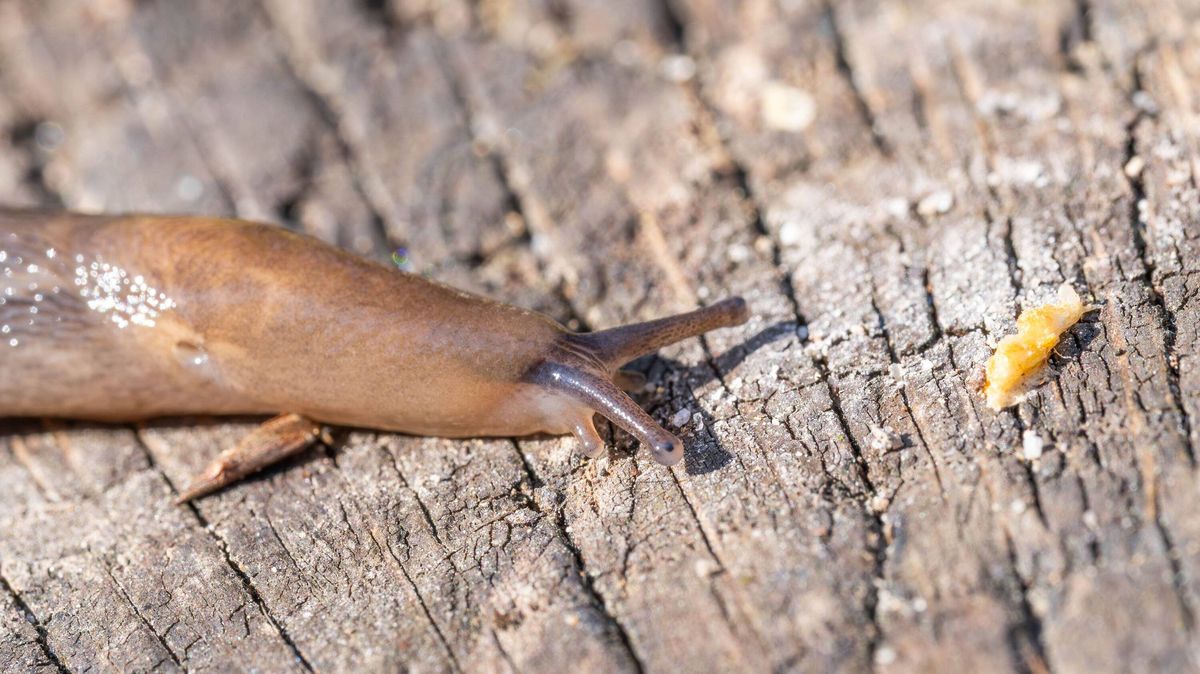
Slugs are a particular problem in spring(Image: Getty)
Within your planters, copper can be a highly effective slug deterrent, as the pests appear to experience something akin to an ‘electric shock’ upon contact with it.
Place copper rings around your most slug-vulnerable plants and ensure they’re buried deep enough, as slugs can reach plants from underground.
Another method of stopping them from destroying your plants is to create a barrier using materials they find sharp or uncomfortable to cross. Suitable options include grit, stones, cat litter, bark and sawdust, positioned around the base of your plants.
The drawback to this approach is that it will need topping up regularly, and some research suggests that most slugs actually live within the soil rather than on the surface.
Beer traps are another widely used technique, luring slugs in with the potent aroma of the drink. The most effective approach is to sink a can of beer or a beer-filled container into the ground, leaving the top half exposed above soil level for slugs to discover.
Gardeners’ World recommends placing a loose lid over the trap, however, to prevent other small creatures from accidentally falling in.
While it requires frequent checking, emptying and refilling, the trap works best when positioned along the edge or border of the vegetable patch or planter you’re looking to protect.
Comments are closed.