
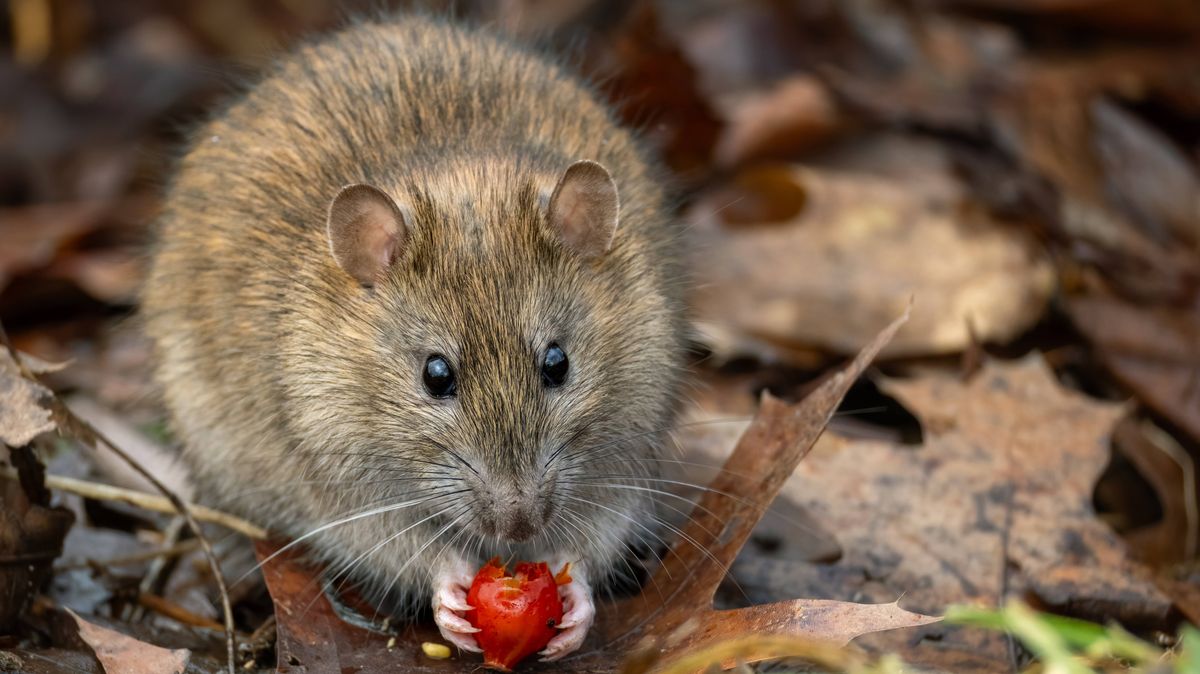
Garden expert Alan Titchmarsh has shared simple tips to help stop rats from settling into your outside space, including one change that makes a huge difference
Mia O’Hare Senior Spare Time Journalist and Isobel Pankhurst Audience Writer
09:11, 15 Apr 2026
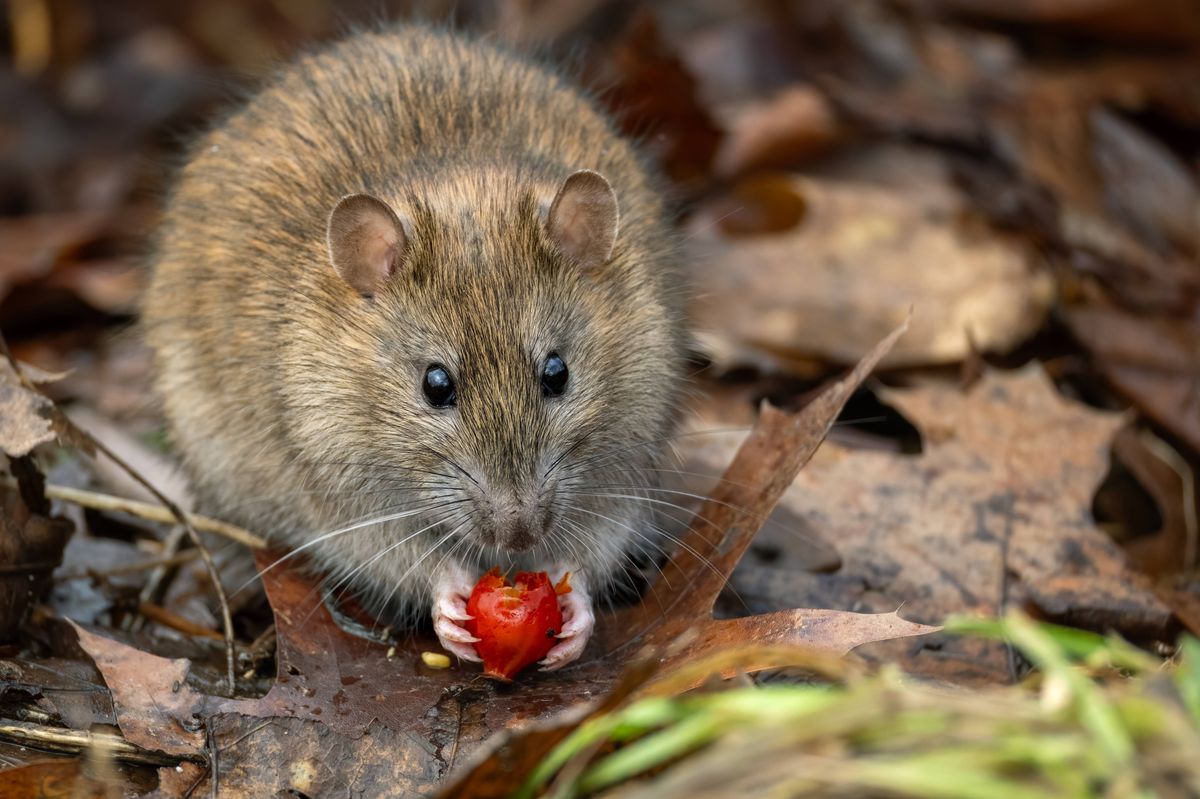
Rats won’t come into your garden if you make one change(Image: Andyworks via Getty Images)
Rats pose a persistent nuisance in gardens throughout the UK, leaving many homeowners scratching their heads over effective removal methods. Renowned gardening authority Alan Titchmarsh has offered his expert advice on preventing these rodents from making themselves at home in your outdoor areas.
The current season proves particularly favourable for rats, coinciding with peak breeding periods. Additionally, they’re actively seeking sustenance and refuge, viewing our gardens as perfect havens for both requirements.
Fortunately, a single straightforward adjustment can render your garden far less appealing to these unwanted visitors. Alan advises keeping lawns well-trimmed, eliminating potential hiding spots for the creatures.
Speaking in a BBC Gardeners’ World Magazine video, he explained: “Rats are furtive. They like cover and shelter. They do not like close-mown grass where they can be seen. They much prefer it longer.”
Maintaining a regular grass-cutting routine can prove remarkably effective in deterring rats from entering your garden. Alan continued: “If you have got long grass everywhere, that gives them access.
“Cut it short, have a stripe or two if you want, and that way you can see, no rats.”
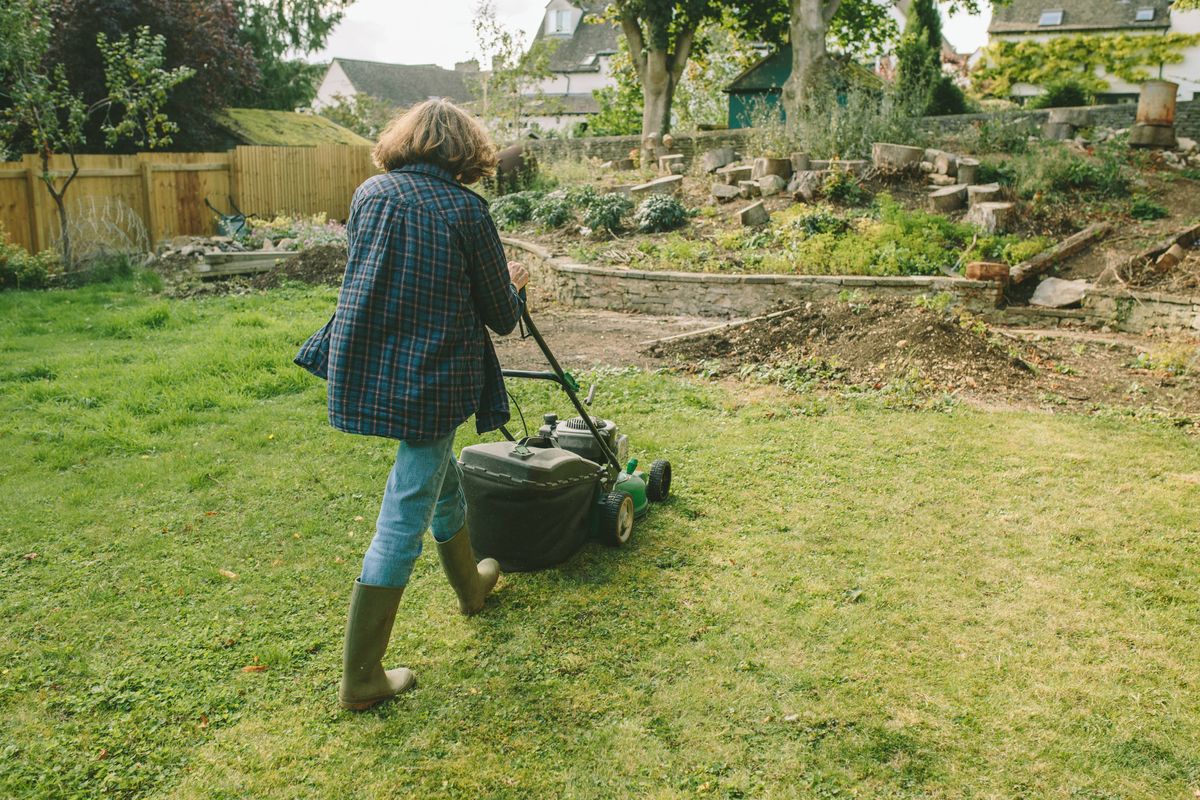
Keep your grass short to stop rats coming into your garden(Image: Iuliia Bondar via Getty Images)
The gardening specialist has previously highlighted another preventative measure – exercising caution when positioning bird feeders around your property.
Alan noted: “Most gardeners, myself included, love encouraging garden birds, so bird feeders are everywhere in this garden. But, they can also be a magnet for rats.”
To prevent this issue, Alan recommended relocating bird feeders to the centre of your lawn, explaining that rats are reluctant to cross open spaces. He advised keeping feeders well away from bushes, hedges or walls.
Compost heaps can also prove irresistible to rats if not properly maintained. According to Alan, these should be robust structures with minimal gaps. His own compost heap is constructed from solid wood with steel sheeting lining the inside.
He said: “Hopefully that goes right down to the ground. They can burrow underneath it, but I am really reducing their ability to get in with ease. That’s a start, make the heap with good, strong sides.”
Alan stressed the importance of being selective about compost materials.
He added: “Don’t put processed food, anything you have cooked, any meat, any potatoes. Don’t do that because it’s just an absolute open invitation for rats.”
As an alternative, Alan recommends adding mouldy apples, which decompose rapidly, along with any green clippings from the garden.
Comments are closed.