
Ask the Experts: Identifying Celosia Flowers
 Courtesy Dannie Calk
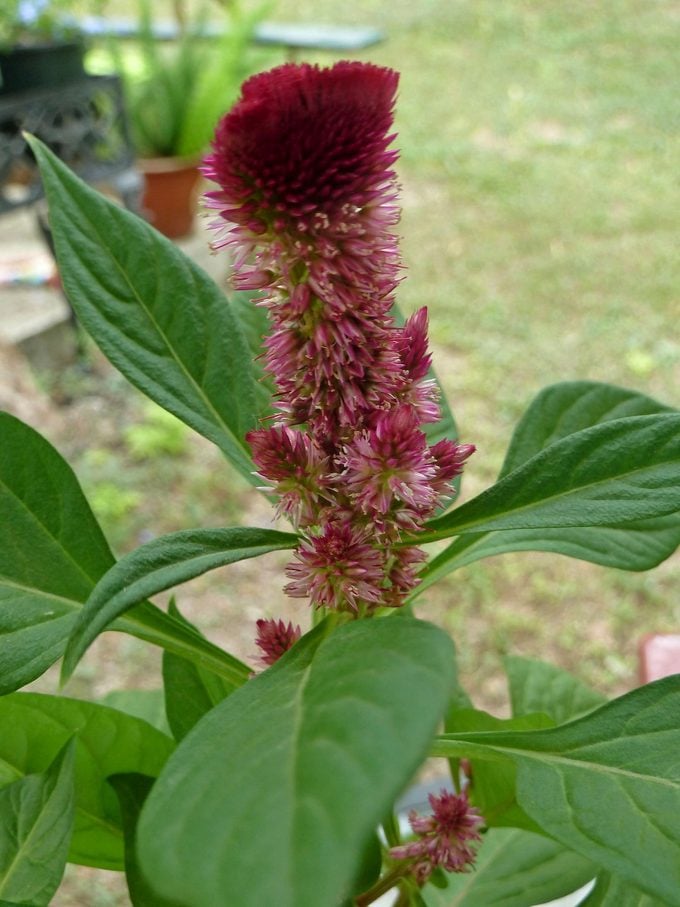
“A couple of years ago a friend gave me this plant. At one point I thought it was dead, but it bloomed! What is this plant and how should I maintain it?” asks Birds & Blooms reader Dannie Calk.
Horticultural expert Melinda Myers says, “The unusual blooms are a helpful identification clue. Your mystery plant is a celosia. Hardy in Zones 9 and 10, most of us grow this heat- and drought-tolerant plant as an annual. It often reseeds, though the offspring of cultivars do not always resemble the original plant. Grow celosia in full sun and water it thoroughly when the top few inches of soil start to dry. The blooms make lovely fresh and dried cut flowers.”
Celosia Care and Growing Guide
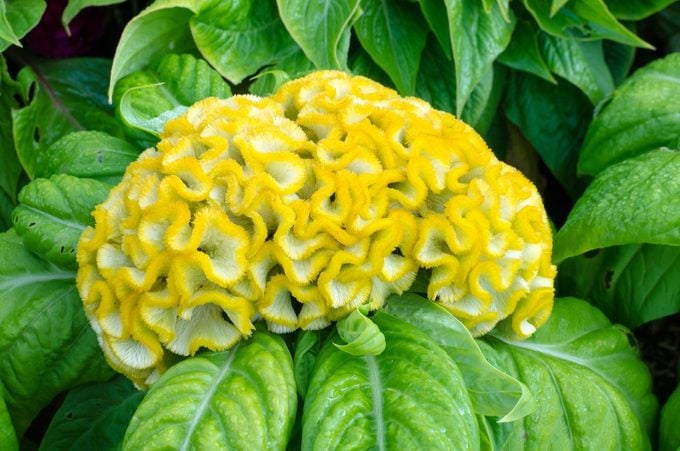 nop16/ShutterstockSome celosia flowers grow in the shape of a brain!
Common name: Cock’s comb, cockscomb, woolflower
Scientific name: Celosia spp.
Growing zones: 9 and 10, annual elsewhere
Light needs: Full sun
Size: 6 inches to 3 feet, depending on variety
As Melinda mentions, celosia — also known as cock’s comb, cockscomb, and woolflower — grows best in full sun and in well-draining soil. This flower is generally pest- and problem-free, and it does well in droughts and heat waves.
Water only when the first inch or two of soil has gone dry. Overwatering can cause issues; it doesn’t like wet, waterlogged soil and won’t grow well in heavy clay.
Types of Celosia Flowers
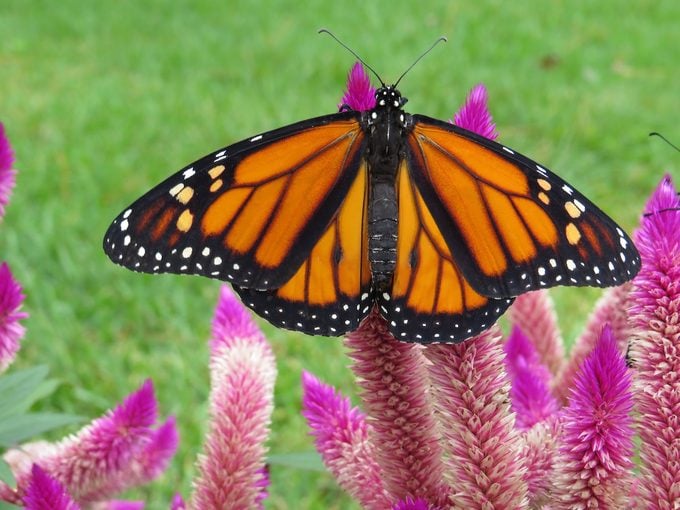 Courtesy Diana PengitoreMonarch butterfly on C. spicata
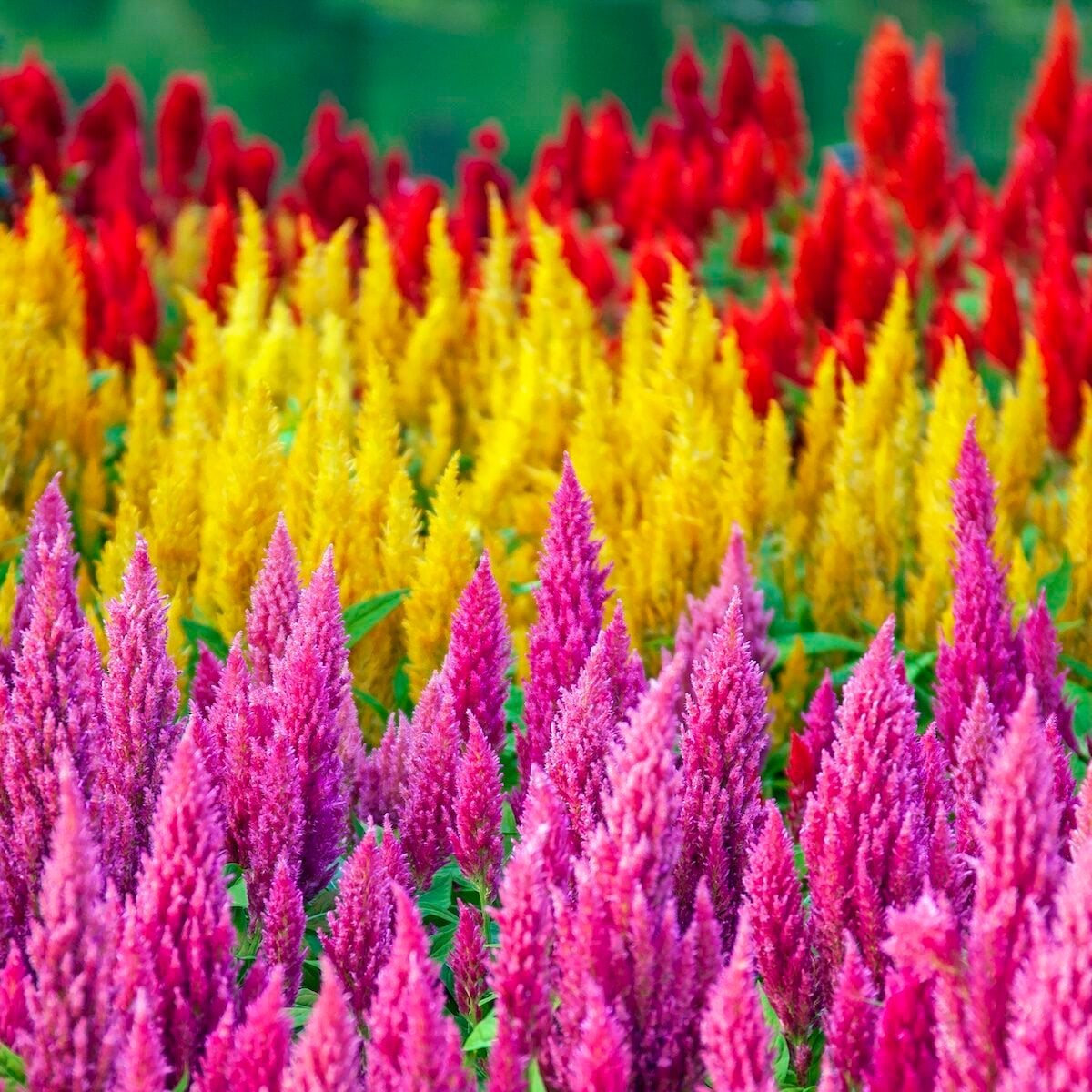
Three different types of celosia appear on garden center shelves. Known as plumosa, cristata, and spicata, they offer differing flower styles. The flowers of plumosa resemble plumes; cristata, brains; and spicata, spikes. Gardeners can locate these plants in many colors, including orange, purple, maroon, and white.
Pollinator Benefits
Many gardeners enjoy this plant for its lengthy growing season. It blooms from late spring through fall, and it usually sticks around until the season’s first frost. Butterflies, bees, and pollinators enjoy these annual flowers, including monarch butterflies.
Are the Plants Poisonous to People or Pets?
Technically, celosia is edible to humans, although the leaves of mature plants are often bitter and unpleasant for consumption. While eating it won’t result in harm to people or pets, gardeners looking to plant an edible flower garden should opt for tastier plants.
About the Expert
Melinda Myers is the official gardening expert for Birds & Blooms. She is a TV/radio host, author and columnist who has written more than 20 gardening books. Melinda earned a master’s degree in horticulture from the University of Wisconsin-Madison.
Comments are closed.