
 3 min read
If you plant the right flowers now, you’ll have a garden full of color, blooms, and pollinators all summer long. We asked Master Gardener Rhonda Fleming Hayes, author of the new book Garden for Life: Strategies for Easier, Greener, More Joyful Gardening as We Age and the Substack The Garden Buzz, which plants to get in the ground this spring—and these six picks are easy to grow, thrive in heat, and deliver big results.
Zinnias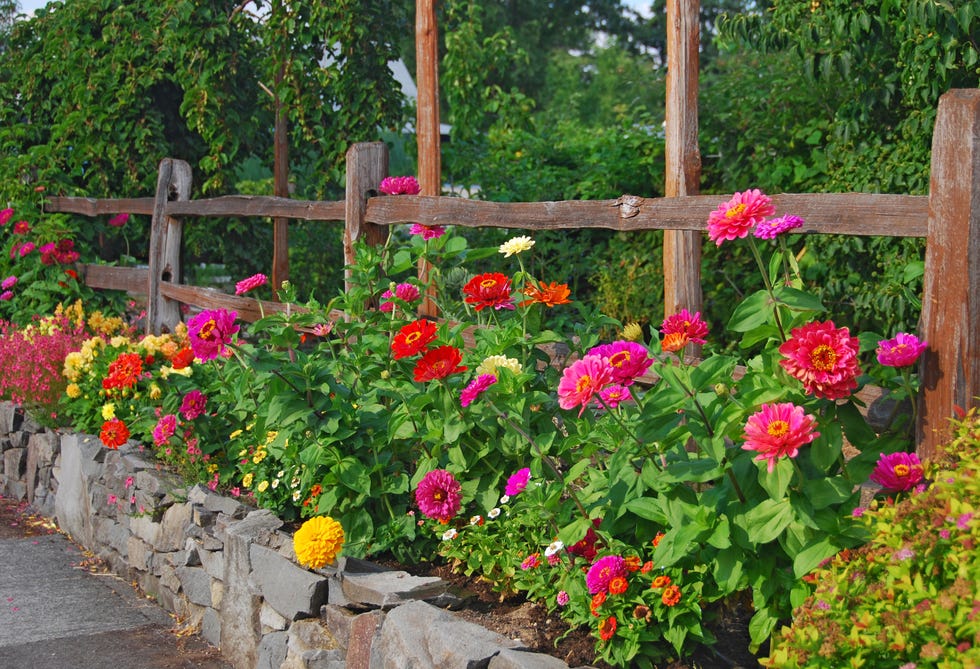
Steve Terrill//Getty Images
Hayes calls these plants “cheap and cheerful” because they are easy to grow from seed and come in so many colors, shapes, and sizes. “Look for seed collections in single shades or multi-colored mixes,” she says. “You can’t go wrong with staples like ‘State Fair’ or ‘Benary’s Giant’. I’m partial to ‘Moulin Rouge’ from Renee’s Seeds that features a variety of reds—it’s what I call a trifecta plant; it attracts bees, butterflies, and hummingbirds, sometimes all at once!”
Zinnias also make beautiful cut flowers. Just make sure they pass the “wiggle test” before you harvest them.
Salvias
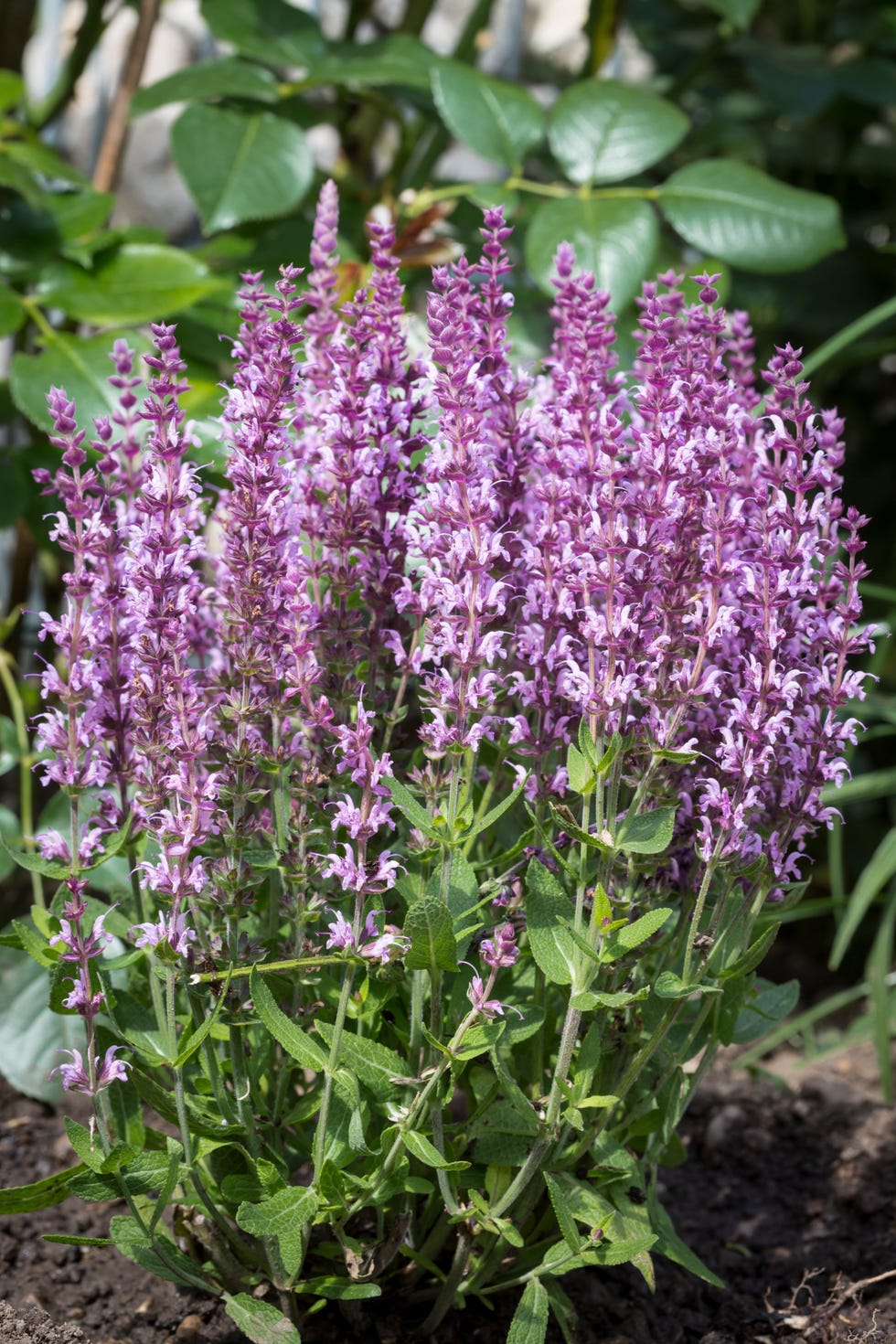
These low-maintenance plants can thrive in hot weather and less-than-ideal soil. Plus, there are tons of colors to choose from.
HaraldBiebel//Getty Images
When choosing which type of salvia to plant, Hayes advises, “Skip the short bedding plants and go for the tall, tropical types with the striking spires of purple (‘Amistad’), blue (‘Black and Blue’), peach (‘Ember’s Wish’), and magenta (‘Mulberry Jam’), to name just a few.”
Hydrangeas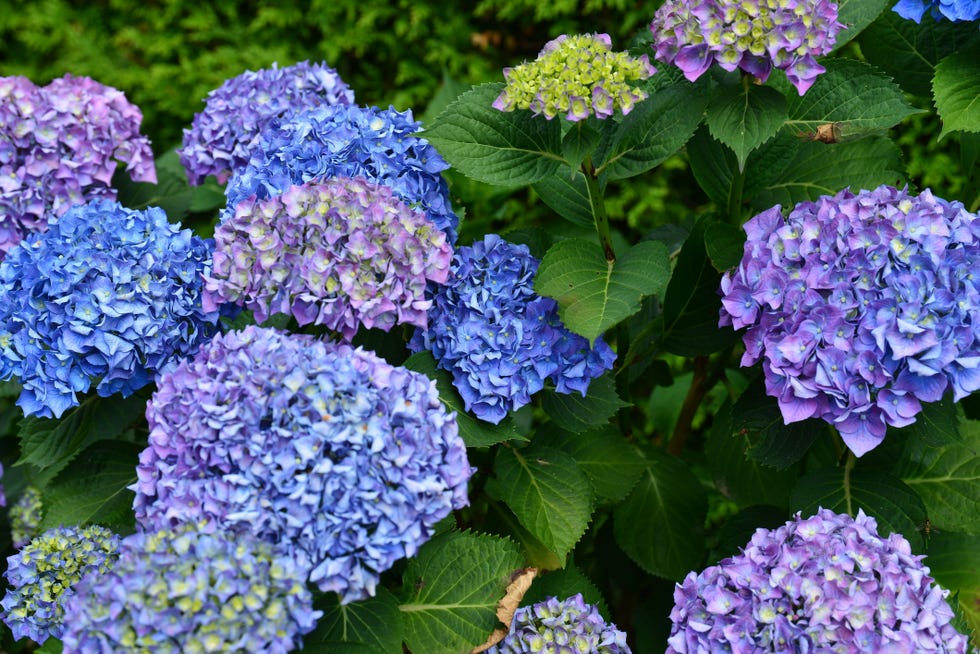
Wirestock//Getty Images
“There’s a hydrangea for every size, site, and situation,” says Hayes. “They add old-fashioned romance to any landscape.” And once established, they’ll give you armfuls of fluffy flowers for summer arrangements. Hayes recommends new varieties like the low-maintenance ‘Bubble Bath’ or dramatic ‘Eclipse’. “For a larger scale look, native Oakleaf Hydrangeas offer distinctive foliage and large white, pyramidal white flowers that age to blushy pink,” she says.
Coneflowers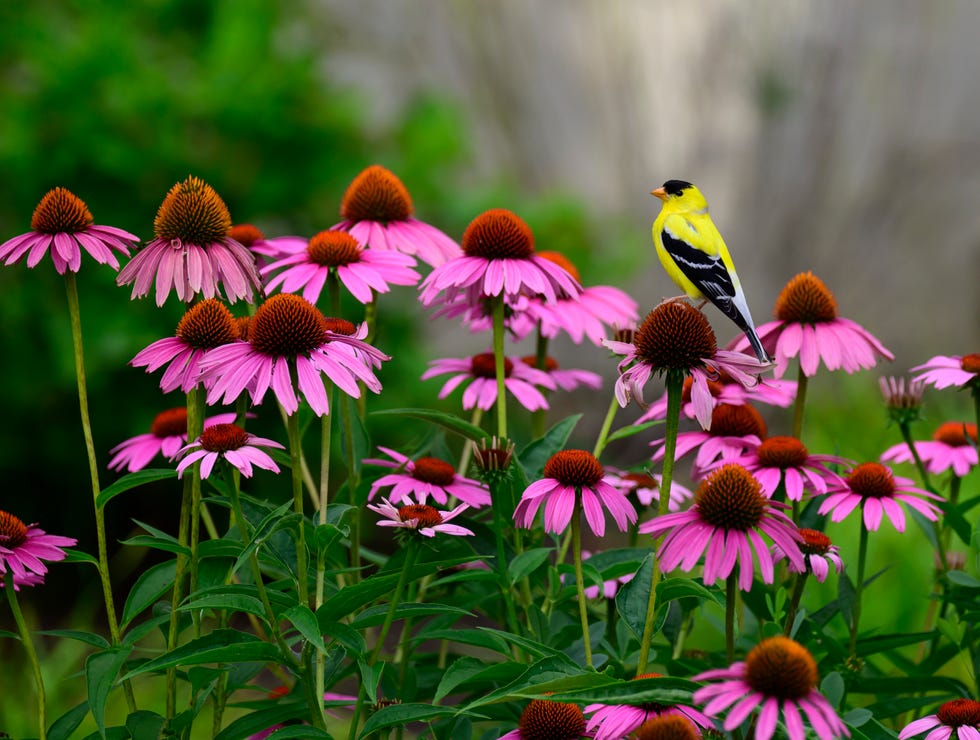
photo by Bill Koplitz//Getty Images
Hayes says these long-blooming native plants will be right at home in a prairie garden or in beds. Most people are familiar with the type of coneflower that has pink-purple petals and a domed center (also called echinacea), but there are so many cultivars to choose from including double and bicolor petals. Expect late summer flowers that can last into fall, depending on where you live.
Blazing Star (or Liatris)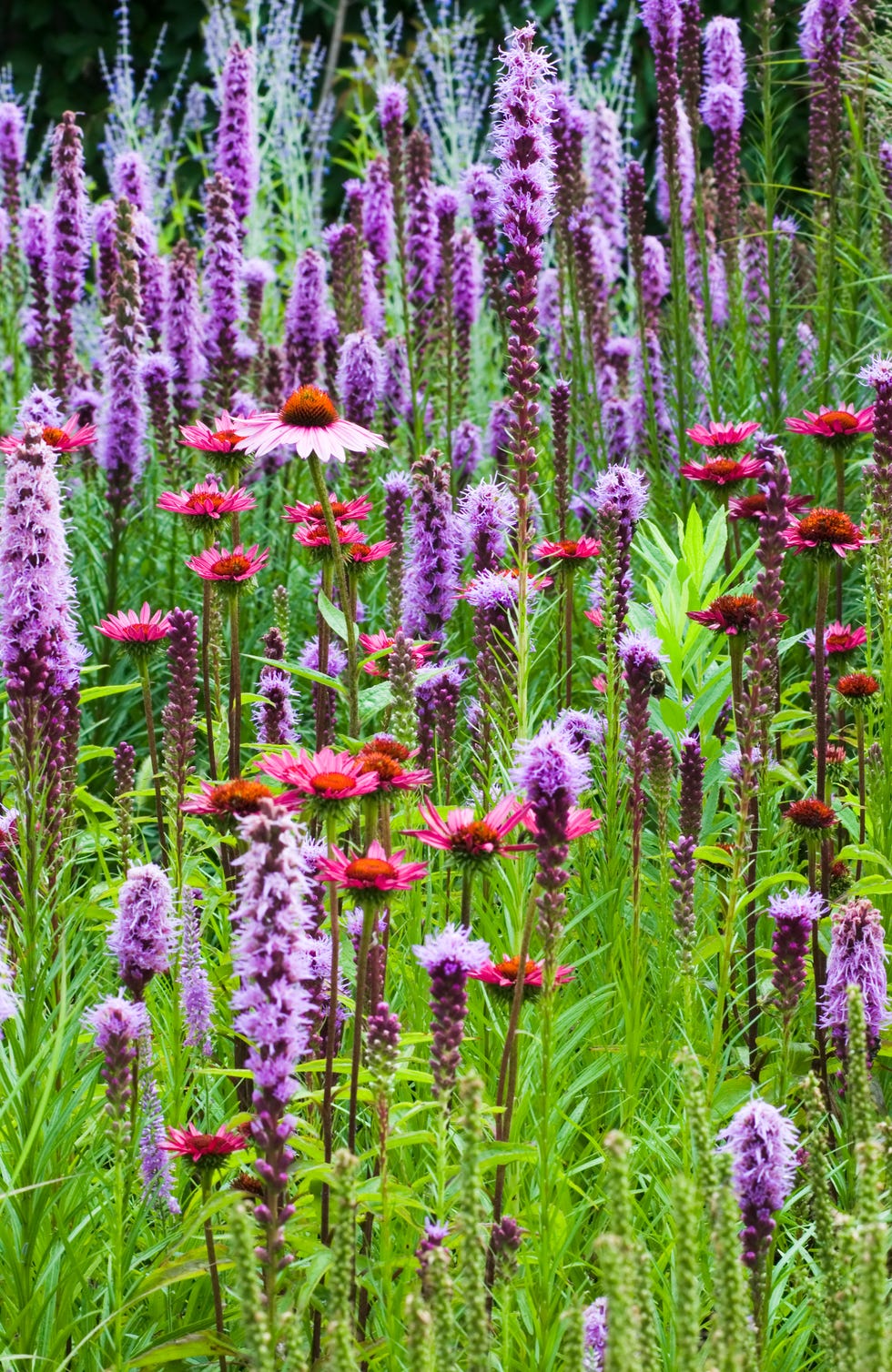
AlpamayoPhoto//Getty Images
These tall, spiky perennials with fuzzy violet blooms almost look like sparklers. Hayes calls them “punctuation points” for your garden bed, and likes pairing them with coneflowers. She adds, “Native varieties like Meadow Blazing Star (Liatris ligulistylis) and Rough Blazing Star (Liatris aspera) will bring all the monarch butterflies to your yard.”
Dahlias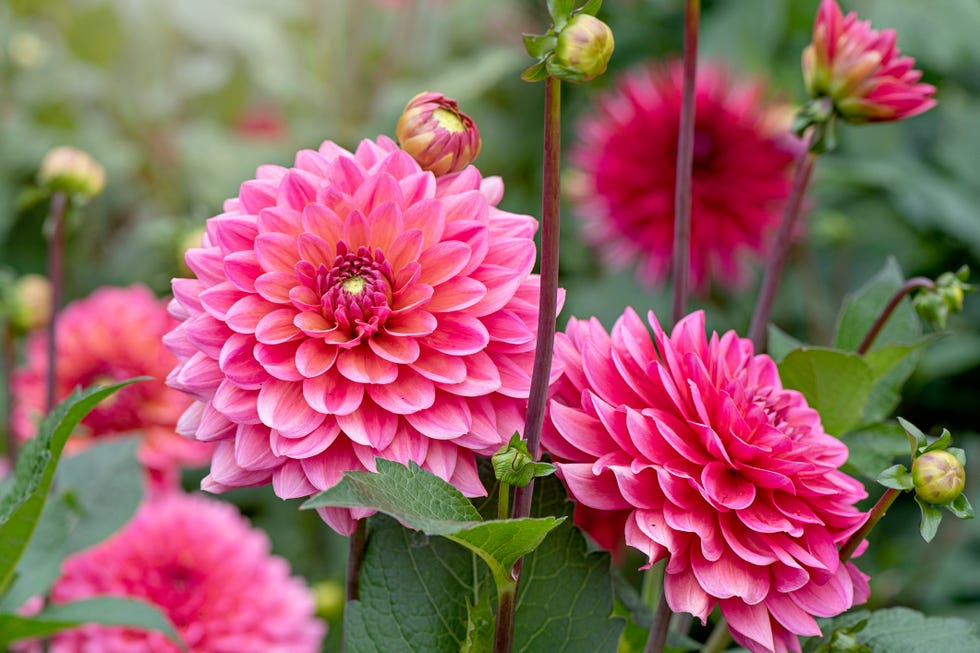
Jacky Parker Photography
Dahlias have a reputation of being difficult to grow at home, but they’re easier to maintain than you might think, and now is the best time to plant them. Hayes says, “Start them from tubers or buy them as potted plants ready to go; the hardest part will be choosing from the hundreds of colors and forms.” Give them full sun and well-drained soil, and they’ll reward you with plenty of flowers for making your own bouquets. They’ll bloom through the first frost, at which point they’ll die back. Then you can dig up and save the tubers for next year.
Comments are closed.