
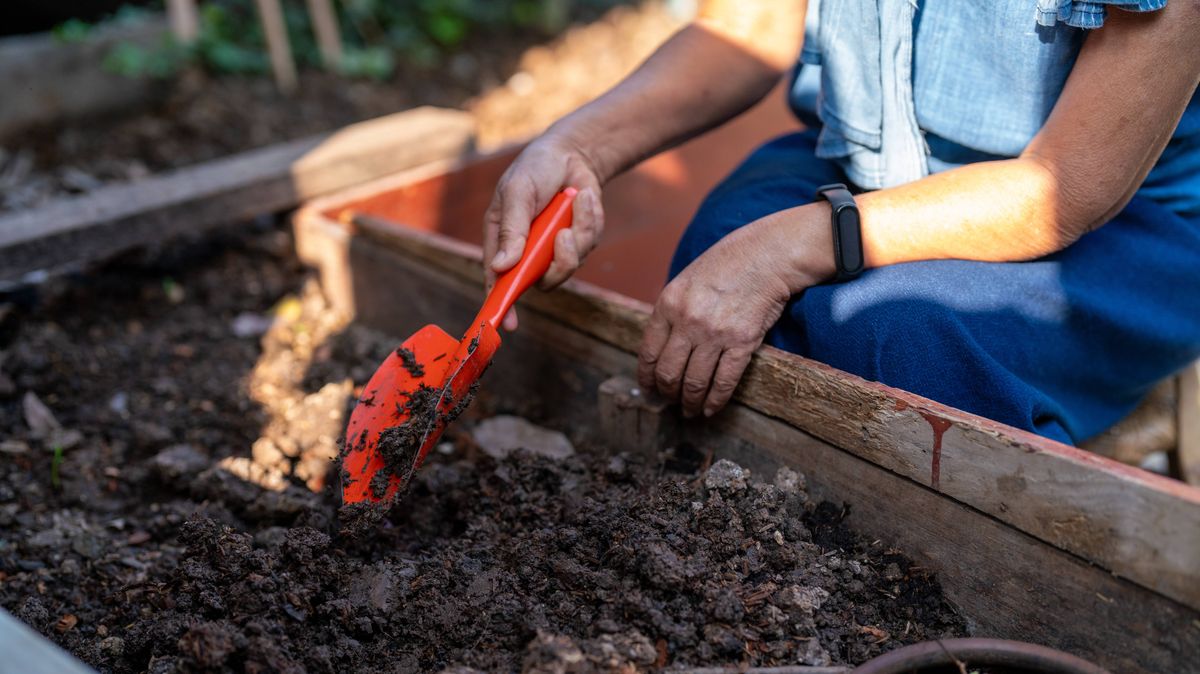
Gardening expert Simon Akeroyd has shared a simple free task for April that will help keep your garden sustainable and save money on expensive compost for years to come
Alice Sjöberg Social News Reporter
14:28, 14 Apr 2026
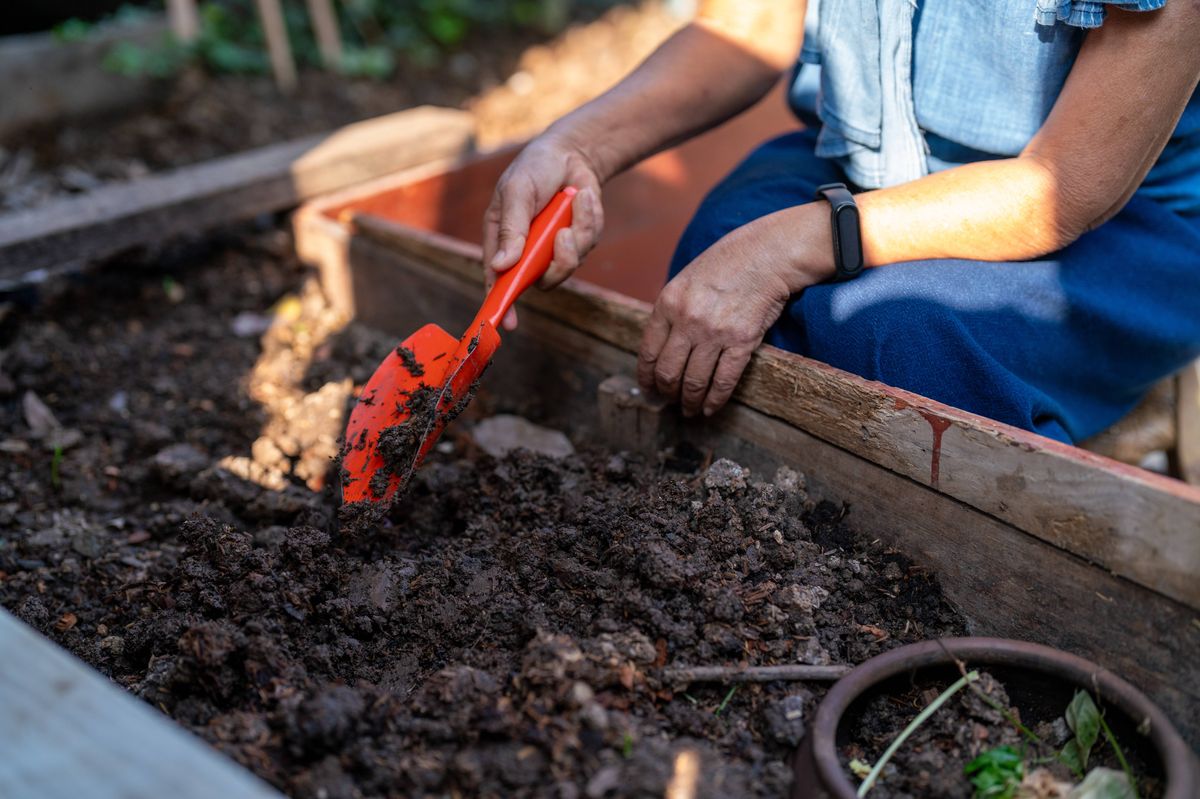
Doing a simple task now will provide you with cheap compost for years to come (stock image)(Image: wera Rodsawang via Getty Images)
As temperatures begin to rise, now is the ideal time to get your garden ready for the summer months, whether that involves tidying up shrubs or sowing plants you’ve been looking forward to growing.
However, gardening expert and author of Grow Your Own Groceries, Simon Akeroyd, has urged all home gardeners to complete one additional task this April, which will help keep your garden sustainable throughout the process – and it won’t cost you a single penny. Many will know that good compost and soil are essential ingredients for a thriving, attractive garden, yet purchasing quality compost can quickly become costly. By following Simon’s straightforward steps, however, you can enjoy top-quality compost entirely free of charge.
“The single most important thing when starting gardening… is to make beautiful compost,” Simon revealed in his TikTok video.
So why should you invest your time and energy into making your own compost? Simon explained that doing so will make your garden both sustainable and more cost-effective, eliminating the need to purchase compost from a garden centre or supermarket.
“Making beautiful compost is so easy,” he explained, before going on to share his top tips with fellow home gardeners.
How to make your own compostContent cannot be displayed without consent
His first recommendation is to construct your own compost bins using recycled free pallets. He arranged them in a U-shape, securing them together with wire, though strong string works equally well.
“It requires no DIY skills,” he declared. “Even I can do it.” Once your free compost bin is built, Simon recommends constructing a second one directly alongside it, simply by adding two more pallets to form another U shape on the opposite side of the first.
This allows you to use one bin for adding fresh compost material, while the other stores compost that is resting and breaking down.
“You’re not ready to add your magical ingredients,” Simon revealed, as he added a small bucket of kitchen waste, such as fruit and vegetable peelings.
Begin by laying down a layer of cardboard as the ‘floor’ of your compost bins, along with leaves and grass clippings. Then pile most of your garden waste on top.
According to the RHS, a 50:50 ratio of greens to browns, combined with heat, breaks down organic matter into nutrient-rich soil within 3-6 months. As the process progresses, you should turn your compost several times a year to introduce more air into the mixture and speed things along.
“Leave it to rot down and become beautiful compost,” Simon said.
The composting process can take anywhere between six months and two years to reach full maturity. Larger volumes of material tend to break down more efficiently, though smaller bins, while slower, should still yield good results.
Comments are closed.