
We live in a tech-obsessed world, but sometimes it’s worth remembering that simple, tried-and-tested tips and tricks are often the most effective, particularly when it comes to gardening.
While there may be exciting new garden gadgets launching all the time — from robot lawnmowers and data-collecting plant sensors to high-tech diagnostic tools — these retro gardening hacks offer simple, cost-effective and eco-friendly ways to give your garden a boost.
Nostalgic gardening is a big trend at the moment, with people leaning into the lived-in, slightly chaotic gardens they grew up in — and these simple tricks complement an old-school gardening style.
From mixing up soil-boosting concoctions from this morning’s coffee grounds to the famous eggshell hack for seedlings, these retro gardening tips offer simple solutions that actually work.
Use eggshells as planters for seedlings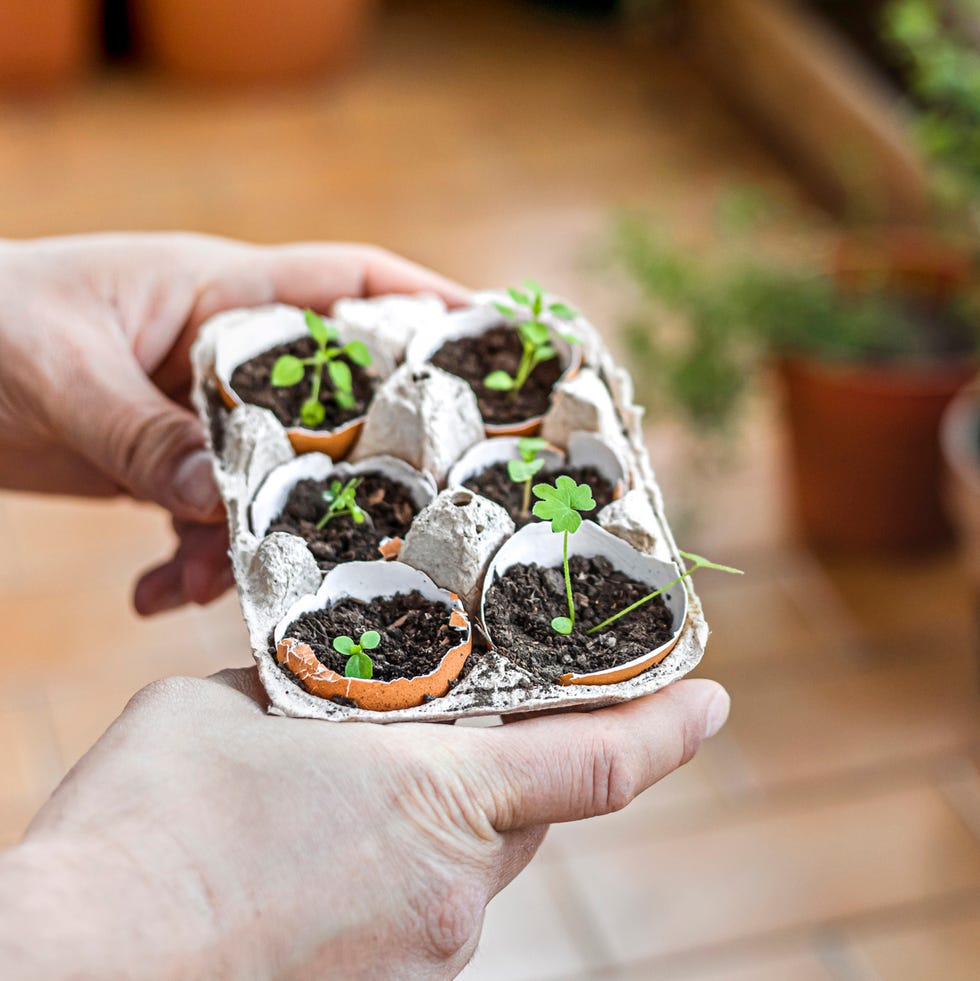

Flavia Morlachetti//Getty Images
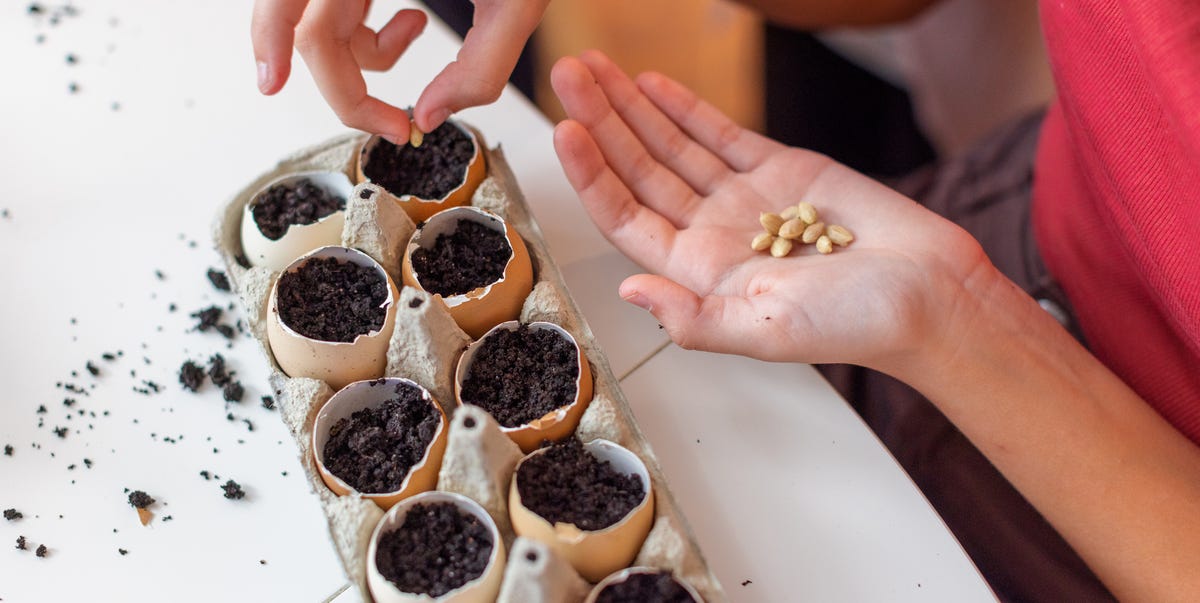
Eggshells played a significant part in many of our childhoods, from being the backbone of Easter crafting to being used as planters on windowsills. To this day, they’re still an excellent natural alternative to plastic seed trays and are biodegradable, so you plant the whole thing.
Rinsed eggshells can act as miniature pots and a nutrient-rich way to start seeds such as herbs, peppers and tomatoes. After planting, they’ll also add calcium to the soil, acting as a slow-release fertiliser and helping to moderate soil acidity.
To get the best results, poke a hole in the bottom of the eggshell for drainage and crush the shells lightly when planting so that roots can break through.
Eggshells also act as a deterrent for pests. Zora Tyrone, head gardener at Ashridge House, told the Express: “There are a number of natural ways to deal with garden pests, and used coffee grounds and eggshells are the ones that get the most airtime. Slugs and ants hate them, so it’s great for small gardens.”
Mix up seed packets for a naturalistic approach 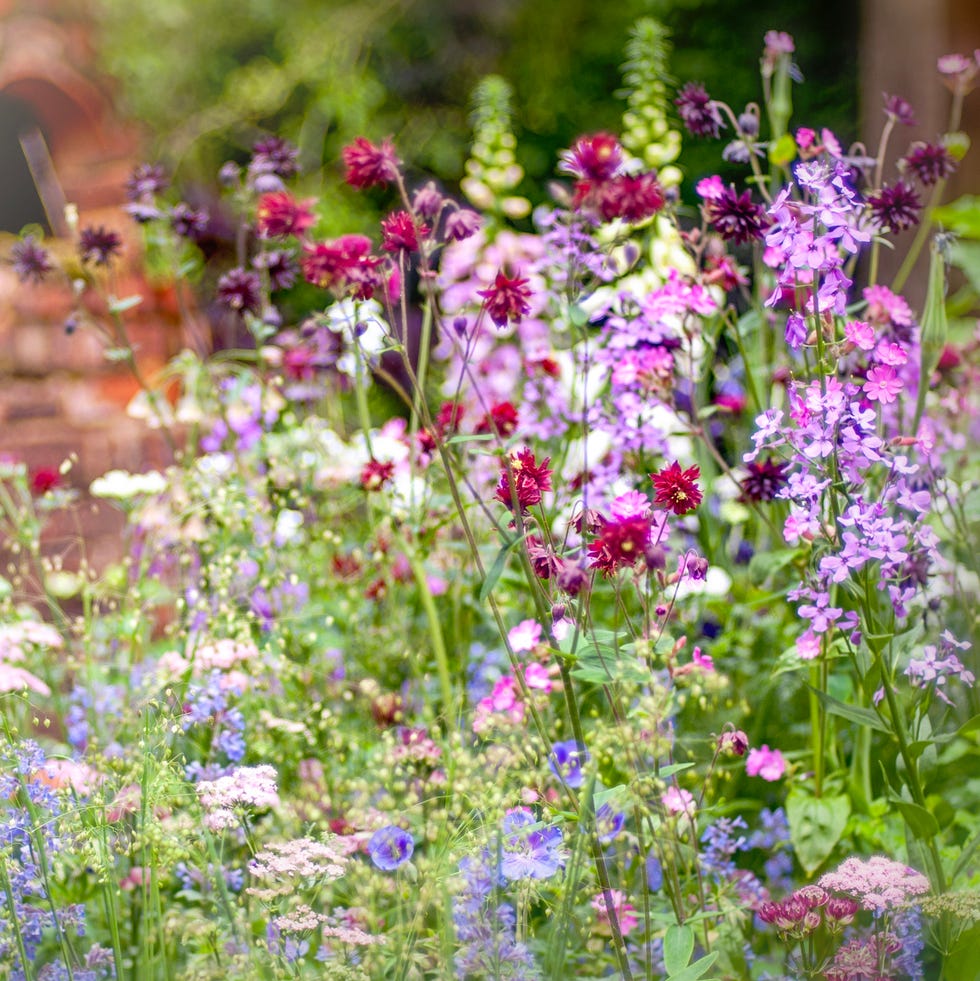
Jacky Parker Photography//Getty Images
Another retro gardening hack comes from horticultural guru Alan Titchmarsh, who shared how he’s used the same technique with seeds for the past 50 years.
He said of buying an assortment of seeds: “To a newly married couple, they represented a vital saving in household expenditure. For the price of one hardy perennial, I could have half a dozen packets of seeds and quite literally hundreds of plants.”
To get the best results, Alan told Country Living he would sow the seeds in early April, when the temperatures are typically mild, and pick a spot where they would get plenty of sunlight.
Use ground coffee to enrich the soil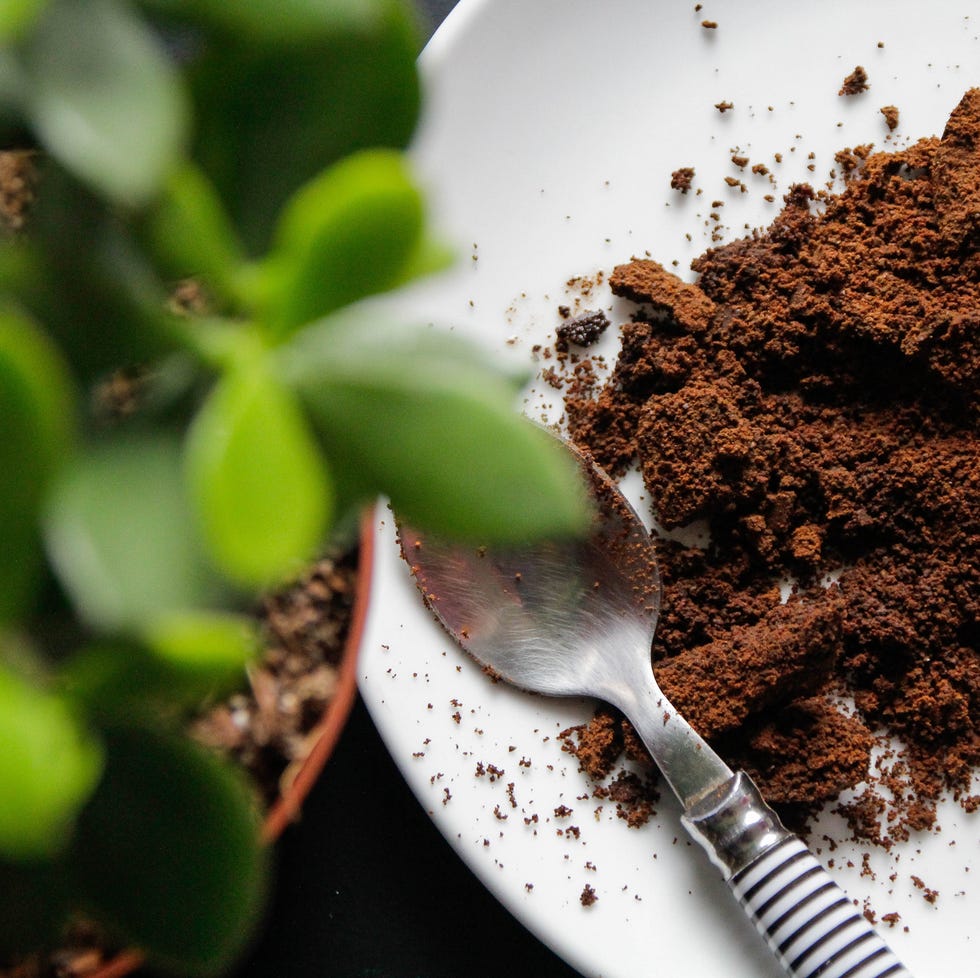
Kinga Krzeminska//Getty Images
Coffee is a powerhouse when it comes to valuable nutrients for plant growth and can have a positive impact when mixed with the soil in small amounts.
Melvin Cubian, a gardening expert at PlantIn, explains: “Coffee beans are rich in minerals such as magnesium, calcium, phosphorus, nitrogen and potassium.
“Phosphorus and potassium improve yields, and nitrogen is involved in photosynthesis, which helps plants grow faster. Ground coffee is excellent for both house and garden plants.”
It’s important to ensure that the coffee grounds don’t exceed more than 20% of your compost pile, as this could affect the overall acidity of the soil.
Add Epsom salts to yellowing leaves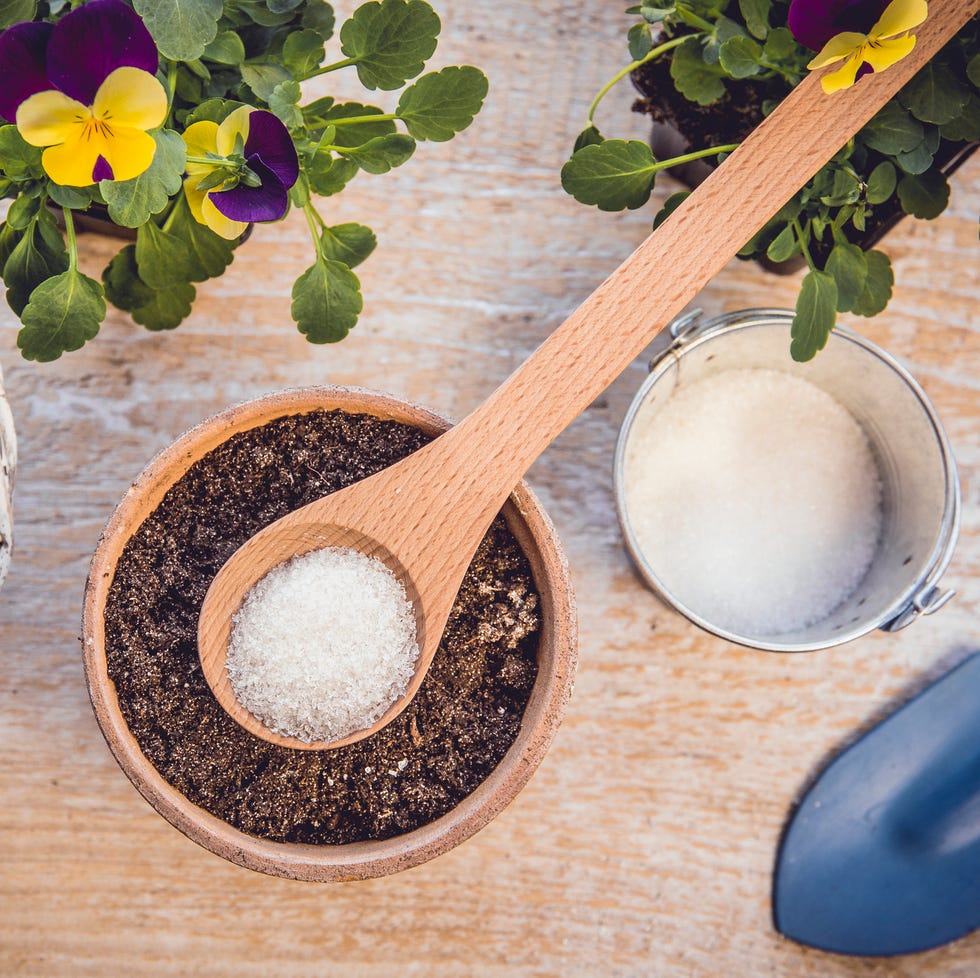
Helin Loik-Tomson//Getty Images
Epsom salts are another unlikely hero when it comes to improving your garden.
If you suspect that your plant has a nutrient deficiency due to yellowing leaves, the RHS advises diluting 20g of Epsom salts per litre of water and then applying as a spray or using a watering can to wet leaves and repeating two or three times a fortnight until the problem eases.
Use mashed bananas for healthier roses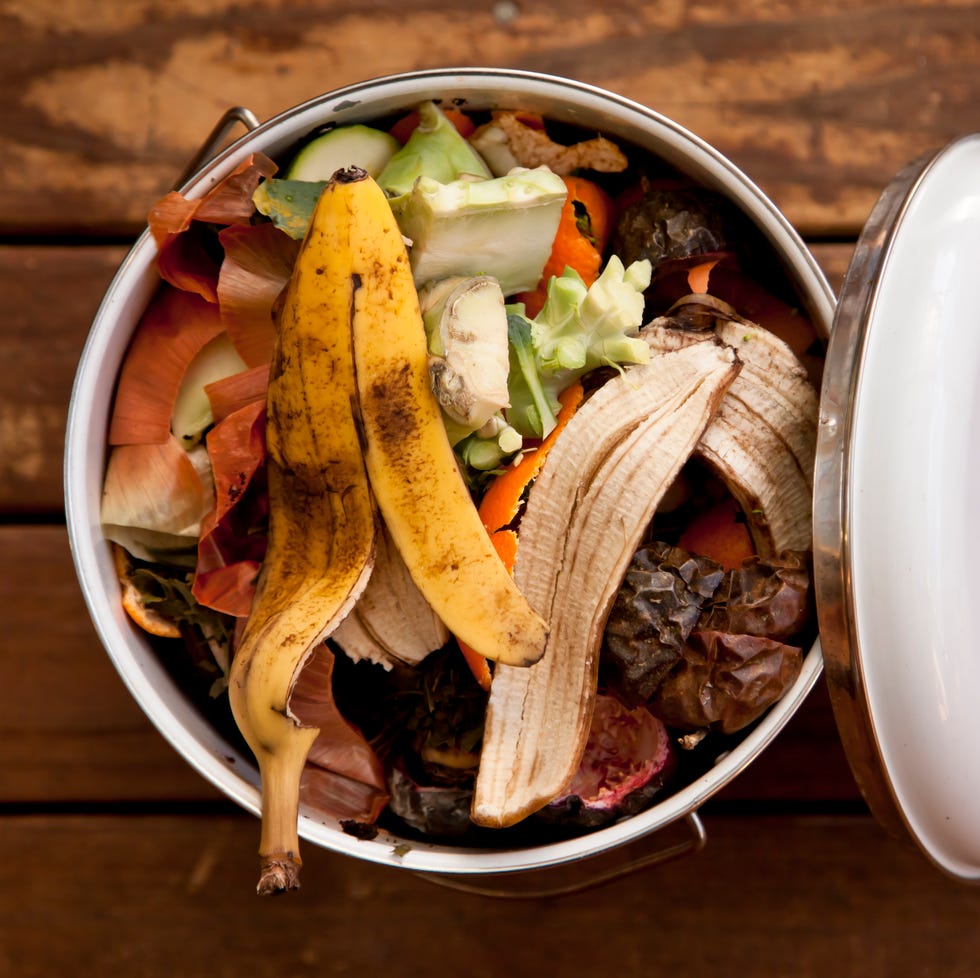
Jenny Dettrick//Getty Images
Don’t throw away those old banana peels — use them in your garden instead, particularly if you’re growing roses.
Banana peel acts as a natural fertiliser for plants, and its high potassium content is very beneficial for strengthening rose stems and increasing bud production.
The RHS recommends tearing the banana peel into small pieces before adding it to compost, as this helps it to break down more efficiently. Be wary of burning whole peels, as these could attract pests.
The newspaper trick to block weeds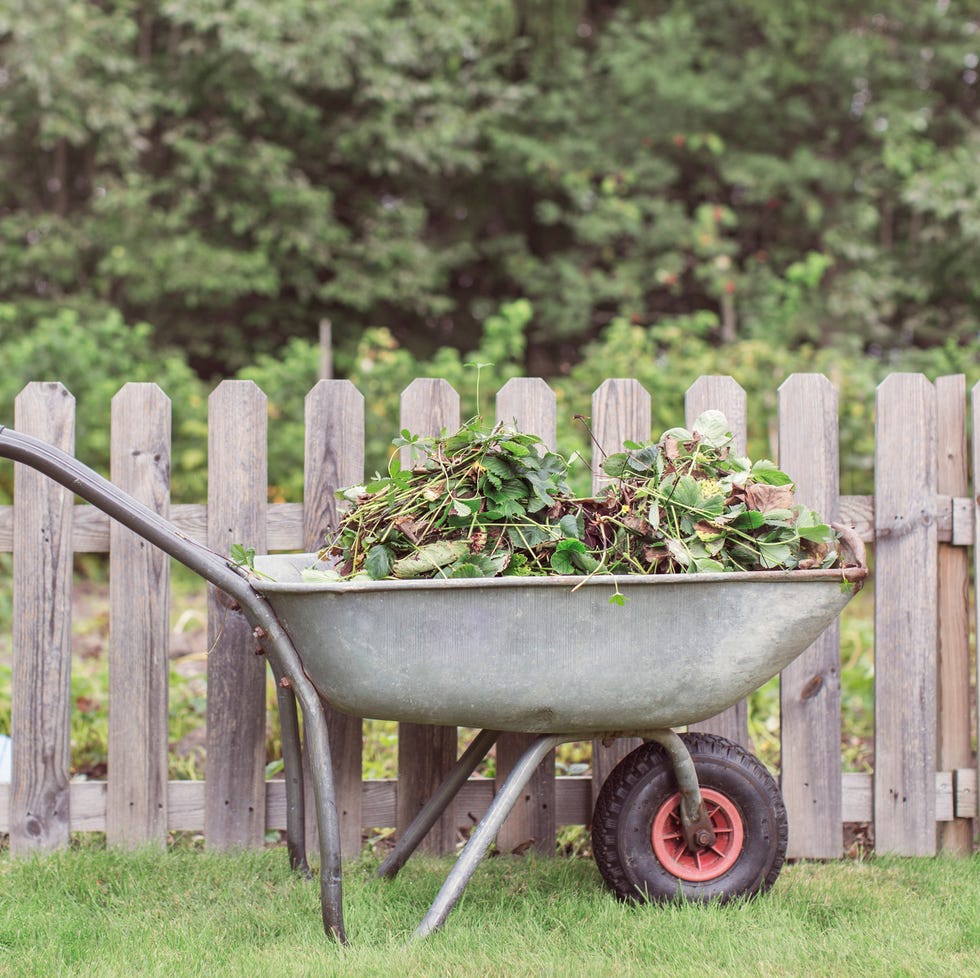
Maskot
This old-school gardening hack is an eco-friendly way to keep plants hydrated and prevent new weeds from forming by blocking sunlight.
It involves layering around three to six sheets of newspaper, overlapping the edges to prevent light from reaching weeds, and then soaking it with a hosepipe to anchor the paper to the ground.
This area should then be covered with two to three layers of mulch. Gardening expert Michael Perry told the Express: “To keep weeds at bay, simply place damp newspaper down around your plants, creating collars to protect them!
“However, if your weed problem is consistent, then you may need to try something stronger. Here’s a way to tackle weeds without nasty chemicals.
“Did you know that a mix of one part gin, one part white vinegar and eight parts water will kill weeds almost instantly?
“It’s important to know that the neonicotinoids in most pesticides are extremely harmful to bees, specifically damaging their gut bacteria and can make them more prone to infection.”
Gardening must-haves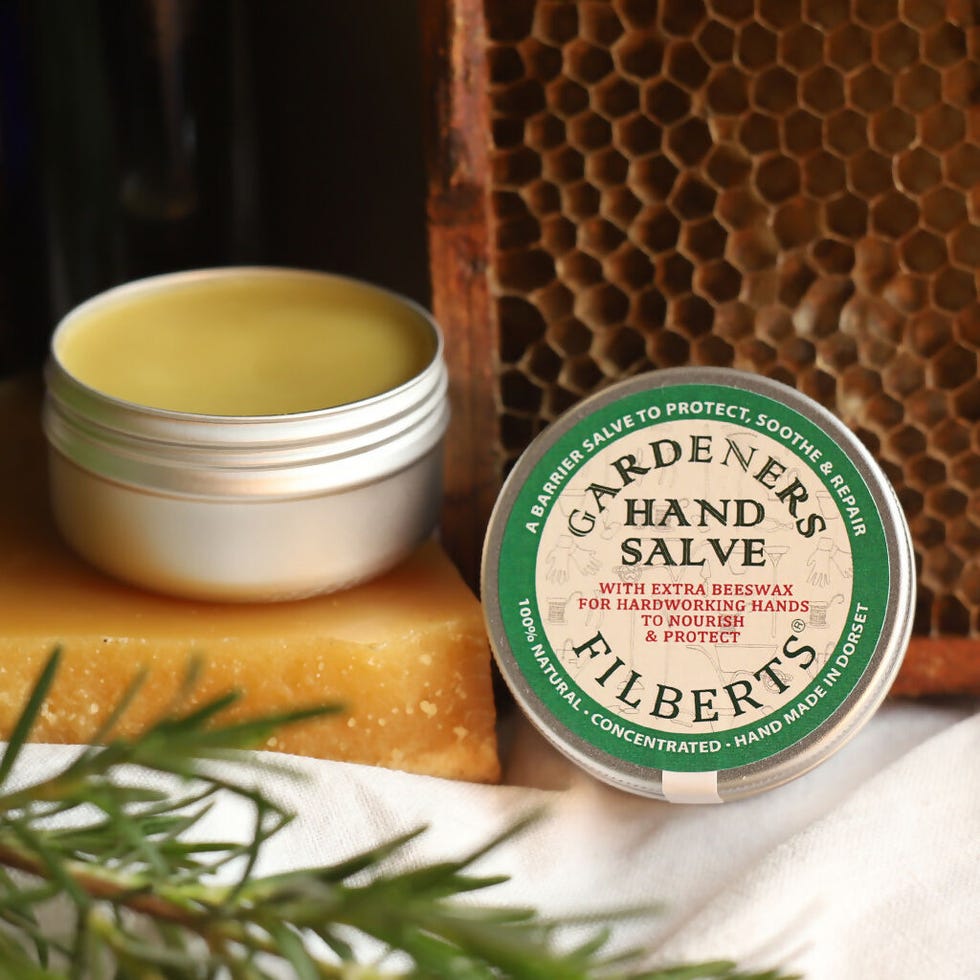 Filberts of Dorset Gardeners Hand Salve
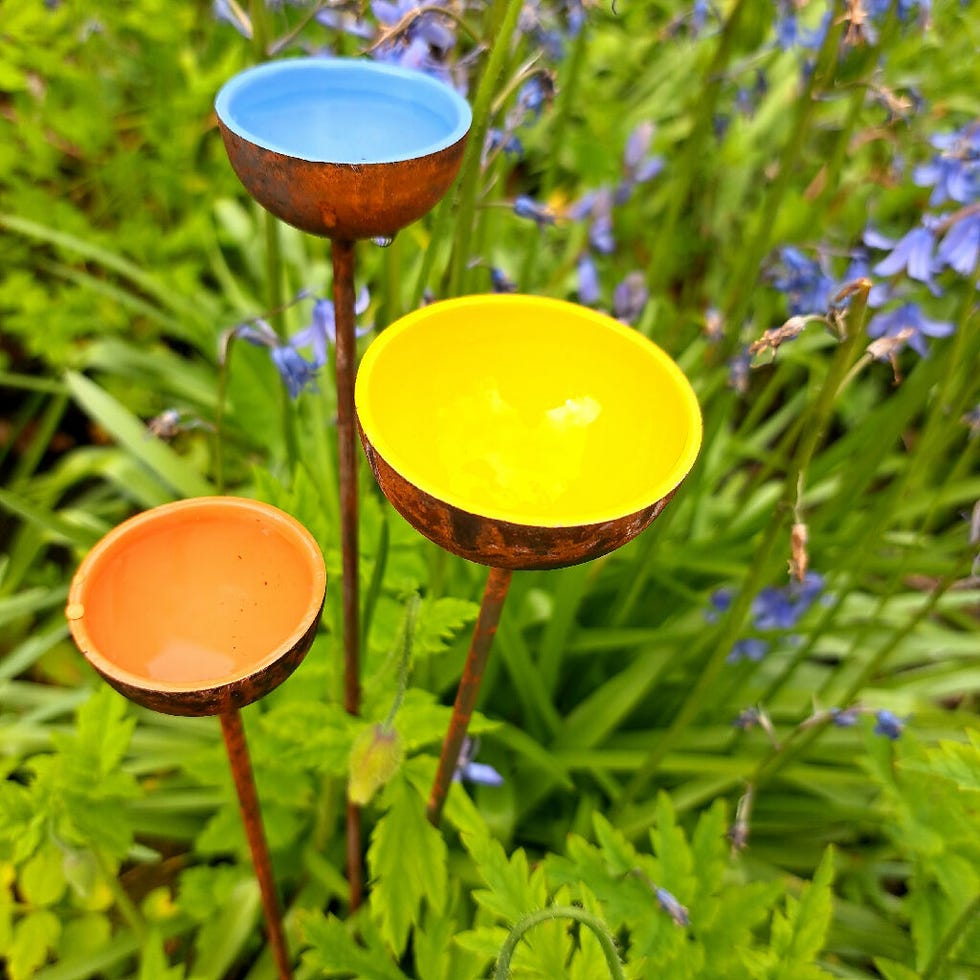 Haywards Garden Bee and Butterfly Water Stations, Garden Décor, set of three colourful bee water cups .
Now 17% Off
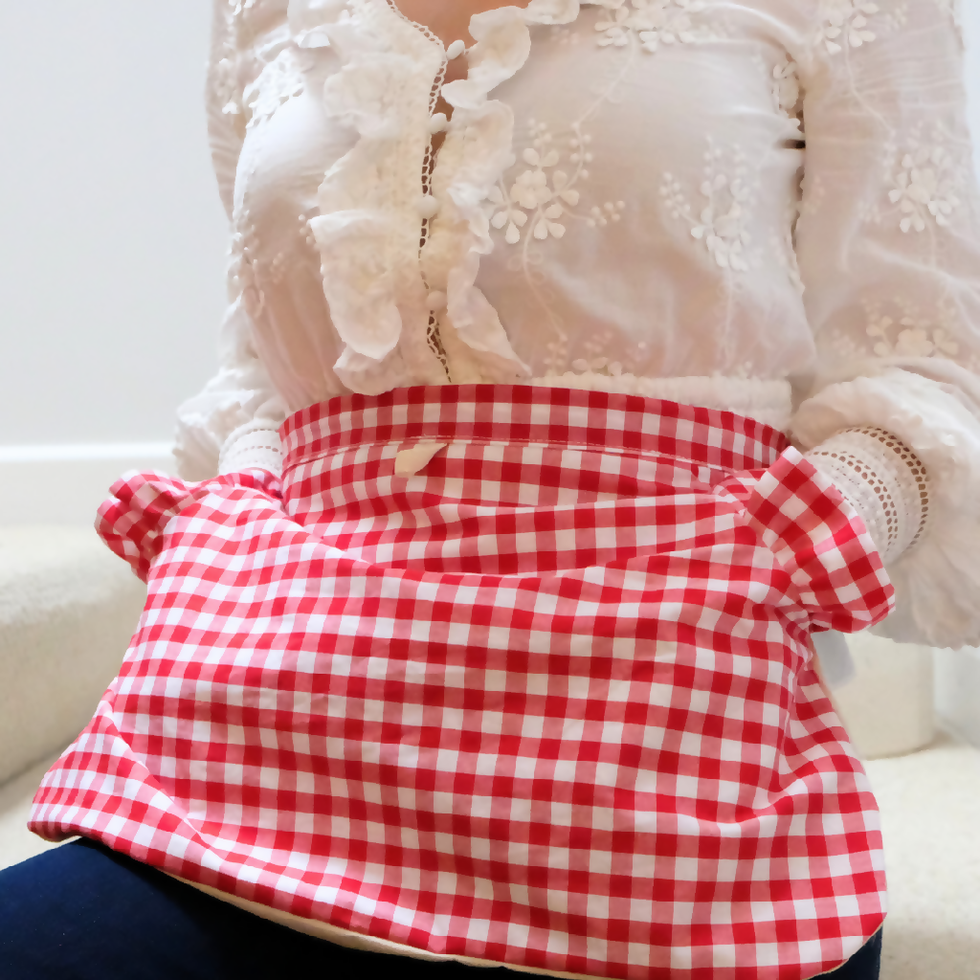 Home Sussex Handmade Peg Apron
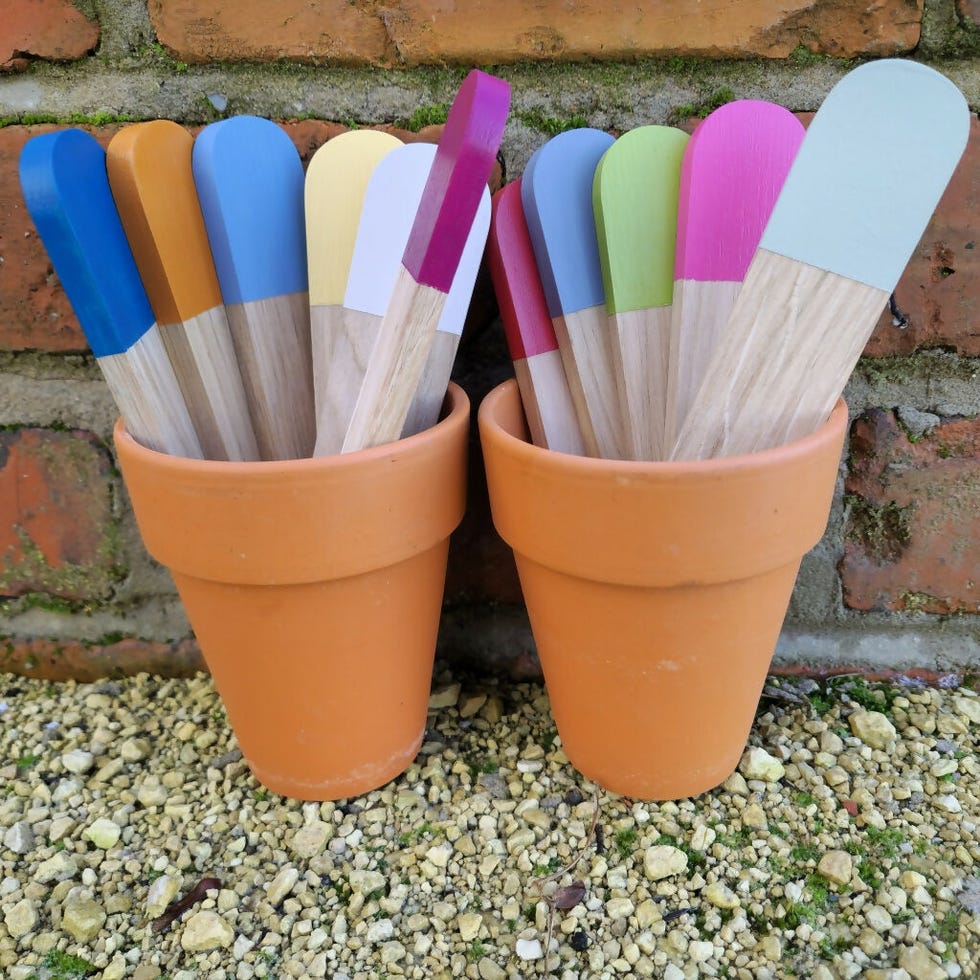 Painted Garden Label/Marker
 The Fae Potter Wild Bird Feeder ceramic hanging
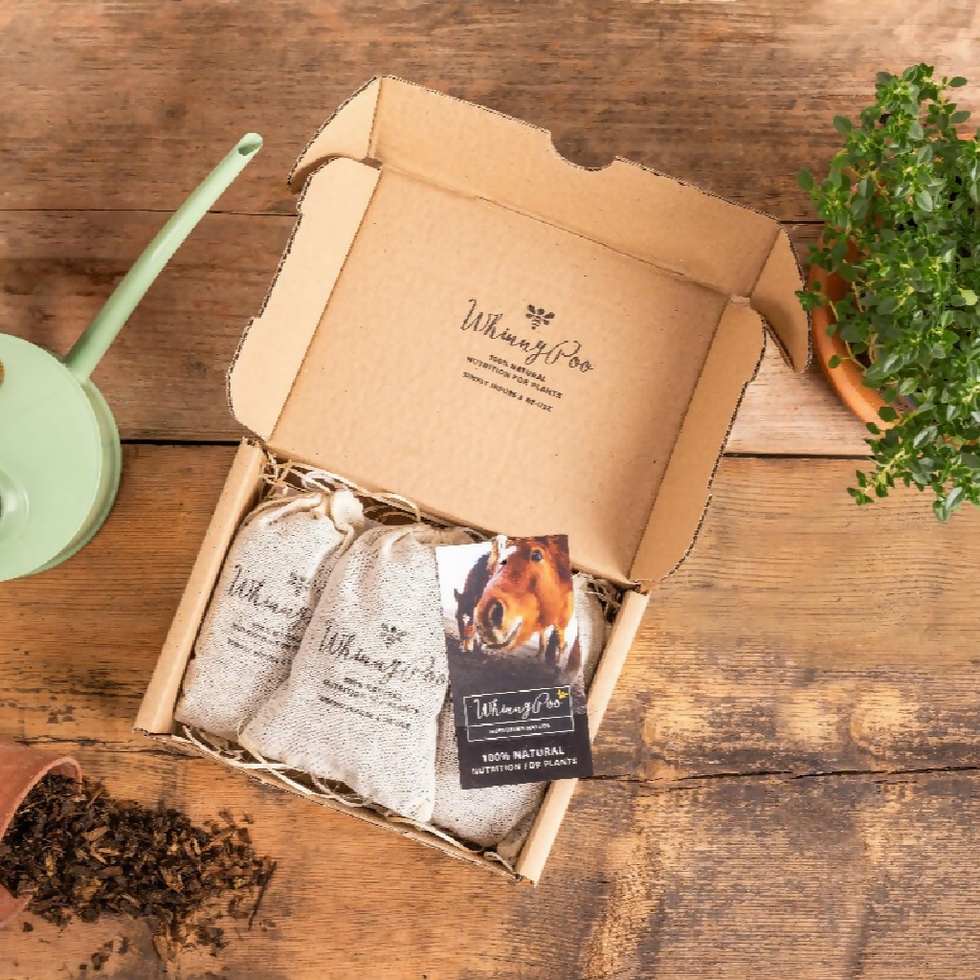 WhinnyPoo WhinnyPoo Box of 3 Plant Feed
Comments are closed.