
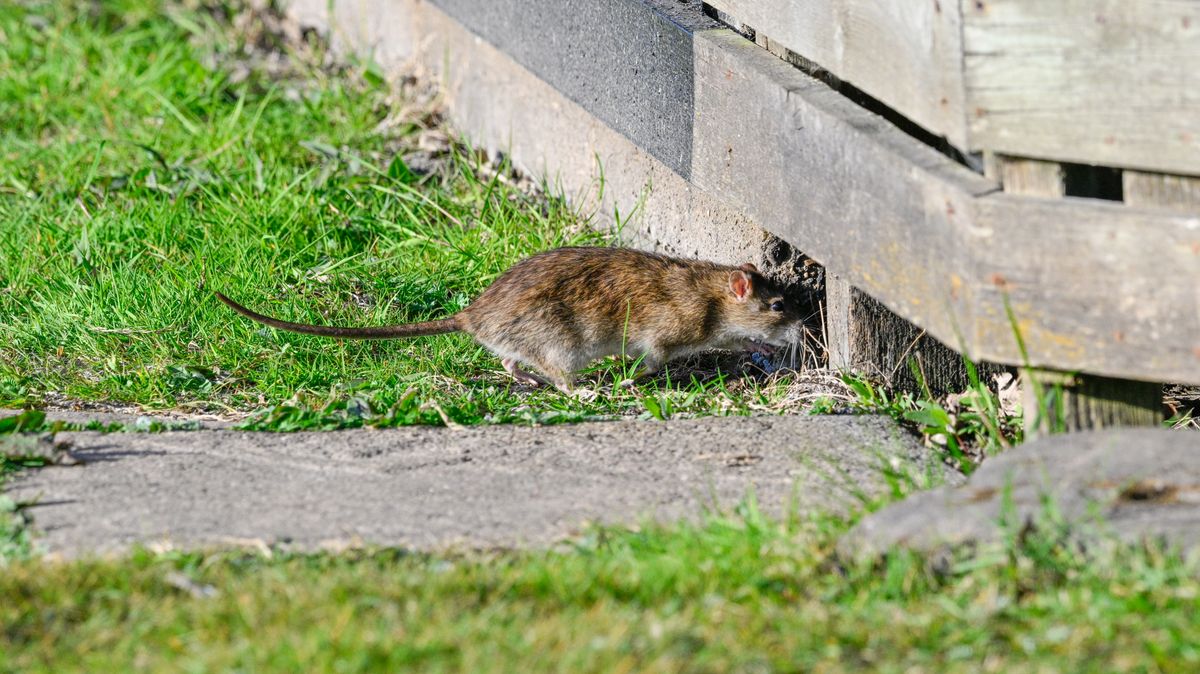
The gardening experts have offered their advice on how to keep the pesky rodents away from your precious garden.Angela Patrone and Ewan Mowat Deputy Lifestyle, Trends, & Showbiz Editor
16:00, 13 Apr 2026
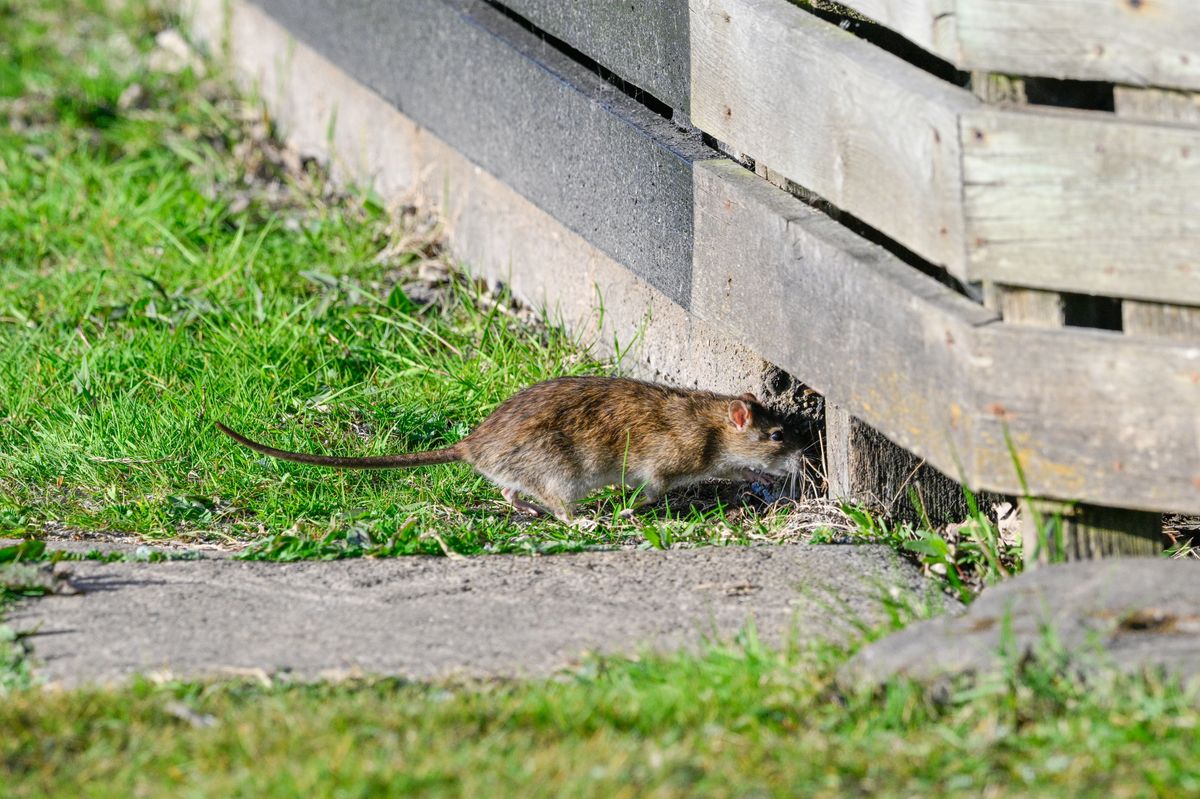
No one wants to see rats in their garden or their home(Image: Paul Grace/Getty Images)
Spring is really starting to get into its groove now, with temperatures starting to rise last week. Sure, we’ll never get rid of the rain completely, but the sun has been peeking out a lot more often in recent weeks.
This means more fun plans with friends and families and the chance to get your outdoor areas looking their best ahead of summer. But one potential issue with spring is that it marks the start of breeding season for many rats.
This means that while you’re enjoying spending more time in your gardens, you are likely to spot more of the pesky rodents scurrying about. No one wants to see their outdoor – and especially indoor – spaces overrun with these unwelcome visitors, particularly if you are out trying to relax.
Thankfully, there are different ways to keep them at bay and prevent rodents ravaging your home. And two of the best known names in gardening have shared their advice for preventing the long-tailed terrors causing chaos.
Many gardeners will use compost to help their plants and flowers, as it has many benefits and it is a fantastic method for disposing of kitchen waste and nourishing your garden.
But Monty Don has revealed it is the main factor drawing rats into your garden. As reported in The Mirror, the horticultural specialist warned that you must be selective about what you add to your compost heap.
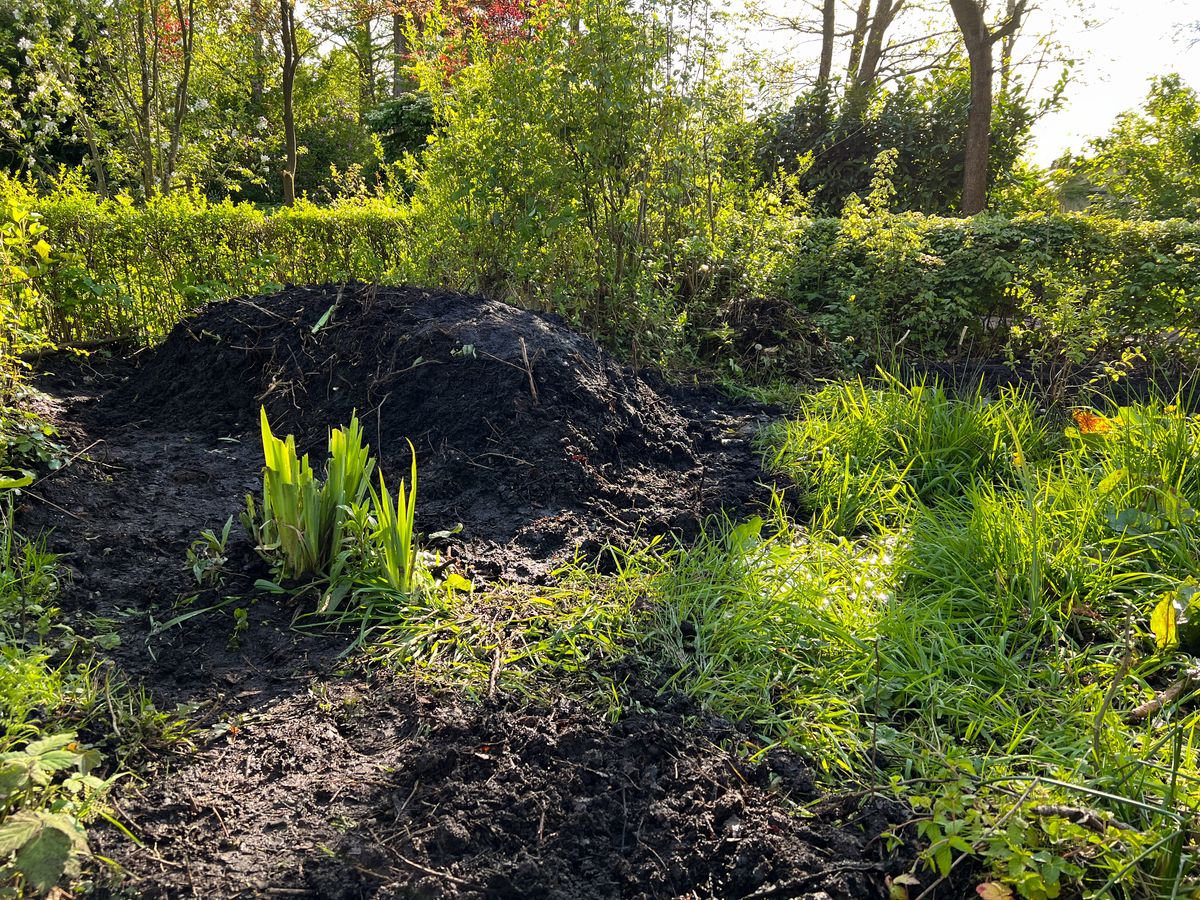
Compost could be the reason for rats invading your garden(Image: Getty Images)
Monty said: “The real secret of compost is life to soil. Because compost is made by the material being digested by bacteria and fungi and nematodes and the worms and beetles and bugs, you make it work like a recipe that you know just works and works over time.
“So let’s look at it like a recipe. First thing is your ingredients. You can add almost anything that’s lived to a compost heap.”
However, his composting advice comes with one significant caveat. He said: “Don’t add meat, fats or cooked material. Particularly cooked starches like potato or rice or pasta.”
He said: “The main reason for that is not that it won’t decompose, because it will in time, but it will do so more slowly. It will attract rodents. You will get rats.”
Join the Daily Record WhatsApp community!
Get the latest news sent straight to your messages by joining our WhatsApp community today.
You’ll receive daily updates on breaking news as well as the top headlines across Scotland.
No one will be able to see who is signed up and no one can send messages except the Daily Record team.
All you have to do is click here, select ‘Join Community’ and you’re in!
We also treat our community members to special offers, promotions, and adverts from us and our partners. If you don’t like our community, you can check out any time you like.
To leave our community click on the name at the top of your screen and choose ‘exit group’.
If you’re curious, you can read our Privacy Notice.
Because meats tend to break down at a much slower pace and produce unpleasant smells, they are more likely to attract rats and other rodents to your garden.
Monty was backed up by TV gardening favourite Alan Titchmarsh, who has also spoken about rats being drawn to compost.
He explained: “The place they love more than anywhere else in the garden is the compost heap. Mainly because of the heat generated by all this rotting vegetation.”
He also advised gardeners against adding fats, cooked items and meat to compost.
Alan warned: “Don’t put processed food, anything you have cooked, any meat, or any potatoes. Don’t do that because it’s just an absolute open invitation for rats.”
Comments are closed.