
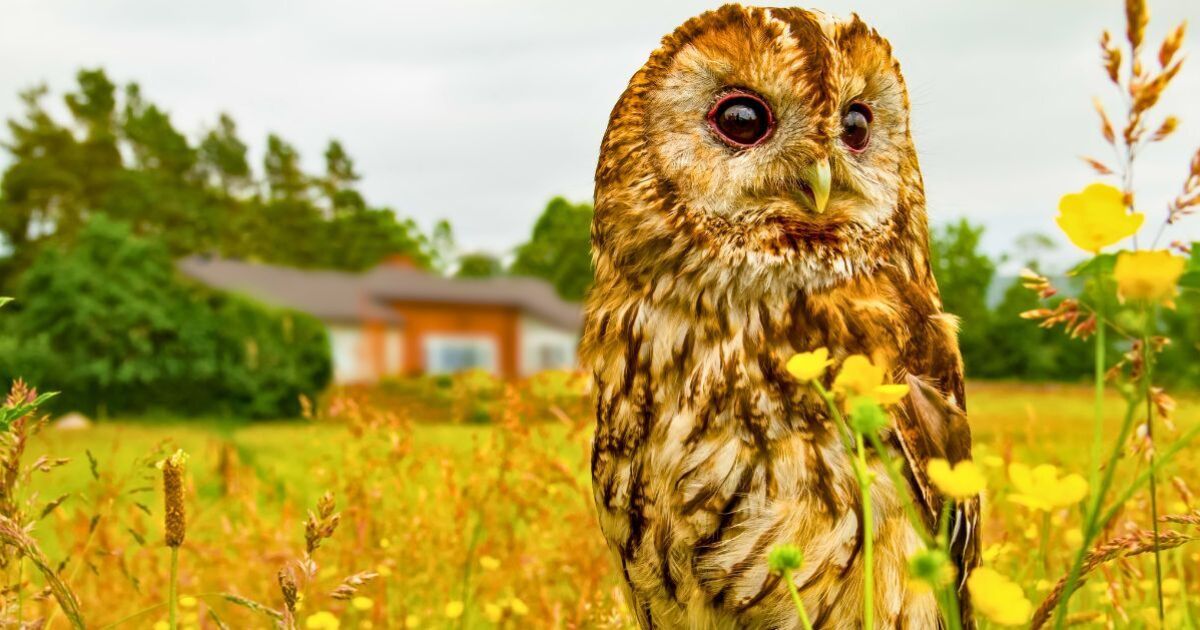
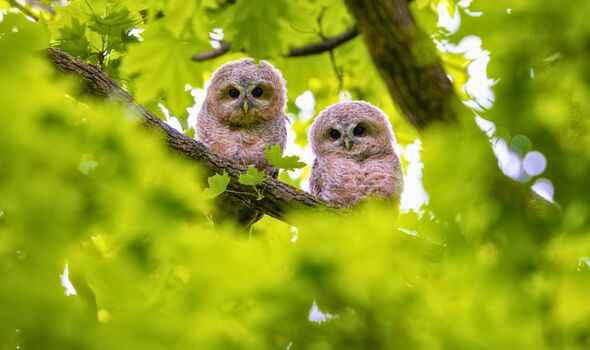
Owls are more likely to be endangered in spring when trying to feed their chicks (Image: Getty)
Owls are often associated with living deep in the woods or at wizarding schools, but it is common for them to nest near gardens in the UK, which is why gardeners should help them out now, as they can struggle to survive in spring. April is the breeding season for both tawny and barn owls, meaning their demand for food is at its highest, and they often venture further to find rats and mice.
However, many people use rat poison in their gardens at this time of year to control rodents, which can result in owls feeding their chicks contaminated prey. This can cause local owl populations to decline quickly, even though a single owl can eat dozens of rodents each night, which makes them one of the most effective forms of natural pest control without the need for chemicals. The wildlife experts at Green Feathers have shared that encouraging owls to come into gardens is simple, as you just need to switch off any outdoor lights in the evening.
READ MORE: Robins flock to your garden if you provide them with popular plant
READ MORE: Gardeners urged to stop making 6 big mistakes or ‘birds will go elsewhere’

Taking the time to switch off any outdoor lights will encourage owls into your garden (Image: Getty)
They said: “To make your garden more owl-friendly, you need to reduce light pollution at night. Keep lights turned off if possible or invest in motion-activated lighting instead.
“This will keep your home protected by illuminating shadowy corners if a potential intruder approaches, without disturbing the owls in the area.”
Owls have incredible night vision and hunt rodents in near total darkness, but artificial lighting interferes with their senses and makes it harder for them to find prey.
If you want owls to come into your garden, you need to keep outdoor lighting as low as possible, which means switching off solar lights, path lights, fence lights and fairy lights.
You still have lights in your garden, but it is better to use motion-activated lights, as they create a more natural environment for owls, so they are more likely to hunt rodents in your garden.
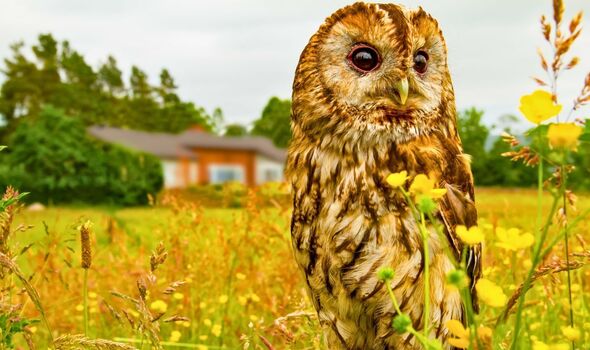
Owls are more likely to come into gardens with long grass or messy lawns (Image: Getty)
It will also greatly help to not mow your lawn regularly or keep part of the grass long, as in the wild, owls are more likely to hunt rodents in open grassy areas such as fields.
When owls see big patches of grass, they see it as an easy food source and make it more appealing for them to consider nesting nearby.
Some people also like to put out nest boxes for owls, and if you wish to do this yourself, then make sure to buy a high-quality wooden one that will be able to survive in the rainy and windy British weather.
However, the most important thing to remember is to avoid using rat poison or pesticides in your garden at this time of year, as, although it is tempting, it is one of the biggest reasons certain owl species are dying off.
The experts said: “According to The Barn Owl Trust, 95% of wild barn owls contain rat poison in their systems, causing a huge problem for this species. If you want to attract owls into your garden to deal with a rat problem, make sure your garden is free of rat poison and rat traps – trust the owls to handle the issue for you.”
Comments are closed.