
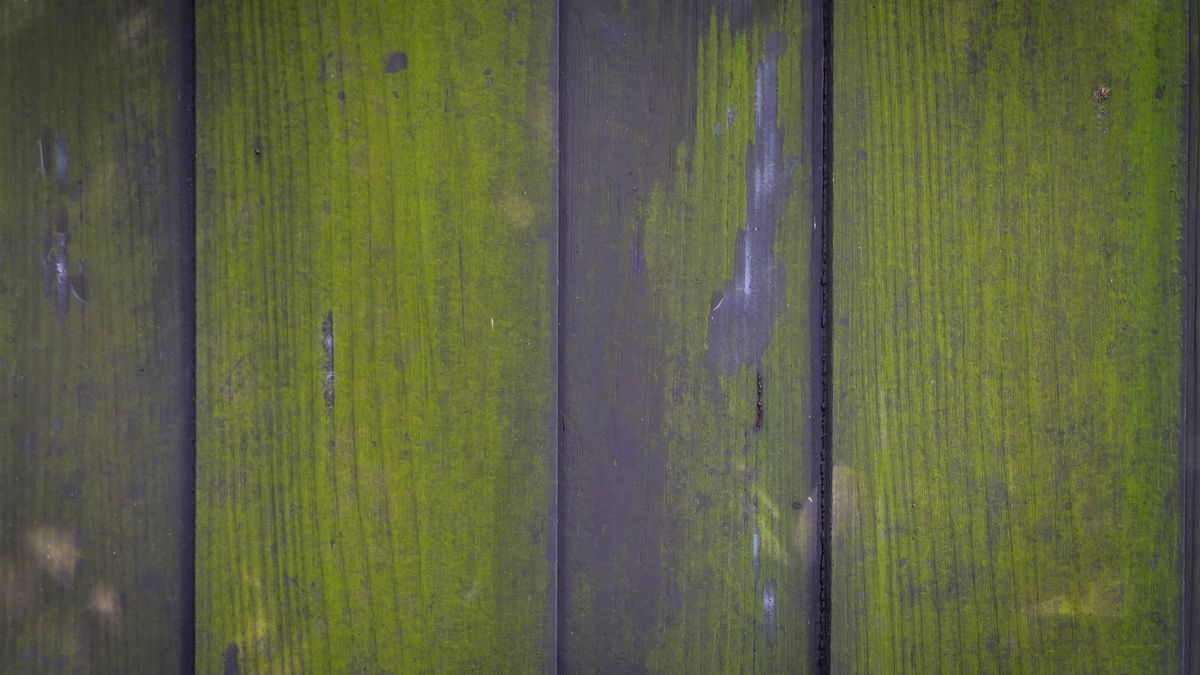
Green algae can make your garden fence look dirty and even weaken the wood, but cleaning it is easy with one cheap kitchen cupboard staple
Nicola Roy Spare Time writer and Ellen Jenne Senior U35 Spare Time Writer
09:31, 13 Apr 2026
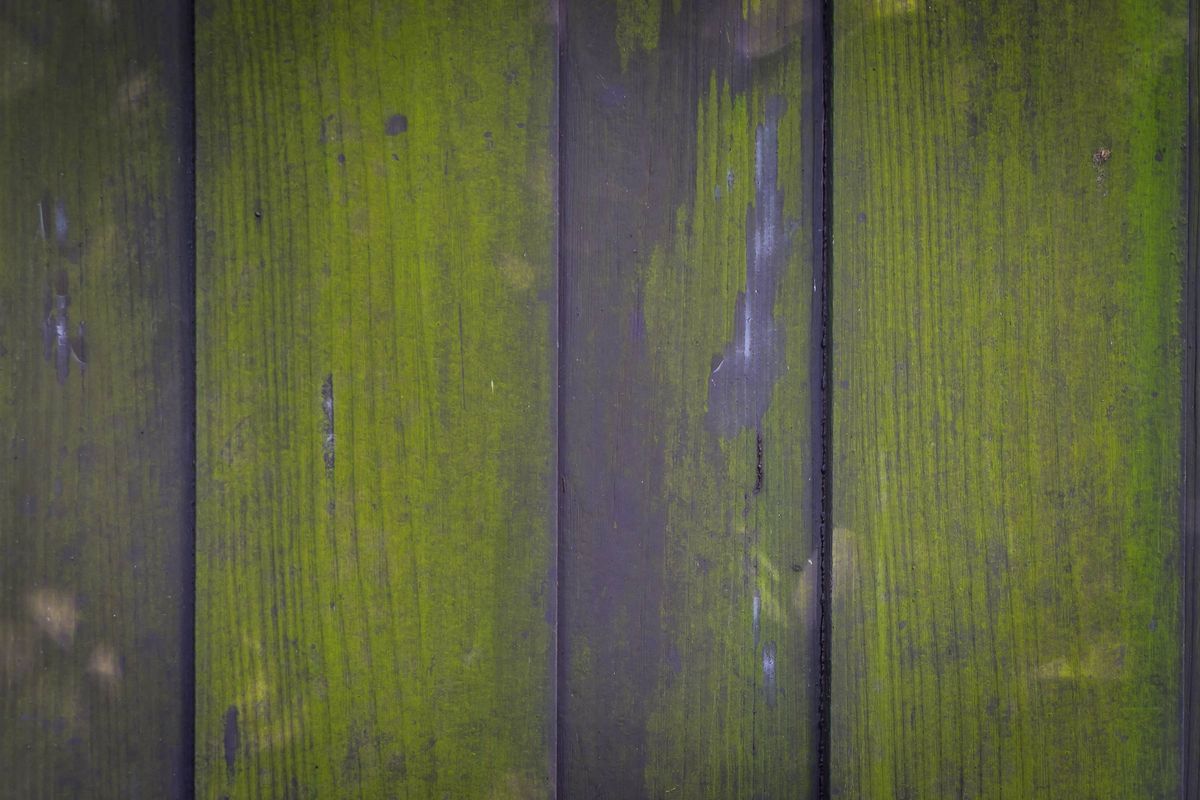
Green algae can make your garden fence look dirty and even weaken the wood, but cleaning it is easy with one cheap kitchen cupboard staple(Image: junce via Getty Images)
When maintaining your garden, there are numerous tasks to tackle. Some of the most crucial jobs that can brighten and refresh your outdoor space don’t involve planting, but rather cleaning.
Your garden fence frames your outdoor area, so it’s vital that it looks presentable. Unfortunately, green algae can prove problematic, staining the timber and leaving it looking grimy. Fortunately, removing it is remarkably simple, requiring just one inexpensive kitchen cupboard essential.
Gardening specialists at B&Q caution that green algae isn’t merely unsightly – it can also compromise the timber on your garden fence over time, potentially leading to expensive repairs. As summer approaches, the last thing needed is additional expenditure on rectifying winter damage in the garden.
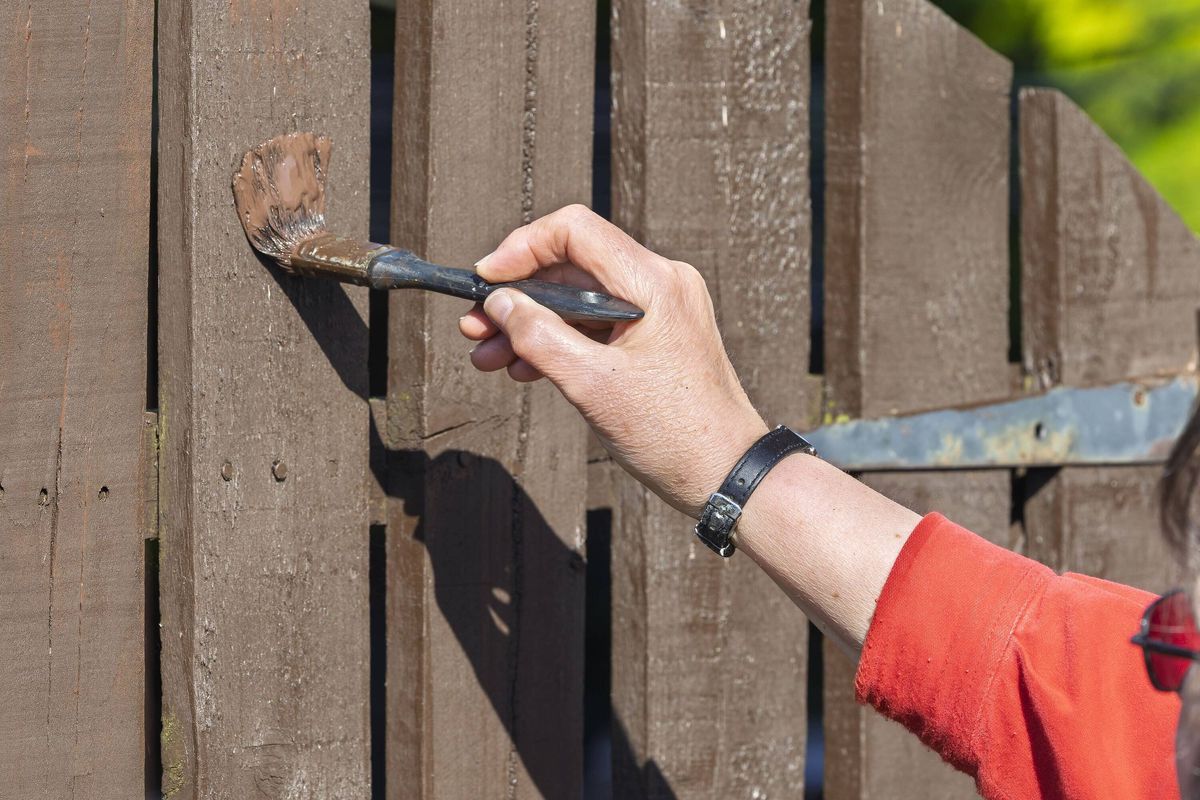
Before you paint your fence, clean it with white vinegar(Image: Getty)
Fences situated in shaded areas are more susceptible to algae growth, while nutrients in the timber and moisture from watering plants adjacent to your fence can also promote its spread.
Nevertheless, you can eliminate it swiftly with a bottle of white vinegar, available for as little as 57p from Asda, reports the Express.
How to clean a garden fence
For wooden fences, you can use a straightforward white vinegar solution to remove any grime. If you have a composite or metal fence, verify that the products you use won’t harm the finish.
Combine one part white vinegar with one or two parts water, and use a higher vinegar-to-water ratio if your fence panel is particularly green. Once your solution is prepared, it’s time to get to work on the fence.
Before doing so, tie back and cover any nearby plants to prevent any damage. Don’t forget to put on protective gloves and goggles for added safety.
Using a sponge or spray bottle, apply the solution to the fence. The B&Q experts advise testing it on a small area first to ensure it won’t cause any harm to the fence panel.
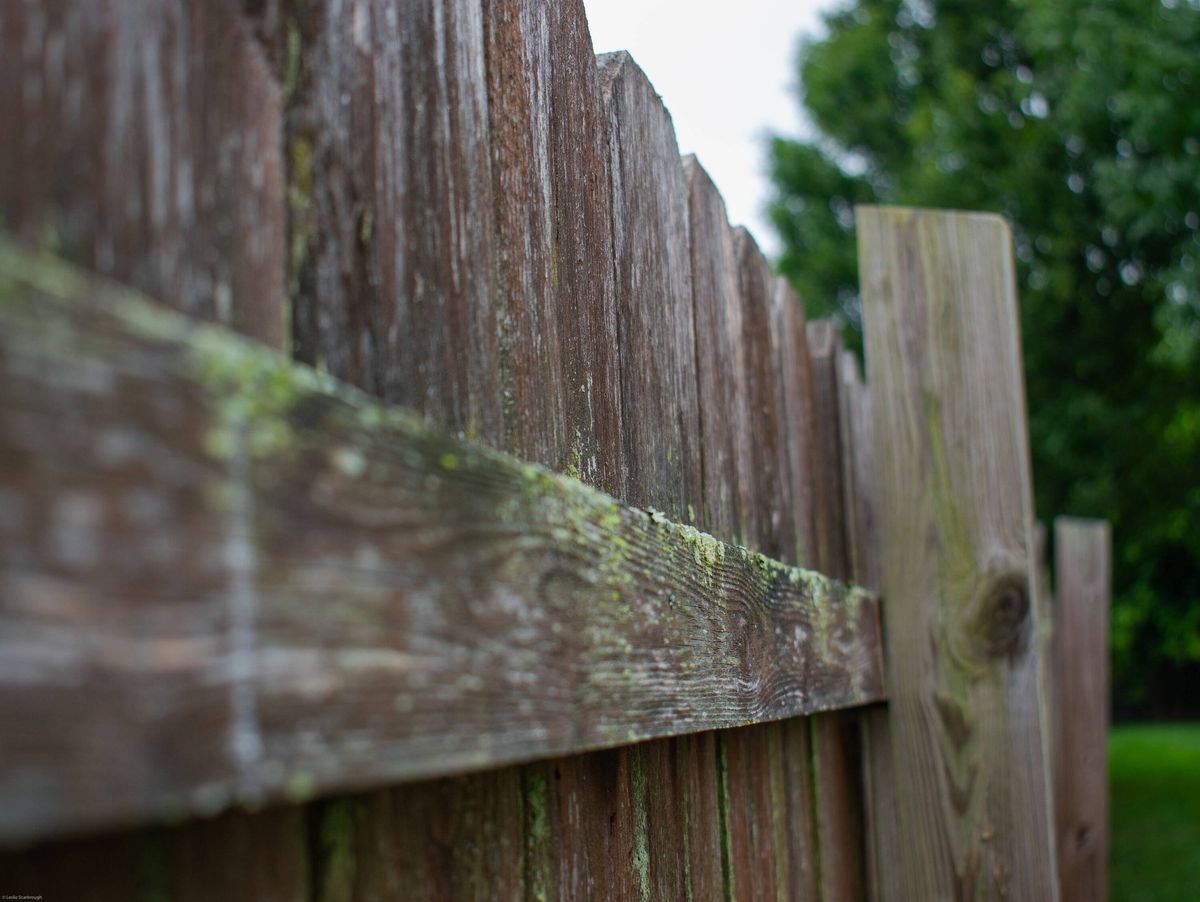
A dirty fence can make your whole garden look uncared for(Image: Getty)
Begin at the top and work downwards, allowing the solution to sit on the panel for ten to 15 minutes – but be careful not to let it dry out.
Next, use a sponge or brush to work the cleaner into the fence panel using circular scrubbing motions. Tackle the job in small sections until the green deposits begin to lift away.
Once you’ve thoroughly scrubbed the cleaning solution into the fence panels, rinse them down with a hose to remove all traces of the solution and avoid any streaking or potential damage.
Comments are closed.