
Gardening experts recommend completing one task in April to help your lawn grow healthy and green during the warmer summer months ahead – and it’s so easy to do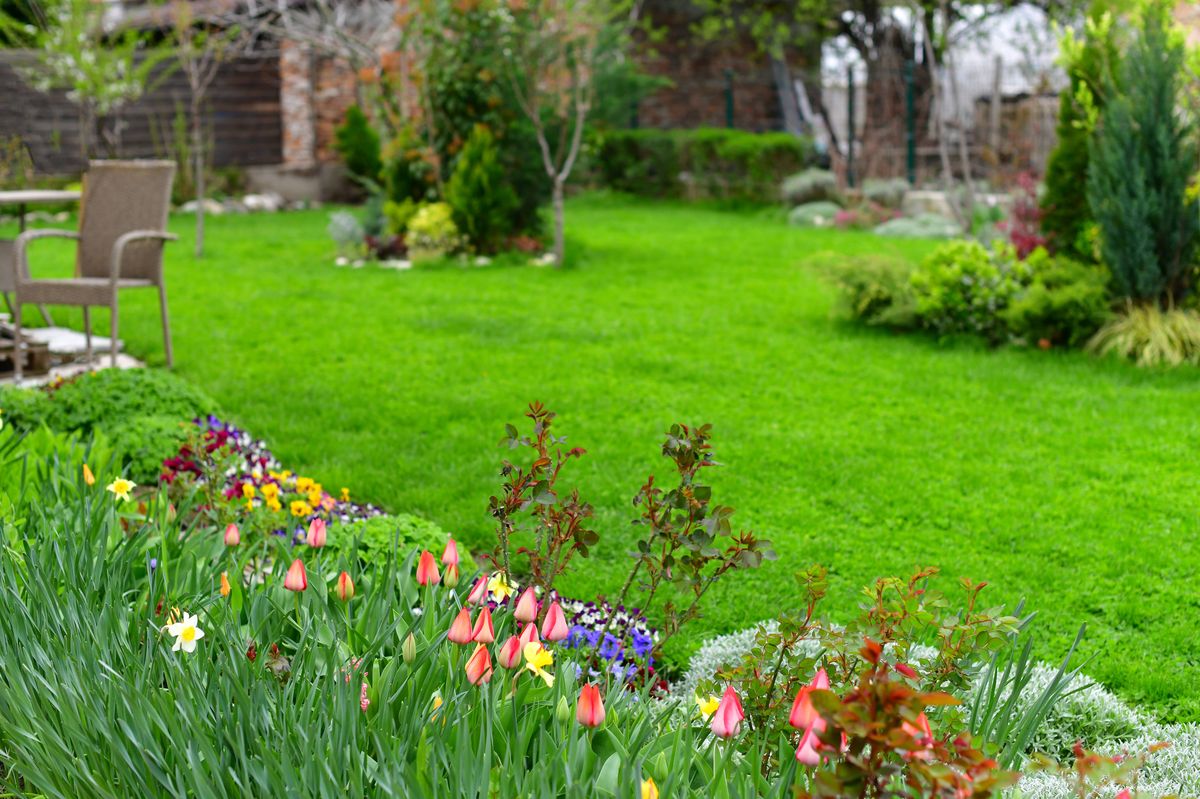
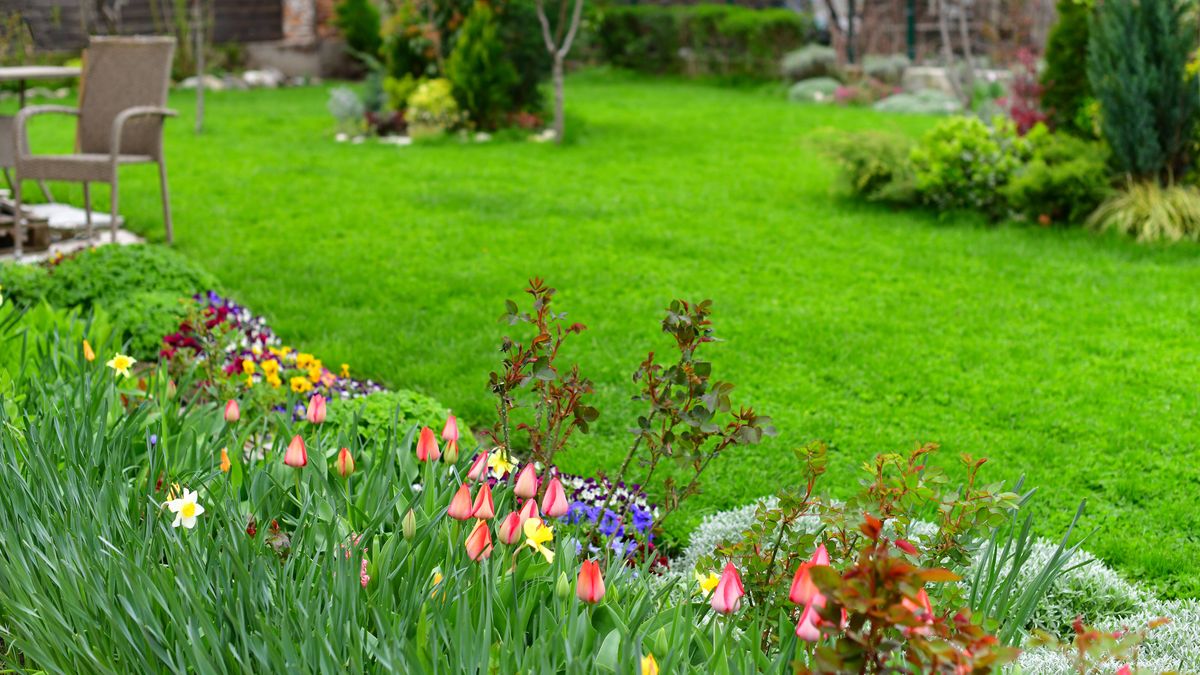
Your lawn could look luscious in the summer if you do one task this April (stock photo)(Image: Maya Karkalicheva via Getty Images)
If you have a grass lawn, there’s one essential task you must tackle in April to guarantee a lush, healthy garden come summertime. As temperatures rise, we all want to make the most of our outdoor spaces. For those with grass lawns, the garden becomes an invaluable area where children can kick a ball about, pets can roam freely, and the rest of us can simply soak up the sun.
But none of that is quite as enjoyable on a patchy, sparse lawn riddled with bare patches where grass simply won’t grow – particularly when it could have been avoided with a little timely attention. According to a gardening expert on social media, every lawn owner should be prioritising one crucial task this month, giving their grass ample opportunity to flourish and spread throughout the remainder of spring.
In a TikTok video, Dave The Plantman – a gardener boasting over 45 years of horticultural experience – revealed that April is the ideal time to carry out a process known as “scarifying”, which significantly boosts your lawn’s overall health.
Scarifying involves clearing away thatch, moss, and dead organic matter from your grass, freeing up space for healthy growth. It also enhances air circulation and nutrient absorption, giving your lawn the very best chance to thrive.
Dave demonstrated the technique by taking a large garden rake and dragging it across a section of grass in a single direction, before lifting it to reveal the moss clinging to the prongs, which he then removed and discarded in a pile.
Content cannot be displayed without consent
The expert then raked across the same section of grass in a different direction, repeating this process until he did it in three separate directions, successfully clearing the majority of moss from the area.
He said: “What that’s done is made space all the way around your grass. So that grass now can puff out and fill that space up. So that’s what you should be doing now. It’s called scarifying.”
According to Gardener’s World, scarifying works to eliminate dead thatch – the brownish material found underneath the green grass blades. While a modest amount of thatch can actually benefit lawns, an excess can hinder new grass growth and stop water and nutrients from penetrating the roots.
Scarifying your lawn may initially leave it looking rather sorry for itself, with bare patches scattered throughout, but if you persevere with the process, a lush, vibrant lawn will soon follow.
Gardener’s World recommends scarifying your lawn once annually, either in spring or early autumn, ensuring it’s carried out well clear of the first and last frosts. This makes April an ideal time to tackle the task, given that freezing temperatures are highly unlikely at this point.
How to scarify a lawnUsing a spring-tined rake, gently rake the thatch out of the lawn.Be careful not to be too rough, as you could damage the healthy grass.Leave some thatch behind, as a small amount helps to protect the lawn.Make sure to work in different directions to ensure the thatch comes out evenly.What to do after scarifying a lawn
Once you’ve finished scarifying, the removed thatch can be added to your compost heap if you’ve got one. It’s also advisable to aerate your lawn following scarification, as this helps reduce compaction and promotes a healthier root system.
Aerating a lawn is straightforward – simply use a garden fork to pierce holes into the soil at regular intervals. This technique can also help prevent waterlogging during any torrential April downpours that might arrive.
Initially, scarifying may leave your lawn looking somewhat worse for wear. If you’re concerned about its appearance, applying a fertiliser can help encourage growth, but rest assured, your lawn will be considerably healthier following a thorough annual scarification.
Comments are closed.