
 2 min read
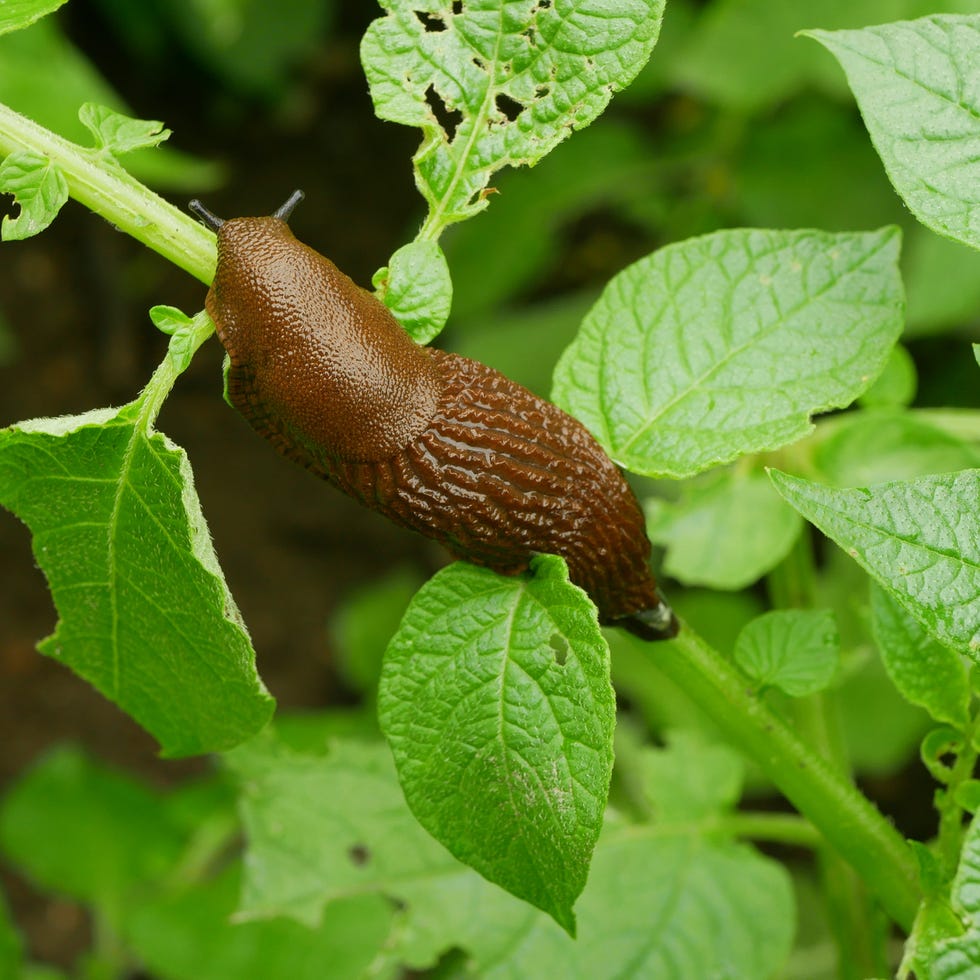
Pests are one of the unfortunate challenges of gardening — insects, rodents, and birds can cause havoc, contaminating and even destroying plants and vegetables.
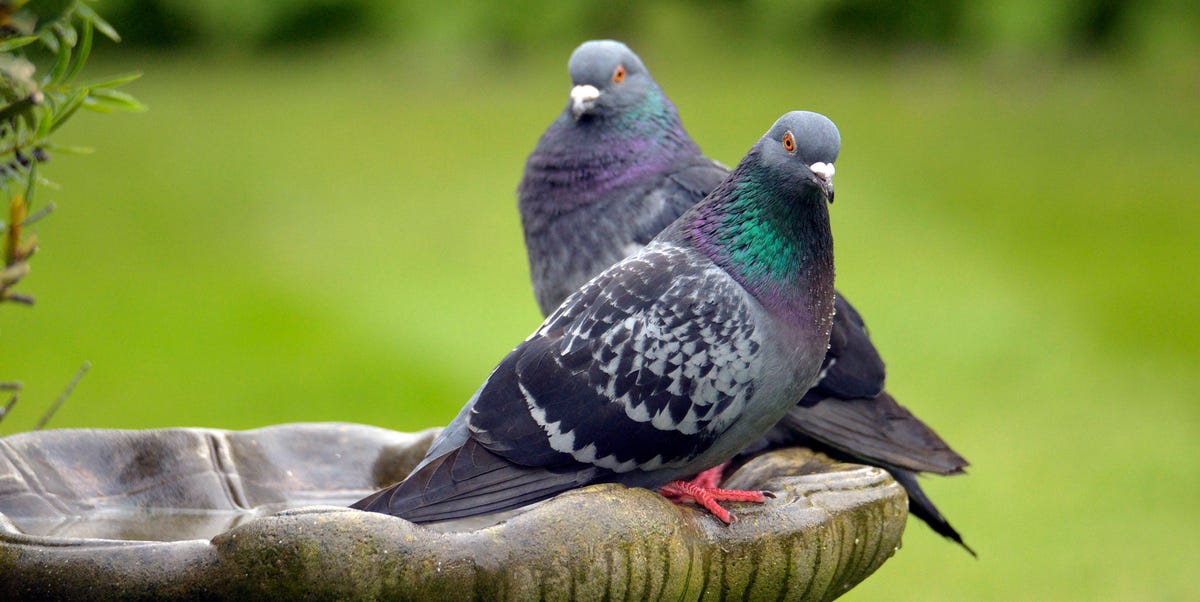
Pigeons, in particular, are a nuisance, as they feed on young shoots, buds, and leaves and can be destructive during their foraging. They are also known to trample over seedlings, and their acidic and corrosive droppings can contaminate soil or damage metal or painted surfaces.
Pest activity increases significantly in the spring but, before you turn to chemical repellents to combat the issue, there’s an easy, non-toxic kitchen hack that has been shown to have promising results for deterring pigeons and other pests.

Tomas Vynikal//Getty Images
A roll of humble tin foil is a secret weapon for stopping pigeons from feasting on your plants and veggies.
“When the light hits the foil, it reflects and scares the pigeons away,” gardening expert Adeel ul-Haq told the Express. “The foil movement creates the illusion of a predator, making pigeons think twice before settling in your space.”
Pesticides can be effective in deterring pests, but can also harm beneficial insects, as well as being toxic to pets and children. Therefore, aluminum foil is much safer for use in the garden.
Adeel suggests that gardeners should hang up scrunched-up balls of aluminum foil on a string and place them around the garden near the plants, flowers, and vegetables they want to protect.
He continued: “The best way to keep pigeons out of your garden is to make it as unwelcoming as possible without harming them, and a cheap way of doing so is using a roll of foil from the supermarket.”

Johner Images//Getty Images
Tinfoil can help confuse insects, too, as the bright surface confuses insects like aphids and whiteflies. Gardeners can also try wrapping aluminum foil around plant stems to prevent insects like cutworms from climbing.
Another alternative is to lay strips of aluminum foil under the soil. Experts state that birds don’t like the feel of foil under their beaks and will stay away.
It’s not only birds that are deterred by kitchen foil — other rodents like mice also dislike its texture. “Mice don’t like the crinkly sound, and if they happen to chew on it, they really don’t like the sharp texture,” Jeff Schumacher, owner of All-Safe Pest & Termite, told Tom’s Guide.
“The metallic odour, mostly undetectable by humans, is also a deterrent to mice.”
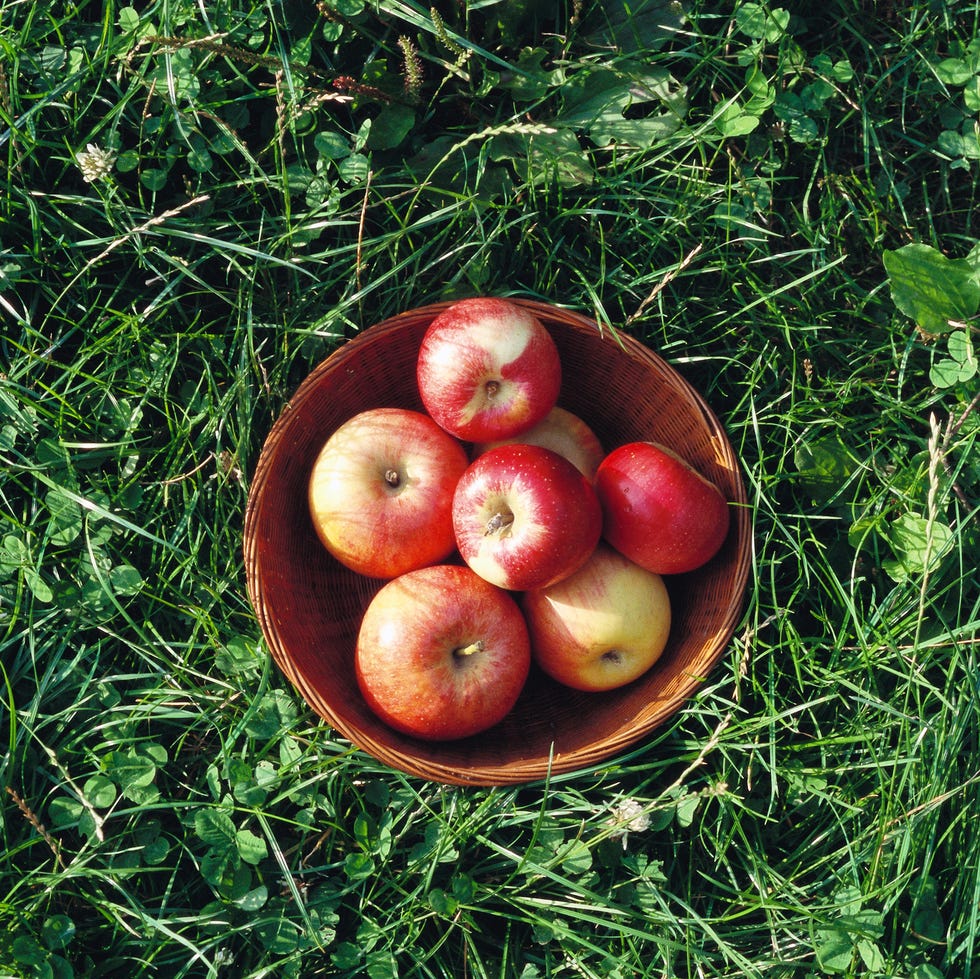
Another important step in deterring pests is to keep on top of fallen fruit and other debris that might attract them.
PhotoAlto/Frederic Cirou
Tony King, pest control expert and manager of The Pied Piper, tells Country Living: “Rodents are opportunistic and will be drawn to compost piles containing food waste, open bird feeders spilling seeds onto the ground, or bins left unsecured.
“To make a garden undesirable to these rodents, I always suggest picking up fallen fruit as soon as it hits the ground, cleaning up food residues after outdoor meals, and using secure, lidded compost bins.”
He continued: “Bird feeders must be put out with trays underneath to catch dropped seed, and pet food must never be left overnight.”
Comments are closed.