
UMass Amherst soil tests offer tailored advice for healthier gardens

Updated: 4:05 PM EDT Apr 10, 2026
Editorial Standards ⓘ
A soil test from UMass Amherst can help New England gardeners understand their soil’s health and provide customized recommendations for better plant growth. Olivia Golden of UMass Extension explained how to take a soil sample, advising gardeners to collect samples from multiple spots and to focus on areas that aren’t growing well or are managed differently. “You might want to take a separate sample for that area,” Golden said. Samples should be labeled, paperwork completed, and sent to the soil testing lab at UMass Amherst. Inside the lab, scientists dry each sample using circulating hot air, sieve the soil, and test it for various factors, including pH and essential nutrients. “pH is a measurement of the soil’s acidity. In New England, we have naturally acidic soils, so this is very important for us,” said Sam Glaze-Corcoran, of the UMass Extension Soil Testing Lab. The test results include recommendations for nitrogen, phosphorus, and potassium, as well as a lead screening. “Plants don’t need lead. But a lot of us are gardening next to older homes where lead paint could be a concern, so there is a lead screening on the test,” said Glaze-Corcoran. The lab processes around 12,000 samples annually, with each test costing $20. In return, gardeners receive customized recommendations tailored to their soil and the crops they want to grow. “This is not a back-of-the-fertilizer-bag recommendation. This is what is in your soil, the crop you told us you want to grow, and here are the recommendations for that specific plant in your specific soil so it can be the best it can possibly be,” Glaze-Corcoran said. A soil test can also help gardeners save money. “If you don’t need compost, if you don’t need fertilizer, a soil test will prevent things you don’t need to, and you can buy another plant instead,” Glaze-Corcoran said. With a simple soil test, gardeners can take the guesswork out of gardening and help their plants thrive.
BOSTON —
A soil test from UMass Amherst can help New England gardeners understand their soil’s health and provide customized recommendations for better plant growth.
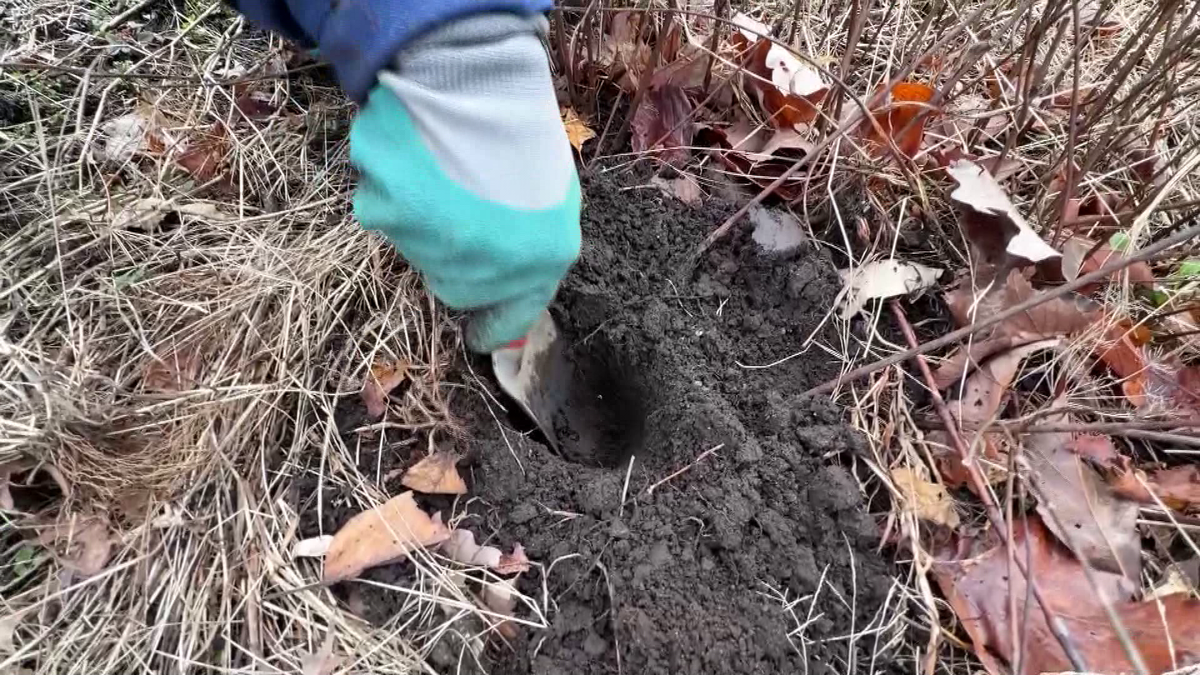
Olivia Golden of UMass Extension explained how to take a soil sample, advising gardeners to collect samples from multiple spots and to focus on areas that aren’t growing well or are managed differently.
“You might want to take a separate sample for that area,” Golden said.
Samples should be labeled, paperwork completed, and sent to the soil testing lab at UMass Amherst.
Inside the lab, scientists dry each sample using circulating hot air, sieve the soil, and test it for various factors, including pH and essential nutrients.
“pH is a measurement of the soil’s acidity. In New England, we have naturally acidic soils, so this is very important for us,” said Sam Glaze-Corcoran, of the UMass Extension Soil Testing Lab.
The test results include recommendations for nitrogen, phosphorus, and potassium, as well as a lead screening.
“Plants don’t need lead. But a lot of us are gardening next to older homes where lead paint could be a concern, so there is a lead screening on the test,” said Glaze-Corcoran.
The lab processes around 12,000 samples annually, with each test costing $20. In return, gardeners receive customized recommendations tailored to their soil and the crops they want to grow.
“This is not a back-of-the-fertilizer-bag recommendation. This is what is in your soil, the crop you told us you want to grow, and here are the recommendations for that specific plant in your specific soil so it can be the best it can possibly be,” Glaze-Corcoran said.
A soil test can also help gardeners save money.
“If you don’t need compost, if you don’t need fertilizer, a soil test will prevent things you don’t need to, and you can buy another plant instead,” Glaze-Corcoran said.
With a simple soil test, gardeners can take the guesswork out of gardening and help their plants thrive.
Comments are closed.