
Credit: Jena Ardell / Getty Images
Key Points
Invasive plants such as English ivy and Chinese wisteria are also potentially destructive.
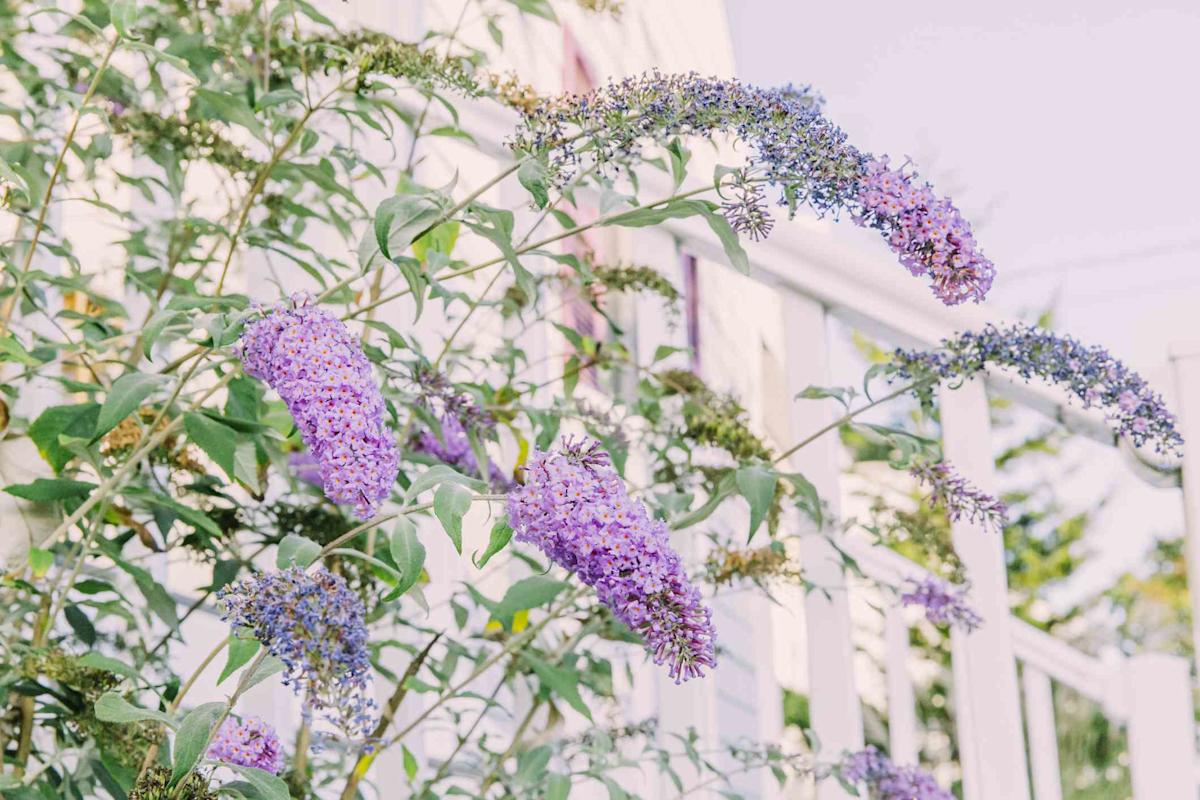
Grow favorites such as mint in containers and opt for sterile versions of butterfly bush and winged burning bush to avoid invasive issues.
Nandina, morning glory, Japanese spirea, and poison hemlock outcompete native species.
In the midst of winter, there’s no better time to get spring garden planning under way. With thousands of options at your garden-gloved fingertips, it’s sometimes easy to let invasive plants slip through. Once they’re in your garden, they can wreak havoc—causing an annoying weeding cycle at best or inflicting harm on the people, pets, and plants around them at worst.
To help you detect invasive plants that might be on your list, we enlisted the help of two gardening experts who gave their thoughts and guidance on the invasive plants they hope stay out of gardens this year.
Meet the Experts
Ren Elizabeth is a regenerative gardening expert and author of the educational blog ecofriendlyhomestead.com.
Nicole Dillon is a micro-flower farmer and owner of Breemar Flower Farm in Ashland, Virginia.
01 of 09
English Ivy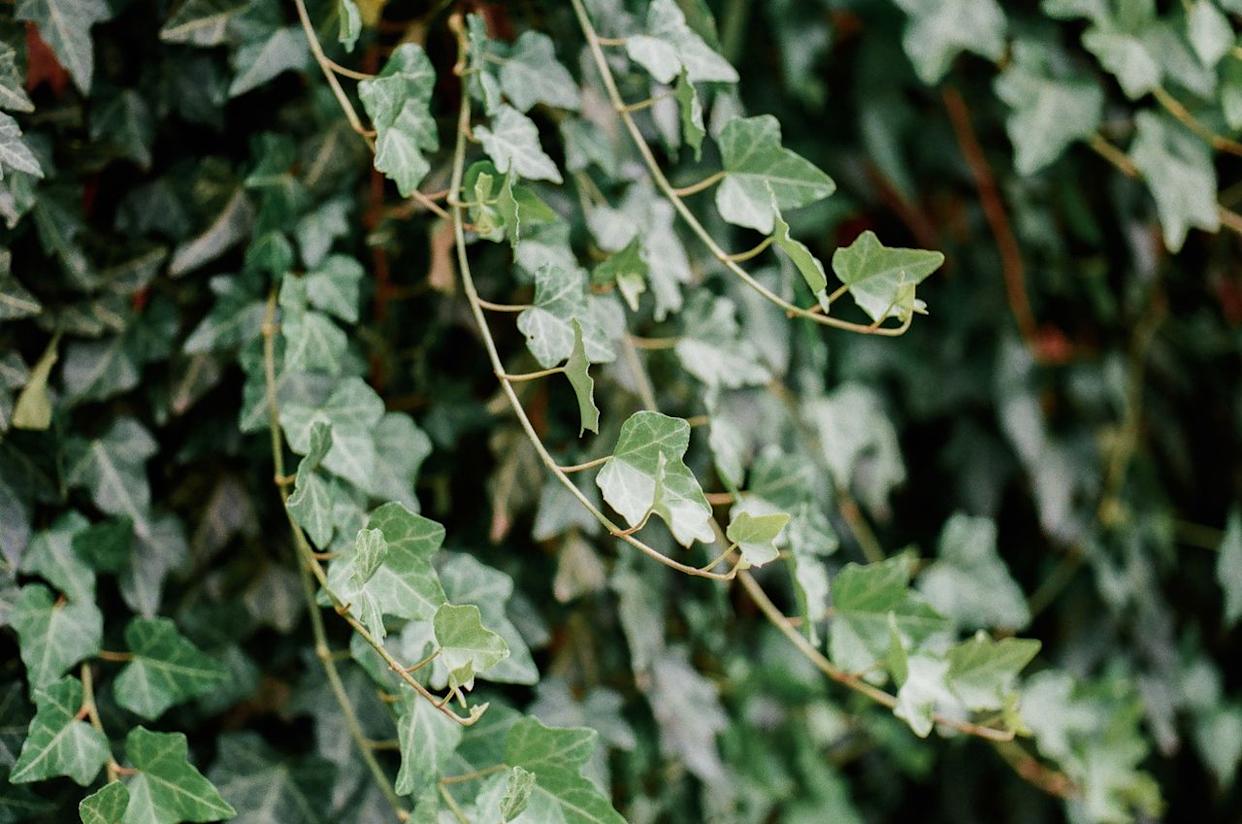
Credit: Grace Cary / Getty Images
English ivy might look like a beautiful option for covering walls and structures around your garden, but it’s better to stop and think before you buy.
“It’s known to creep onto homes and outbuildings and can look quite charming and fairytale-like, but unfortunately, as it climbs it can destroy mortar and strangle trees,” says Nicole Dillon, owner of Breemar Flower Farm.
Even if you purchase it in containers, she says the risk just isn’t worth it. Luckily, there are nice alternatives if you love the look of vining plants.
“Sweet potato vine comes in lots of shapes and colors now and is a much better choice for your container spiller,” says Dillon.
02 of 09
Mint (In-Ground)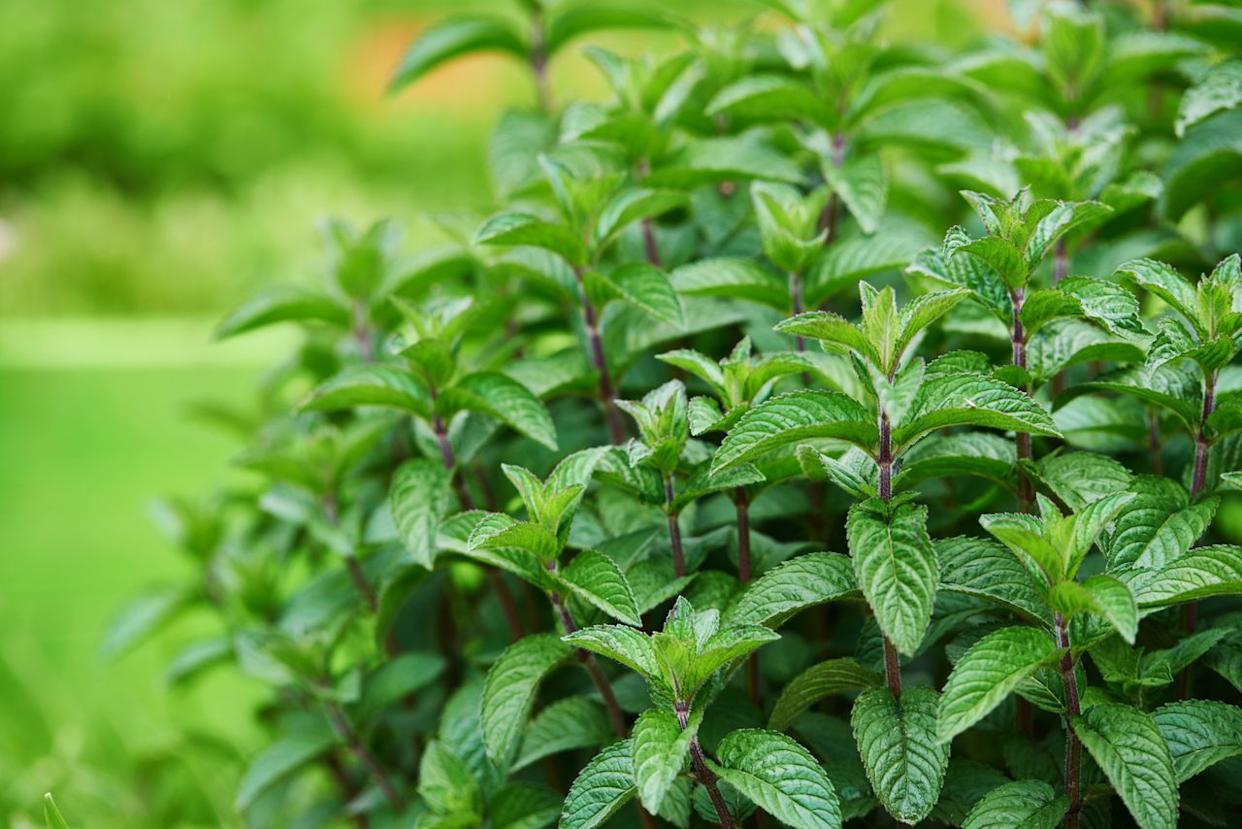
Credit: stock_colors / Getty Images
Mint is a delicious and fragrant herb, but the minute it comes out of the container, it’s nearly impossible to wrangle. Regenerative gardening expert Ren Elizabeth found out the hard way when her own mint began to spread all around her garden.
“Especially in small gardens, mint can quickly take over your garden and really reduce your growing space for your main crops,” she says. “I love mint, but please grow it in a pot and cut it back when it flowers, before it goes to seed.”
If you keep mint within a container garden, you can replace that empty bed space with other herbs that are less likely to spread in the same way, like lavender and rosemary.
03 of 09
Chinese Wisteria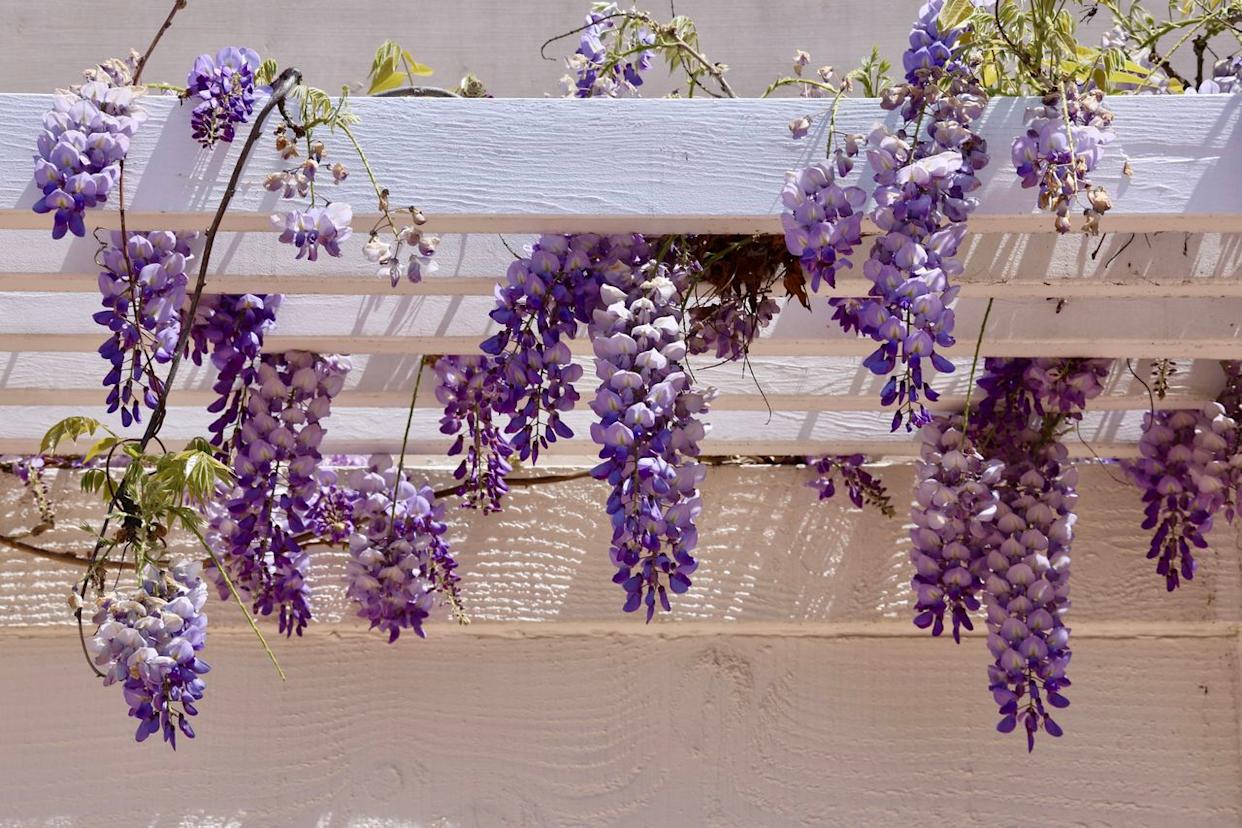
Credit: Heidi Patricola / Getty Images
It often comes as a surprise when prettier plants are deemed detrimental to the surrounding environment, as they look nothing like what you’d first imagine when you think of invasive plants. Such is the case for Chinese wisteria.
Though it is one flower that holds a lot of nostalgia and memories for people, it’s responsible for suffocating native trees, plants, and forests.
“If you are longing for a purple vine, I enjoy planting the annual vine purple hyacinth bean,” says Dillon. “It is vigorous and covers an arbor in one season with its dark purple foliage and bright purple flowers, but it dies back at frost.”
04 of 09
Butterfly Bush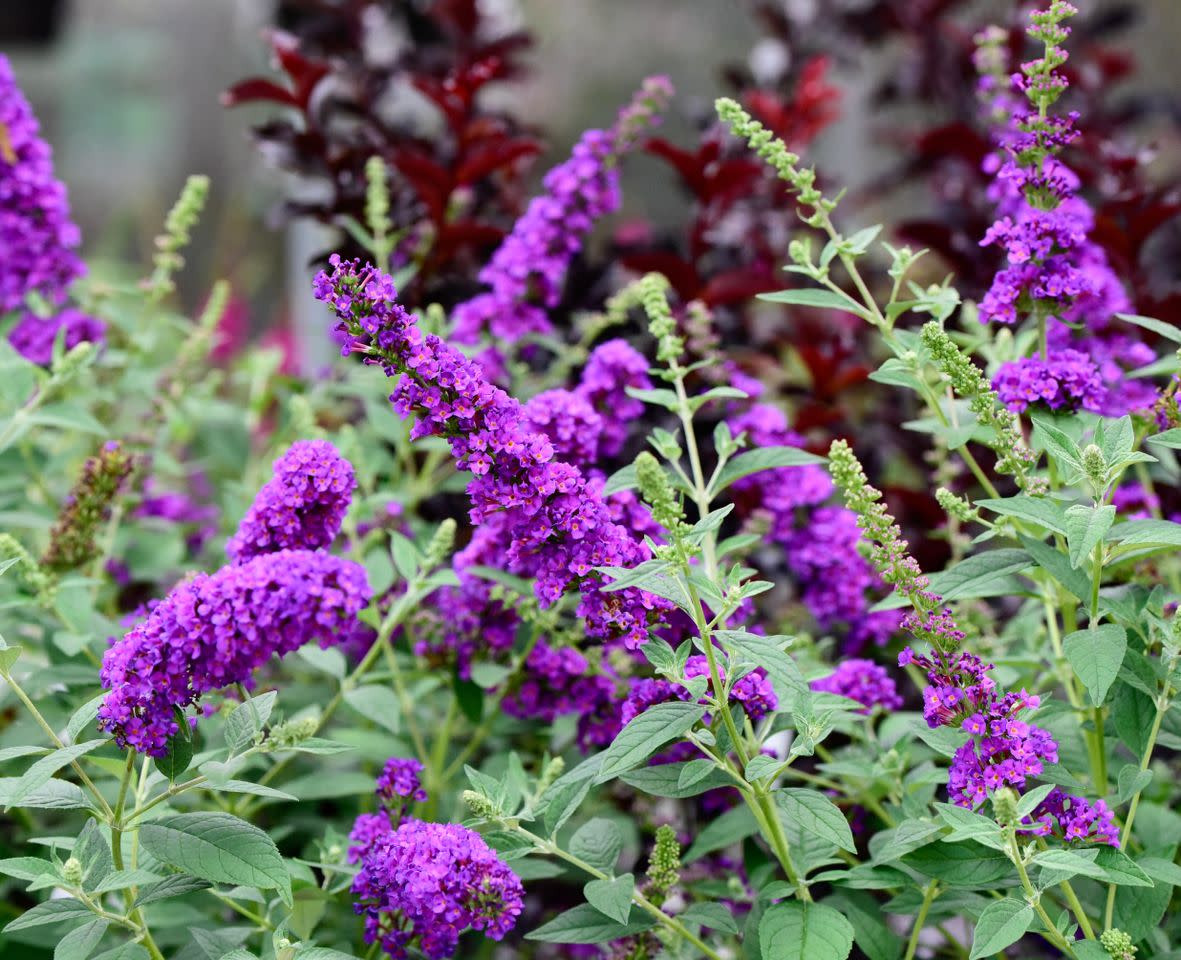
Credit: Wirestock / Getty Images
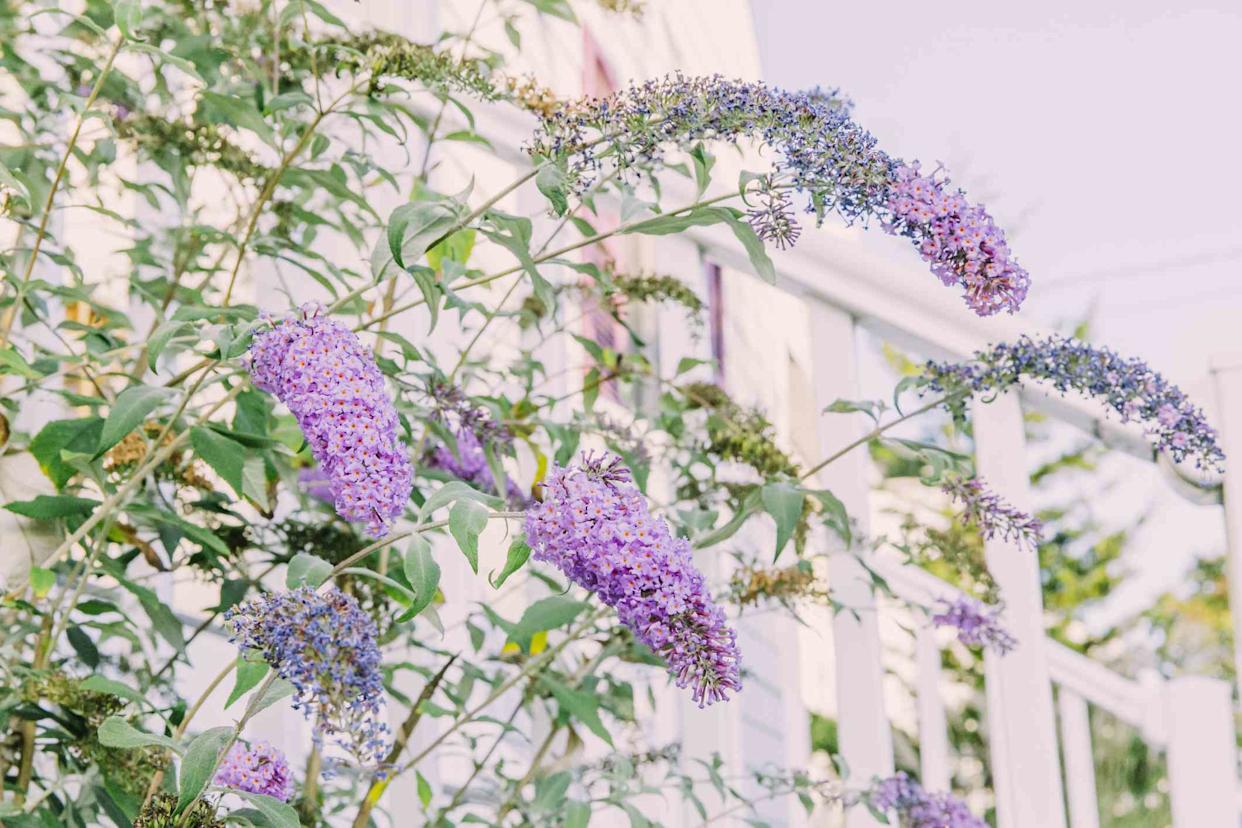
The name is somewhat deceiving. Butterfly bush may sound like it’s ideal for bringing insects to gardens but it’s certainly not the best plant for doing so.
“While it does do the job, it’s not native to the United States or Europe, and can easily spread throughout your garden if planted in ground,” says Elizabeth. “Since it’s a bush, it can be extremely difficult to get rid of, with long taproots.”
She suggests gardeners living in the United States look at incorporating milkweed that’s local to them, heirloom echinacea, or asters. These appeal to pollinators and provide lots of color, all without the invasiveness. You can also seek out sterile versions of butterfly bush that breeders are developing
05 of 09
Nandina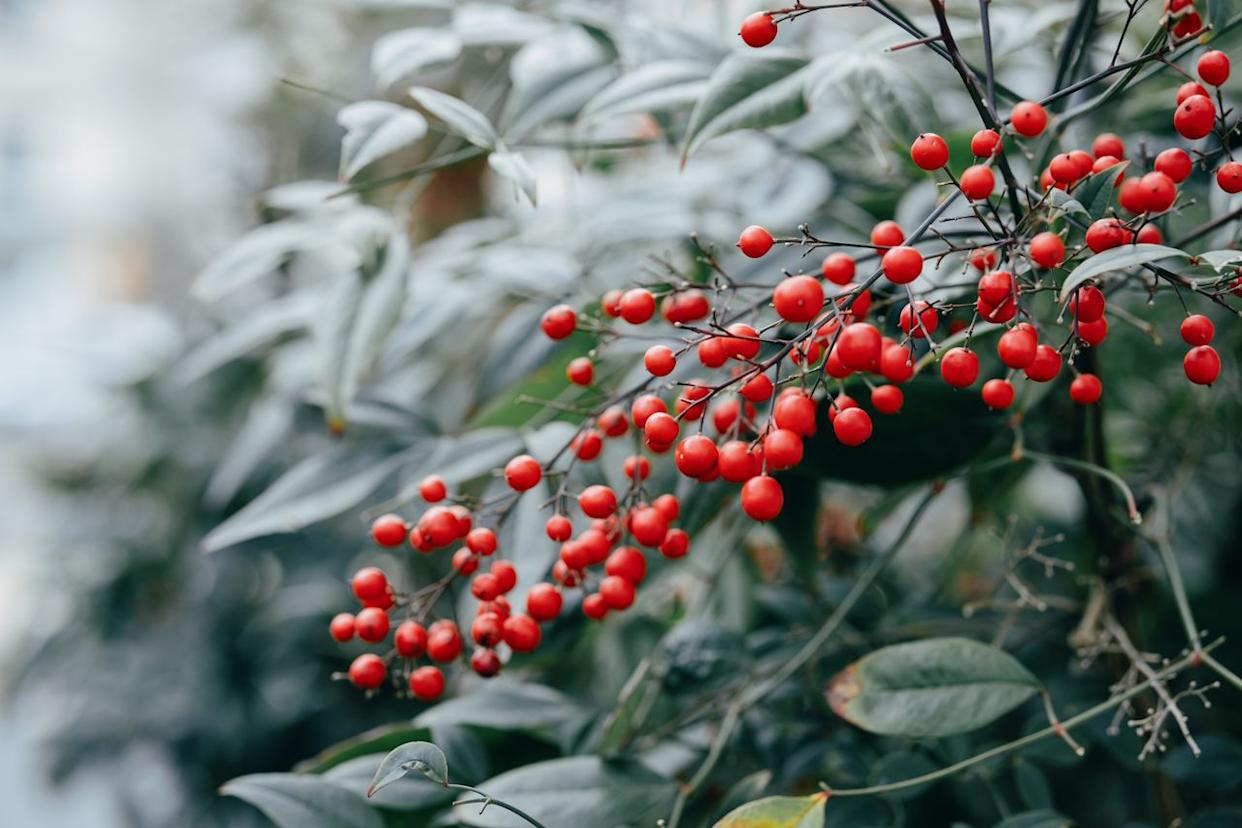
Credit: Grace Cary / Getty Images
Berries and bold colors are a great way to add variety to your garden, but it’s best to skip nandina for this purpose.
“The berries on nandina are toxic to cats and some other grazing animals,” explains Dillon. “Birds also eat the berries and disperse them in natural habitats where they can out-compete native fauna.”
Instead, she suggests winterberry, which is native and also provides a pretty note of red.
06 of 09
Morning Glory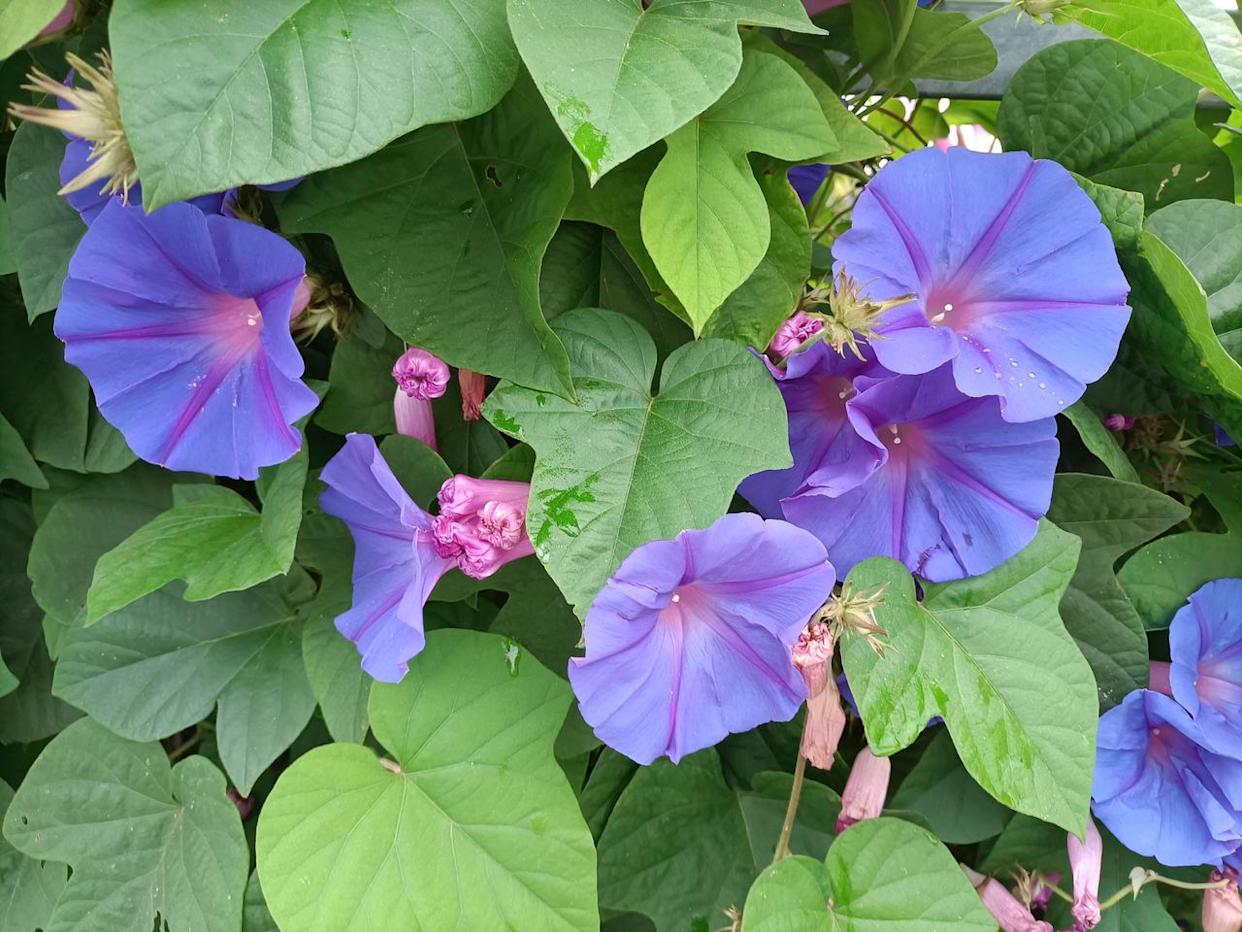
Credit: Elizabeth Fernandez / Getty Images
Another plant that looks pleasant but can quickly get out of control is morning glory.
“I started to notice that in natural areas, morning glories were interwoven with the thickets of Himalayan blackberries—a strong invasive species on the West Coast of the United States,” Elizabeth says. “If a plant can hold its own ground with Himalayan blackberry, it’s got to be extremely invasive.”
This causes trouble for native plants that insects and wildlife need, so it’s better to avoid them. As an alternative, Elizabeth suggests nasturtium, trumpet honeysuckle (non-invasive local varieties), or climbing bean and pea plants.
07 of 09
Winged Burning Bush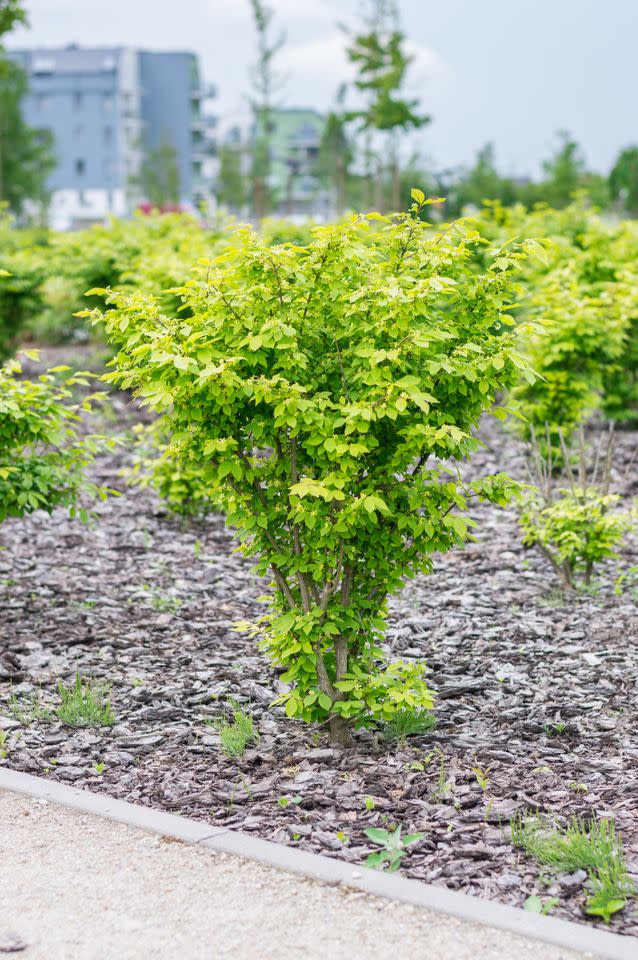
Credit: RobsonPL / Getty Images
A specific type of winged burning bush—Euonymus alatus ‘Compactus’—should be avoided as it’s extremely invasive, too.
“This plant has been improved and created to be sterile and non-invasive, but it is important to know what you are purchasing and avoid the invasive version,” Dillon says.
She recommends always checking the labels and looking at the plant itself to make sure you have the version you want and aren’t buying something that will cause issues in your backyard.
“The invasive version has corky ridges or ‘wings’ along the stem of the plant,” she says. “The non-invasive version does not have this characteristic.”
Skip the headache altogether and consider planting native sumac, ninebark, serviceberry, or oak leaf hydrangea for brilliant fall color instead.
08 of 09
Poison Hemlock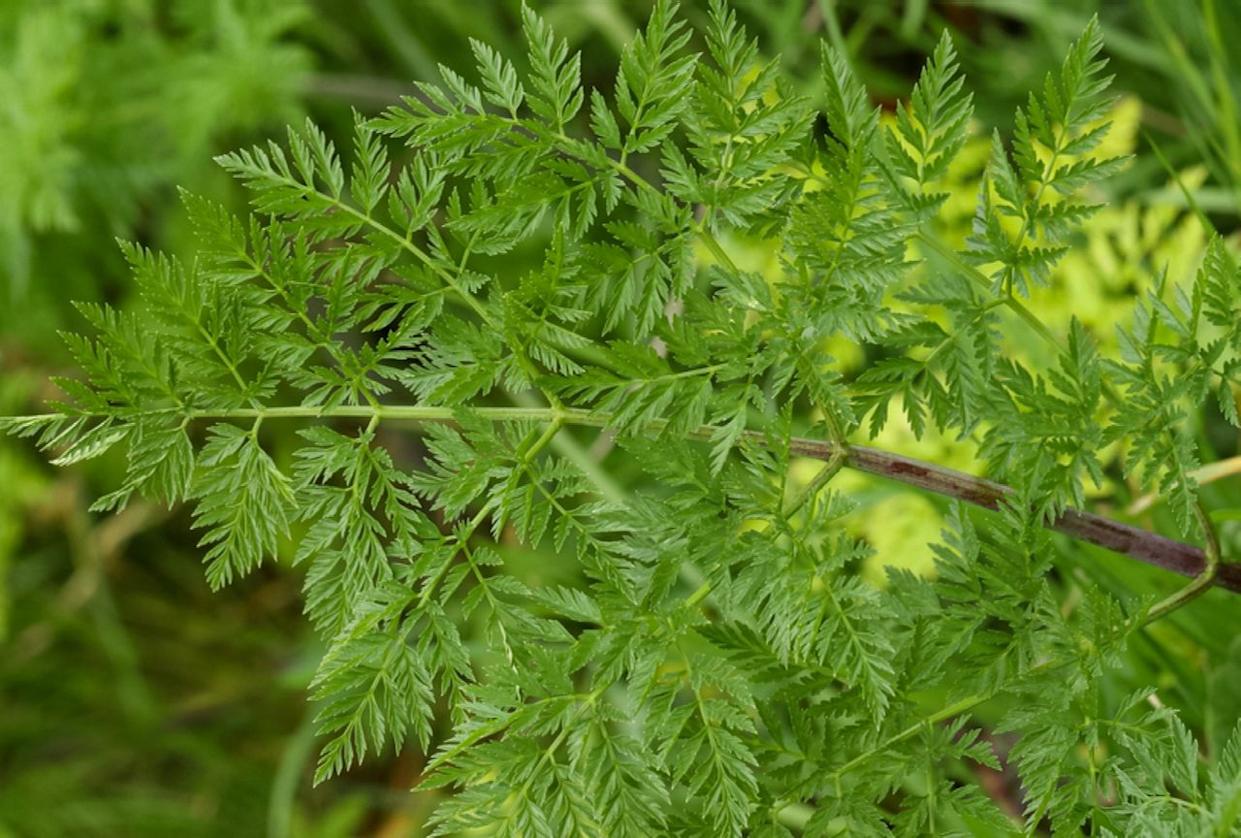
Credit: The Spruce / K. Dave
No gardener actively tries to choose poisonous plants, but those that closely resemble safer plants are harder to avoid. This is true for poison hemlock.
“It’s in the carrot family and so it can easily be mistaken for carrots or parsnips,” says Elizabeth. “This plant is one that I recommend all gardeners learn how to identify so that you can remove it if you see it growing anywhere in your backyard.”
This is more about staying vigilant about what arrives in your garden. If you do spot it, she says to always wear gloves and to pull out the entire plant and throw it away.
09 of 09
Japanese Spirea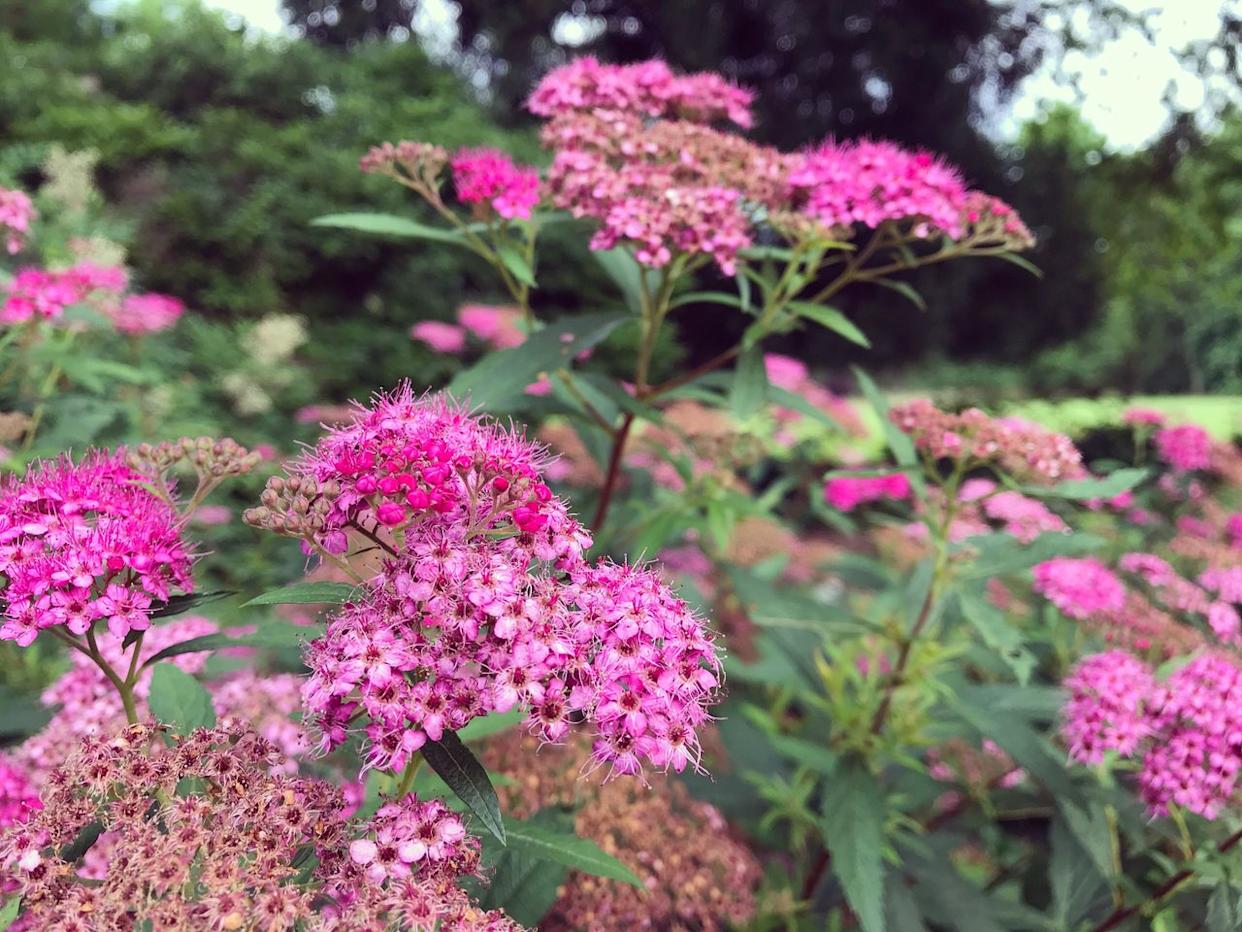
Credit: Cyndi Monaghan / Getty Images
The bright and voluminous pink flowers of Japanese spirea may feel like a fitting choice for your garden, but they’re another pick to pass on.
“Its rapid growth shades out native plants and it is an aggressive self-seeder,” says Dillon. “A native alternative with a similar look is yarrow. It comes in many beautiful colors and supports local beneficial insect species.”
Read the original article on The Spruce
Comments are closed.