
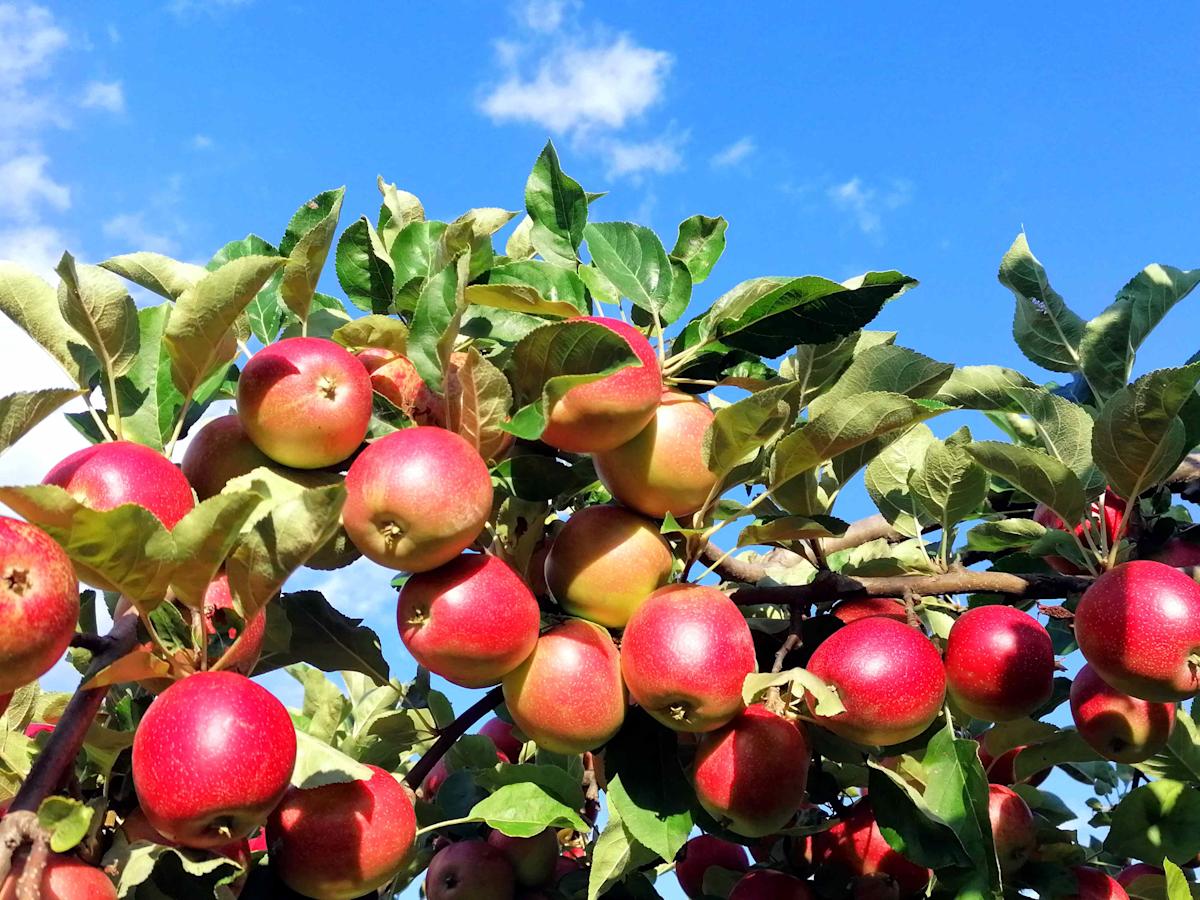
Living in a windy location can make gardening difficult, particularly when planting fruit trees. This can leave gardeners feeling that their options are limited, but there is good news. Several sturdy fruit tree varieties with strong root systems and solid branches can thrive even in the windiest conditions. Ahead, long-time fruit tree experts share some of the best options for wind-resistant fruit trees, helping you maintain a lush and productive garden, regardless of the wind strength.
Meet Our Expert
David Fried, owner of Elmore Roots Fruit Tree Nursery and a fruit tree cultivator for 46 years
Maureen Goronson, owner of Goronson Farm in Scarborough, Maine
Related: 8 Stunning Plants That Won’t Budge in Windy Weather
01 of 05
Peach Trees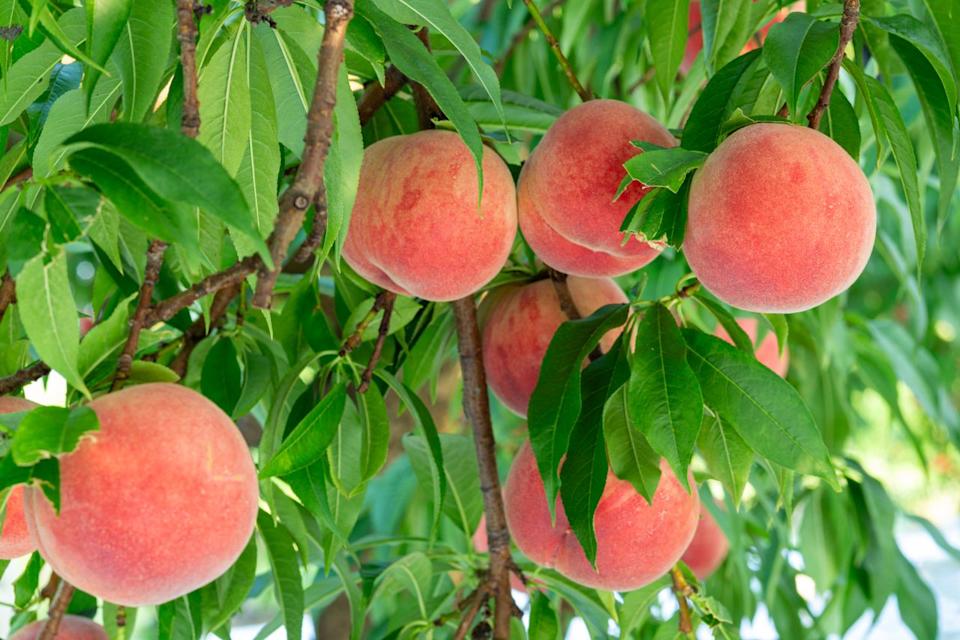
Credit: Billy_Fam / Getty Images
Maureen Goronson, owner of Goronson Farm, cultivates fruit trees in a high-wind area and recommends growing cold-hardy fruits, such as peaches. Peach trees are bred to withstand low winter temperatures and strong winds, making them resilient and structurally strong. Some wind-resistant varieties to consider are Reliance, Contender, and Frost. Not only are they juicy and delicious, but these varieties also exhibit vigorous growth and can develop sturdy scaffold limbs when properly trained.
02 of 05
Standard Rootstock Apple Trees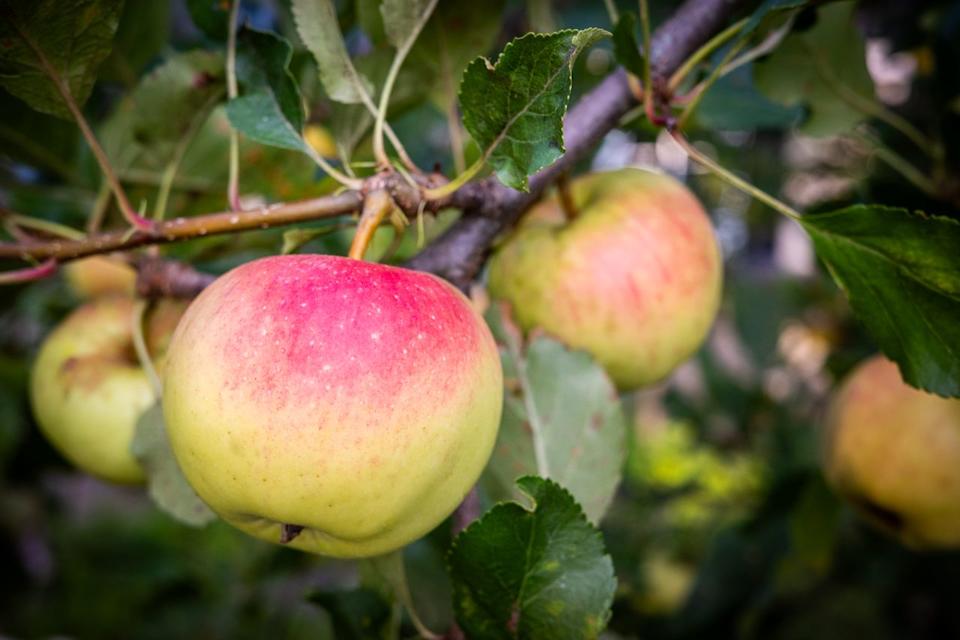
Credit: 5m3photos / Getty Images
If you live in a windy area, you can still enjoy delicious apples right from the garden. “Standard rootstock apples are larger trees, but their rootstocks are stronger and deeper rooted than dwarf or semi dwarf fruit trees,” says David Fried, owner of Elmore Roots Fruit Tree Nursery. “Their robust systems and strong trunks help them withstand windy conditions.”
Standard trees are also more resilient and recover better from environmental stress. When planting, Fried recommends using an 8-foot stake to support the tree until it is strong enough to stand on its own.
03 of 05
Standard Rootstock Pear Trees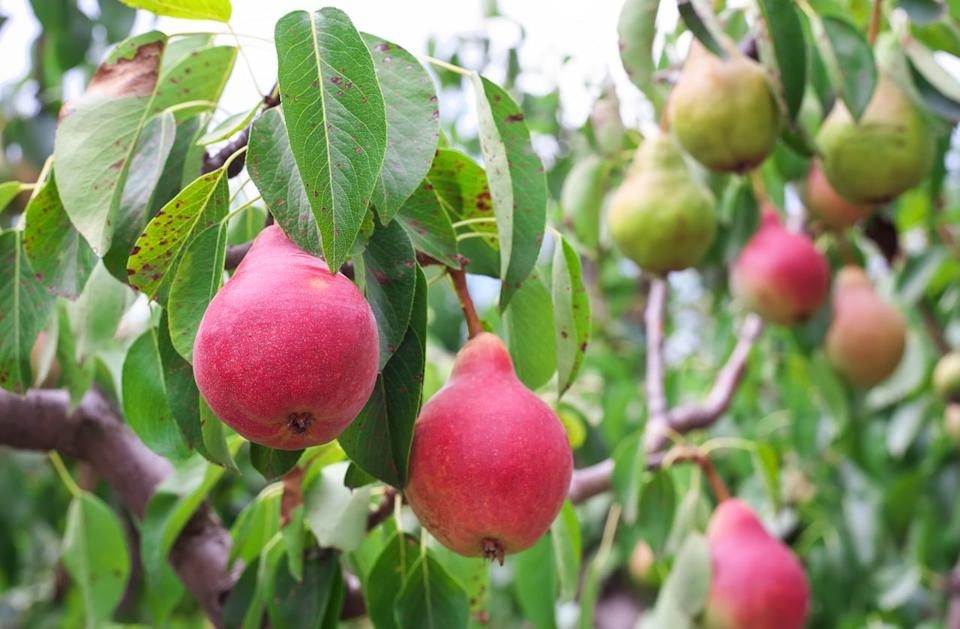
Credit: ESOlex / Getty Images
Cold-hardy, standard rootstock pears are excellent options for areas with high winds. Varieties like Summercrisp, Golden Spice, Kieffer, and Gourmet are frequently sold on standard rootstocks, making them well-suited for windy, exposed areas. While the standard rootstock pear trees often have a robust root system well-suited to windy areas, Fried notes that growth success can depend on other factors, such as soil quality, water availability, and overall care.
04 of 05
Mulberry Trees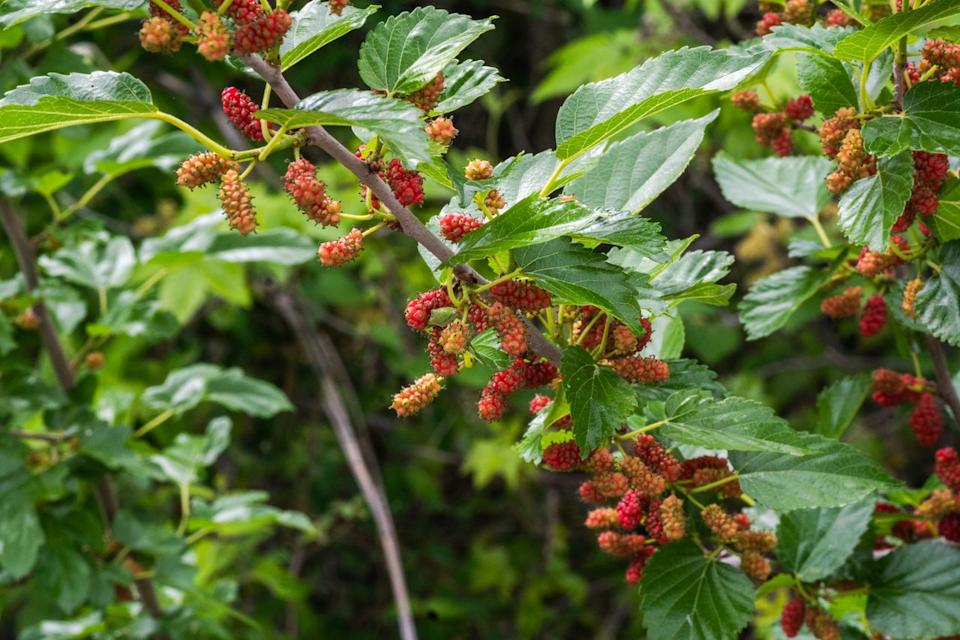
Credit: Kanokwalee Pusitanun / Getty Images
Mulberries are considered to be tough, wind-resistant trees that can even serve as effective windbreaks. Thanks to its dense, flexible branching structure, rapid growth habit, and deep, strong taproots that anchor it firmly, this deciduous tree excels in windy conditions. To ensure mulberries remain structurally strong and highly wind-resistant, proper pruning is crucial. Pruning during late winter, when the tree is dormant, is essential for developing a robust, open vase-like structure. This approach promotes optimal air circulation and supports the tree’s overall structural integrity. When planting, look for varieties like Russian Mulberry, which is known for its wind resistance.
05 of 05
American Persimmon Trees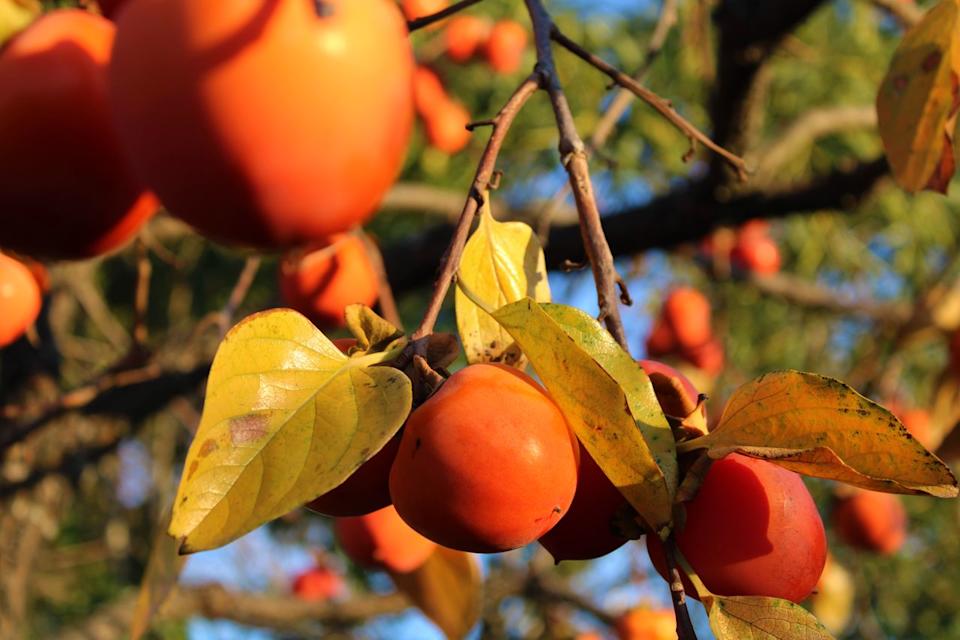
Credit: Casey Long / Getty Images
The American Persimmon is often used in landscaping for its durability, exceptional wind resistance, and intensely sweet, rich flavor. This tree develops a robust, deep taproot system that can extend up to 8 feet or more, anchoring it firmly in the ground and preventing it from toppling over or being uprooted. In addition to its strong taproot, the tree produces extremely hard, dense wood that is flexible enough to bend without snapping in strong wind gusts. To maximize wind resistance, consider staking the tree when it’s young and providing optimal growing conditions to help it reach its full potential.
Read the original article on Martha Stewart
Comments are closed.