
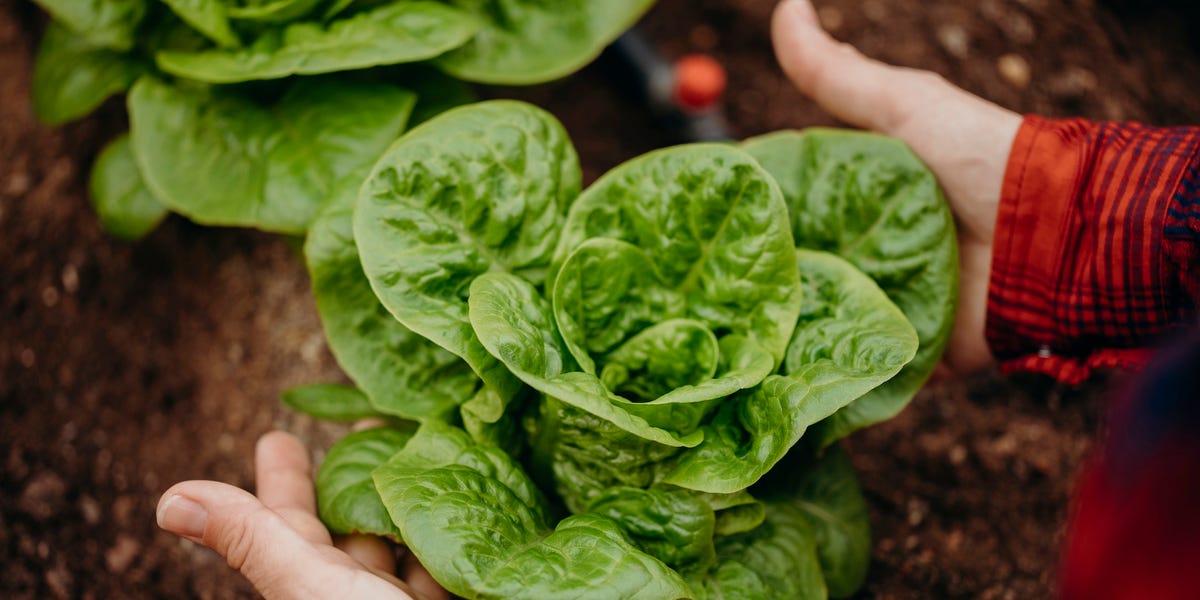
 3 min read
It’s hard to resist that springtime itch to get something in the ground. Even though you may experience a few warm days, it’s best to wait until after your last frost date to plant warm-weather crops like tomatoes. Thankfully, many cool-season vegetables thrive in early spring’s lower temperatures and shorter days.
If you’re looking to make the most of that window between winter’s end and your last frost date, there are plenty of quick-growing, cold-tolerant options to choose from. Many of these crops mature in just a few weeks and can even be harvested young for tender, flavorful greens. From crisp roots to leafy greens and zesty mixes, these early performers are the perfect picks for spring veggies you can grow from seed to harvest in under a month.
Radishes
Raphanus sativus
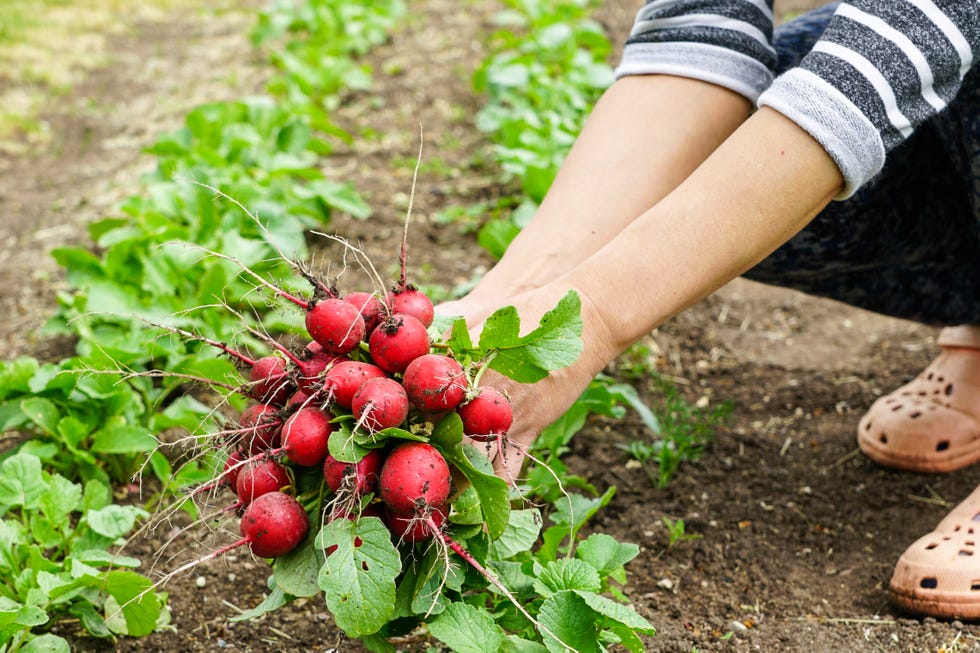
Zigmunds Dizgalvis//Getty Images
Peppery and refreshing, radishes are one of the most satisfying and fastest vegetables to grow in spring. In fact, their botanical genus name, Raphanus, literally translates to “quickly appearing.” These adorable veggies love cool weather and go from seed to harvest in as little as 21 days! They are delicious raw, but even tastier tossed with a simple vinaigrette, layered on crusty toast with butter, or even pickled. Some varieties to consider include French Breakfast, Pink Beauty, and the classic Red Globe.
Arugula
Eruca vesicaria
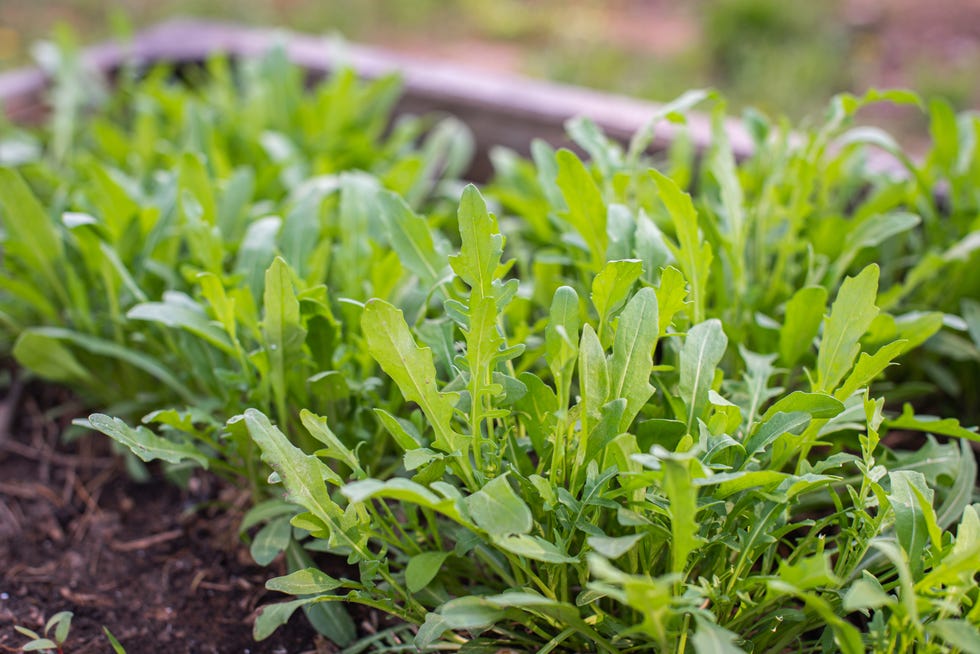
letterberry//Getty Images
Also known as garden rocket, arugula adds a peppery, spicy snap to spring salads. Like radishes, these tender greens are ready in as little as 21 days and are best harvested young, as older leaves become tougher. Although fast-growing, arugula can be invasive if not kept in check, as it readily naturalizes in disturbed habitats. To prevent it from taking over your garden, harvest leaves regularly and pull plants before they bolt and self-seed. Some fun and tasty varieties to consider are Astro and Dragon’s Tongue.
Leaf Lettuces
Lactuca sativa
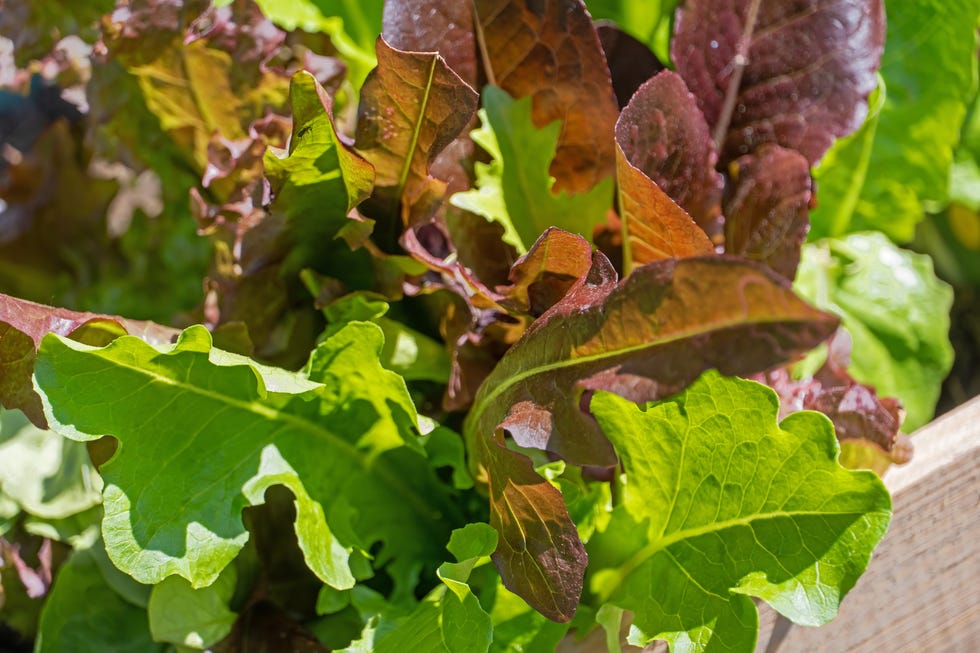
Elisabeth Schittenhelm//Getty Images
Lettuce varieties like romaine and red or green leaf can be harvested as “baby leaves” in as little as 25 to 30 days, with no need to wait for full maturity. These “cut-and-come-again” types allow you to harvest only what you need while the rest continues to grow. For added variety, consider a mesclun mix—a blend of young, tender greens that offers a range of flavors and textures. As a result, you can enjoy fresh harvests every few days. Some great varieties include Parris Island Cos and Salad Bowl.
Spinach
Spinacia oleracea
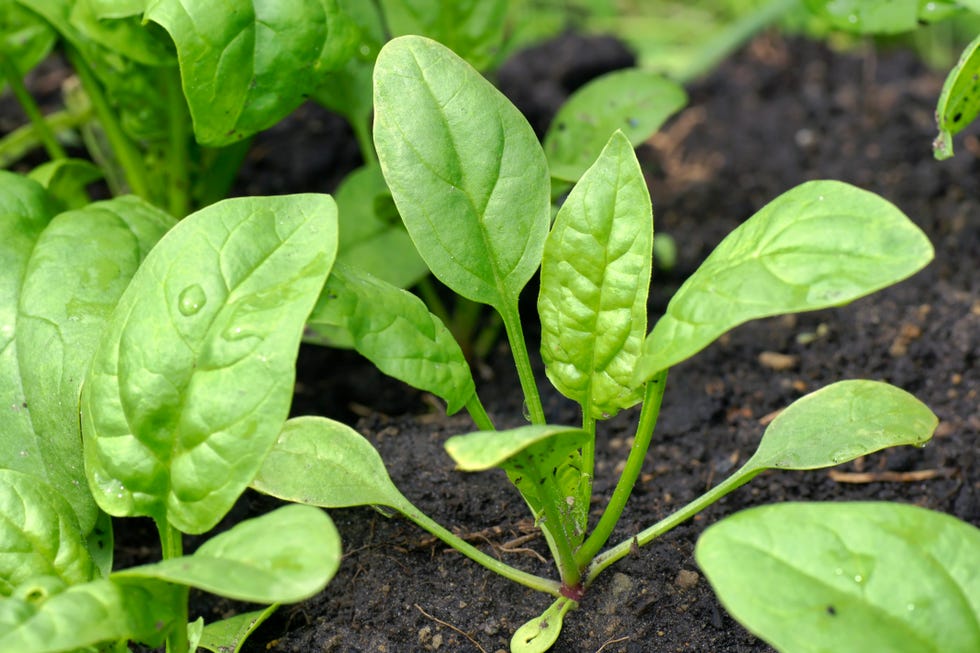
SylvieBouchard//Getty Images
Spinach thrives in cool weather and is excellent for harvesting young leaves. It’s a hardy green that can withstand late-season frost and freezes! The rich green leaves are ready to harvest as soon as they are at least an inch tall. To speed up germination, soak the seeds overnight before sowing. Some popular varieties include Bloomsdale and New Zealand.
Garden Cress
Lepidium sativum
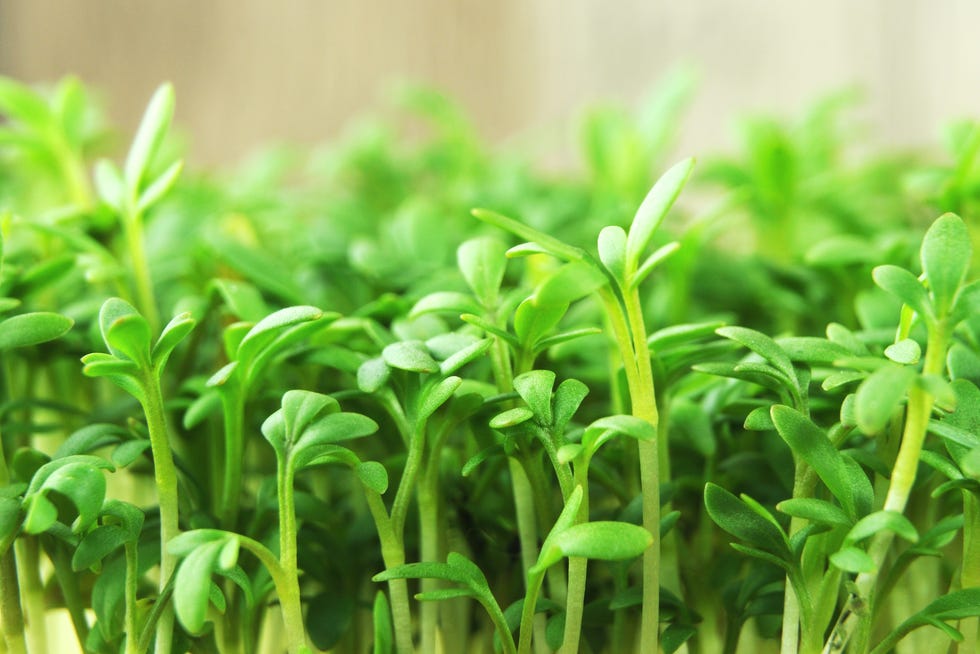
Carmen Hauser//Getty Images
Garden cress is prized for its tender green leaves and bright, peppery flavor. This fast-maturing crop can be harvested as baby greens or grown as microgreens in a very short time. It thrives in cool weather and can be planted in early spring or later in the season. Use it fresh in salads, as a garnish, or to add a zesty kick to sandwiches. Curled Cress and Wrinkled Crinkled Cress are popular varieties.
Asian Greens
Brassica rapa
Brassica juncea
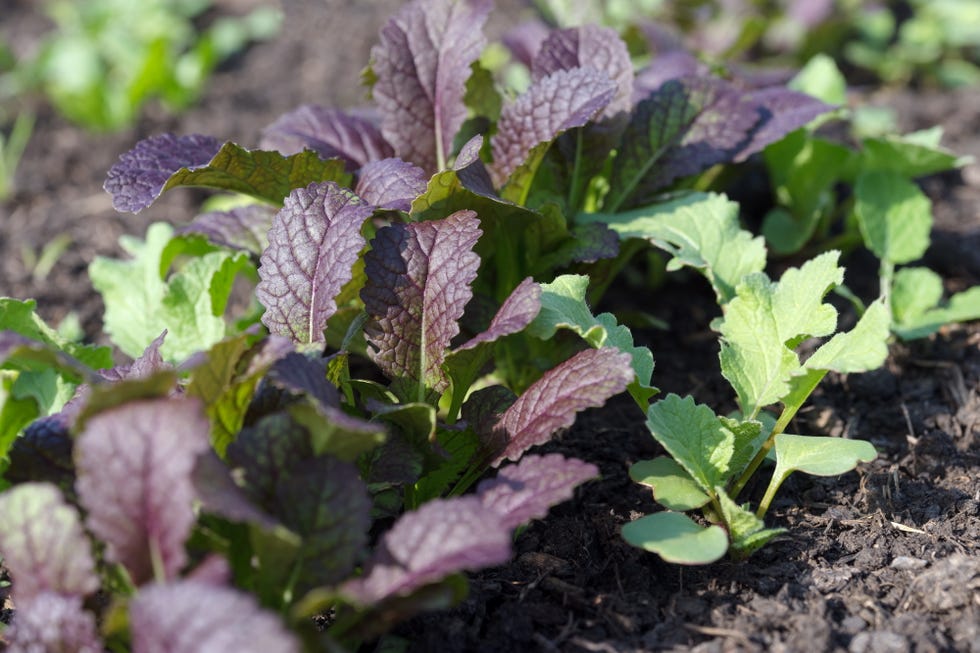
Svetlana Popova//Getty Images
Bok choy and tatsoi (Brassica rapa), along with mizuna (Brassica juncea), are versatile greens that can be enjoyed fresh in salads, sautéed as a side, or added to stir-fries. Like leaf lettuce and spinach, they can be harvested young when the leaves are about an inch tall, often within just a few weeks. These fast-growing greens thrive in cool weather and produce tender, flavorful leaves. For a longer harvest, treat them as cut-and-come-again crops by picking outer leaves as needed. A few fun varieties include Joi Choi, Red Choi, and Kyoto.

Debbie Wolfe is a writer, photographer, and author. She has contributed hundreds of home and garden articles and DIY tutorials to leading media outlets and retailers. Debbie covers all home and gardening topics and has published hundreds of DIY tutorials with step-by-step photography for leading home and garden media outlets.
Comments are closed.