
 April 6 is California Poppy Day. April Lynch, Sonoma County Master Gardeners
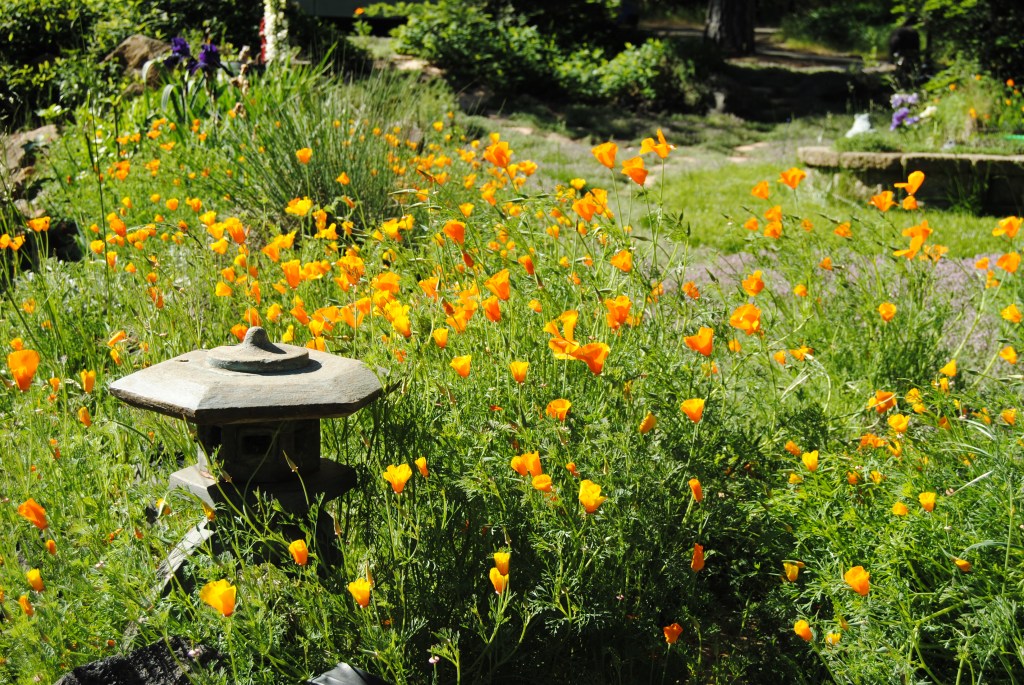
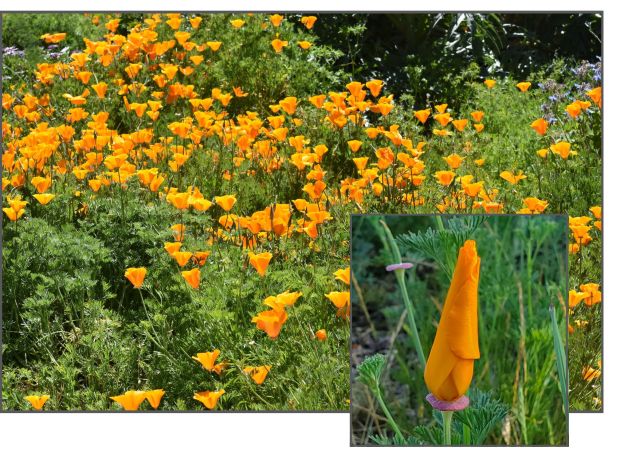
April 6 celebrates California Poppy Day, just as these native plants are bursting into bloom across the countryside. The California poppy, Eschscholzia californica, blossoms in the spring, summer and fall along country roadsides, and covers valleys, fields and hillsides throughout much of our state, making this plant a highly recognizable symbol of California. On March 2, 1903, the California poppy, also known as the golden poppy, cup of gold or California sunlight, was named our official state flower.
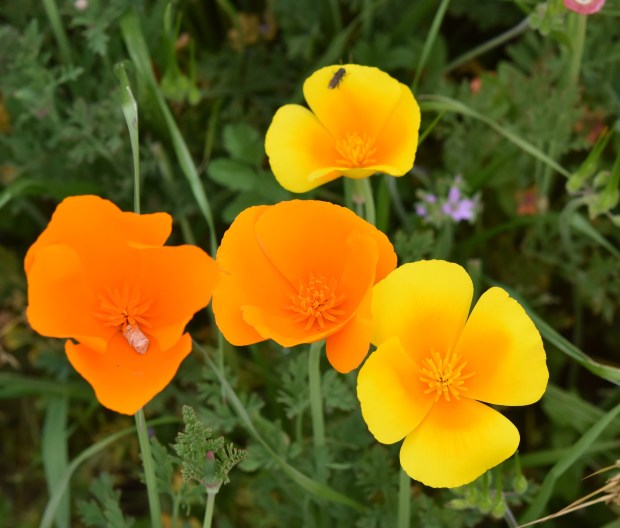
California poppies are annual or perennial herbs with large, fleshy tap roots, and are perfectly suited to the state’s Mediterranean climate, with cool, wet winters and warm dry summers. They are known for their vivid orange hue. The author John Steinbeck described them as “not orange, not gold, but if pure gold were liquid and could raise a cream, that golden cream might be like the color of the poppies.”
 April 6 is California Poppy Day. April Lynch, Sonoma County Master Gardeners
Poppies grace many of our landscapes with a natural range that stretches across the West from sea level to 6,500 feet in elevation. Not only do they flourish in their native California habitat, they’re also scattered throughout southern Washington, Nevada, New Mexico and northwestern Baja California. They are naturalized in southeastern North America, Argentina, Australia, Chile, Europe and South Africa, no doubt having escaped from botanical gardens, nurseries and home garden plots into the wild.
Poppies readily reseed themselves. When the cylindrical seed pods dry, they pop open and forcefully eject the tiny round seeds away from the parent plant to where there is less competition for moisture and soil nutrients. Hence, they have been given the name “poppies.”
Another explanation for the poppy’s success is its adaptability. California poppies flourish in full sun or part shade in the open areas of many plant communities, including coastal scrub, foothill woodlands, chaparral and valley grasslands. They also do very well in coastal dunes, arid plains and desert fringes. In general, they prefer sandy, infertile well-drained soils, but will also thrive in poor soil conditions, such as clay.
Finally, these picture-perfect flowers exhibit an unusual behavior — they open in full sunlight and close during cloudy weather or at night. This adaptation helps to conserve energy and protect the pollen folded within the four silky petals.
Poppies can be easily grown in your own garden. In the fall, prepare a weed-free bed to reduce competition for nutrients, moisture and space. Broadcast the seeds thinly, but don’t cover them with soil. Press them in gently to provide good contact with the earth. If the seasonal rainfall is inadequate, supplement your seedlings with water until they are established, but don’t allow the soil to become soggy. Later in the summer, you can water them when temperatures spike to extend their growing season. Your poppies will return year after year to add beauty to your garden and to create habitat for native insects and wildlife.
Contributors to this week’s column were April Lynch, Kimberly Nielsen-Glynn and Joy Lanzendorfer. The UC Master Gardener Program of Sonoma County sonomamg.ucanr.edu/ provides environmentally sustainable, science-based horticultural information to Sonoma County home gardeners. Send your gardening questions to scmgpd@gmail.com. You will receive answers to your questions either in this newspaper or from our Information Desk. You can contact the Information Desk directly at 707-565-2608 or mgsonoma@ucanr.edu. To receive free gardening tips and news about upcoming events, sign up for our monthly newsletter: https://tinyurl.com/y3uynteb
Comments are closed.