
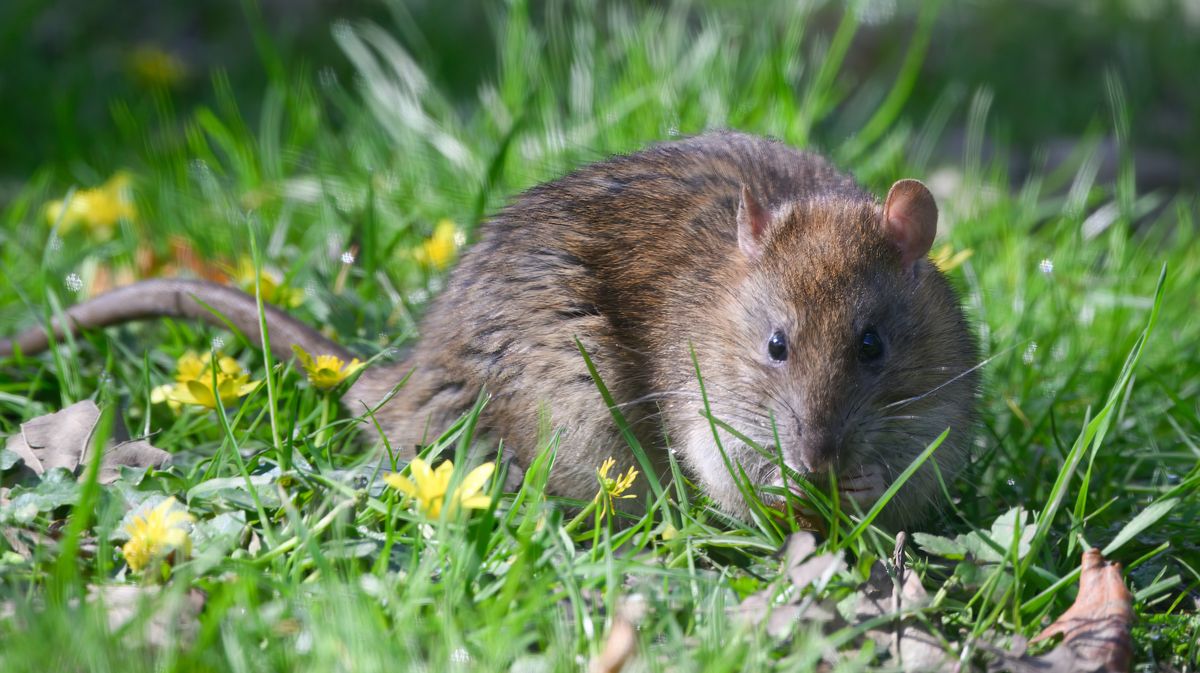
The easy change is non-toxic and doesn’t require spending a penny.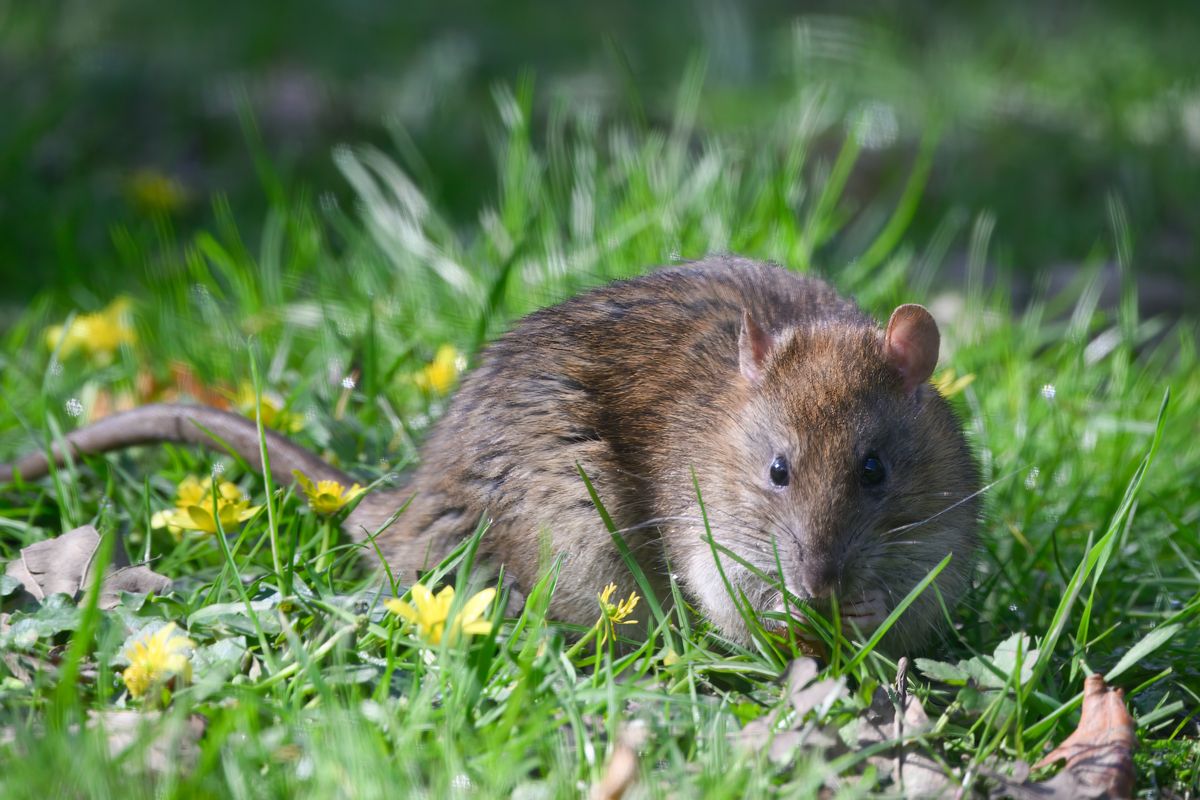
Rats are a common garden problem(Image: Getty Images)
Rats are a gardener’s worst nightmare, as they can take over our outdoor spaces. They are a common issue for many, especially during spring, when they are at their prime breeding time.
The weather is starting to improve, and gardeners have ventured back outdoors to tidy up their gardens. However, rats are searching for shelter and food, and find gardens an ideal location for both.
The creatures are mostly nocturnal, so you might not even realise you have them in your garden, but they do leave some clues that they have been there. Look out for runs, which are greasy tracks alongside walls, fences or buildings.
Gnawed wood, teeth marks in crops, burrows, and heaps of loose, shredded materials are also signs rats have been there. Thankfully, there are changes you can make to your outside spaces to make them less attractive to rats.
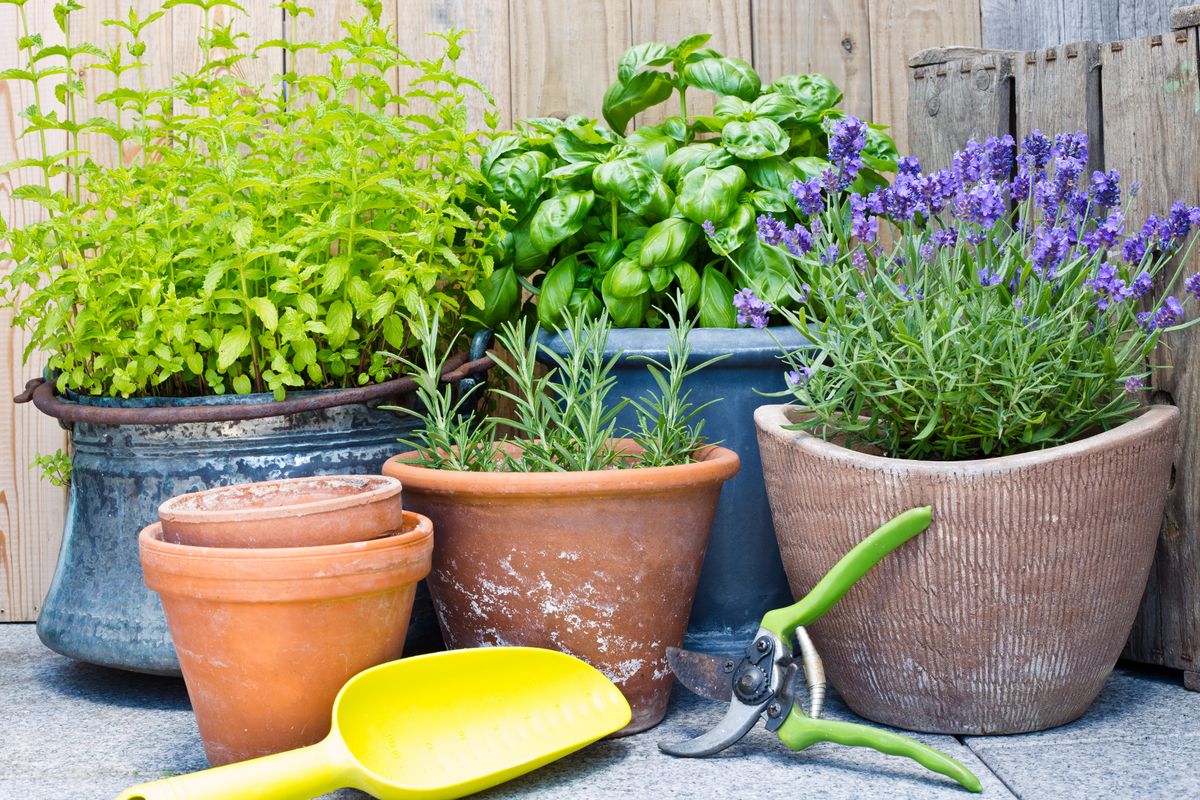
Deter rats by regularly moving things around your garden(Image: Getty Images/iStockphoto)
According to Gardeners’ World, you can deter rats from your garden with one very simple change. All you need to do is move things around your garden.
The publication explained: “Rats are ‘neo-phobic’, which means they have a fear of new things. They don’t like disruption to their territory, so place obstacles in their runs and move things around in the garden frequently.”
It is a simple, non-toxic method that can deter rats as they are wary of changes to their environment. Gardeners have also been urged to keep their spaces clean and tidy, as mess attracts rats.
Regular disruption to a garden can be as simple as moving pots around. Despite the simple changes, rats will feel uncomfortable and will be encouraged to move on.
Garden expert Alan Titchmarsh has also shared his own hacks for deterring rats. He said gardens with compost heaps are a particular draw for them.
He said in a video for Gardeners’ World: “The place they love more than anywhere else in the garden is the compost heap. Mainly because of the heat generated by all this rotting vegetation.
“They can burrow into it, and they’ve got a central-heated house.” Alan explained that there are two changes you can make to the compost heap to make it much less attractive to rats.
Start by ensuring there are no gaps in the heap for them to get in. Alan’s own compost heap has a steel sheeting lining the inside.
His next time is about what goes into the compost heap. “Don’t put processed food, anything you have cooked, any meat, any potatoes,” he urged.
“Don’t do that because it’s just an absolute open invitation for rats.” Instead, Alan suggests putting in mouldy apples, as they rot quickly, and any green clippings from the garden.
Comments are closed.