
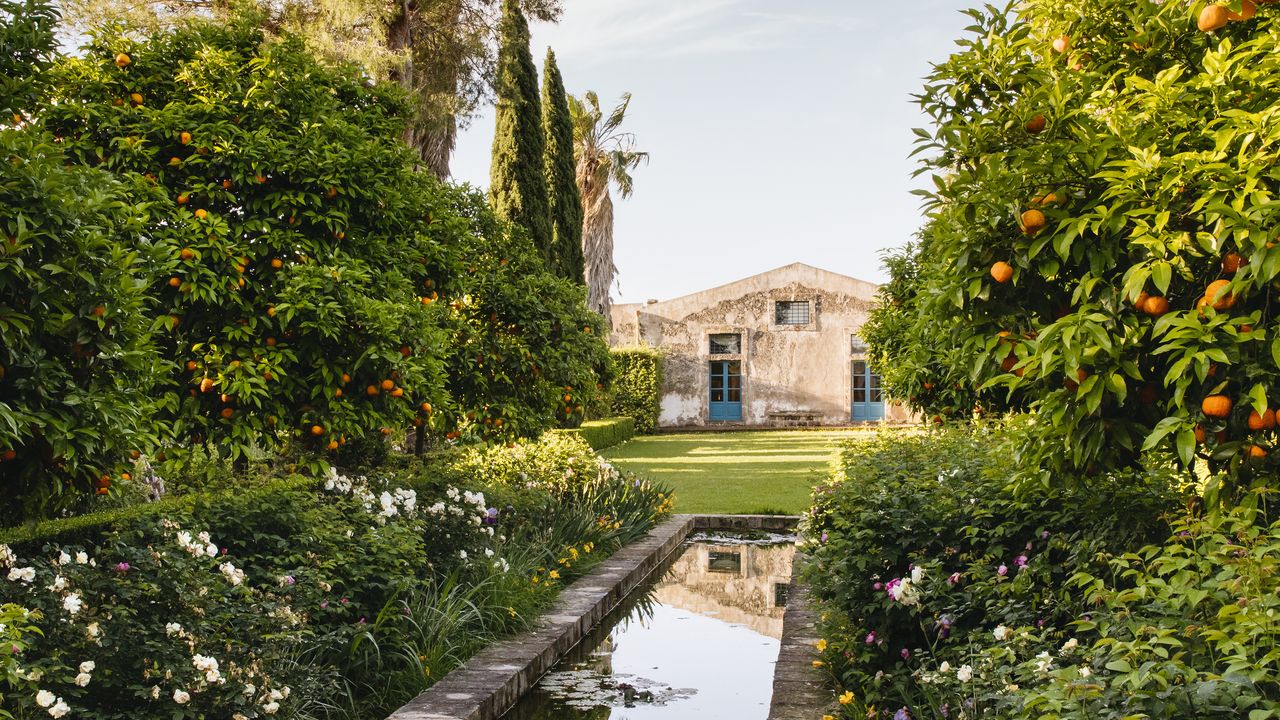
After the fall of Rome, the Order of Saint Benedict took on abandoned Roman estates and developed them as monasteries. Here the link between labouring on the land and cultivating the mind became entwined as ‘the life of the sprit needed to be grounded in a relationship with the earth’ (Sue Stuart-Smith). As well as productive orchards and vegetable gardens, a typical monastery would include enclosed spaces – hortus conclusus – for mediation and recuperation. Alongside this, the idea that fresh clean air and scent could have a powerful effect on human physiology and psychology was gathering pace.
By the Middle Ages, hospital gardens modelled on the cloister of the monastery, were seen as integral to the running of the hospital – not just to feed staff and patients, but also grow medicines and offer access to the outdoors and a space for quiet contemplation. Some of our most well-known gardens and green spaces are born of this early link between gardens and health. Chelsea Royal Hospital, home to RHS Chelsea Flower Show, was once a physic garden and apothecary dedicated to the care of the resident veteran population. Over the years, these gardens, often in prime locations, were sold off as clinical efficiency and technological medical advances took precedence.
The concept of healing garden has been revived in UK hospitals, in large part thanks to pioneering garden designer and writer, Maggie Keswick Jencks, founder of the charity Maggie’s. On being diagnosed with cancer in her forties, she was dismayed to discover the alienating and sterile hospital environments she found herself in. Convinced of the valuable role good design could play in wellbeing, she started Maggie’s a charity dedicated to creating cancer support centres that make the experience of dealing with cancer more manageable for everyone. Central to this is good design – Maggie’s centres are renowned for their world-class architecture and immersive gardens that put patient experience at the fore. Forty years on, the list of designers and architects associated with Maggie’s centres (Dan Pearson, Kim Wilkie, Sarah Price) is testament to her clarity of vision.
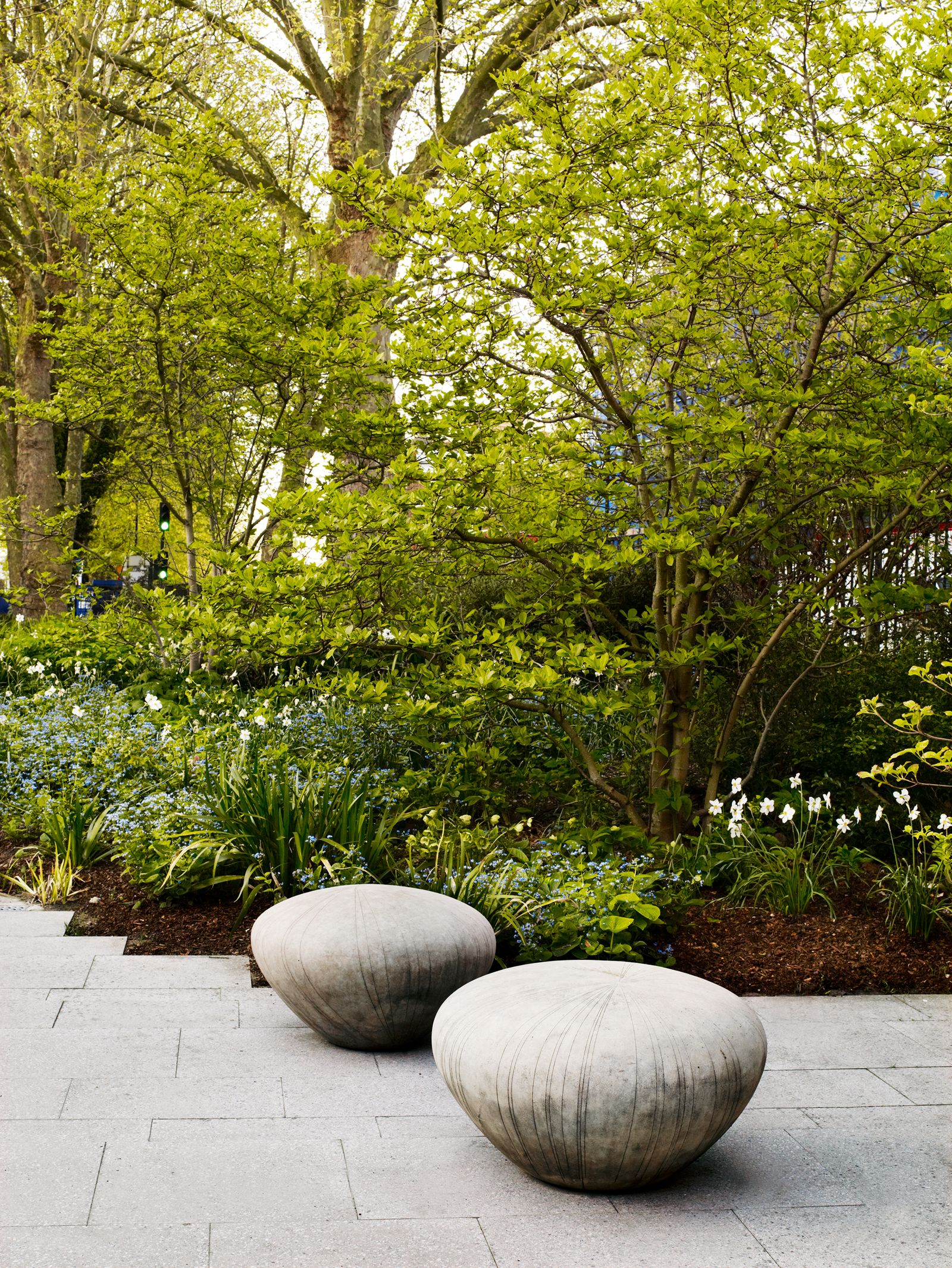
Part of the garden at Maggie’s.
Andrew Montgomery
Today science is validating what gardeners have known for hundreds of years. One of the largest studies to date on gardens and gardening, by the National Institute for Health Research, found that the benefits of gardening were similar to the difference in health between the wealthiest people and the poorest people in the country. It reduces stress, lowers blood pressure, promotes feelings of mastery, accomplishment and competence, higher levels of self-efficacy, self-esteem, and psychological wellbeing.
But you don’t even need to physically engage with gardens for them to have a profound impact on your health. In a 1984 study, environmental psychologist Roger Ulrich showed that if all else being equal, gall-bladder surgery patients whose rooms looked out onto leafy trees and greenery (as opposed to buildings or car-parking), healed a day faster, needed significantly less pain medication and had fewer postsurgical complications. Just three to five minutes spent looking at views dominated by trees, flowers or water can reduce anger, anxiety and pain.
Comments are closed.