
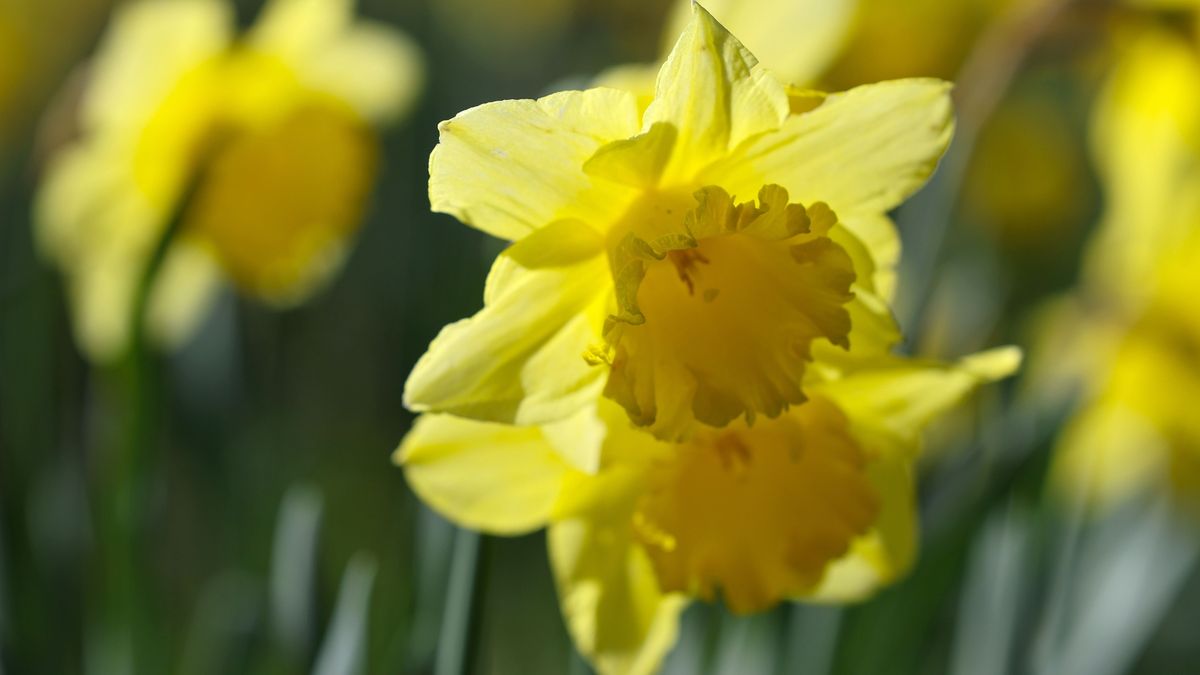
Daffodils are one of the first plants to bloom in spring, adding colour to parks and gardens – but expert Simon Akeroyd warns against making common mistakes with wilting flowers
Alice Sjoberg Social News Reporter
13:19, 03 Apr 2026
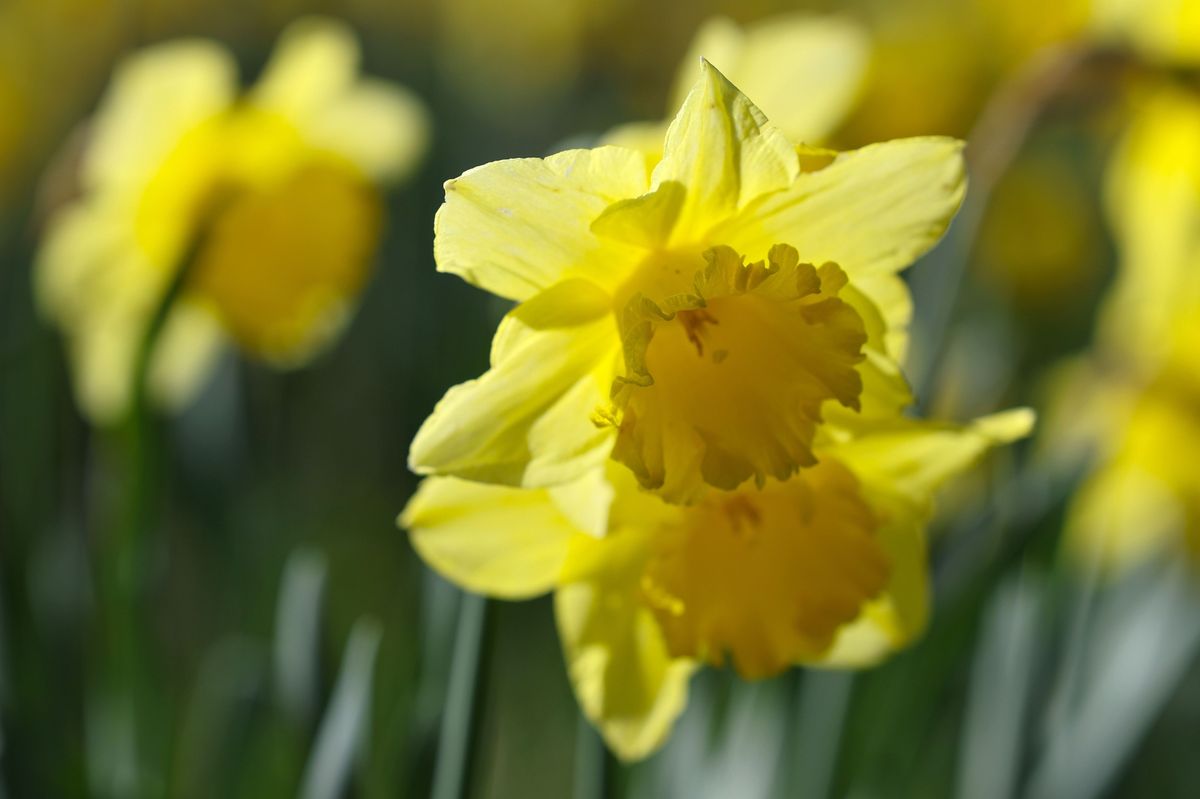
Daffodils are beautiful, but they don’t last for very long (stock image)(Image: ADAM VAUGHAN/EPA/Shutterstock)
Spring is one of the most beautiful times of year, with daffodils popping out of the soil, bringing additional colour to our parks and gardens with little effort. However, these pretty blooms only last for a few weeks before they begin to fade. And when they do, it’s essential to know what to do.
To assist, horticultural specialist and author Simon Akeroyd has revealed his expert advice on handling daffodils once they begin to wilt, as proper care is vital to ensure another display next year.
“What to do with daffodils after flowering,” he stated at the beginning of his TikTok clip, while showcasing vibrant and flourishing daffodils growing in a park.
Simon continued by saying he’s confident most people appreciate the blooming period in spring, when daffodils are among the earliest plants to flower and introduce colour to parks and our gardens.
“But one of the sad facts of life is that all beauty is fleeting,” Simon said. “And soon, the plants will start to fade and look messy.”
While it may be appealing to simply clear away the withering flowers from your garden as they begin to die, Simon warned people to exercise care in how they manage them, as improper handling could stop them from returning next year, reports the Express.
Initially, the horticulturalist advised people against tidying up the dying foliage by bundling them together, which he demonstrated by gathering the bunch of daffodils and securing them so that the wilting petals are turned downwards towards the grass.
While tidying your garden may be tempting, Simon cautioned that knotting or folding the leaves will hinder the flower’s ability to photosynthesise, a vital process for transferring nutrients to the bulb, ensuring its return the following spring.
“Also, don’t mow over the daffodils after they’ve finished flowering,” Simon added, saying this can also prevent the flowers from returning the following spring.
So what steps should you take when your daffodils begin to wilt?
Content cannot be displayed without consentWhat to do when daffodils start dying
Simon recommends dead heading the flowers. This simply involves removing the flower heads where the yellow petals hang.
Not only will this smarten up your outdoor space, but it also stimulates the daffodils to stockpile more nutrients for their next spring bloom, potentially resulting in a more impressive floral display.
“Leave the foliage to die back naturally for six weeks after flowering to ensure another stunning spring display next year,” Simon said.
Should you wish to introduce more daffodils to your garden, autumn is the ideal planting time, choosing a sunny spot with partial shade. Once in bloom, regular watering during dry spring weather is essential, gradually reducing once the flowers have bloomed and enter their dormant phase. If you’re already blessed with a healthy crop, digging them up and dividing the clumps every three to five years will help sustain their vigour.
Comments are closed.