
If you fancy getting out in the garden this Easter weekend, it’s a great time to double check you’re not hiding any invasive species accidentally. Most UK gardeners are familiar with the nightmare of Japanese knotweed and how difficult it can be to remove.
There are four other invasive plants you need to watch out for. Often overlooked because they look like normal plants, these four weeds need to be carefully taken out of the garden and disposed of. From asthma to property damage, these plants could seriously damage your garden and your health. Invasive weed removal specialists, Environment Controls, are urging the public to keep an eye out for these four weeds.
Gaultheria shallon
This flowering weed is not toxic, but it can quickly overtake a garden with its dense growth. It can quickly outgrow native plants and prevent tree regeneration in forests. It’s rife across the south of England and has recently been banned in Scotland under the Wildlife and Countryside Act.
Tree of Heaven
Native to China, this fast-growing tree is now found across the UK. It’s known for its strong, unpleasant smell and its aggressive root system. This plant can quickly damage building foundations, drains and sewers if left to its own devices.
Ragweed
Ragweed is one to watch for if you have hay fever. It produces billions of pollen grains and can be a huge trigger for allergy sufferers. The trigger can be so severe it can even lead to developing asthma.
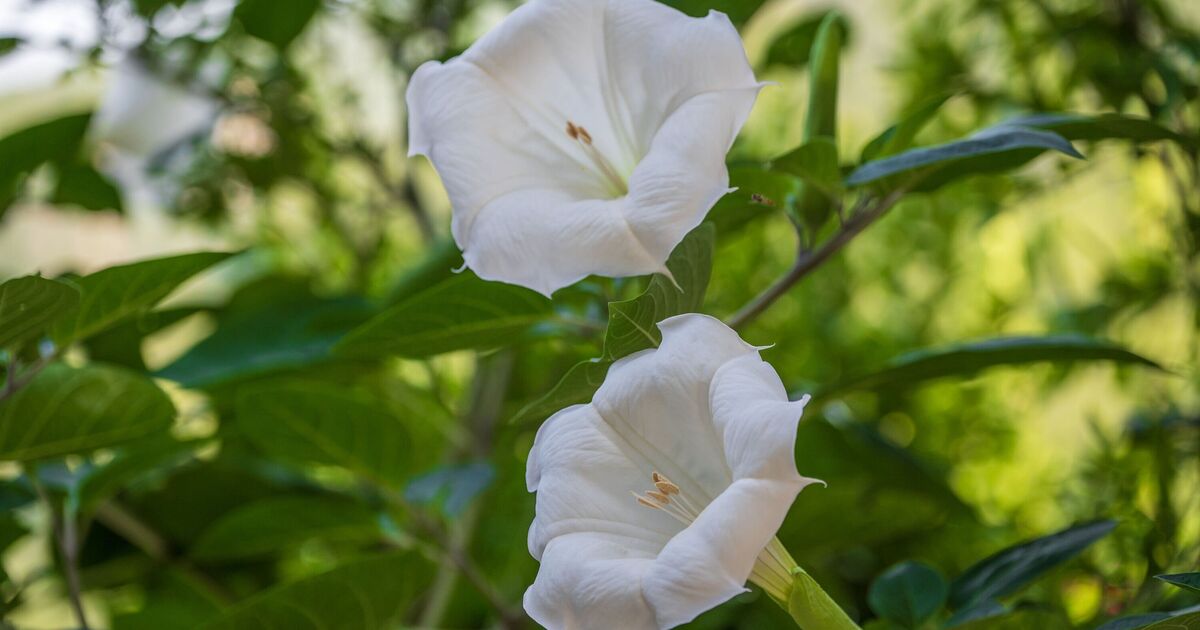
Devils Trumpet
It may look pretty, but the Devil’s Trumpet can be very dangerous if it falls into the wrong hands. Also known as Thorn Apple, this highly poisonous plant is a major danger.
All parts of the plant are highly toxic to humans and animals, and if ingested, it can cause severe health issues alongside powerful visual and auditory hallucinations. It should never, ever be handled without proper protective equipment.
Comments are closed.