
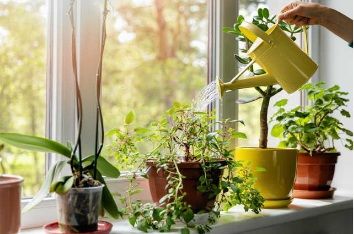
If your idea of gardening means a backyard, a shovel and a free weekend, think again. All you really need is a sunny windowsill, a balcony railing, or even a spare corner in any room to cultivate something that brings a calming ritual into your life.
This might explain why apartment gardening is having such a moment in 2026. Not sourdough. Not another fitness tracker. Just plants.
Wellness-garden design is trending globally, with more people intentionally curating plant-filled spaces that promote calm and restoration rather than mere decoration. What’s great is that you don’t need a yard or even a lot of light to get in on it.
Research consistently shows that tending to plants reduces cortisol levels, eases anxiety and measurably improves mood. Even 30 minutes of gentle gardening activity can positively shift your stress response for hours.
Vince Braun, founder, president and CEO of HealthiStraw, a family-owned Canadian company specializing in sustainable wheat straw products, believes small-space gardening offers something most wellness habits don’t.
“What draws people to apartment gardening is the feeling of having something in your life that responds to your care,” says Braun. “In a world built around speed and output, it’s restorative.”
That kind of feedback loop is rarer than it sounds. In an age of instant everything: instant answers, instant streaming, instant delivery, gardening moves at its own unhurried pace. You show up, do a few small things, and the evidence unfolds in front of you over days and weeks. In a culture wired for speed, that slow and visible progress proves to be immensely satisfying.
The structure and predictability of caring for plants also offer other benefits. After all, stress doesn’t always respond to simply doing less. Sometimes what an overextended mind needs is a different kind of doing, something absorbing and low-stakes that operates on its own timeline.
Smaller living spaces are perfect for this
Compact living, it turns out, is no obstacle. A few herbs on the kitchen windowsill. A snake plant in the corner. A hanging pot near the bathroom window. You don’t need to overhaul your space to bring nature into it. For people in smaller homes, condos or retirement residences with limited outdoor access, this accessibility matters. Green space in Canadian cities exists, but is often underused, especially during long winters or for anyone whose mobility has changed.
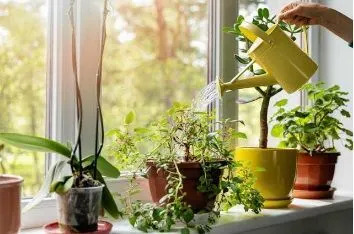
A windowsill is all you need to grow low-maintenance plants or herbs but their presence can provide unexpected dividends to your well-being. Getty Images
Having something living and growing at arm’s reach changes the daily texture of home in ways that are hard to quantify, but easy to feel.
Gardening also offers something increasingly precious: a fully off-line activity. No app, no subscription required. It exists entirely outside the digital world, and for many people, that alone is the point.
“People are looking for ways to step back from their screens that don’t feel like discipline,” says Braun. “Gardening is one of those rare activities that pulls you away from a device because you don’t need it.”
Start here
If you’re considering starting an indoor or small patio garden and want quick wins, plant choice matters. Braun recommends beginning with varieties that show visible progress and forgiving natures.
Lavender thrives on sunny windowsills and its scent has well-documented calming properties. Snake plants are low-maintenance and handle the lowlight conditions common in highrise buildings, without complaint. Pothos grows quickly, trails beautifully and is famously difficult to kill, which makes it ideal when you haven’t yet honed your green thumb.
Horticultural therapy, the clinical practice of using plants to support mental health, has been used in hospitals, rehabilitation centres and retirement communities for years. You don’t need a therapist to experience those same benefits at home. All it takes is a pot and a little intention.
“One of the things I love about apartment gardening is how adaptable it is,” says Braun. “You don’t need a lot of room. You just need a little intention.”
Comments are closed.