

 2 min read
As the weather warms up, you might be tempted to fire up the lawn mower—but not so fast. Mowing too soon in spring can actually damage your grass.
Before you start cutting, experts say to watch for a few key signs. Lawn care expert Jacob Turner, a home horticulture extension agent with the Alabama Cooperative Extension System, explains exactly when your grass is ready for that first mow.
1. Check the Soil Temperature First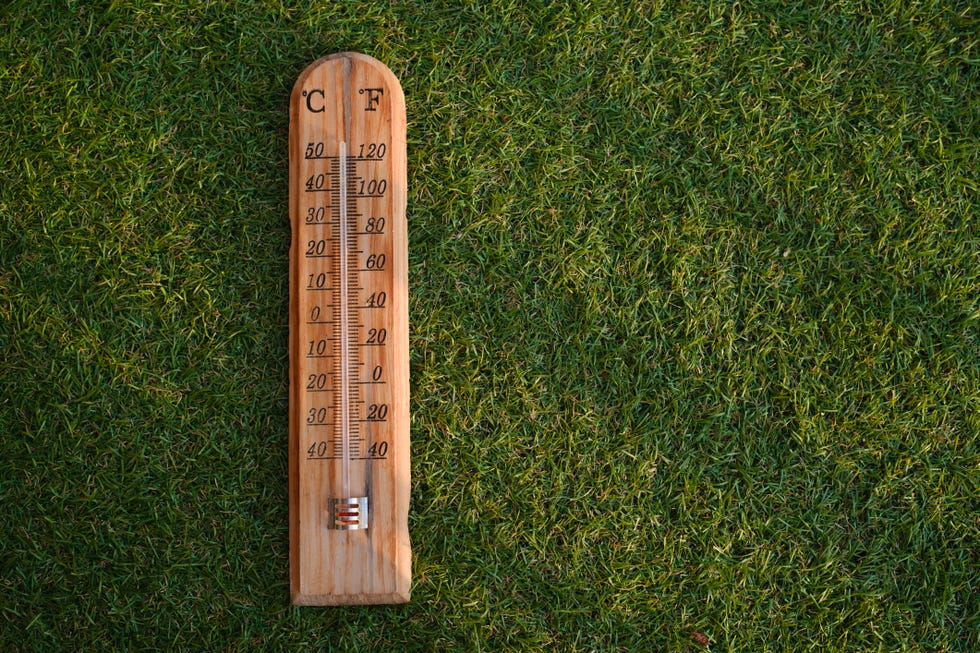
David Petrus Ibars//Getty Images
Before you even think about mowing, the ground needs to be thawed and warming up. And we’re talking soil temperature, not just a random warm afternoon. If you have cool-season grasses like Kentucky bluegrass, ryegrass, or fescue, wait until soil temps are consistently around 50 to 55°F. That’s when they really start growing again. Warm-season grasses like Bermuda and zoysia need it even warmer. They typically don’t wake up until soil temps are closer to 65 to 70°F.
2. Look for Active Growth
If the lawn still looks dormant, it probably is. Don’t mow until the grass is actively growing. That means you’re seeing fresh green blades pushing up through the brown. The lawn will also feel softer and less crispy underfoot. If it still feels like you’re walking on straw? It’s too early.
3. Make Sure It’s Tall Enough to Cut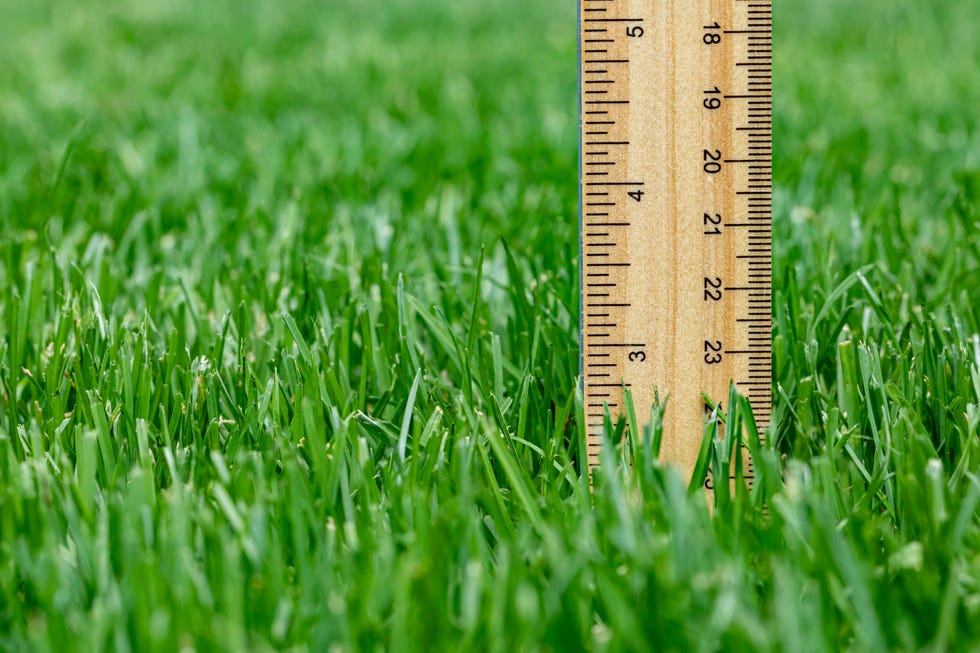
JJ Gouin//Getty Images
Once you see active growth, let the grass get a little height before you mow. For cool-season grasses, aim for about 4 inches before the first cut. For warm-season grasses, around 3 inches is a good benchmark. And remember the golden rule: never remove more than one-third of the blade at a time. Cutting too much too soon stresses the grass just when it’s trying to bounce back.
Also, always use a sharp mower blade. A dull blade tears the grass and can leave it looking ragged, stressed, and vulnerable to disease.
Comments are closed.