
We earn a commission for products purchased through some links in this article.
1Roses Aleksa Torri//Getty Images
A spring prune will help roses produce stronger growth and more abundant flowers later in the season.
“Roses benefit from a spring prune once the worst frosts have passed and the buds are beginning to swell. Remove any dead, damaged or crossing stems first, then cut healthy growth back to an outward-facing bud to encourage an open shape and good airflow through the plant,” he says.
How to prune it: Using a pair of sharp bypass pruners will help you make clean, precise cuts that support healthy regrowth and plenty of blooms later in the season.
2Buddleja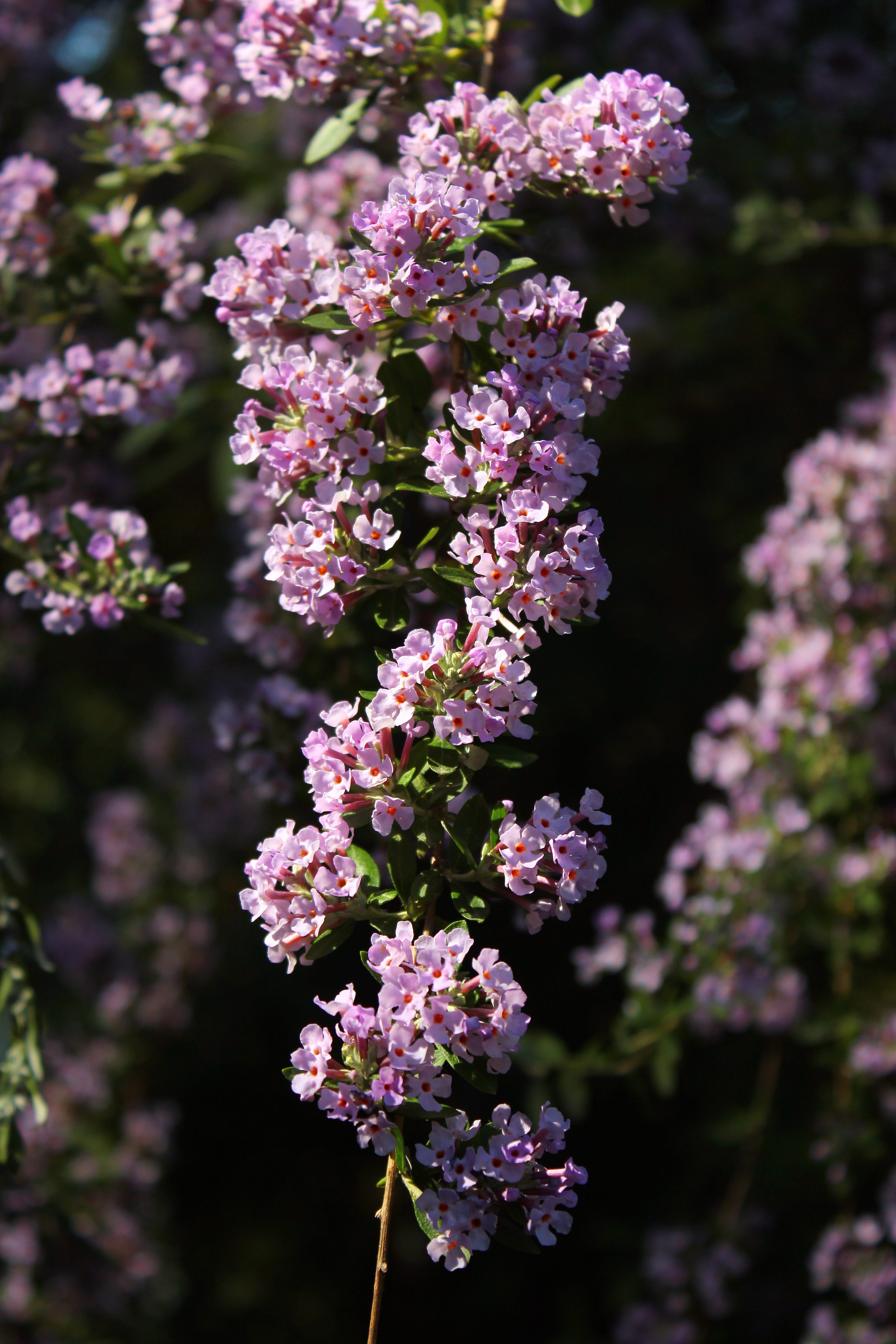 aquatarkus//Getty Images
If your buddleja has become leggy or overgrown, now is the time to cut it back.
“Buddleja can be pruned quite hard in early spring to keep plants compact and encourage vigorous new growth,” Mark says.
How to prune it: Cut stems back to around 30–60cm from the base, removing any weak or overcrowded branches. Because older stems can become woody, sturdy pruners or a pair of loppers can make the job much easier while ensuring a clean cut.
Advertisement – Continue Reading Below
3Lavender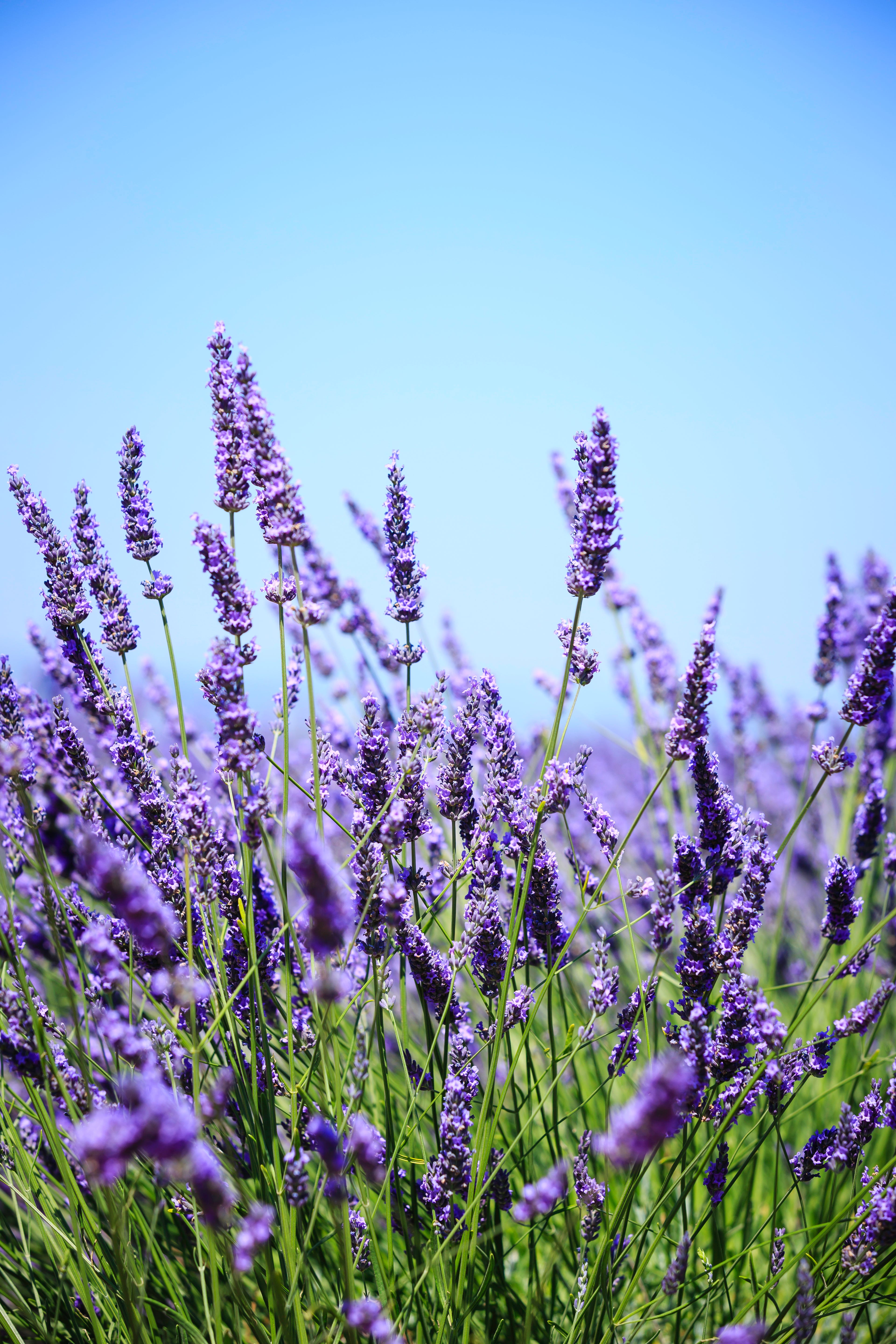 Adam Smigielski//Getty Images
A light touch is key when it comes to pruning lavender in spring.
Lavender benefits from a gentle spring tidy to keep plants compact and encourage fresh growth, Mark explains. “Remove any dead stems and lightly shape the plant, taking care not to cut back into old woody growth.”
How to prune it: A light trim with sharp secateurs helps maintain a neat mound and encourages plenty of fragrant flowers later in the season.
4Apple trees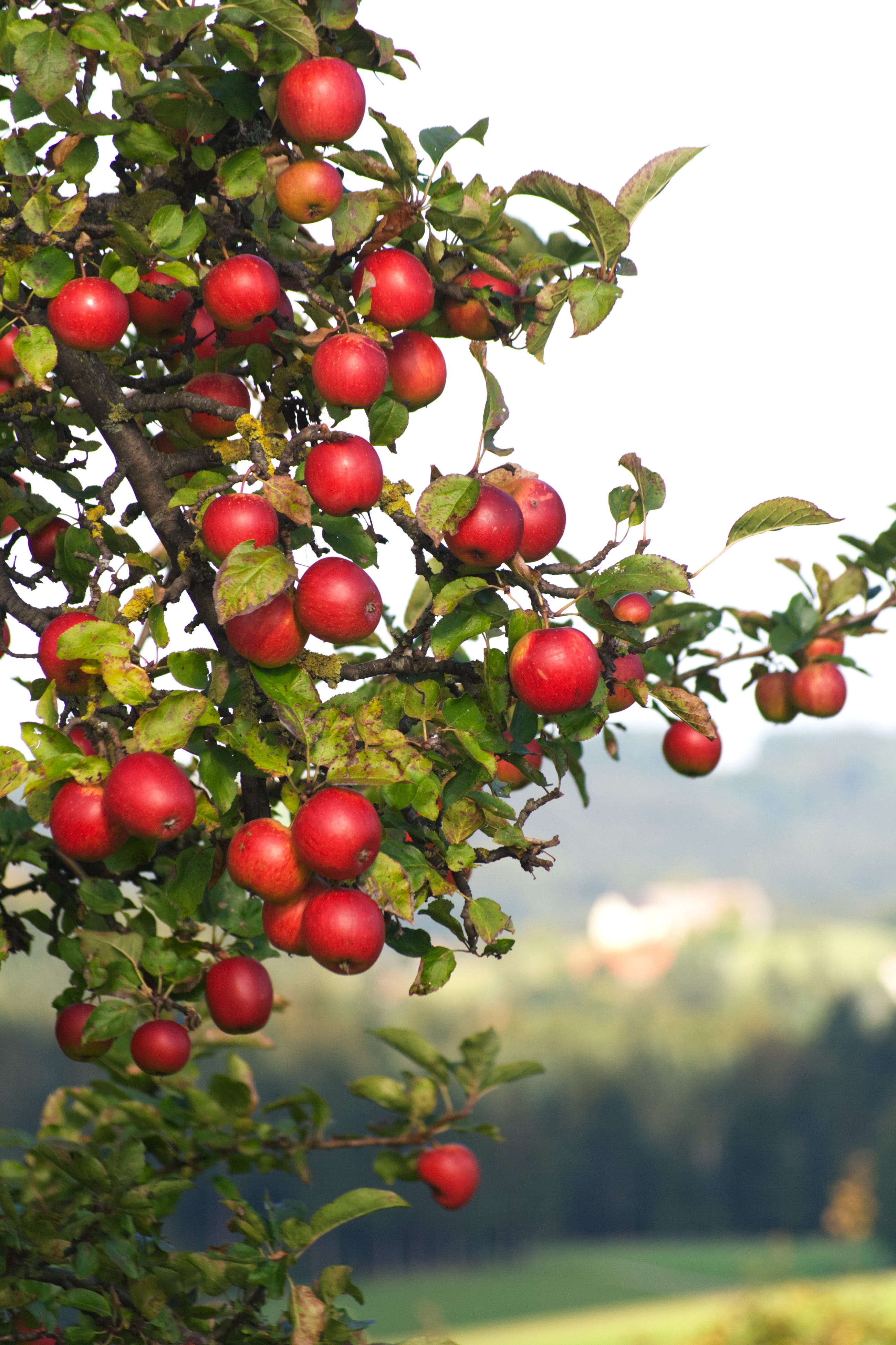 anjajuli//Getty Images
Even a small amount of pruning can help improve the health and structure of apple trees.
“Apple trees can benefit from a light spring prune if needed, particularly to remove dead, damaged or crossing branches and improve airflow through the canopy,” he continues.
How to prune it: For thicker branches, long-handled loppers are often the best option, allowing gardeners to make clean cuts safely without damaging the structure of the tree.
Advertisement – Continue Reading Below
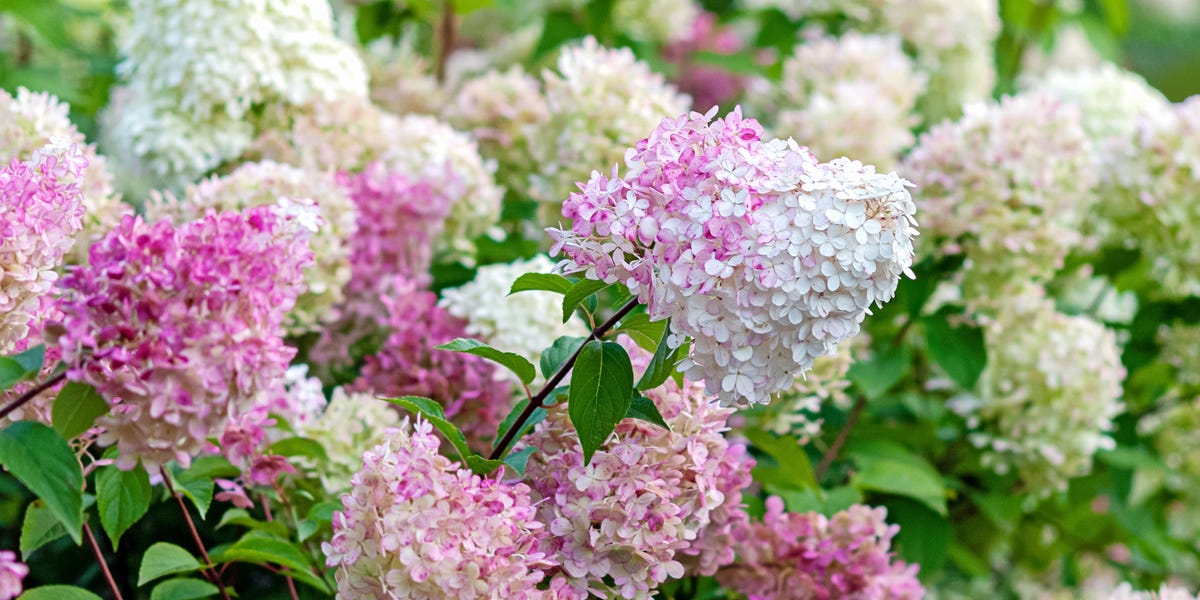
5Hydrangea paniculata Bohdan Bevz//Getty Images
Pruning now will help hydrangea paniculata put on a strong, reliable display later in the year.
Mark explains: “Hydrangea paniculata flowers on new growth, so pruning in early spring helps produce strong stems and large flower heads later in the year.”
How to prune it: Simply cut back last year’s stems to a healthy pair of buds to maintain a tidy shape and encourage vigorous growth. Sharp secateurs are ideal for this type of precise pruning.
Advertisement – Continue Reading Below
Advertisement – Continue Reading Below
Advertisement – Continue Reading Below
Comments are closed.