
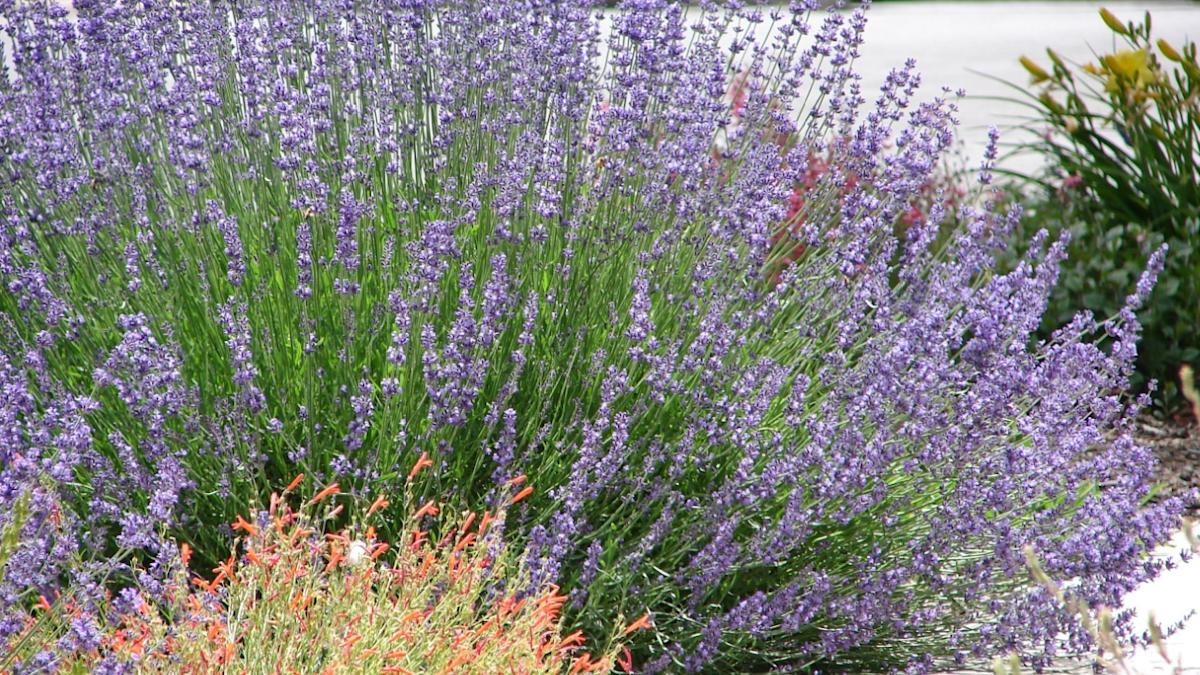
Most gardeners are watering their drought-tolerant plants to death.
Lavender, sedum, and agave are among the most frequently killed plants in American home gardens; not from heat or lack of rain, but from the very thing gardeners think is helping: too much water. If that surprises you, you are not alone, and understanding this one counterintuitive fact will change every planting decision you make this spring.
The promise of drought-tolerant plants is real. According to research cited in National Geographic, switching to a water-wise landscape can cut outdoor water use by 50 to 75 percent. In some communities, that translates to roughly 120 fewer gallons of water per household per day. The water bill savings are genuine and significant. But only if you know how to let these plants do what they were built to do.
What “Drought-Tolerant” Actually Means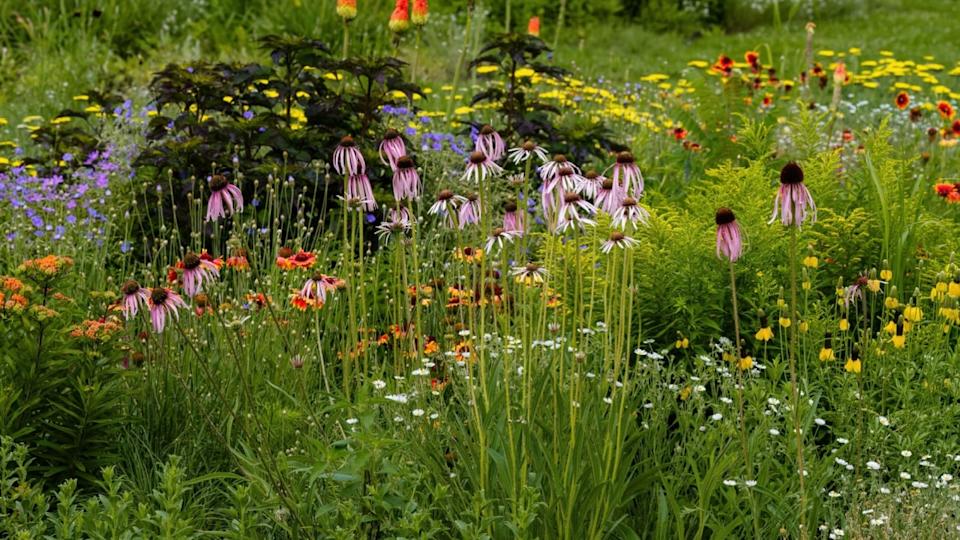
Image Credit: Shutterstock.
The label “drought-tolerant” on a nursery tag tells only part of the story. Pennsylvania State University Extension describes two categories of drought-adapted plants: “drought evaders,” which go dormant during dry periods (think spring bulbs and many wildflowers), and “water conservers,” which stay attractive through dry spells using silvery leaves, deep roots, waxy coatings, and aromatic oils that slow moisture loss. For a garden that looks good all summer, you want water conservers.
What the tag rarely says clearly enough is this: drought tolerance is not activated at planting. It develops over time. According to the University of Massachusetts Amherst Center for Agriculture and the Environment, even the toughest drought-tolerant plants require regular supplemental watering for at least their first growing season to establish the root systems that will carry them through future dry spells. Swansons Nursery, a Pacific Northwest institution with a century of horticultural expertise, puts it plainly: plan on two to three growing seasons of proper establishment before a plant earns its “drought-tolerant” credentials in your garden.
The overwatering trap closes in year two. Once established, most of these plants want their soil to dry out between waterings. Continue treating them like your impatiens, and you will get root rot.
Here are the 12 best drought-tolerant plants that actually deliver.
1. Purple Coneflower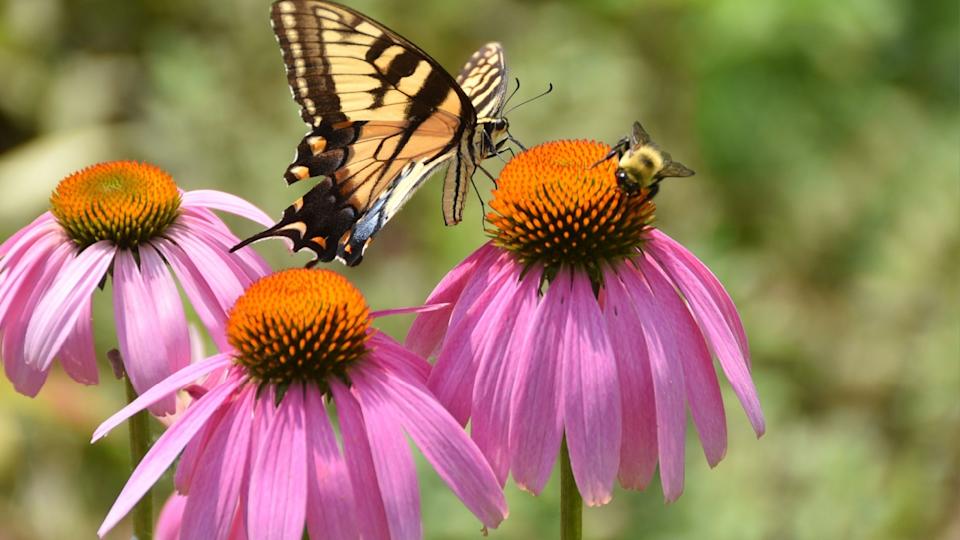
Image Credit: Shutterstock.
This is the gateway plant. Large daisy-like blooms in pink and purple appear from midsummer into fall, the dried seed heads feed goldfinches through winter, and it rebounds bigger every year. Plant it once, and it will reward you for a decade.
2. Lavender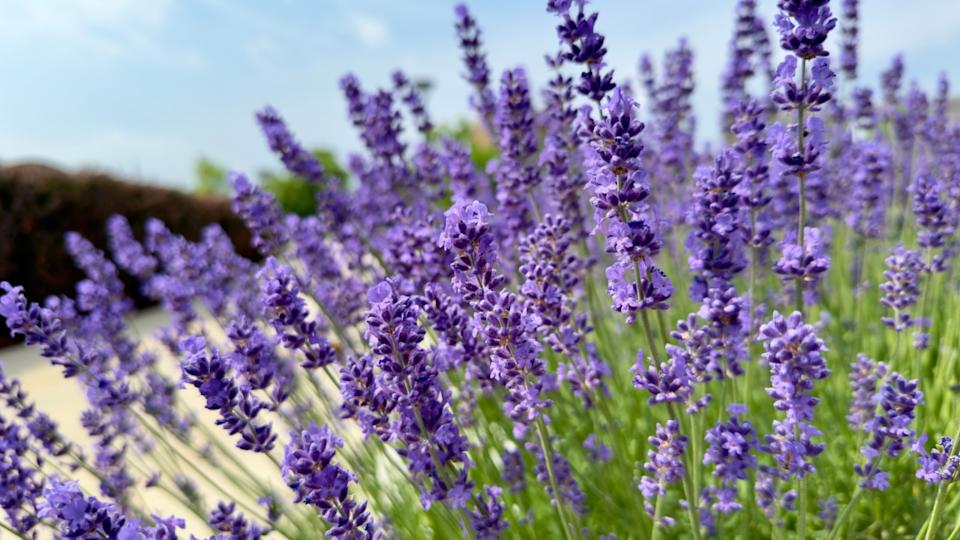
Image Credit: Shutterstock.
Native to the sun-baked hillsides of the Mediterranean, lavender is the plant that makes skeptics reconsider everything. It demands full sun, excellent drainage, and lean soil. Do not coddle it. Give it those conditions, and it will bloom for years with almost no attention. One critical maintenance note from experienced growers: prune it hard after bloom each year, or it will go woody and stop flowering within a few seasons.
3. Yarrow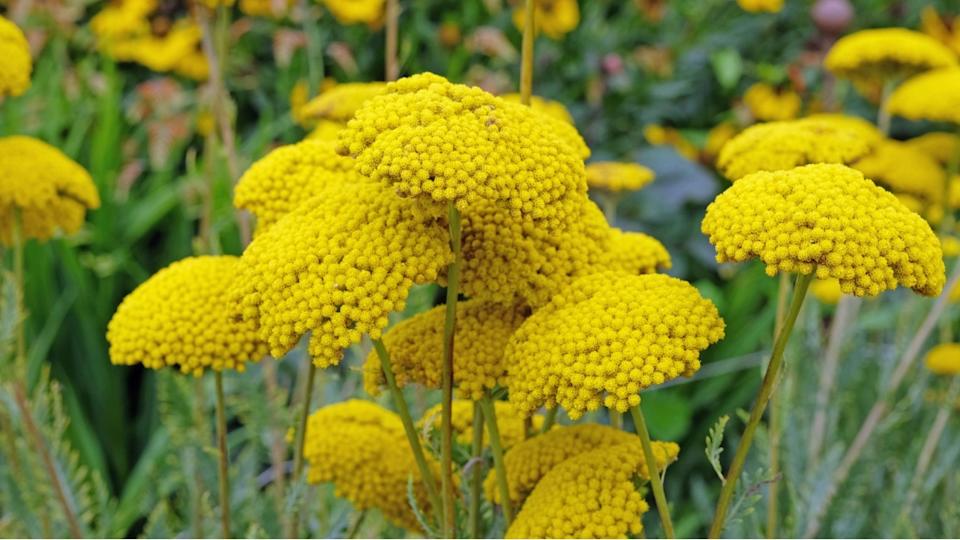
Image Credit: Shutterstock.
Flat-topped flower clusters in yellow, white, pink, and red sit above ferny, aromatic foliage from early summer through fall. Yarrow tolerates drought and poor soil, spreads reliably to fill gaps, and is one of the best plants available for attracting beneficial insects. The silver-leaved woolly yarrow variety provides visual interest even when it is not in bloom.
4. Russian Sage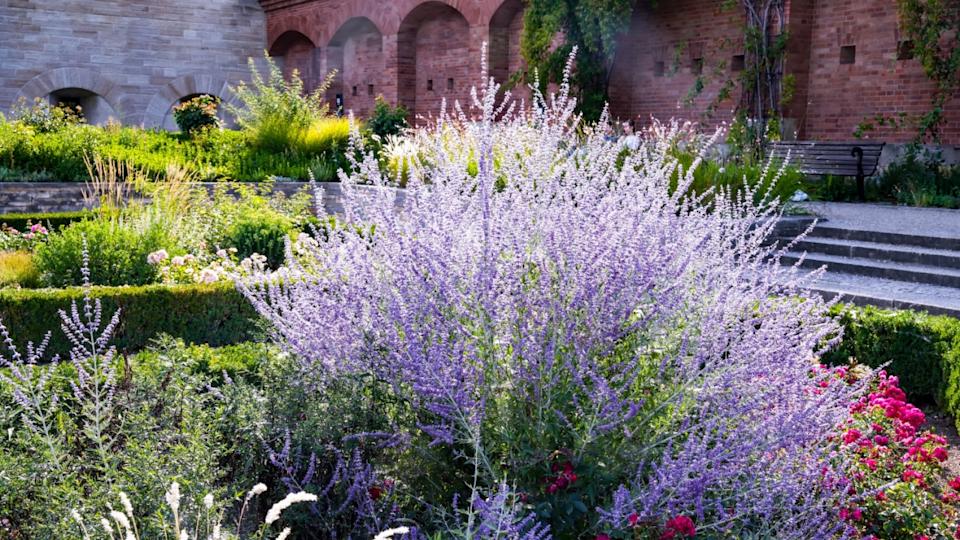
Image Credit: Shutterstock.
Slender silvery stems topped with lavender-blue flowers from midsummer onward; this plant handles cold, heat, drought, and poor soil without complaint. It is a confirmed pollinator magnet, particularly for bees, and its airy texture pairs beautifully with bolder perennials. Homes & Gardens describes it as one of their most reliable dry-garden performers.
5. Black-Eyed Susan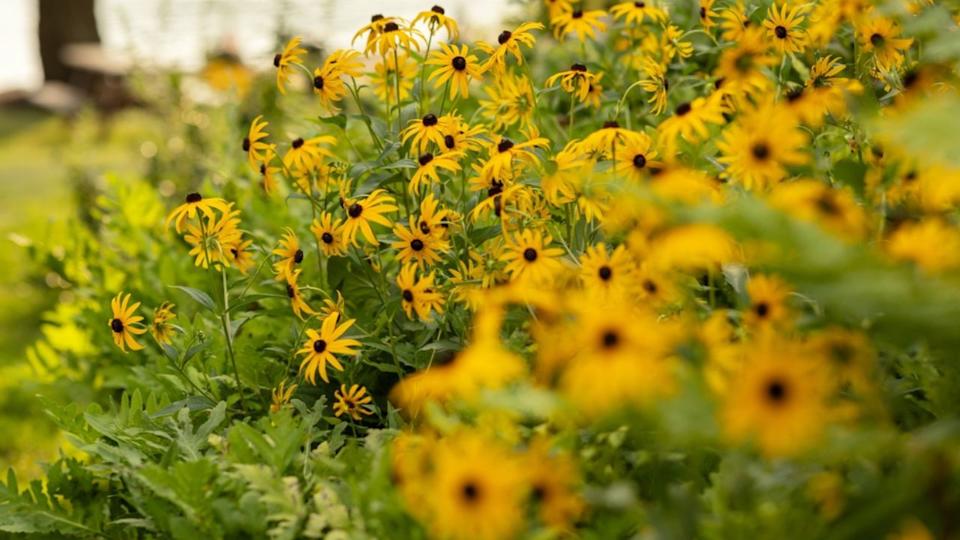
Image Credit: Shutterstock.
Rich gold and bronze daisy-like flowers bloom from summer through early fall, and the coarse, hairy foliage is unappealing to deer. According to Garden Design, this is a reliable performer for waterwise borders, cottage gardens, and meadow naturalization alike.
6. Catmint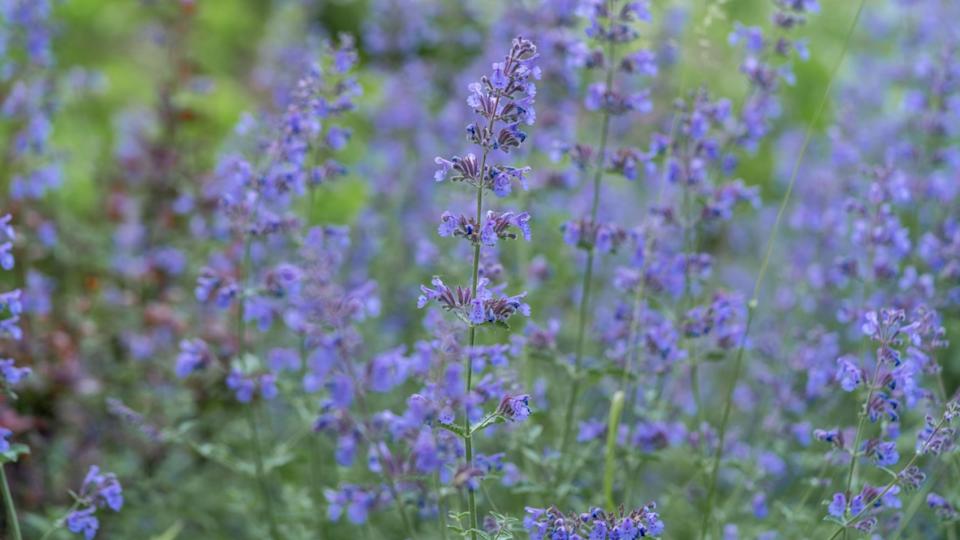
Image Credit: Shutterstock.
One of the longest-blooming plants for a dry garden, catmint produces aromatic blue-purple flowers from early summer through early fall, topping out at one to three feet tall and wide. Birds & Blooms notes it as a premier pollinator plant; butterflies and bees treat it as a landing strip from June through October.
7. Sedum / Stonecrop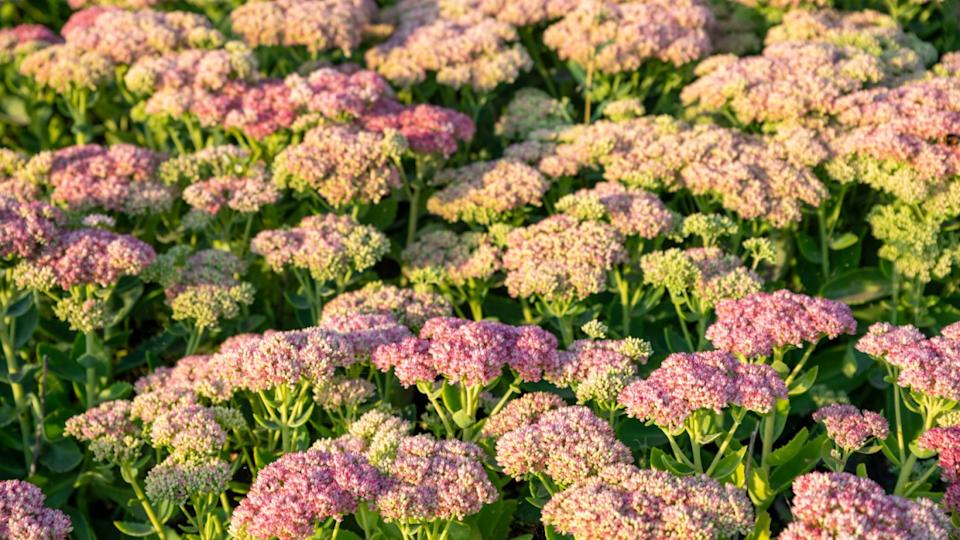
Image Credit: Shutterstock.
Sedum is a whole category of plants, and the range is remarkable. Low-growing varieties like ‘Dragon’s Blood’ function as dense, weed-suppressing groundcovers. Upright varieties like the classic ‘Autumn Joy’ anchor mid-border compositions, shifting from soft pink to deep russet as autumn arrives. All require excellent drainage and minimal water once established.
8. Switchgrass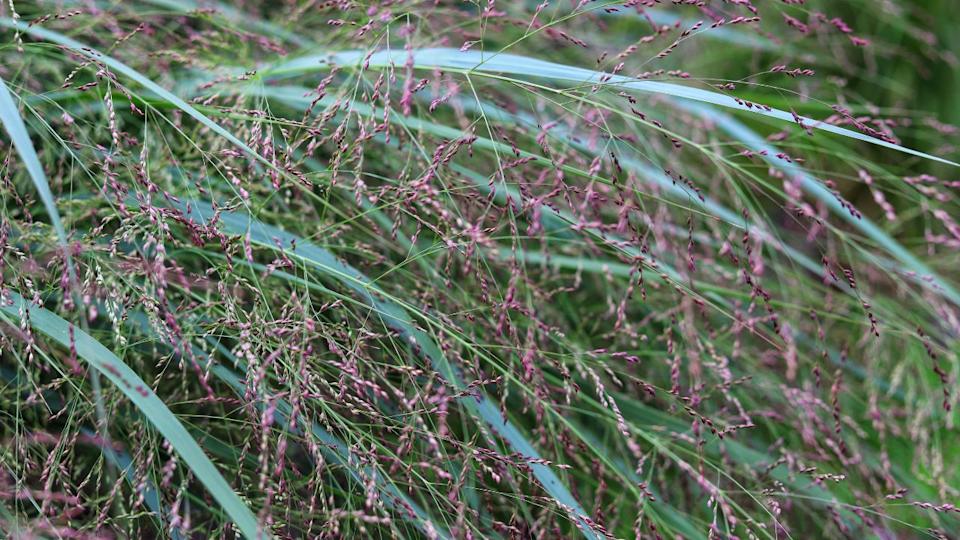
Image Credit: Shutterstock.
Grasses add movement, vertical structure, and winter interest to a garden, and switchgrass is the most adaptable of all. Southern Living notes it thrives across a wide range of soil and moisture conditions, provides excellent erosion control on slopes, and produces airy seedheads that extend its ornamental season well into winter.
9. Blanket Flower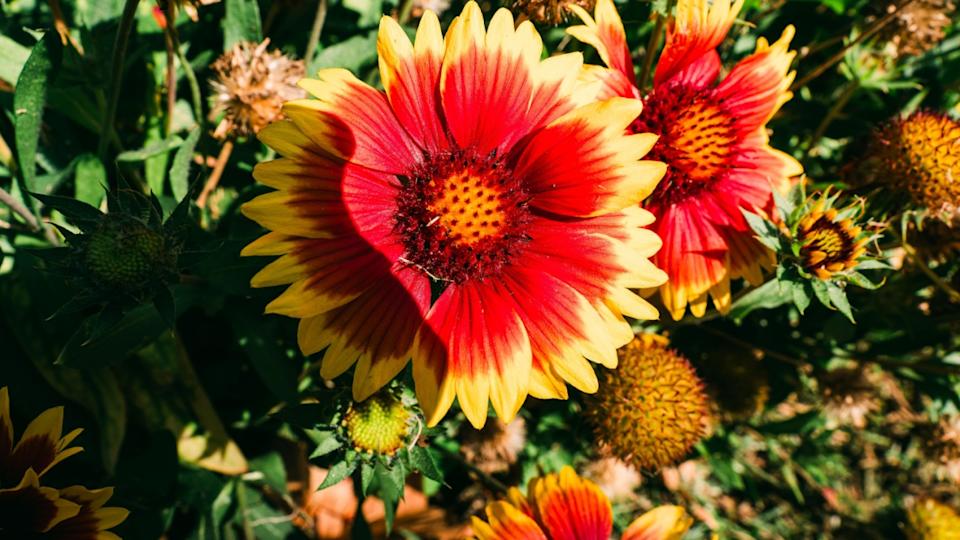
Image Credit: Shutterstock.
Blazing red, orange, and yellow blooms from summer through fall, in a compact mounding form that stays under three feet. Garden Design recommends it specifically for curbside strips, slopes, and rock gardens where other plants struggle. It actively prefers poor, well-drained soil; rich soil makes it short-lived.
10. Agastache / Hyssop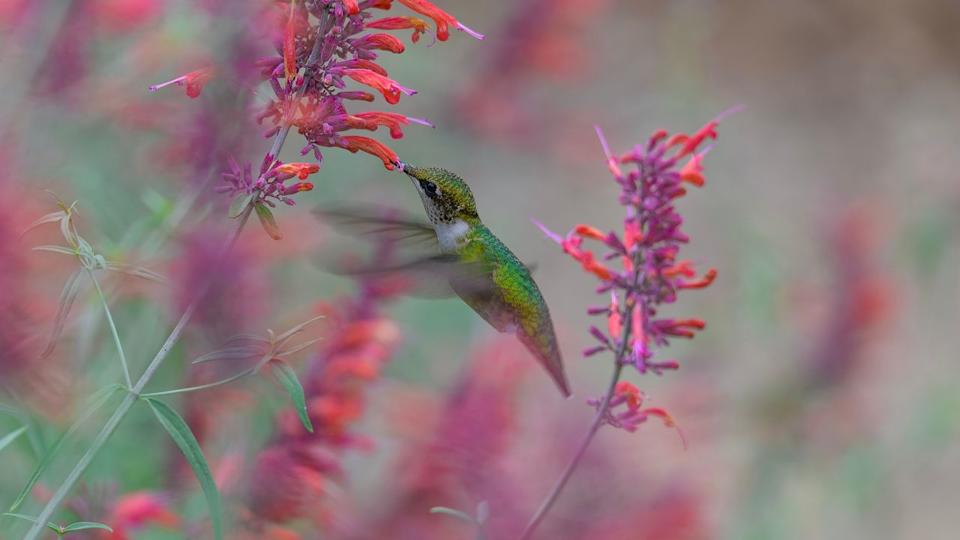
Image Credit: Shutterstock.
A standout performer in difficult conditions, agastache produces tall spikes of tubular flowers that hummingbirds and pollinators visit obsessively. Garden designer Karen Chapman, writing in Le Jardinet, singles out the ‘Kudos Mandarin’ variety for surviving heavy clay soil that bakes dry in summer. It brings vertical drama to a garden that standard perennials cannot match.
11. Beardtongue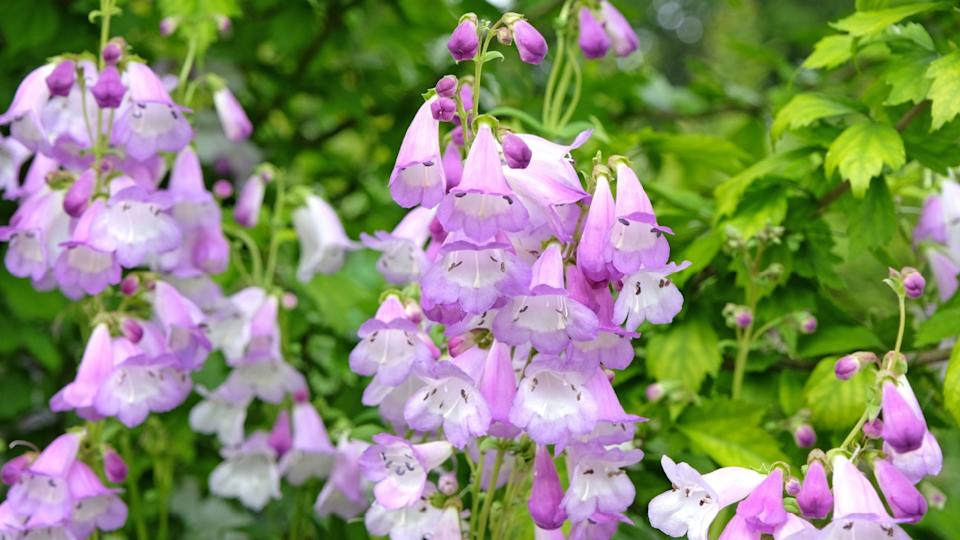
Image Credit: Shutterstock.
A diverse group of North American natives that are dramatically underused in home gardens. Clusters of nectar-rich tubular flowers attract butterflies, bees, and hummingbirds; shorter varieties work beautifully in rock gardens, while taller ones belong in cottage borders. According to Garden Design, they are one of the most pollinator-productive genera available.
12. Daylily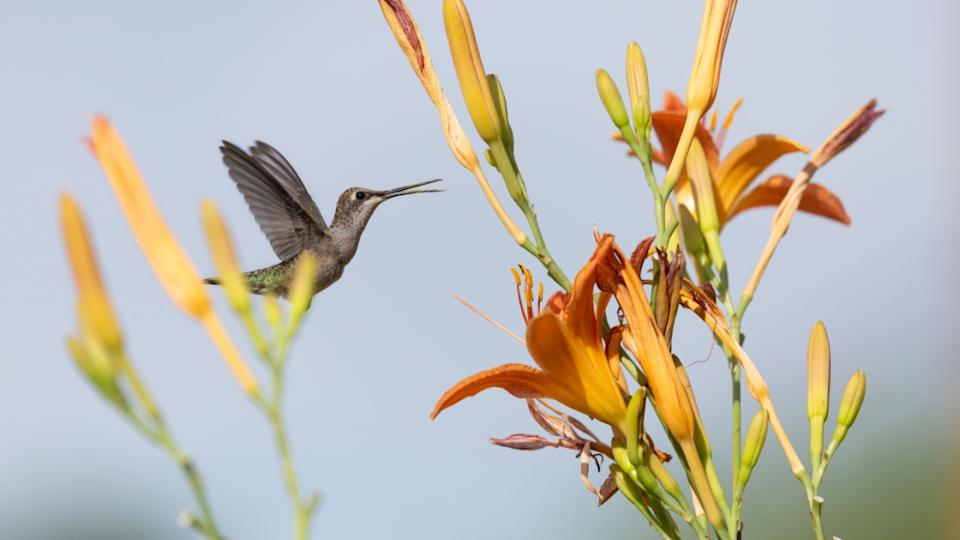
Image Credit: Shutterstock.
Surprisingly tough and often underestimated, daylilies tolerate almost any well-drained soil, thrive in heat and humidity, and are highly salt-tolerant. Southern Living recommends dividing clumps every three to four years for peak performance. They are not flashy or fashionable, but they perform reliably in conditions that discourage almost everything else.
What to Put Under Your Drought-Tolerant Plants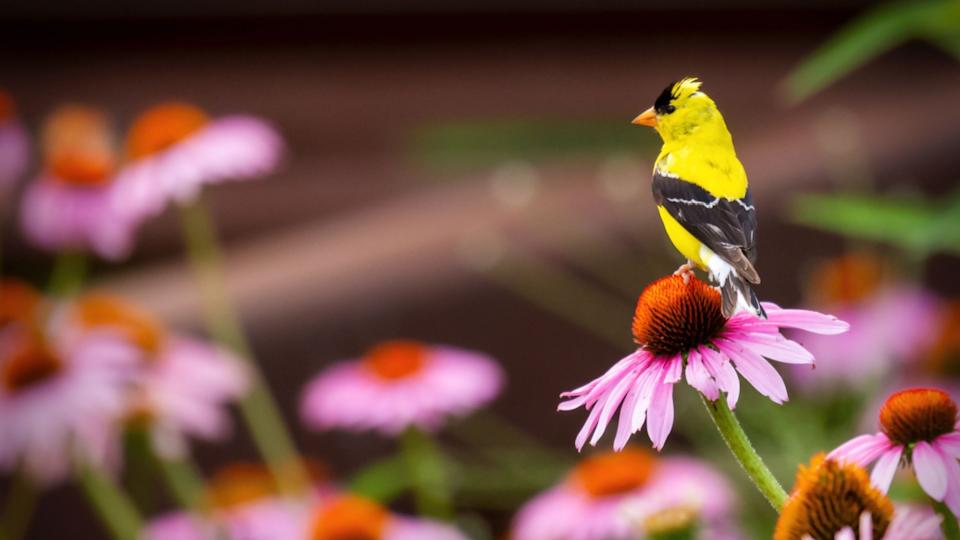
Image Credit: Shutterstock.
Two to three inches of organic mulch, bark chips, straw, or shredded leaves; does everything landscaping fabric promises and none of what it damages. The National Garden Bureau identifies mulching as the single most impactful water-conservation technique available to home gardeners. It slows evaporation, moderates soil temperature, suppresses weeds, and breaks down over time to improve soil structure and fertility. It is the perfect partner for drought-tolerant plants, working the way healthy soil is supposed to.
Skip the fabric. Spread the mulch. Water deeply and infrequently. Then let the plants do what they were born to do.
The investment in a water-wise garden is front-loaded: a season or two of attentive establishment watering, a bag of mulch, and the willingness to stop doing things you have always done. What you get on the other side is a garden that handles summer on its own, a water bill that reflects it, and a yard full of pollinators that will make you wonder why you waited this long.
Read More
Do these 12 raised garden bed tasks before March ends, or lose your head start
12 vegetables to direct sow in the garden right now in March
Comments are closed.