
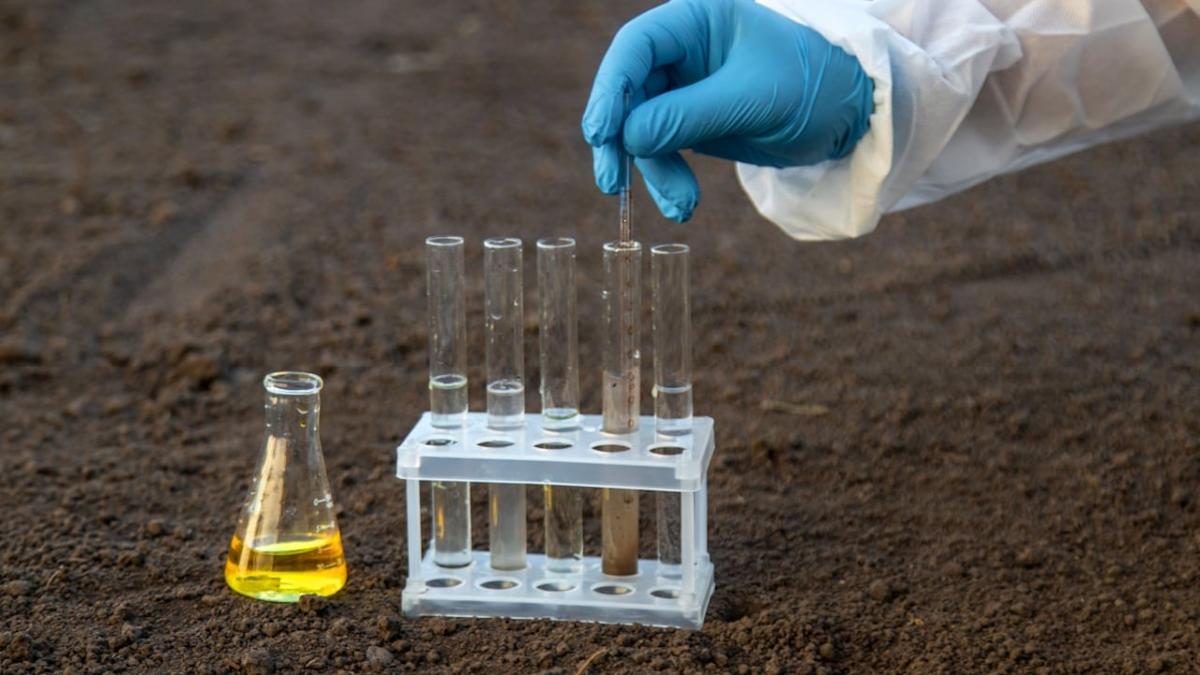
Image Credit: Shutterstock.
If your garden has been underperforming despite amending with compost, fertilizer, and careful watering, the issue may not be effort it may be information.
Soil testing garden beds gives you clarity about what your plants actually need before you invest another dollar in amendments. By providing a snapshot of your soil’s current nutrient levels, soil testing helps you decide whether to apply compost, manure, or fertilizer, and how much.
Without testing, it’s easy to overapply nutrients, particularly phosphorus, which is already excessive in many home gardens. Over-fertilizing isn’t just expensive. It can harm plants and contribute to water pollution. Testing first ensures you’re correcting real deficiencies, not creating new ones.
Success in the garden starts with healthy soil, and testing replaces guesswork with direction.
What a Soil Test Actually Tells You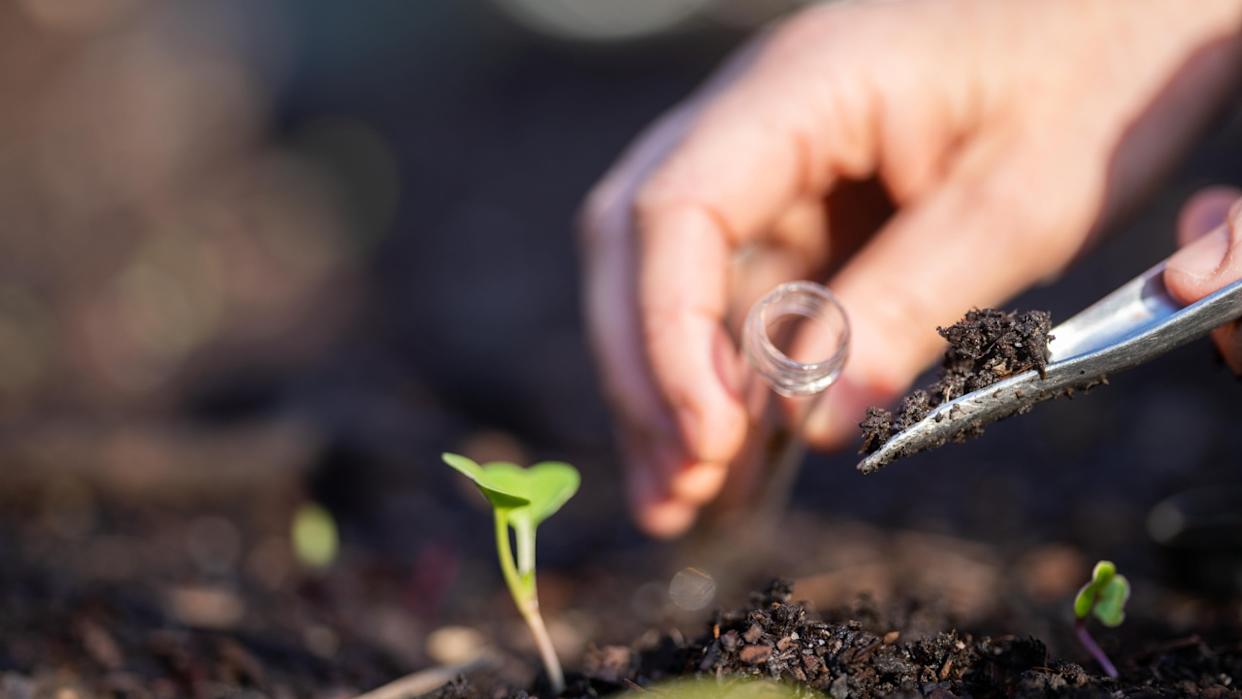
Image Credit: Shutterstock.
A soil test can give you information about soil pH, nitrogen, phosphorus, potassium, and often organic matter. Soil pH determines whether plants can access nutrients already present. Most garden plants thrive when the pH falls between 5.5 and 7.0. If it’s outside that range, nutrients like phosphorus or iron may become unavailable, even if they’re technically in the soil. Nitrogen fuels leafy growth, phosphorus supports roots and flowers, and potassium strengthens stems and disease resistance. If organic matter falls below 3%, compost may be recommended. But compost also contributes nutrients, sometimes more than you realize.
For most home gardens, a basic Extension lab test is sufficient for soil testing. Micronutrient panels or contaminant testing may be worthwhile in older urban soils, but they’re not always necessary for routine vegetable beds.
How to Collect a Proper Soil Sample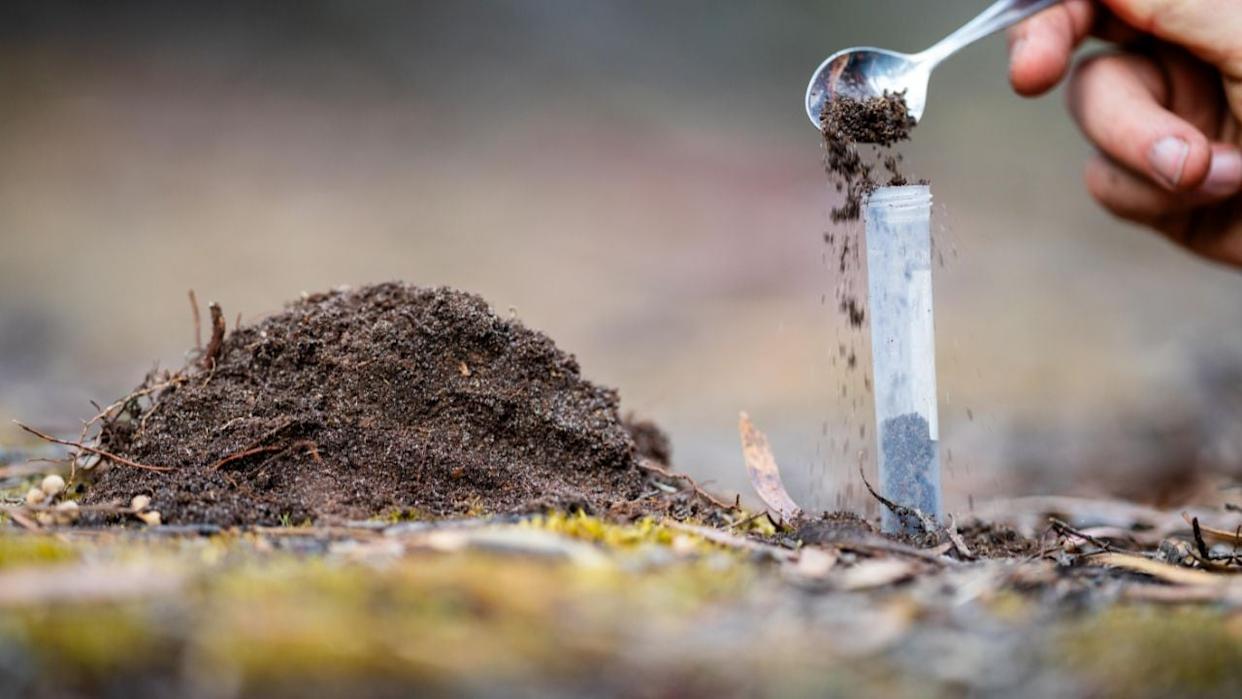
Image Credit: Shutterstock.
Extension labs are widely considered the most accurate option and often cost about the same price as a mail-in kit. You’ll want to reach out to your local Extension office for directions on how to sample, but generally, you’ll follow these steps:
Collect soil 6–8 inches deep.
Take 10–15 small samples across the garden.
Mix them into one composite sample.
Avoid areas where compost or fertilizer was recently applied.
Test in fall or early spring, and repeat every 3–5 years, or as needed.
What to Do After You Get Results
Image Credit: Shutterstock.
If pH is high, sulfur may be recommended; if low, lime can raise it. Fertilizer should closely match the recommended N-P-K ratio; applying a generic blend can sometimes create an imbalance in your soil.
If phosphorus is already sufficient (20 ppm is adequate for vegetables), skip phosphorus-containing fertilizers. Compost should be applied thoughtfully, not automatically.
Soil testing garden beds isn’t complicated; it’s clarifying. With one thoughtful test, you can stop guessing, spend less, and grow more confidently for seasons to come.
Read More
Do these 12 raised garden bed tasks before March ends, or lose your head start
12 vegetables to direct sow in the garden right now in March
Comments are closed.