

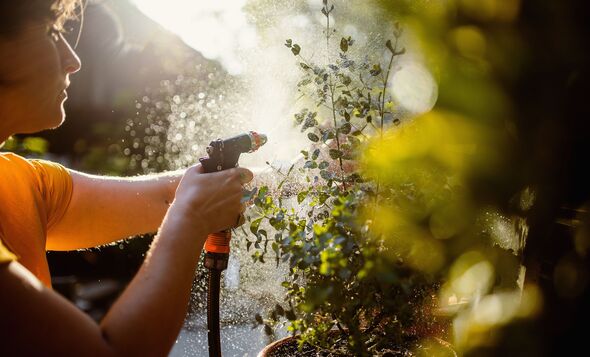
Longer days provide more sun for garden plants (Image: Getty)
Gardeners are being urged to pick up their secateurs this April, with experts warning that cutting back the right plants now can make a huge difference to how your garden looks later in the year. As temperatures begin to rise, many plants start to come out of winter dormancy, making early spring a crucial window for pruning.
Done correctly, it helps improve airflow, removes damaged growth and encourages stronger, healthier shoots ahead of summer. But knowing what to prune – and what to leave alone – is key. Shrubs and plants that flower on new growth are among the best candidates for a April trim.
READ MORE: Gardeners’ simple 4-step approach will easily smooth out bumpy lawns
READ MORE: Roses ‘won’t have black spot’ if planted next to another flower
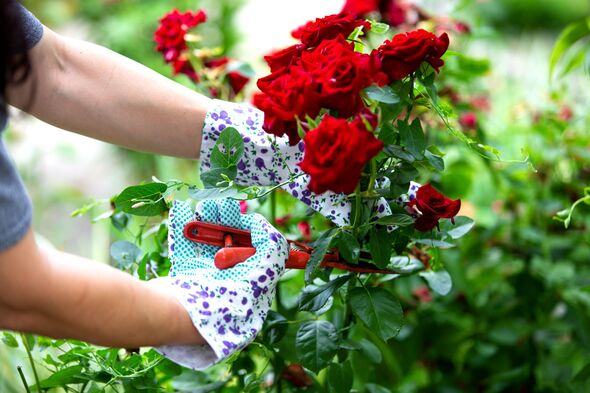
Action taken now could have a big impact in the months ahead (Image: Getty)
Roses, buddleia and some hydrangeas should be cut back now to encourage stronger growth and fuller blooms later in the season. Late-flowering clematis can also be pruned to promote growth from the base, helping flowers spread along the whole stem.
The aim is to remove dead or damaged stems and open up the plant to improve airflow and reduce disease risk. However, not everything should be pruned. Spring-flowering plants like lilac and forsythia should be left alone to avoid cutting off this year’s buds.
Avoid pruning during frost, and wait for milder weather for best results and healthier plants overall.
Roses
One of the most important jobs this month is pruning your roses – a simple step that can lead to a far more impressive display in summer.
For bush and standard varieties, now is the ideal time to act before new leaves begin to emerge. Cutting them back in March helps strengthen growth, improve airflow and reduce the risk of disease.
Tackling them as they come out of dormancy also makes it easier to shape the plant, setting it up for healthier stems and more vibrant blooms in the months ahead.
Summer-flowering shrubs
Any deciduous shrubs that flower in summer or late summer should also be pruned in March.
If you’ve got plants like Buddleja (butterfly bush), Caryopteris, Hydrangea paniculata, Lavatera or hardy fuchsia, now is the time to cut them back. A timely trim will encourage strong, healthy new growth and help produce a fuller, more vibrant display later in the season.
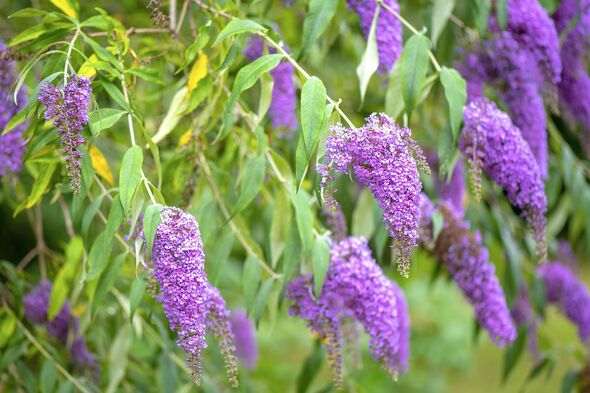
Experts say now is the time to trim your bush (Image: Getty)Clematis and Jasmine
If you didn’t prune your clematis last month, now’s the time to get it done. Cut it back to the lowest pair of strong buds just above ground level, then mulch and feed to support healthy new growth.
Winter-flowering jasmine should be pruned once it has finished blooming. Remove any dead shoots, tie in new growth and trim side shoots to around 5cm to keep the plant neat and encourage flowers next year. Finish by mulching and feeding to keep it in good condition.
For summer-flowering jasmine, take a lighter approach. Remove one or two older stems at ground level if needed, but avoid cutting back the side shoots, as this could reduce this year’s blooms.
Climbers
Overgrown climbers can also be tackled in March, according to the Royal Horticultural Society.
Experts say it should now be easier to spot what needs cutting back, as living stems will be showing fresh buds while dead growth remains bare. Deciduous climbers such as Lonicera (honeysuckle), Hedera (ivy) and rambling roses are all suitable for a tidy-up at this time of year.
Comments are closed.