
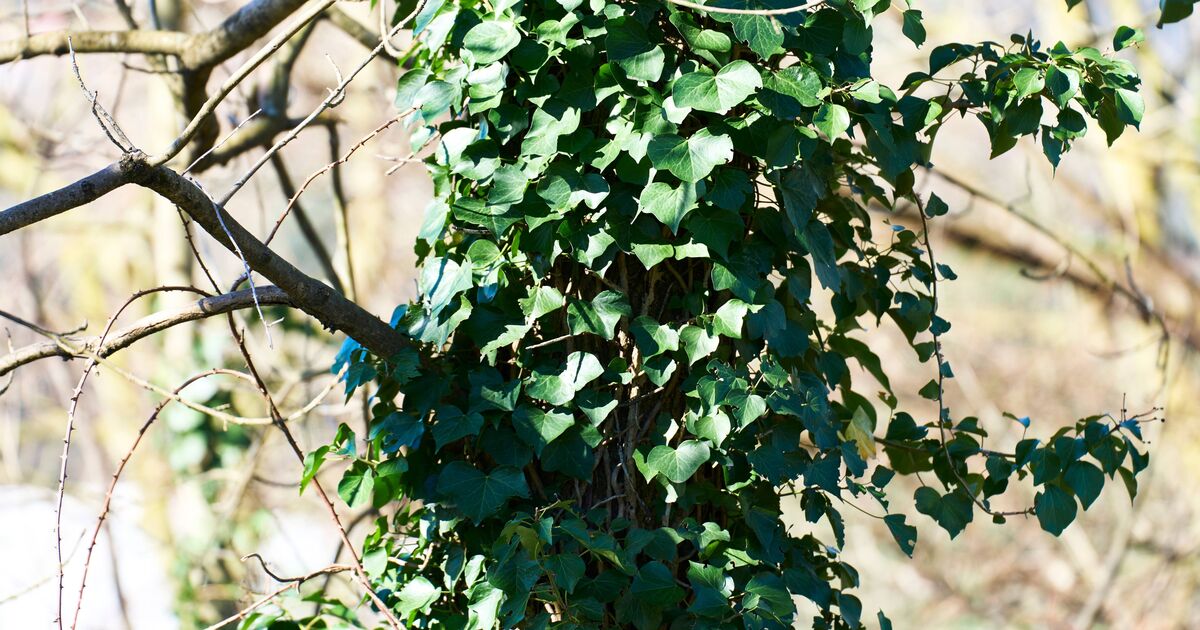
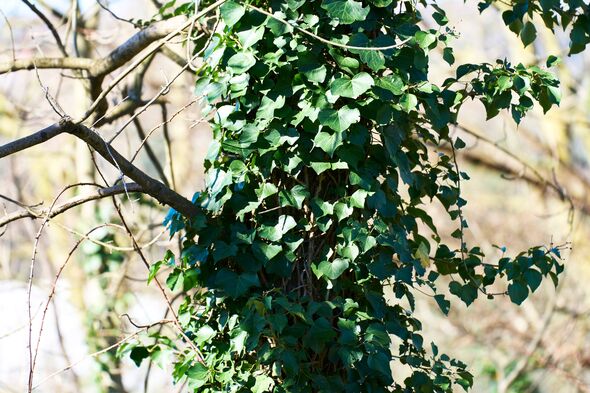
This easy method will remove ivy easily (Image: aire images via Getty Images)
UK gardeners are likely to have encountered common or English ivy in their lifetime, but few would have planted it intentionally. Ivy is a ubiquitous evergreen climber that clings to walls, fences and trees, forming dense mats of growth.
While it has some benefits, like providing shelter for birds and pollinators, its ability to smother plants, damage mortar in older walls, and block sunlight makes it a common nuisance for gardeners. Most fast-growing weeds are tackled with harsh chemicals, which many would assume would be the case for ivy. But irrigation experts at Drip Works claim that a natural concoction of three cupboard ingredients is all that’s needed to eradicate “serious and invasive” ivy for good.
READ MORE: Drivers told not to underestimate impact of change coming in from Sunday
READ MORE: I used the new airport entry/exit system – summer will be chaos
There are several ways to tackle unwanted ivy in the garden but it depends on where the leafy plant is growing. One solution that works well for climbing ivy is a vinegar-based spray.
“If you want an ivy-free garden wall, this is an effective and natural way to achieve it,” said the Drip Works team. The formula calls for apple cider vinegar, salt, and dish soap which when combined, has been “proven to be the best solution to kill ivy”
Making it is easy, all you need is the three ingredients and a spray bottle. Add one gallon of apple cider vinegar to the bottle along with one tablespoon of salt, and one ounce of dish soap (around two tablespoons).
While both apple cider vinegar and white vinegar can be used to kill ivy, apple cider vinegar may be more effective for some due to the presence of other substances in addition to acetic acid.
The effectiveness of both depends on the concentration of acetic acid, which is higher in some types of vinegar than others.
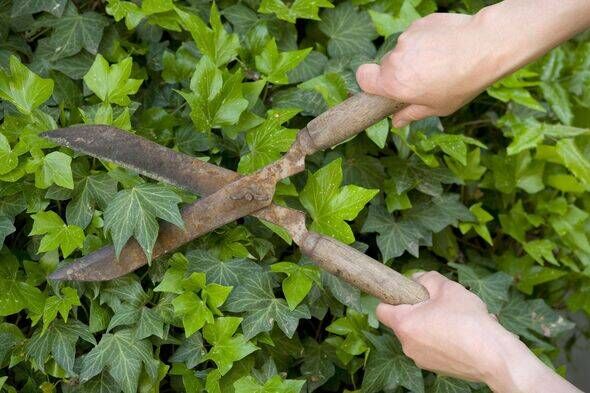
Trimming ivy won’t stop it from growing back as it is a vigorous plant (Image: Getty)
Secure the lid and shake the mixture vigorously to combine. It is crucial to wear gardening gloves, long sleeves, and boots when applying the solution.
How to kill ivy plants
According to the irrigation experts, the vinegar-based solution should remain on ivy plants for a minimum of five days before checking the progress.
The liquid solution acts as a natural herbicide, drying out ivy leaves and helping to break down the waxy coating that protects them.
The Drip Works team said: “After five to six days, use garden shears and a pruning saw to remove dead ivy that is clinging firmly to the building.”
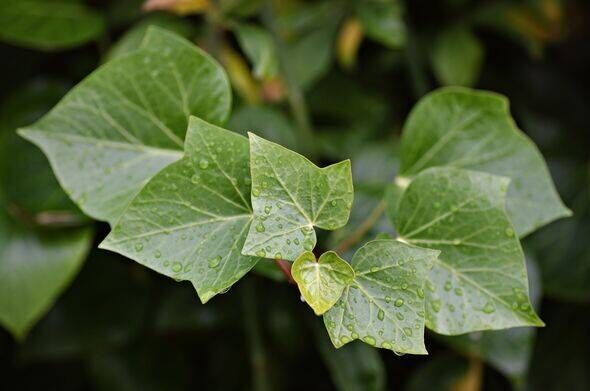
Ivy can be very difficult to remove (Image: Getty)
Some leaves may survive the weed killer substance if you’re not thorough enough. In this case, you should repeat the same process until the English ivy is completely dead.
Physical removal of the roots is recommended after the foliage dies back, as ivy is tenacious and will reappear if even a small root segment is left behind.
Wildlife can make nests in thick ivy growth. However, when left to spread, ivy can weaken trees by adding weight and competing for light and moisture.
Comments are closed.