
One of the most challenging aspects of gardening is choosing a place for your plants that is aesthetically pleasing, but also suits their needs. You may love how hostas look in your full-sun garden bed, but these perennials will burn under the hot afternoon sun. Or maybe you planted hydrangeas in your rain garden only to learn that these shrubs hate having wet feet.
To solve this gardening woe, we rounded up the flowers that can grow just about anywhere. Whether you’re looking for a variety that will flourish under your walnut tree or need a type that can withstand stubborn clay soil, gardening experts say these flowers practically grow themselves, no matter where they’re planted.
Meet the Expert
Tabar Gifford, master gardener and partnership cultivator at American Meadows
Linda Langelo, horticulture specialist at Colorado State University and author of Plants Are Speaking. Are You Listening?
Related: 8 Fruit Trees You Can Grow Almost Anywhere for Easy, Delicious Harvests
01 of 17
Purple Coneflower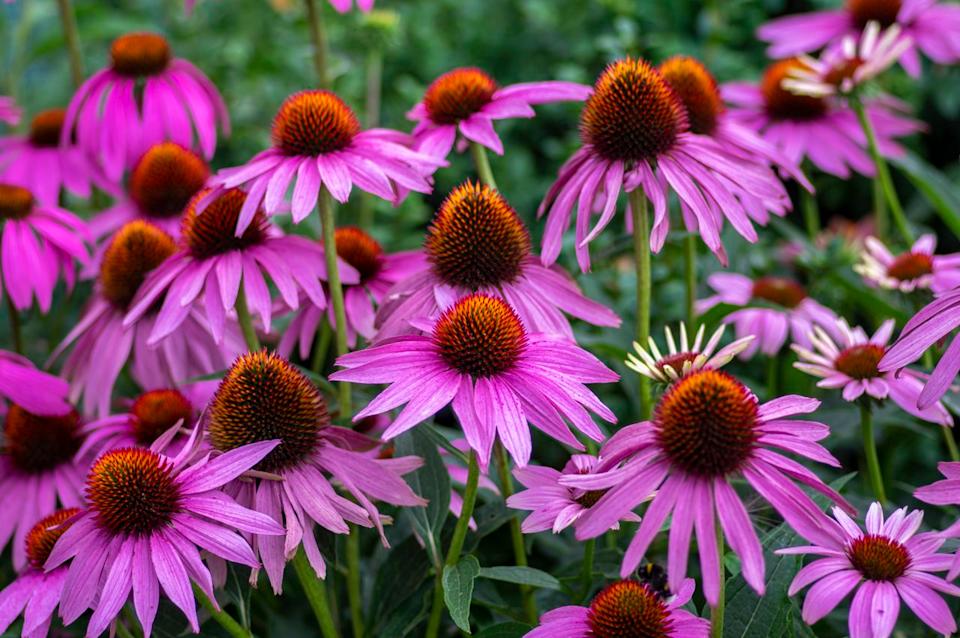
Credit: Getty Images
Purple coneflower (Echinacea purpurea) is a North American native known for its beauty and resilience. “This perennial handles a wide range of garden conditions with ease: drought, clay soil, heat, humidity, and even light shade,” says Tabar Gifford, master gardener and partnership cultivator at American Meadows. “It’s also a fantastic pollinator plant—bees, butterflies, and other beneficial insects love the flowers, and birds feast on the seed heads in winter if you leave them standing.” Soggy soil and deep shade are the only conditions that purple coneflower won’t tolerate.
Size: 24 to 36 inches tall x 18 to 24 inches wide
Care requirements: Full sun to partial shade; adaptable to most well-drained soils
02 of 17
Walker’s Low Catmint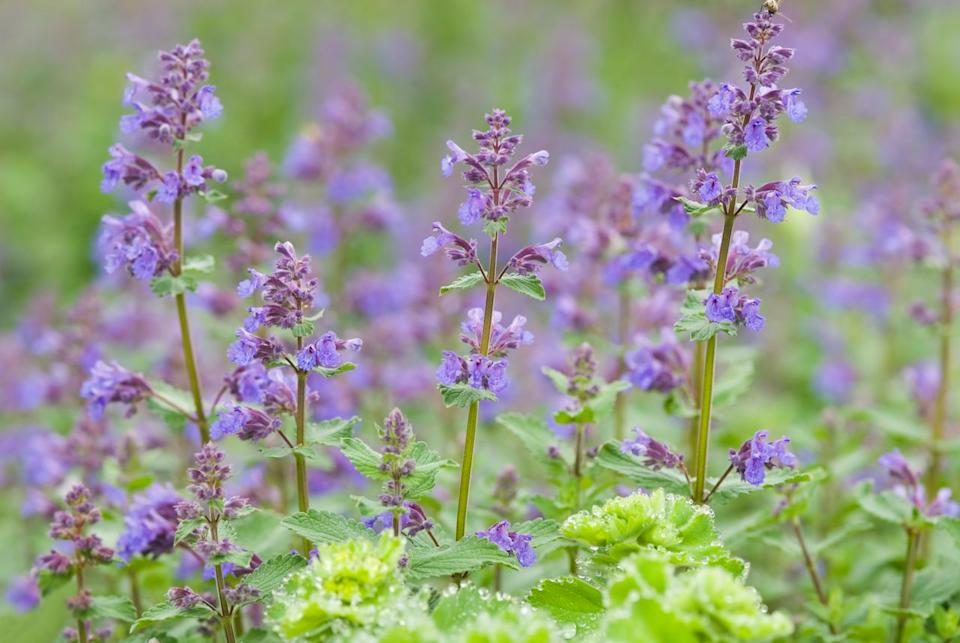
Credit: AlpamayoPhoto / Getty Images
Walker’s Low catmint (Nepeta faassenii ‘Walker’s Low’) is a plant-it-and-forget-it perennial that thrives in various conditions, says Gifford. This plant boasts soft, gray-green foliage and long spikes of lavender-blue flowers that bloom for weeks. “It handles pretty much everything—hot sun, dry soil (even clay), humidity, and salt,” says Gifford. “It’s also deer- and rabbit-resistant thanks to its aromatic leaves, and pollinators love it (especially honeybees and bumblebees).” Be careful when planting catmint in full shade, as this may cause legginess or reduce flowering.
Size: 2 to 3 feet tall x 2 to 3 feet wide
Care requirements: Full sun; adaptable to most well-drained soils
03 of 17
Yarrow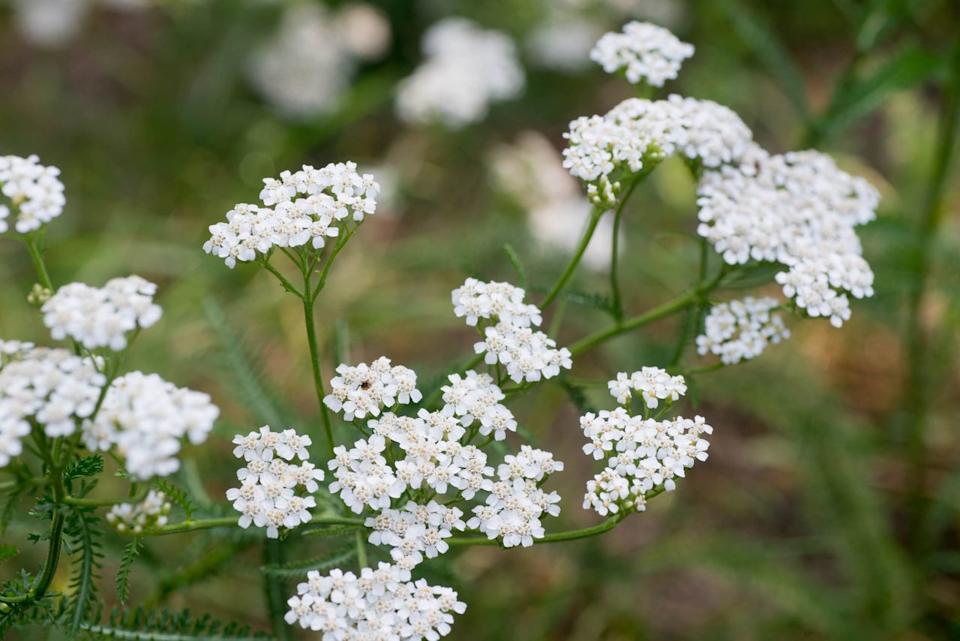
Credit: aga7ta / Getty Images
Yarrow (Achillea millefolium) has a strong taproot, allowing it to withstand poor soil, high pH, drought, heat, and other less-than-ideal conditions. “It’s salt-tolerant, deer-resistant, and thrives in rock gardens, borders, and dry spots where other plants struggle,” says Gifford. “Its only real dislikes are soggy, poorly drained clay and deep shade, which can lead to fewer flowers and floppy stems.”
Size: 18 to 30 inches tall x 24 inches wide, depending on the cultivar
Care requirements: Full sun; well-drained soil (it excels in dry, lean, or rocky soils)
04 of 17
Cosmos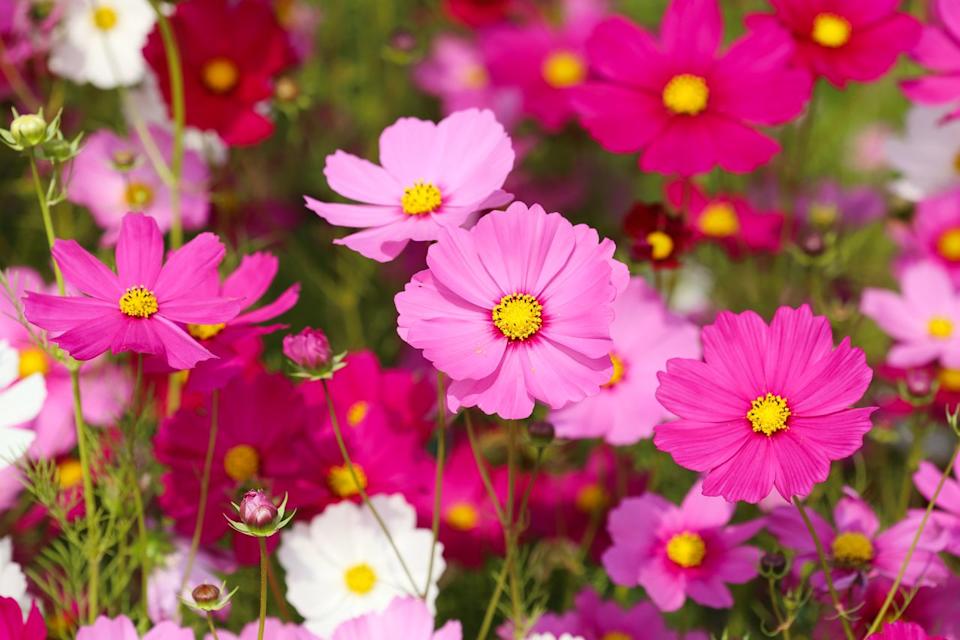
Credit: geargodz / GETTY IMAGES
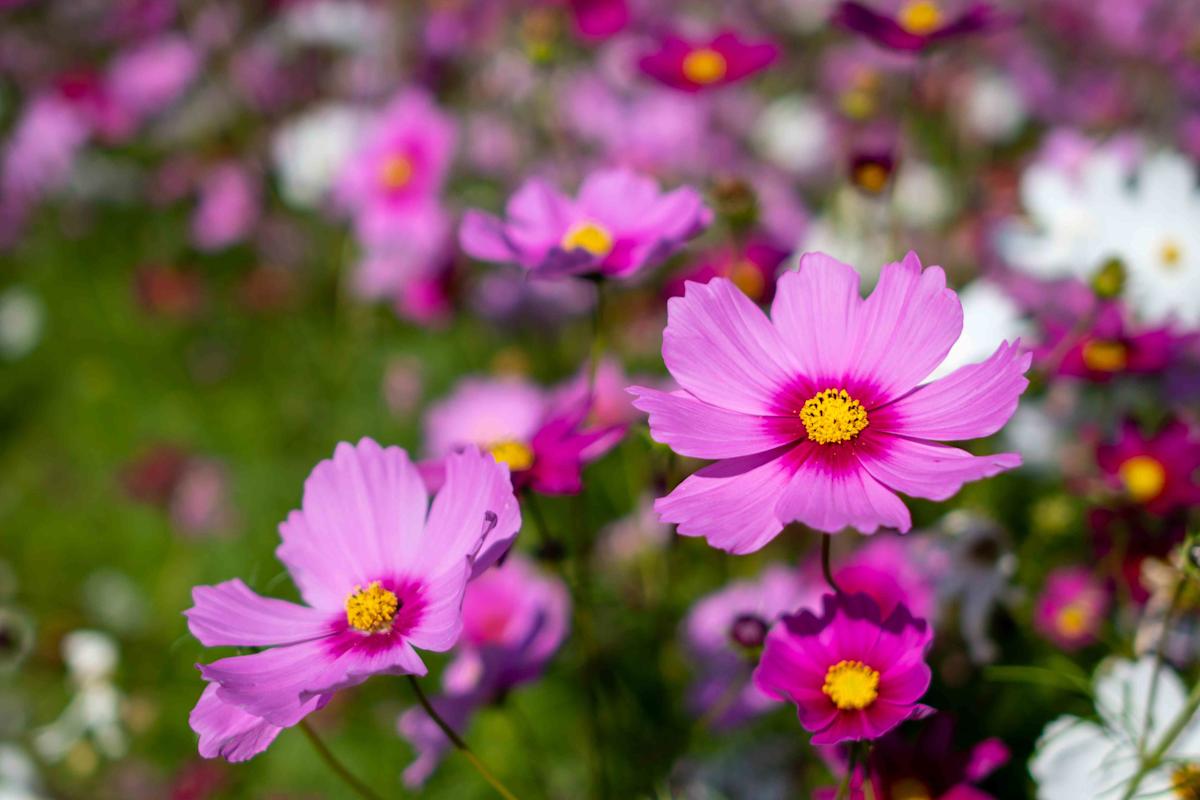
An annual flower with a lot of impact, cosmos (Cosmos bipinnatus) is defined by its charming, saucer-shaped disk flowers. Cosmos like average soil, meaning they grow well in a variety of conditions. These plants don’t typically suffer from insects or diseases, so they don’t require extra care as a result of these issues, says Linda Langelo, horticulture specialist at Colorado State University.
Size: 1 to 4 feet tall x 2 to 3 feet wide
Care requirements: Full sun to partial shade; average soils
05 of 17
Blanket Flower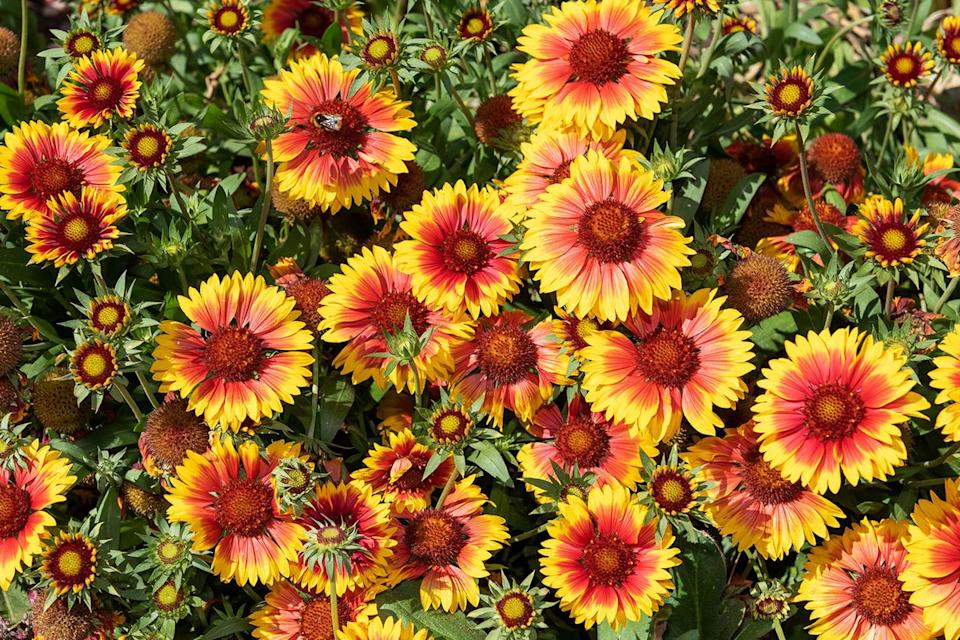
Credit: Tom Meaker / Getty Images
Blanket flower (Gaillardia aristata) is a cheerful native perennial that fills gardens with summer color with its red-and-yellow, daisy-like blooms. This long-blooming plant loves the heat, tolerates drought, and doesn’t need fancy soil—sandy, rocky, or poor soils are all fair game, says Gifford. “Once established, it asks very little from you in return,” she adds. Try to avoid heavy, constantly wet clay and stuffy, humid spaces.
Size: 8 to 12 inches tall x 12 to 18 inches wide
Care requirements: Full sun; average, well-drained soils
06 of 17
French Marigolds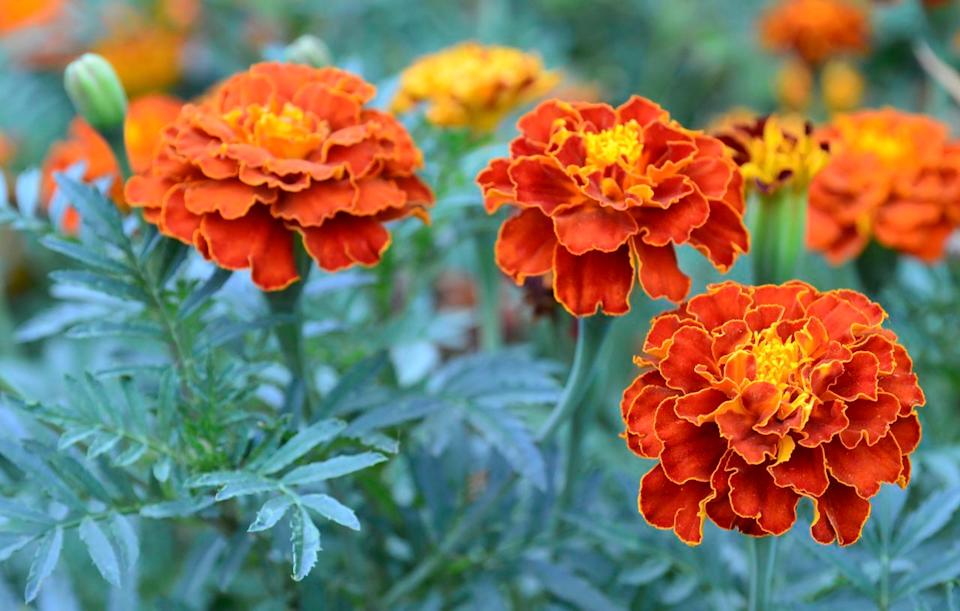
Credit: svf74 / Getty Images
French marigolds (Tagetes patula) are adaptable to various soil conditions and perform well in full sun or partial shade, meaning you can plant them just about anywhere in your garden. French marigolds are also wind- and drought-tolerant. “They are great companions in a vegetable or perennial garden because they control nematodes and other pests,” says Langelo.
Size: 6 to 12 inches tall x 6 to 10 inches wide
Care requirements: Full sun to partial shade; well-drained soils
07 of 17
Whorled Tickseed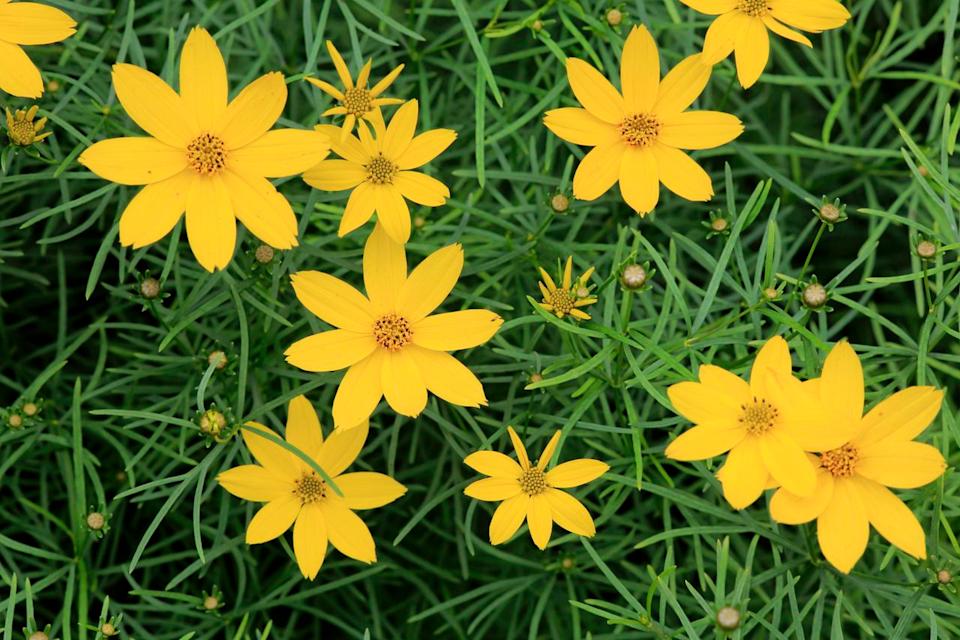
Credit: Jurgen & Christine Sohns / Getty Images
Whorled tickseed (Coreopsis verticillate) is a ray of sunshine in the garden. It’s reliable and resilient, despite its dainty blooms. “Coreopsis sports airy, threadlike foliage with loads of daisy-shaped flowers in sunny shades of yellow to gold,” says Gifford. “It tolerates heat, drought, poor soils, and even a bit of light shade. Just avoid deep shade and soggy soils—too much of either, and it’ll grow leggy or suffer root rot.”
Size: 12 to 18 inches tall x 12 to 18 inches wide
Care requirements: Full sun; dry to average, well-drained soils
08 of 17
Bearded Iris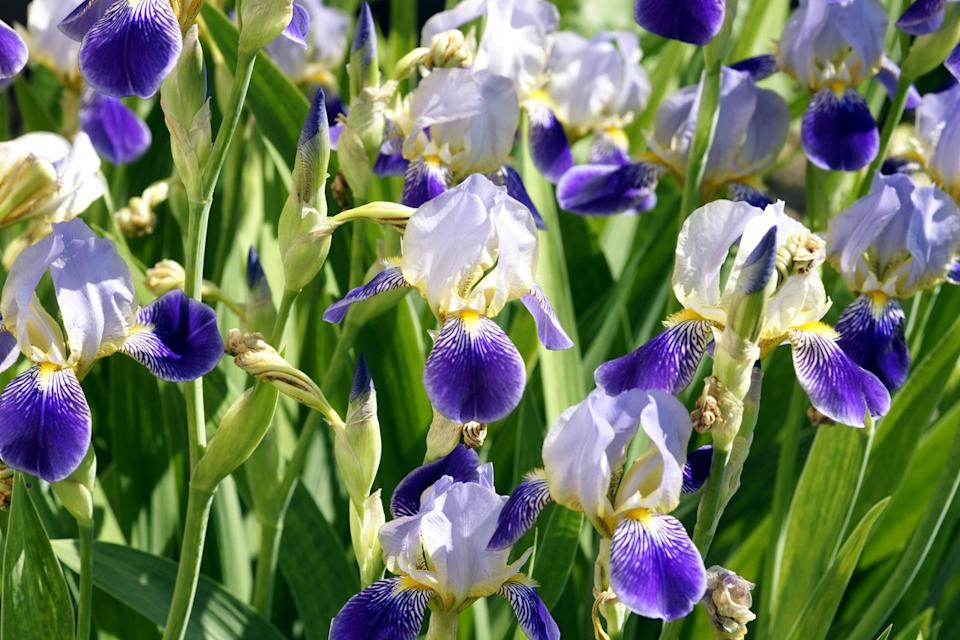
Credit: Getty Images
Bearded iris (Iris germanica) is a perennial with sword-shaped leaves that produces large, fragrant blooms. According to Langelo, bearded irises are among the most adaptable plants to grow in the garden, thanks to their ability to flourish in a wide range of soil conditions.
Size: 2 to 4 feet wide x 2 feet wide
Care requirements: Full sun; average, well-drained soils
09 of 17
Bee Balm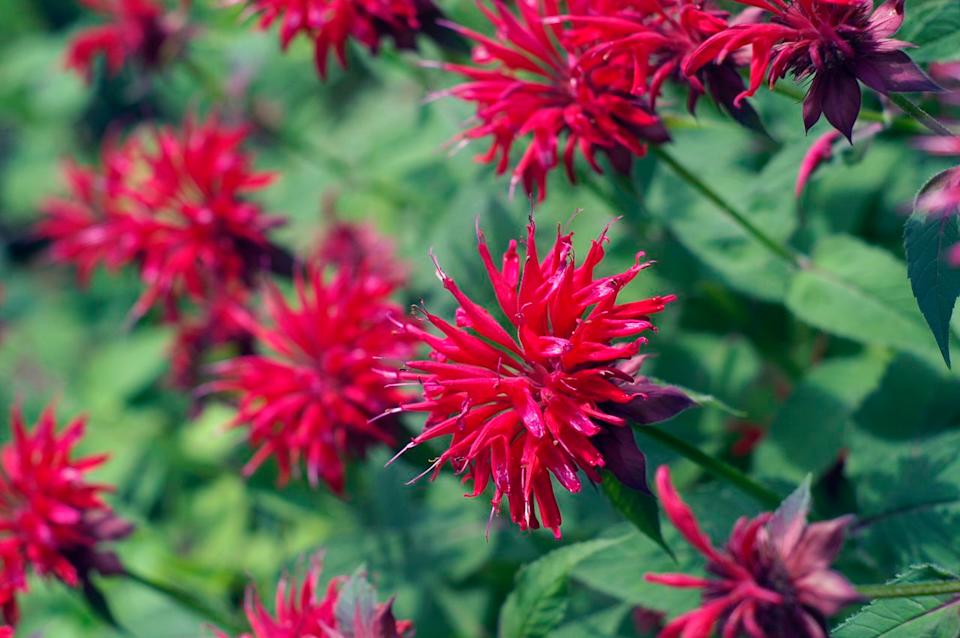
Credit: bg walker/ Getty Images
Bee balm (Monarda) is a beloved pollinator plant that attracts hummingbirds, bees, and butterflies. “This native perennial is more tolerant of clay and poorly drained soil than most, and it grows well in full sun or part shade,” says Gifford. “It loves rich, moist soil, making it an excellent pick for rain gardens or areas that stay damp.” It needs proper airflow to avoid powdery mildew. “Otherwise, it’s tough, vigorous, and happy to spread,” she says.
Size: 24 to 48 inches tall x 24 to 36 inches wide
Care requirements: Full sun to partial shade; average to moist, well-drained soils
10 of 17
Cranesbill Geranium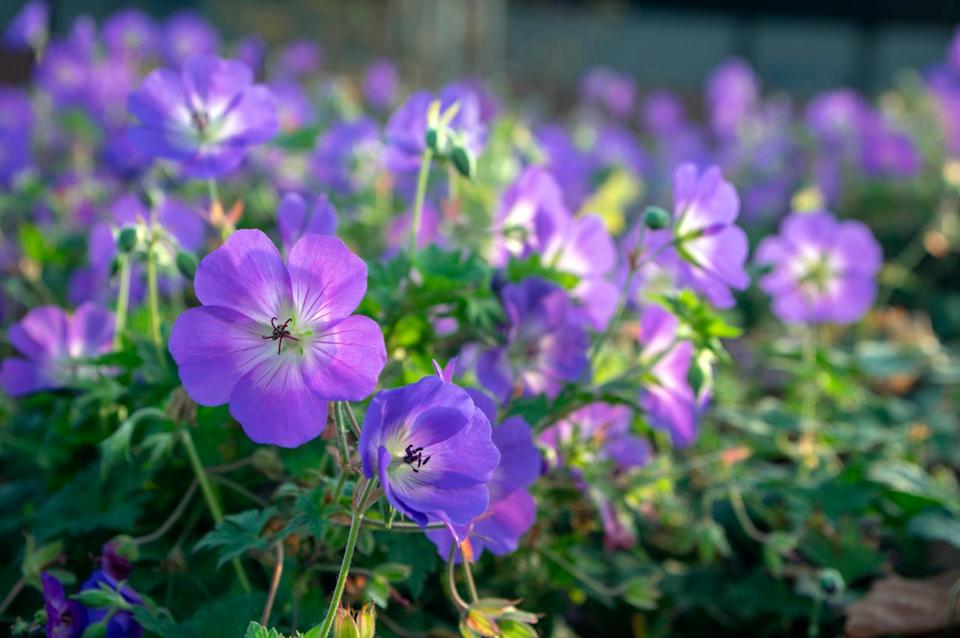
Credit: Iva Vagnerova / Getty Images
Cranesbill geranium (Geranium sanguineum) is a clump-forming perennial that blooms in May with beautiful jewel-toned flowers. The foliage turns red in fall, offering multiple seasons of interest, Langelo says. Beyond its beauty, cranesbill geranium is also very easy to grow, thriving in full sun to partial shade and in average soil.
Size: 9 to 12 inches tall x 24 inches wide
Care requirements: Full sun to partial shade; average to moist, well-drained soils
11 of 17
Evening Primrose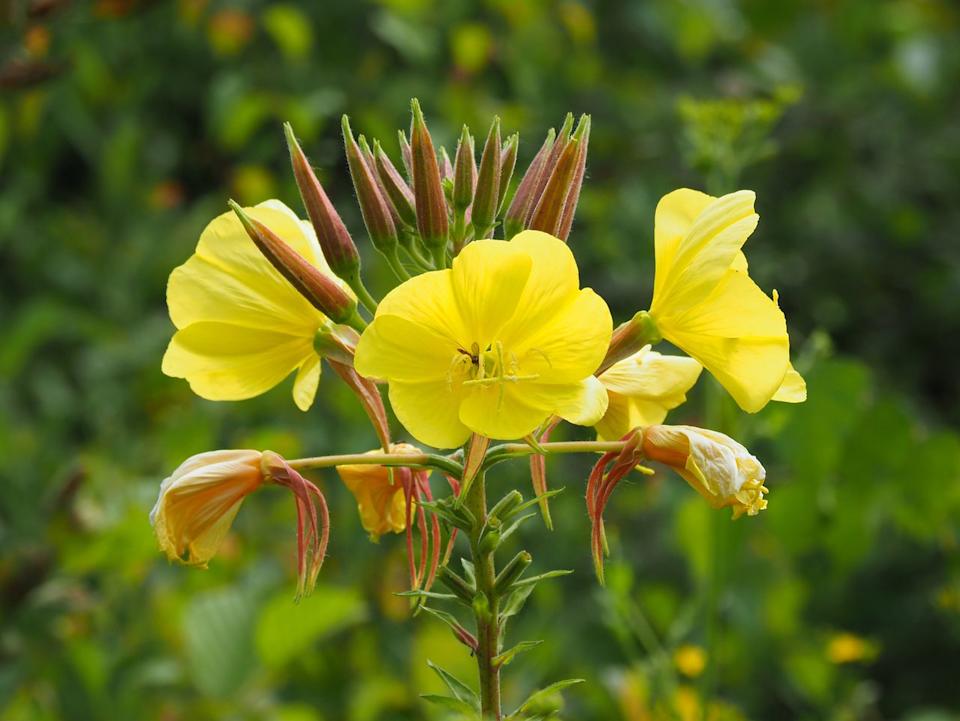
Credit: Carol Cinca/Getty Images
Another native perennial, evening primrose (Oenothera speciosa) produces soft, cup-shaped pink blooms that open in the evening and last into the next day. “This is a plant that thrives on tough love. Its deep taproot lets it settle happily into sandy, dry, or rocky soils, where it naturalizes easily,” says Gifford. “It’s heat- and drought-tolerant and handles poor soils with ease.”
Size: 12 to 24 inches tall x 12 to 24 inches wide
Care requirements: Full sun; dry, well-drained soils
12 of 17
Columbine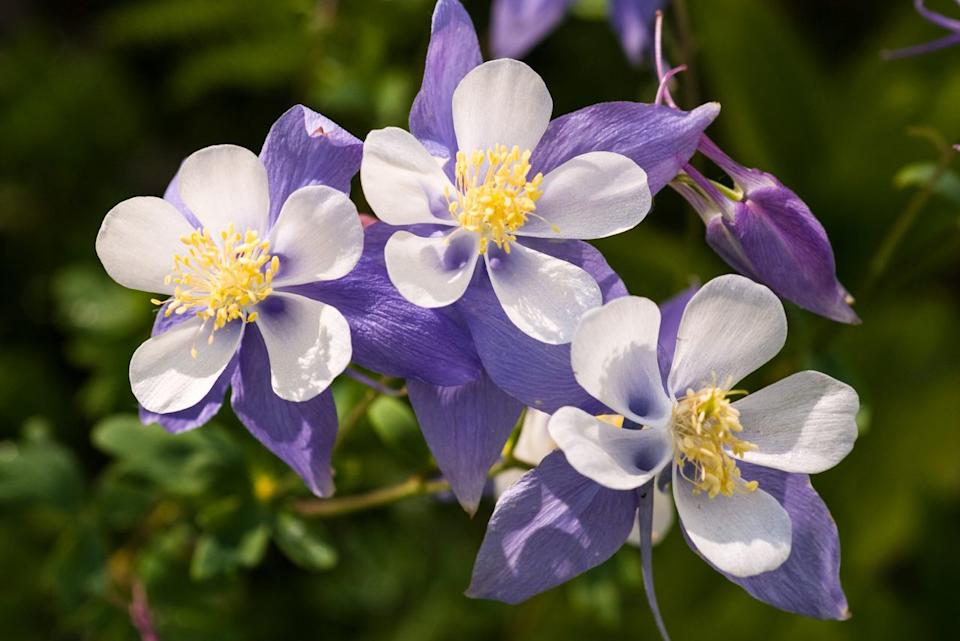
Credit: earleliason / GETTY IMAGES
Columbine (Aquilegia canadensis and hybrids) produces red, yellow, or bi-color blossoms that attract hummingbirds, butterflies, and bees to the garden. “Deer and rabbits generally leave it alone, making it ideal for naturalized plantings and woodland gardens,” says Gifford. “It’s incredibly adaptable—happy in rocky, average, or clay soils, and tolerant of dry or moist conditions (as long as it’s well-drained).”
Size: 12 to 36 inches tall x 12 to 36 inches wide
Care requirements: Full sun to partial shade; dry, well-drained soils
13 of 17
Lily Leek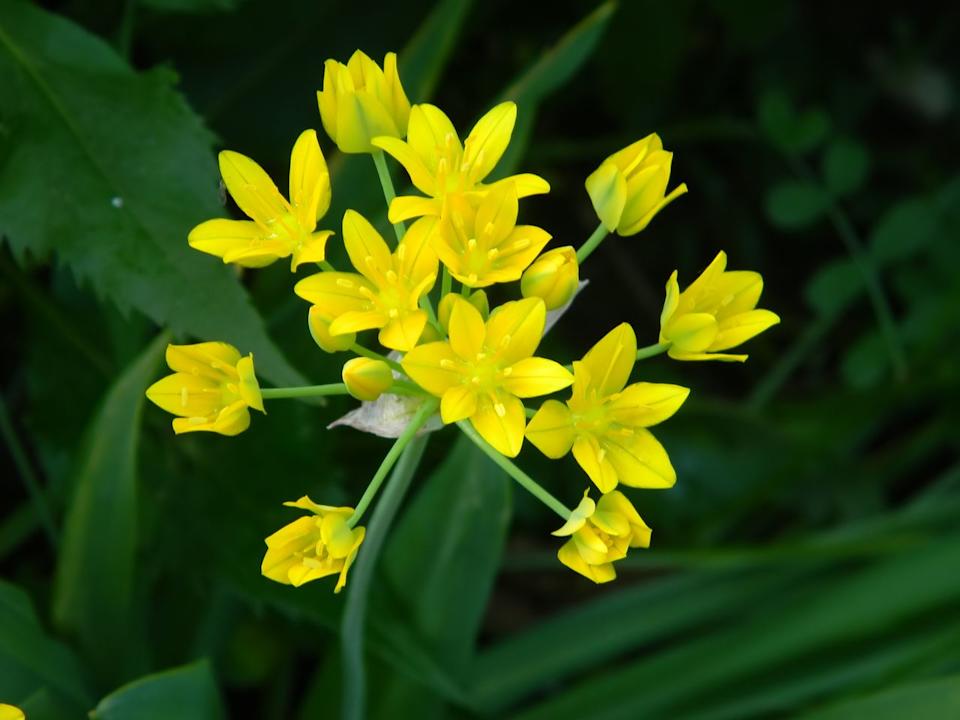
Credit: Hana Richterova / Getty Images
An ornamental flowering onion, lily leek (Allium moly) has star-shaped flowers that appear in loose clusters on leafless stalks, Langelo says. This cheerful plant tolerates various soil conditions, so you can plant it any garden setting. “Plus, these are low-maintenance and have no pest or disease issues,” she says, adding that lily leek can grow under walnut trees, which is a tough location for some plants.
Size: 10 to 18 inches tall x 10 to 12 inches wide
Care requirements: Full sun to partial shade; average soils
14 of 17
Black-Eyed Susan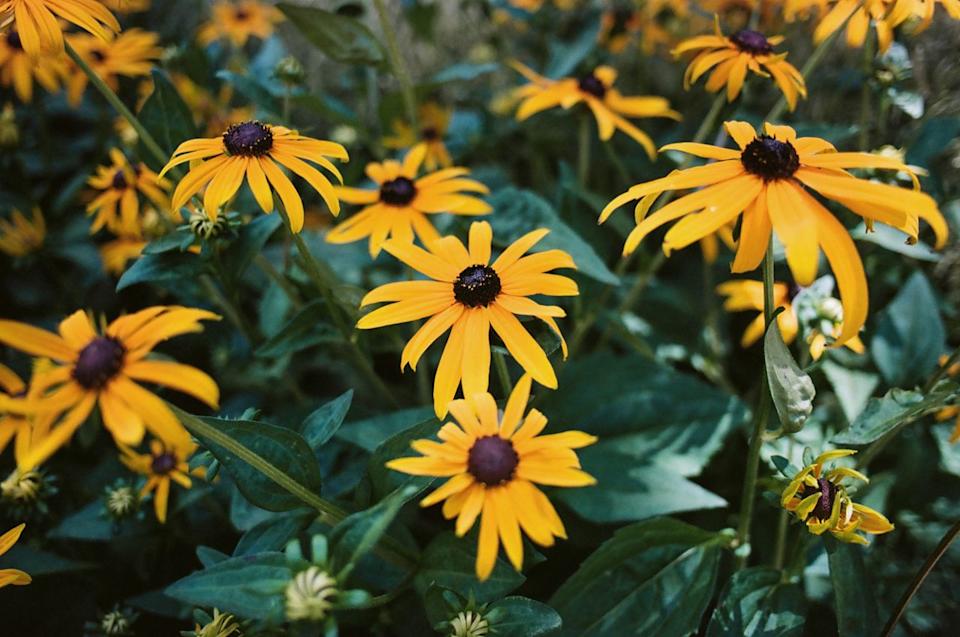
Credit: Grace Cary / Getty Images
A resilient native perennial, black-eyed Susan (Rudbeckia hirta) is recognized by its iconic daisy-like flowers with yellow to orange-yellow rays and a dark brown center. It can grow in just about any soil type and is resistant to heat and drought.
Size: 2 to 3 feet wide x 1 to 2 feet wide
Care requirements: Full sun to partial shade; average soils
15 of 17
Blazing Star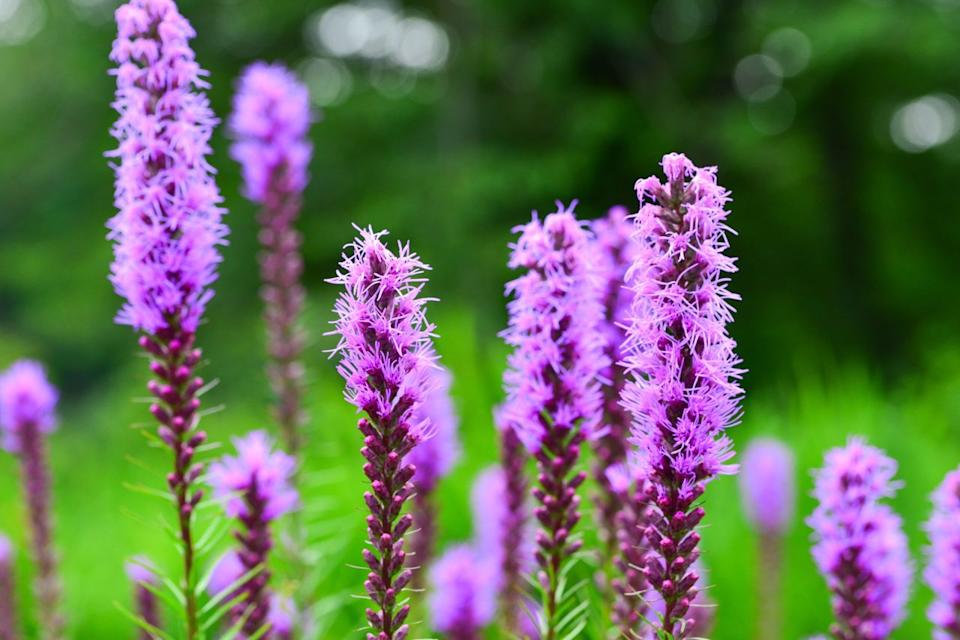
Credit: GETTY IMAGES
A perennial with upright leafy stalks and spikes of purple flowers, blazing star (Liatris spicata) lives up to its name—this plant is a true star in the garden. According to Langelo, it grows in average to poor soil and is tolerant of heat and humidity. “This perennial has no serious insect or disease problems, making it especially easy to maintain,” she says. “In addition, it never needs deadheading.”
Size: 2 to 4 feet wide x 1 to 2 feet wide
Care requirements: Full sun; average soils
16 of 17
Bugleweed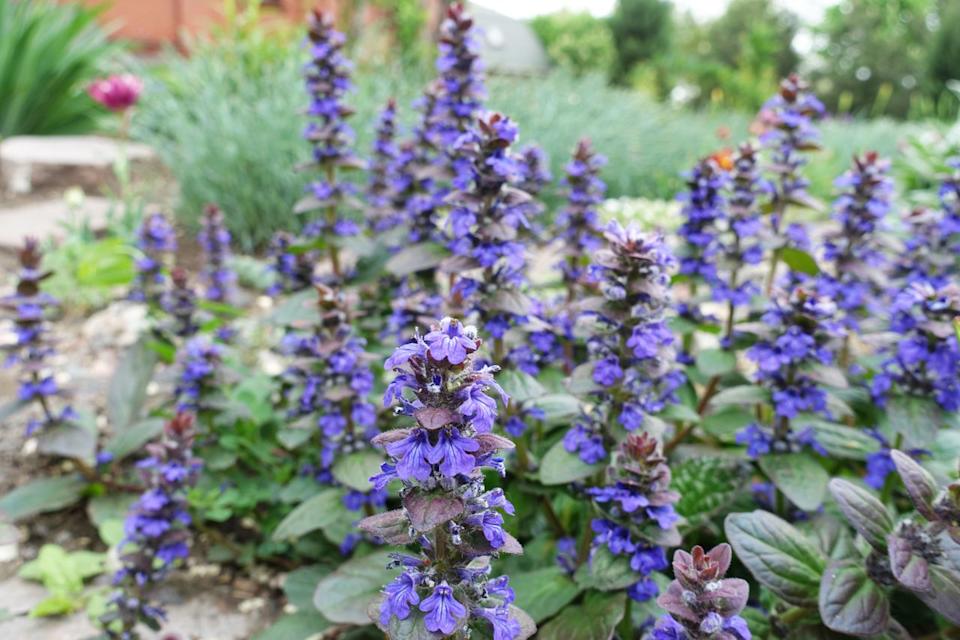
Credit: apugach / Getty Images
Bugleweed (Ajuga reptans) is a mat-forming ground cover that produces dark green leaves and whorls of small blue-violet flowers, says Langelo. This resilient plant grows in moist to average, well-drained soils and performs in full sun and partial shade, so it can succeed just about anywhere you want to plant it.
Size: 12 to 9 inches tall x 6 to 12 inches wide
Care requirements: Full sun to partial shade; average, well-drained soils
17 of 17
Zinnia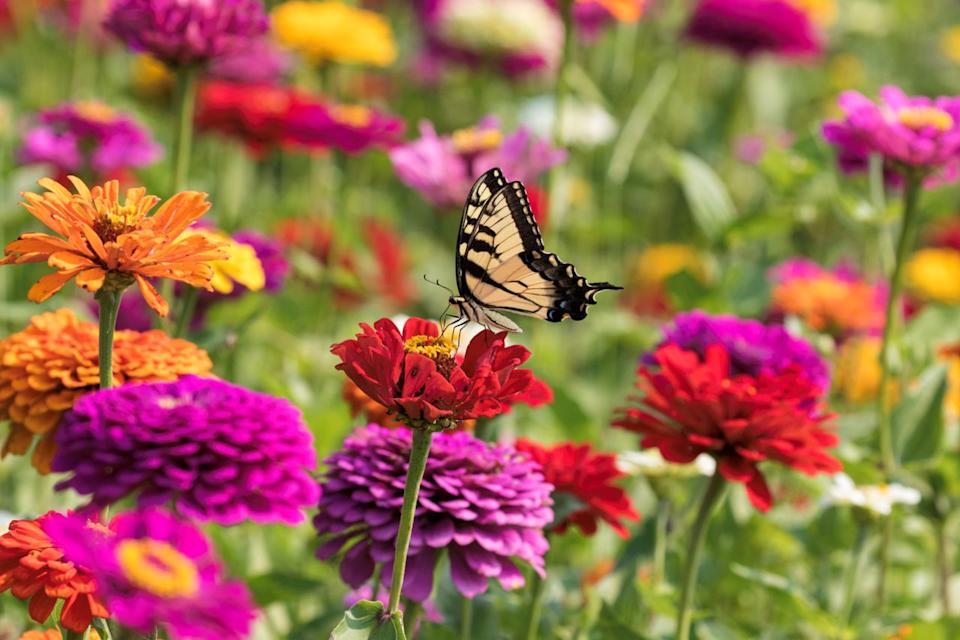
Credit: Getty / Marcia Straub
Zinnias (Zinnia spp.) are loved for their hardiness in the garden. This annual produces daisy-like flowers in all colors of the rainbow, from bright yellow and pink to deep purple. Zinnias aren’t picky about their soil, thriving in all types and conditions. However, these showstoppers prefer full sun and won’t be as prolific in shaded areas.
Size: 6 to 48 inches tall x 12 to 18 inches wide
Care requirements: Full sun; average, well-drained soils
Read the original article on Martha Stewart
Comments are closed.