
Products featured in this Yahoo article are selected by our shopping writers. We will earn a commission from purchases made via links in this article. Pricing and availability are subject to change.
It’s officially time to tend to our gardens and get them in shape for spring.
Often at the top of the list are dusting off our gardening tools, sowing seeds, pruning certain plants and mowing the lawn for the first time.
But this crucial time of year also brings a wave of unanswered questions. What fertiliser did I use last year? When did I plant the tomatoes? What corner usually gets the most sun?
It’s not uncommon to lose track of things in the garden, forget important details and feel like the seasons blur together.
But there is one simple yet highly effective task that could solve this, and it’s one that many of us budding gardeners forget until it’s too late.
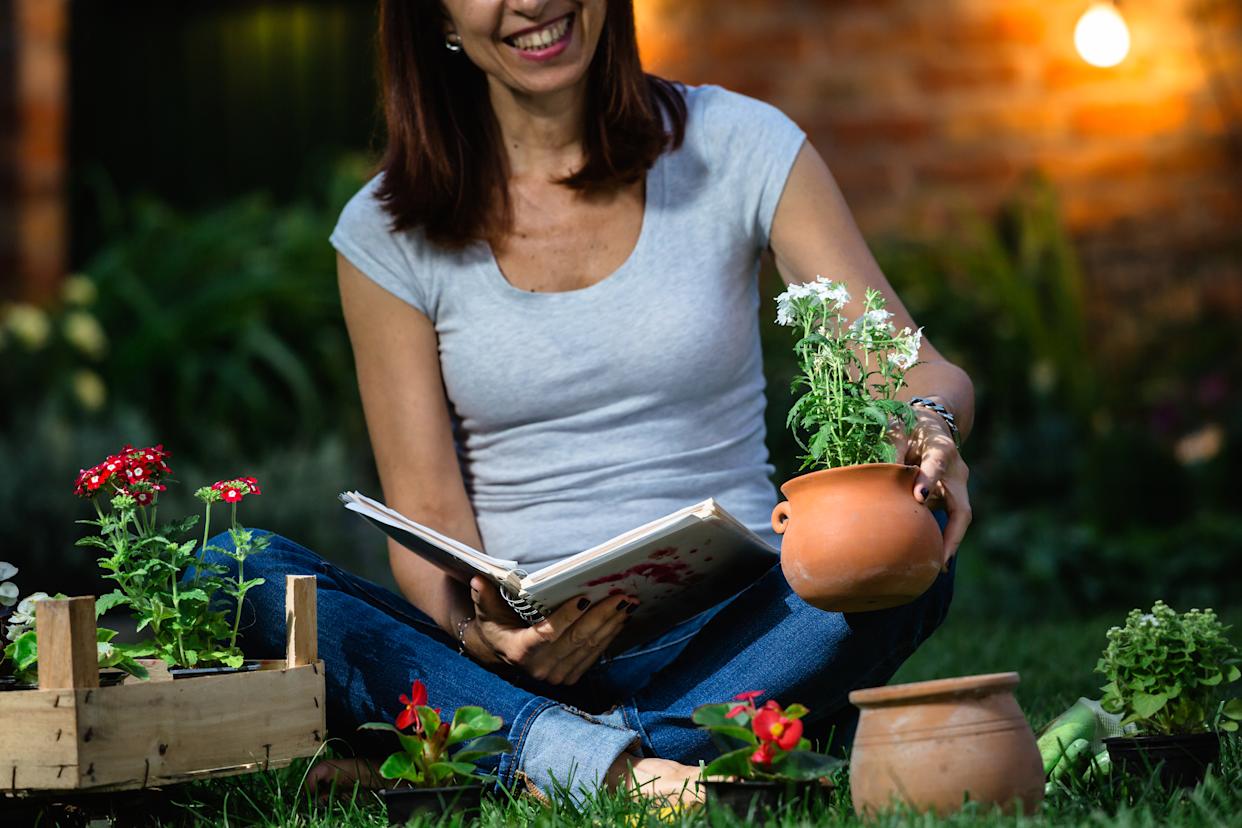
Keeping a garden log is an effective task that will help you in the long run.
(Dejan_Dundjerski via Getty Images)
Keeping a record of what we plant and when is something even experts don’t do enough, as Rob Brett from the Royal Horticultural Society tells us.
He says, “Actually, what I don’t think we necessarily do enough in the professional world is keep a record of things. A gardener’s calendar, if you will.
“Often, we just garden instinctively and don’t write anything down. But keeping a simple log of what you plant and when can make a real difference.”
Brett explains that it’s as simple as having somewhere to note things down.
As an example, he suggests jotting down whether you planted something on a particular day, followed by the weather conditions the next week. Perhaps it poured with rain everyday, or it was surprisingly dry for that time of year. These details can be incredibly useful when you’re planning the following year, and it also gives you something concrete to refer back to.
He says, “It’s really useful to make a note of those details, because year on year they can vary quite a bit. Over time, those records start to build a bigger picture of patterns in your garden and even of the wider climate. And that’s actually quite fundamental.”
Jotting down small details makes a huge difference.
(Zbynek Pospisil via Getty Images)
The format itself doesn’t matter too much. You can record comments in a designated notebook, create a spreadsheet or even use the notes app on your phone. You can even go one step further and set reminders on your phone. The key is being consistent.
If it’s a physical notebook you’re using to record details and dates, make sure to leave it somewhere visible and handy, to encourage you to regularly return to log your progress. It’s great to get into a habit of doing this and treating it as part of the entire gardening process.
When you don’t keep a garden log, it’s likely you’ll find yourself making the same mistakes over again – forgetting what worked, missing important dates and watching areas of your garden struggle without knowing what to blame.
What should I record in my garden?
☀️ Make a note of weather patterns
💦 Jot down when you last watered your crops
🪴 Note down planting dates
📈 Log any growth
📆 Write down important dates
🚩 Record any signs of disease or pests
Comments are closed.