
Your guide to gardening in Germany (Stripes Staff)
I’ve been stationed in many different places, and it typically takes at least the first year to figure out what grows in my new yard and when I can plant a vegetable garden. Germany was no different, but now that I’ve been here for nearly five years, I feel confident that my flowers won’t freeze, my tomatoes get enough sun and my pumpkins will ripen.
To save you a whole lot of time, here is my advice for seasonal tasks to care of your German yard and planting times for that little veggie patch you’ve always wanted.
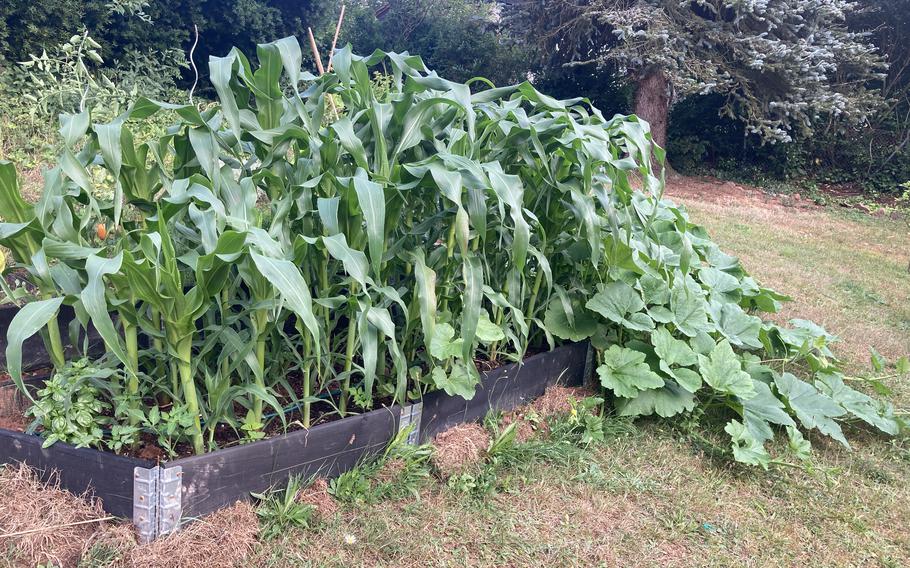
Gardening in Germany means unique tasks every month. (Kat Nickola)
January and February
Life is tough for a gardener in the winter. I mostly tend my indoor plants and attempt to keep my Christmas poinsettia alive all year.
Get a compost bin and rake any leftover fall leaves into it.
Prune dead material from last year’s plants.
Cut to the ground any dead raspberry stalks.
Trim hedges and shrubs. Major pruning is only permitted from Oct. 1 to Feb. 28 by German regulations that protect nesting birds and wildlife.
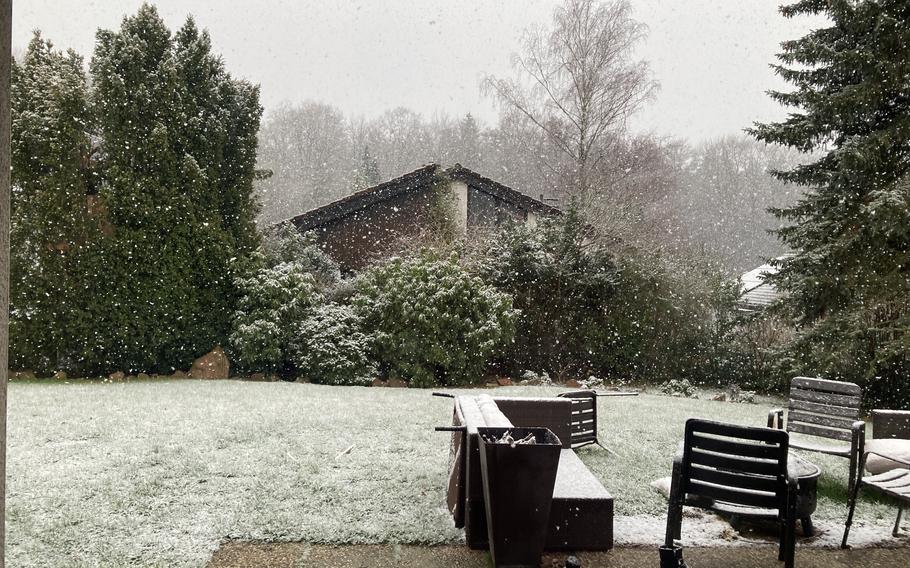
January and February can be tough for a gardener. But a good dusting of snow can help insulate your bulbs and lawn. (Kat Nickola)
March
Time for planning the garden. Choose seeds, wander around at the local garden center and tidy up your tools.
Enjoy the first crocus and snowdrops, followed by daffodils and forsythia blooms.
Dig your new garden, make expansions, or shore up raised beds.
Begin lettuces, broccoli, sweet pea, cauliflower, Brussels sprouts or cabbage seeds indoors. Planting trays are sold this time of year at grocery stores and garden centers.
Plant summer bulbs like lilies, dahlias, iris and alliums.
Do the first spring lawn mowing, but avoid any sprouting bulbs or wild strawberries.
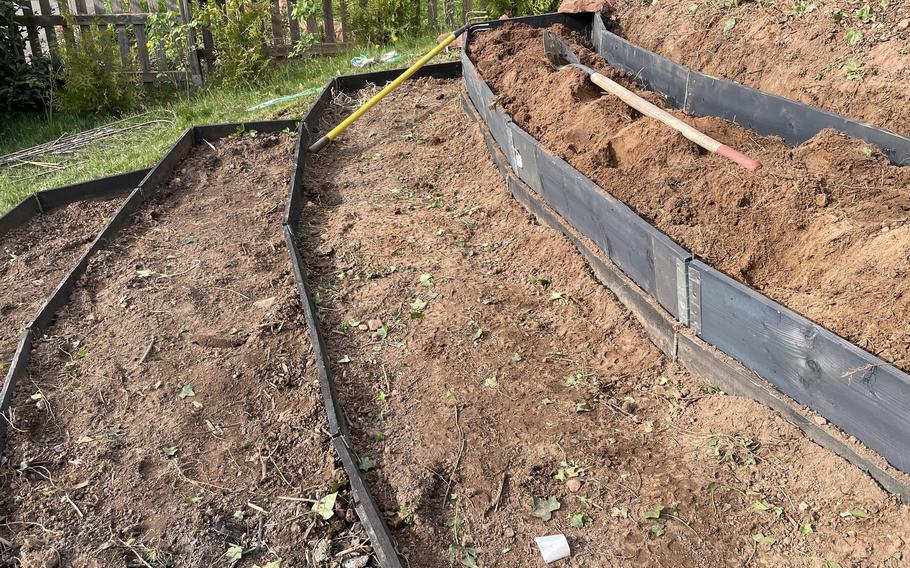
A warm March day is great for expanding your garden beds or digging out old root systems. (Kat Nickola)
April
With weather alternating from sunny, warm days to downright wintery temps, April is truly a wild spring month.
Fruit trees bloom and lilacs spread their fragrance while hyacinths and tulips emerge.
Start summer vegetable seeds indoors early in the month or plan on buying plants at the end of the month. What does well? Tomatoes, peppers, eggplant, lettuces, strawberries, cucumbers, runner beans, melons and summer squash.
Prep your garden. Mix in any new soil, compost or manure. I’ve used large plastic totes (and a shovel and gloves) to pick up free horse manure from local farms by searching the online marketplace Kleinanzeigen for “düngen.”
Plant any lettuce or brassicas that you started indoors last month outside in your garden under a cold frame.
Plant raspberry bushes if you’d like to start or expand your patch.
Late in the month, if it’s warm, sow seeds for root vegetables like carrot, radish or beets and plant potato and onion starters. Monitor the frost risk and be prepared to cover sprouts with a sheet if temperatures drop.
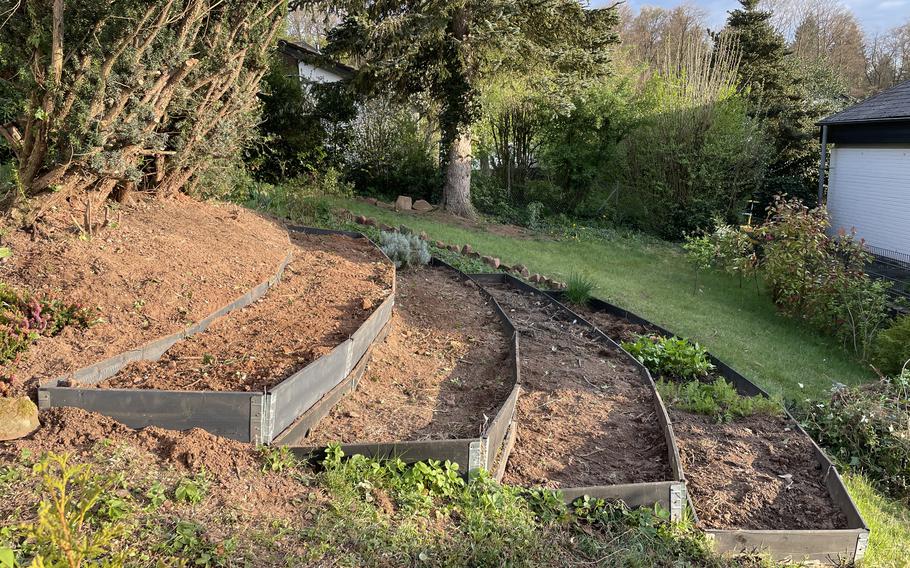
It’s important to prep your soil before planting. (Kat Nickola)
May
Planting may begin in your vegetable patch! You won’t see many German gardeners putting out vegetables until after the Eisheligan (Ice Saints) days of May 11-15 have passed; these are the riskiest days for a late-year frost!
Appreciate the rhododendron blooms and watch as daisies and iris bring color. The Pfingstrose (peony) blooms around the Pfingst (Pentecost ) holiday and woody herbs like rosemary and lavender will be getting bushy.
Sow seeds for summer blooms like sunflowers, marigold, nasturtium and cosmos. Plant bedding flowers and window boxes.
Prune forsythia and lilac.
Pick the first lettuces from your cold frame.
Sow autumn vegetables directly in your garden from seed: corn, pumpkins and squash.
After May 15, place all of your indoor or purchased vegetable plants in the garden.
Sow another round of seeds for lettuce, broccoli, cauliflower and carrots.
Participate in “No Mow May” to encourage wilder plants to diversify and bloom in your lawn. This gives beneficial insects time to establish themselves so they can pollinate your garden. If you have a large yard, consider making small wildflower meadow.
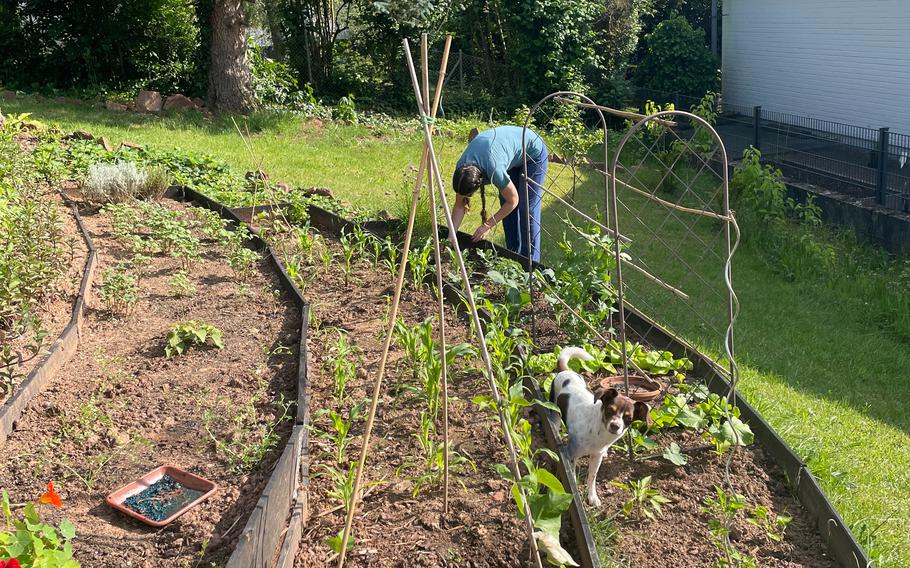
By the end of May, your little plants should be taking hold. (Kat Nickola)
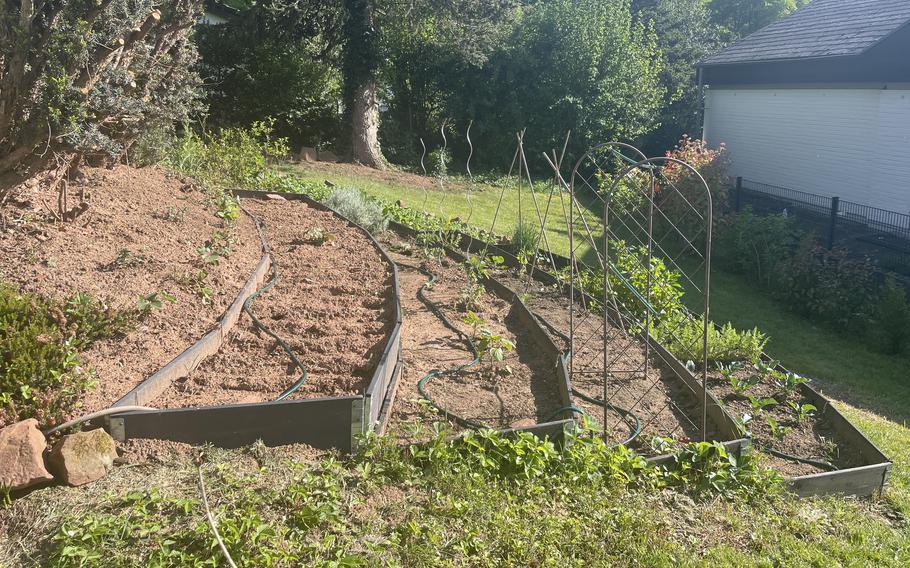
May is when to plant your seedlings outside in the garden bed. (Kat Nickola)
June and July
Over the summer, your primary task is helping the garden grow.
Enjoy summer flowers like foxgloves in the forest, roses, black-eyed Susans and lilies.Enjoy summer flowers like foxgloves in the forest, roses, black-eyed Susans and lilies.
Strawberry and raspberry patches will start to yield fruit while your first broccoli, cauliflower, carrot and second lettuce can be harvested.
Ensure your garden gets enough water. In a dry year, I will lay out a Perlschlauc (soaker hose) on a timer.
Keep the garden mostly weed-free. I let a few dandelions and clover grow since they are beneficial for the soil.
To help control slugs, you can buy pellets called Schneckenkorn attracts and kills them, but does not harm plants, pets or insects.
Cut back and clear out any briar vines that have started to grow in your yard. These can be tough to control, so tackle them when they are small.
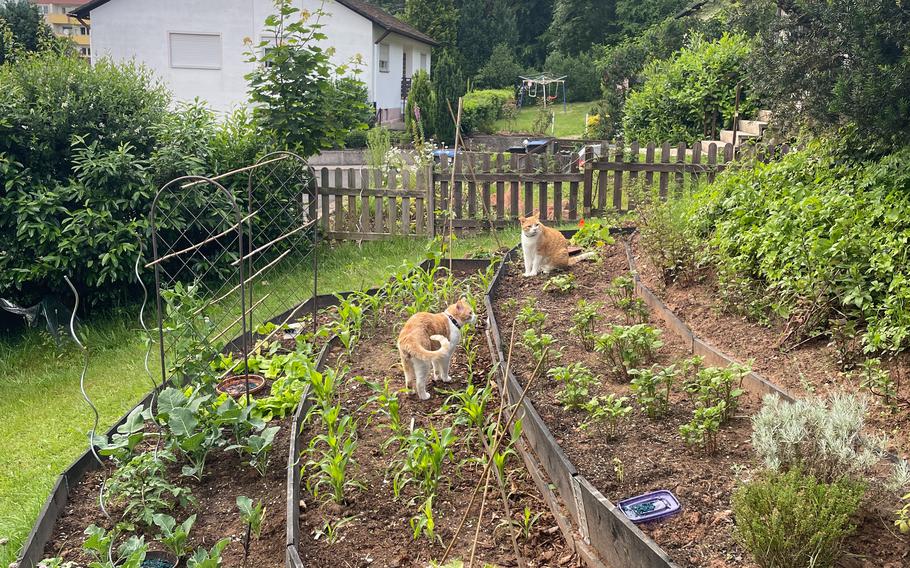
In June and July, your job is to help the garden grow. (Kat Nickola)
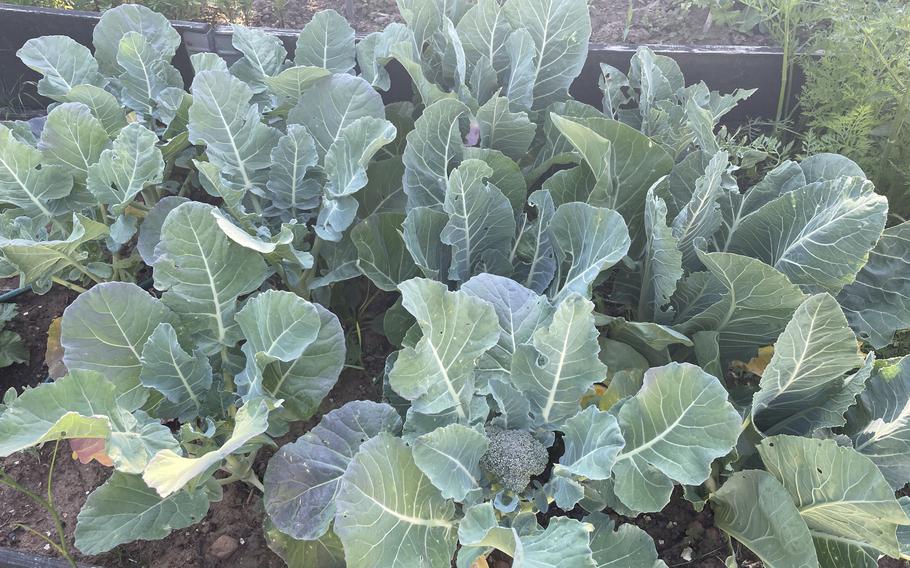
The first brassicas like this broccoli will be ready in mid-June. (Kat Nickola)
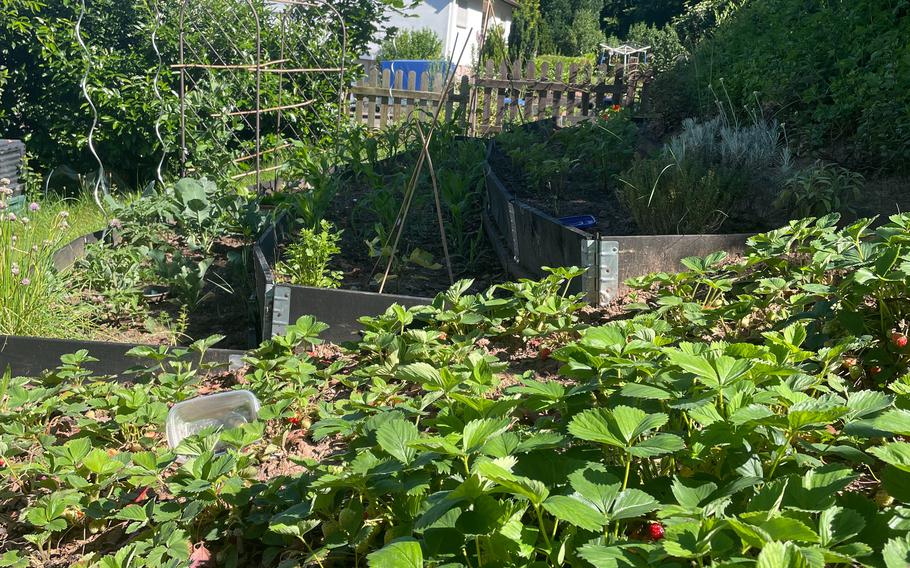
Be sure to grow a strawberry patch for some tasty berries (Kat Nickola)
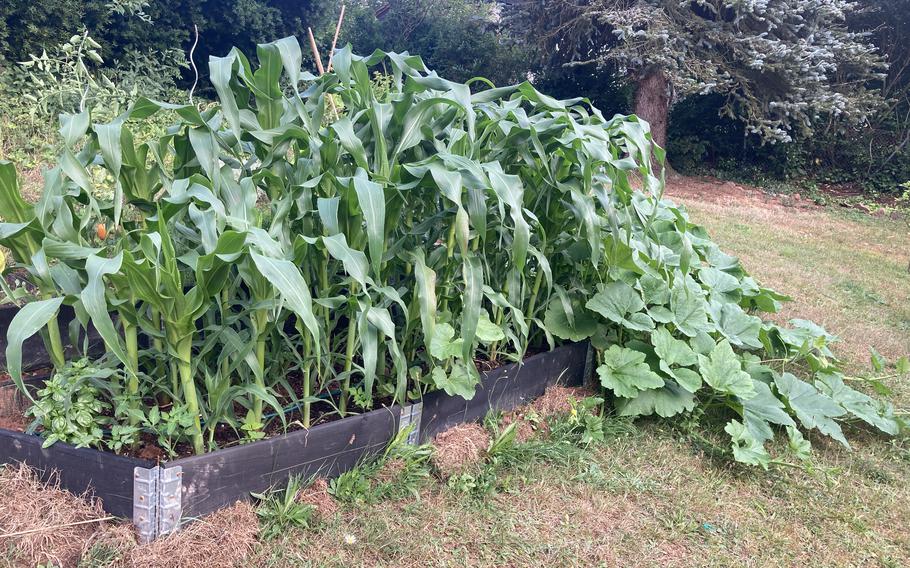
If corn is at least knee high by the fourth of July, it’s on track to ripen before the first frost. In Germany, though, there is usually a nice long season. (Kat Nickola)
August and September
All that hard work now pays off! Harvest time comes when the summer heat peaks and the kids head back to school.
Colorful dahlias, spicy nasturtiums and bright sunflowers bloom in late summer.
As tomatoes, peppers, corn, beans, summer squash, melons, broccoli, cauliflower, carrot and cucumbers ripen, it’s the perfect time for salsa and salads.
Plant a final lettuce crop from seed once the heat has faded.
Harvest your late-growing strawberry or raspberry crop.
One warm day, hose out, clean and tidy your spider-filled shed.
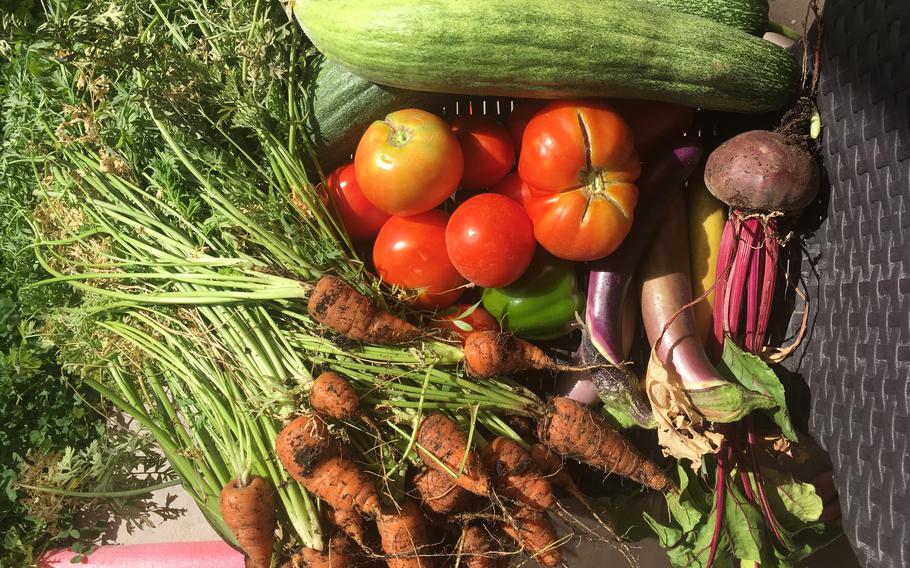
Fresh veggies from the garden are delicious. (Kat Nickola)
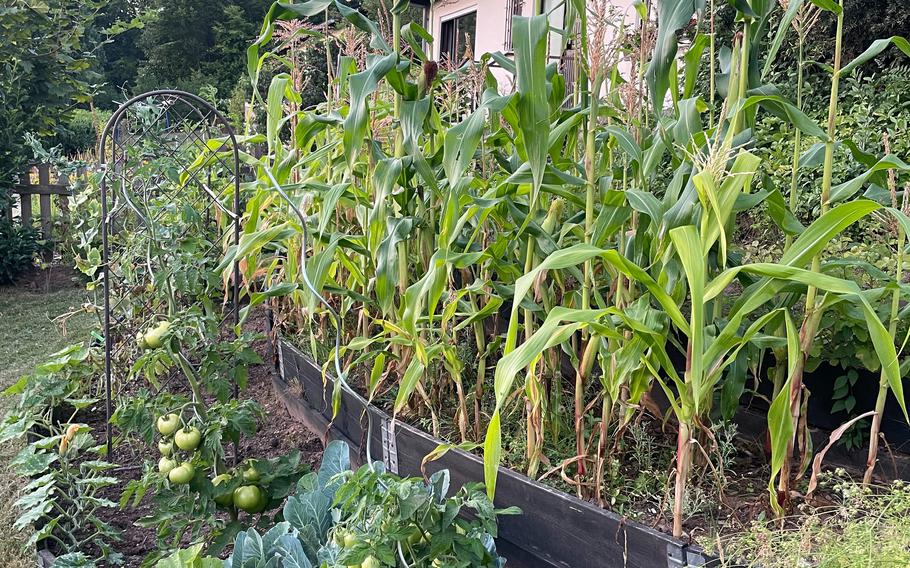
August and September are prime growing and harvesting months. (Kat Nickola)
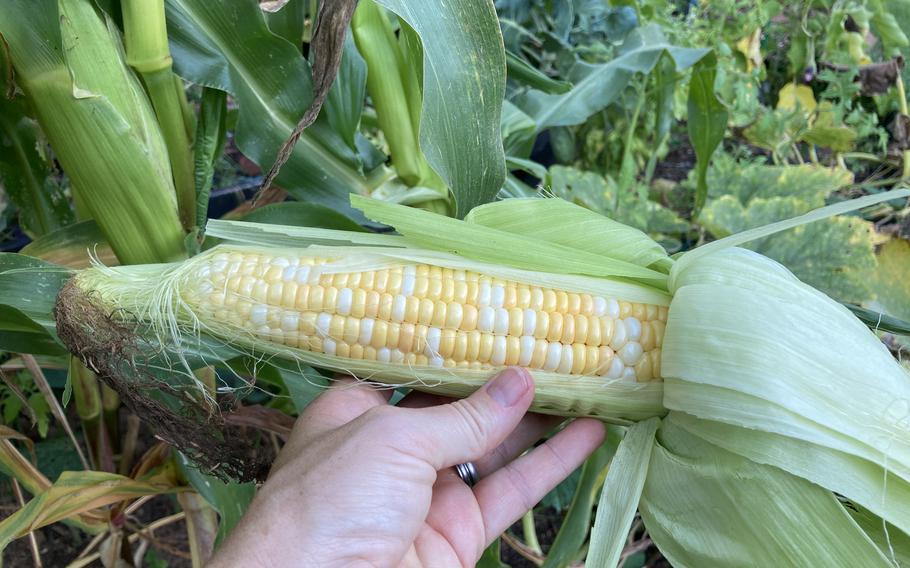
Growing your own sweet corn is actually a bit tough in Germany, but not impossible. (Kat Nickola)
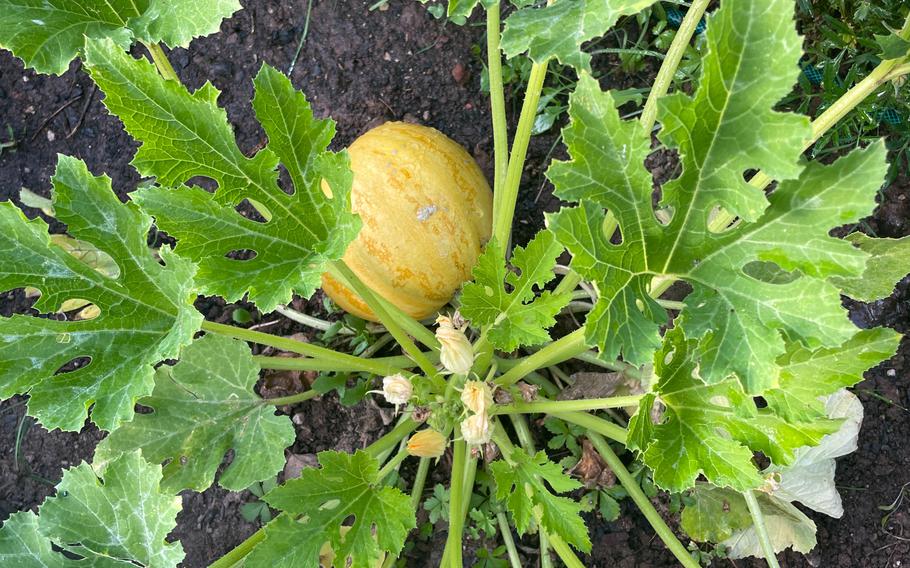
Squash is coming into season at the end of the summer. (Kat Nickola)
October
As the veggies finish their season, there are still plenty of garden tasks to putter with.
Winter plants such as holly get their red berries and tree leaves change color.
Sunflowers can be cut, dried and seeds harvested.
Harvest pumpkins and any root vegetables like beets and potatoes, plus your last lettuce crop and those Brussels sprouts will finally be ready.
Plant any spring bulbs like daffodils, tulips, hyacinth, crocus and snowdrops for next year.
Cut back dead stalks from summer perennials and trim any unwanted summer growth from your hedges and shrubs.
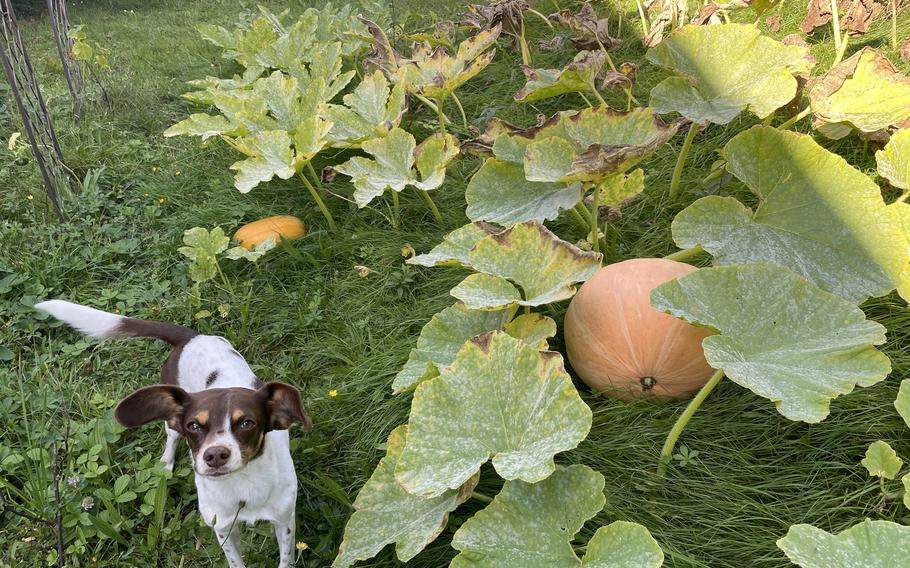
Pumpkins will spread over the lawn; be sure to leave them space. (Kat Nickola)
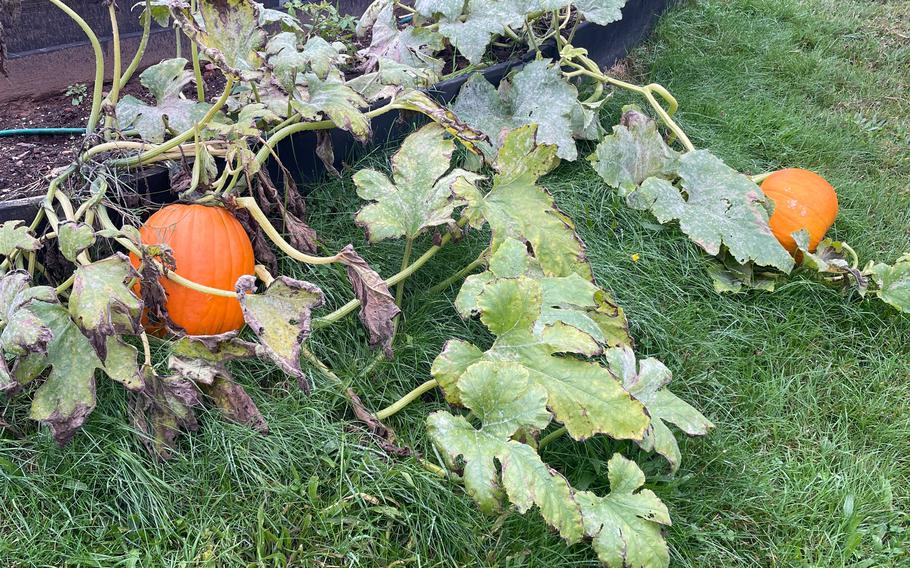
Pumpkins are ready to harvest when the green part of the plant has died back. (Kat Nickola)
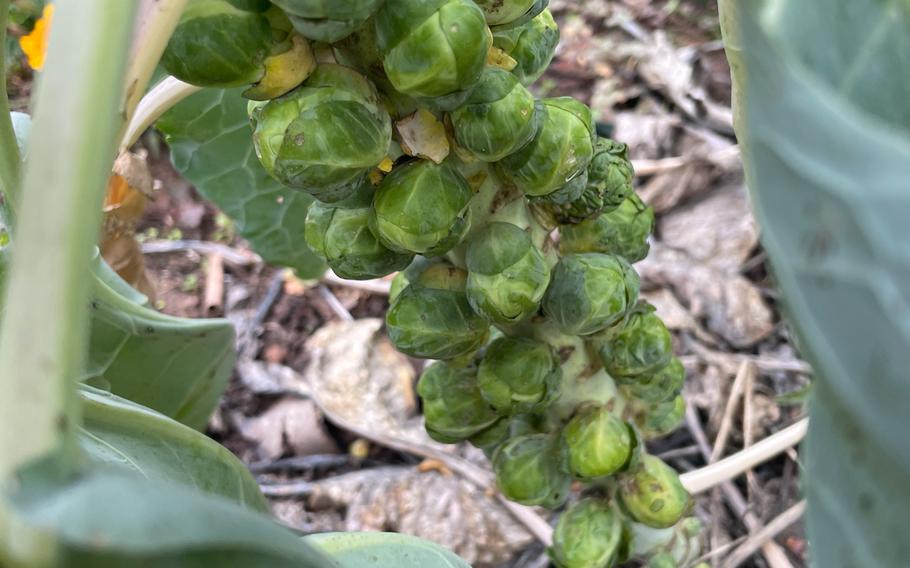
Brussels sprouts are some of the latest things to harvest in my garden. (Kat Nickola)
November and December
As winter approaches, tidy the garden bed. Trim plants above the soil for compost but leave in roots to decompose over winter.
Rake leaves for the compost bin.
Trim out any dead raspberry canes.
Cut back any sage, rosemary, thyme or lavender so it can get bushy next year.
Do a final mow.
Buy gardeners burlap or a small plastic hothouse for overwintering outdoor potted plants.
Plant heathers and hellebore in window boxes, or fill them with evergreen boughs.
Put seeds out for the birds.
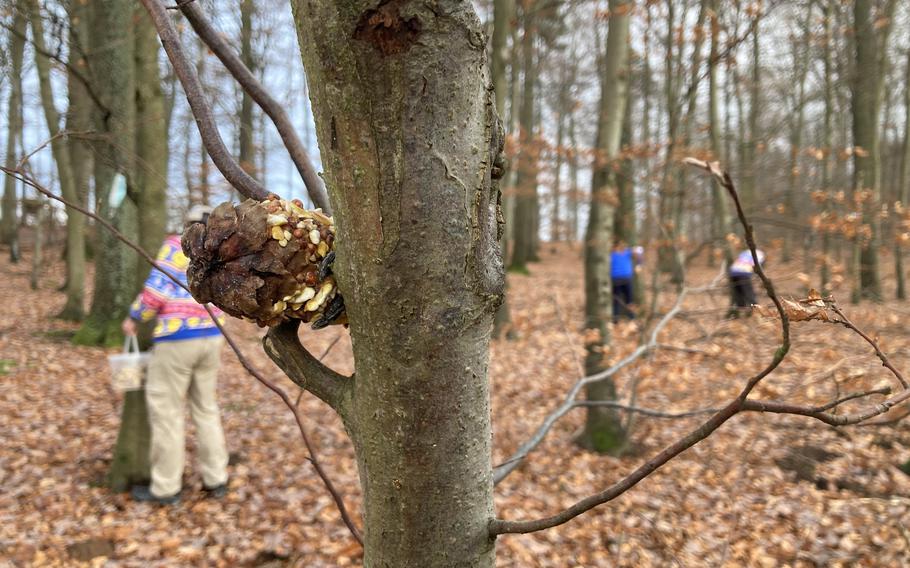
Put seeds out for the birds in the winter months. (Kat Nickola)
Comments are closed.