
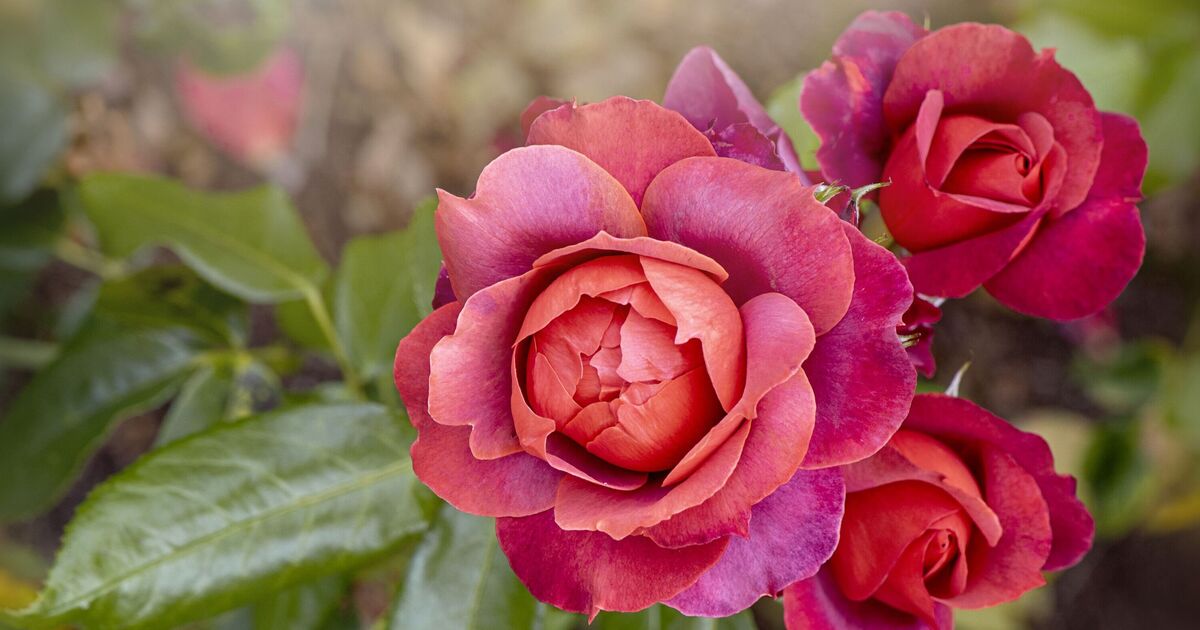
As we slowly work towards the end of winter, it’s time to get ahead on garden maintenance before spring arrives. Gardening expert and TikTok creator Michael Griffiths urged fellow green thumbs to turn their attention to their roses at the end of January to encourage more growth later down the line.
Michael urged gardeners to “stop babying your roses”, encouraging people not to be shy when it comes to the flowers’ care and maintenance. He explained that by pruning roses now, you will encourage more foliage growth in the spring and summertime. Michael said: “If you want more blooms on your roses this year, it’s time to give it a prune now, so here are the five things you need to do.”
Firstly, you want to prune any dead wood, looking out for brown or black stems and branches, as this indicates they are already dead. Keep green stems growing.
You want to make sure that any dead wood is cut back all the way to the base of the plant. Gardeners should also “open up the centre” by cutting back crossing branches that can rub together. Rubbing branches can risk damage or encourage diseases.
You should also want to remove any weak or thin growth, especially if they are thinner than a “pencil”. If these are left, they are more than likely to grow gangly and produce fewer flowers.
Also, reduce the height of your rose plants by a third, including the green canes. Cut the stems just above an outward-facing bud on a 45-degree angle.
Once the roses have been pruned, apply a generous amount of fertiliser or mulch during the spring to encourage more blossoms.
Gardeners’ World pointed out that late winter is the best time to prune most types of roses, apart from ramblers, which should be pruned during the summer. The publication wrote: “Prune shrub and climbing roses between November and February; bush roses should be left until late winter, around February, but avoid pruning in freezing conditions.”
If gardeners are planning on pruning some of your plants, Hamid Ali, a landscape gardener and horticulture expert from Airtasker, shared the do’s and don’t’s for winter pruning.
Comments are closed.