
With cold weather set to hit the UK, feathered friends need our help and there’s one thing you can do this weekend to assist wild bird species even more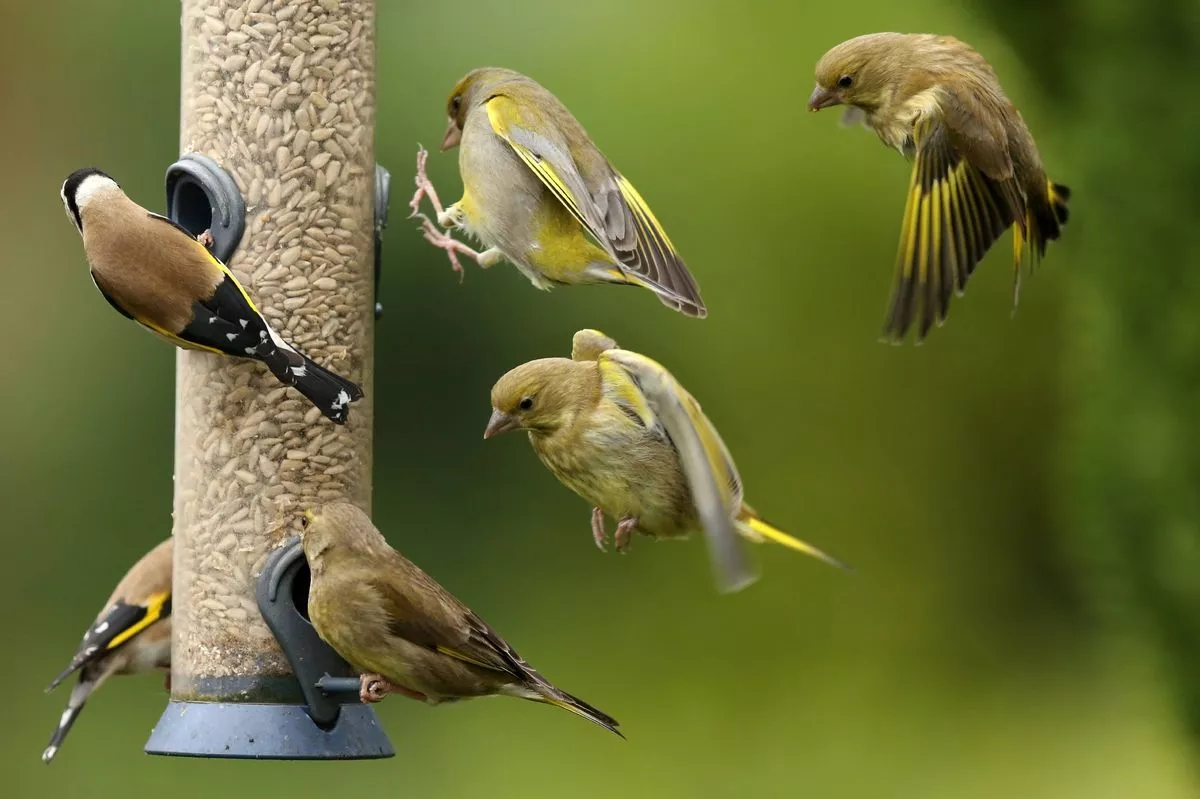
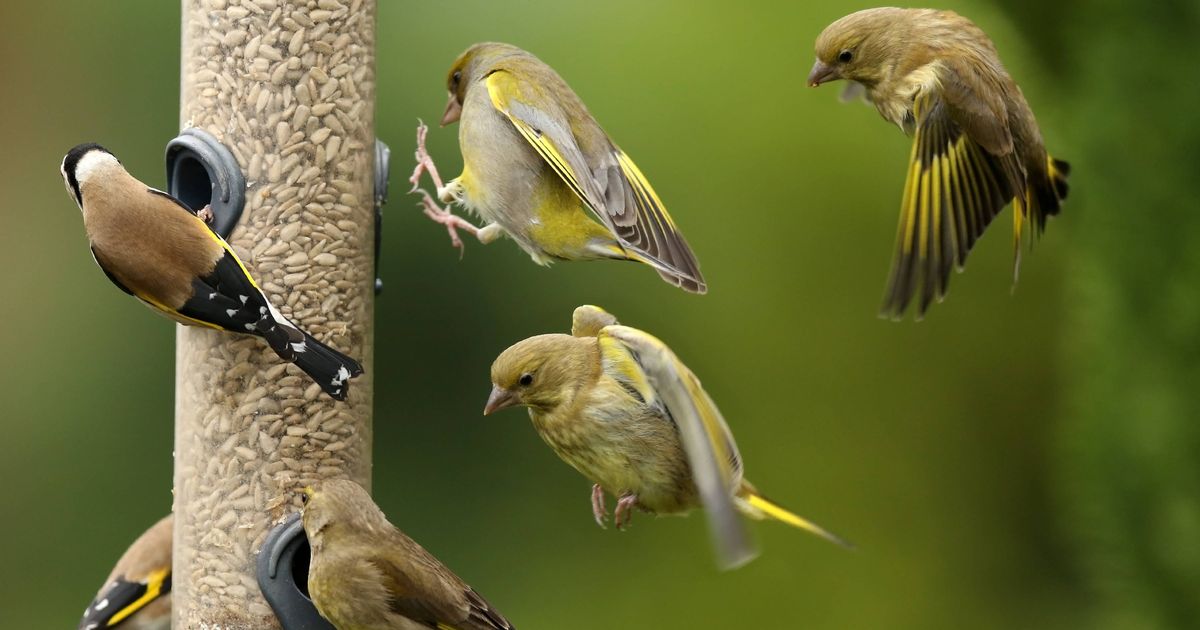
Greenfinches and goldfinches on a bird feeder(Image: Andrew_Howe via Getty Images)
Despite residing in an urban setting, my modest backyard — complete with a handful of potted plants — is teeming with wild birds. Years of feeding them has revealed their clear preference: sunflower seeds, supplemented by the occasional premium fat ball.
With freezing conditions forecast to sweep across much of the UK next week, our feathered companions will need human assistance — and there’s one way we can help wild bird populations today.
I’m tallying the birds visiting my outdoor space as part of the RSPB Big Garden Birdwatch 2026, an activity open to everyone regardless of location. The survey encourages volunteers to monitor garden birds, enabling the RSPB (Royal Society for the Protection of Birds) to track population changes.
Bird lovers can register and take part. Simply observe which birds visit your garden and record the species, with the RSPB website providing identification support, reports the Express.
It’s 10:30am and activity around the outdoor feeder is picking up. The distinctive chirping of sparrows fills the air as I count 10 arriving simultaneously, as these diminutive birds typically gather in groups for protection.
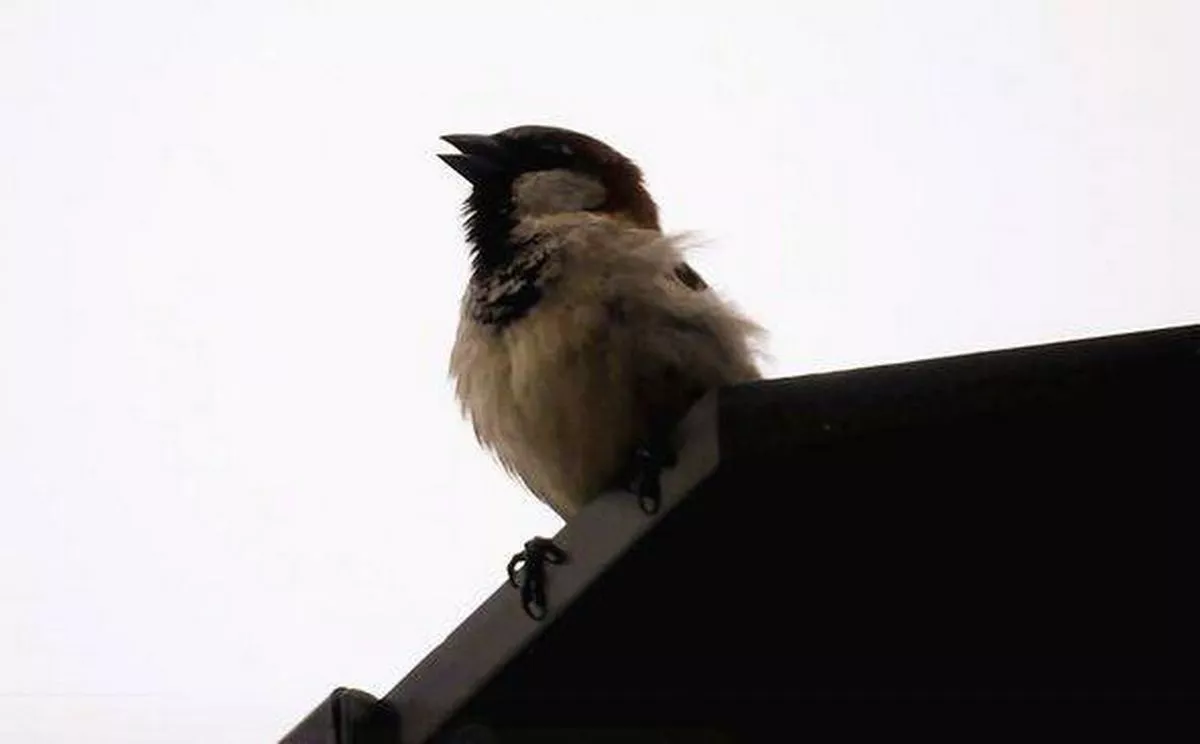
House sparrows make a cheerful sound even on a winter’s day – and I spotted 10 of them(Image: Katie Oborn)
Four goldfinches arrive next. These songbirds are both vibrant and vocal and I’m delighted to spot them on most mornings when they descend for their seed breakfast. Crucially, if you feed garden birds, most species also enjoy a shallow bowl of water to drink from or even bathe in, which is delightful to observe.
In the wild during winter, blackbirds and robins feast on ivy flowers which are plentiful in the countryside and even in urban landscapes during January — a key reason why these overgrown areas are left undisturbed for wildlife.
A pair of blackbirds and a robin are also frequent visitors to my garden; these two species find it difficult to perch on a hanging feeder, though the robin can reach the fat ball.
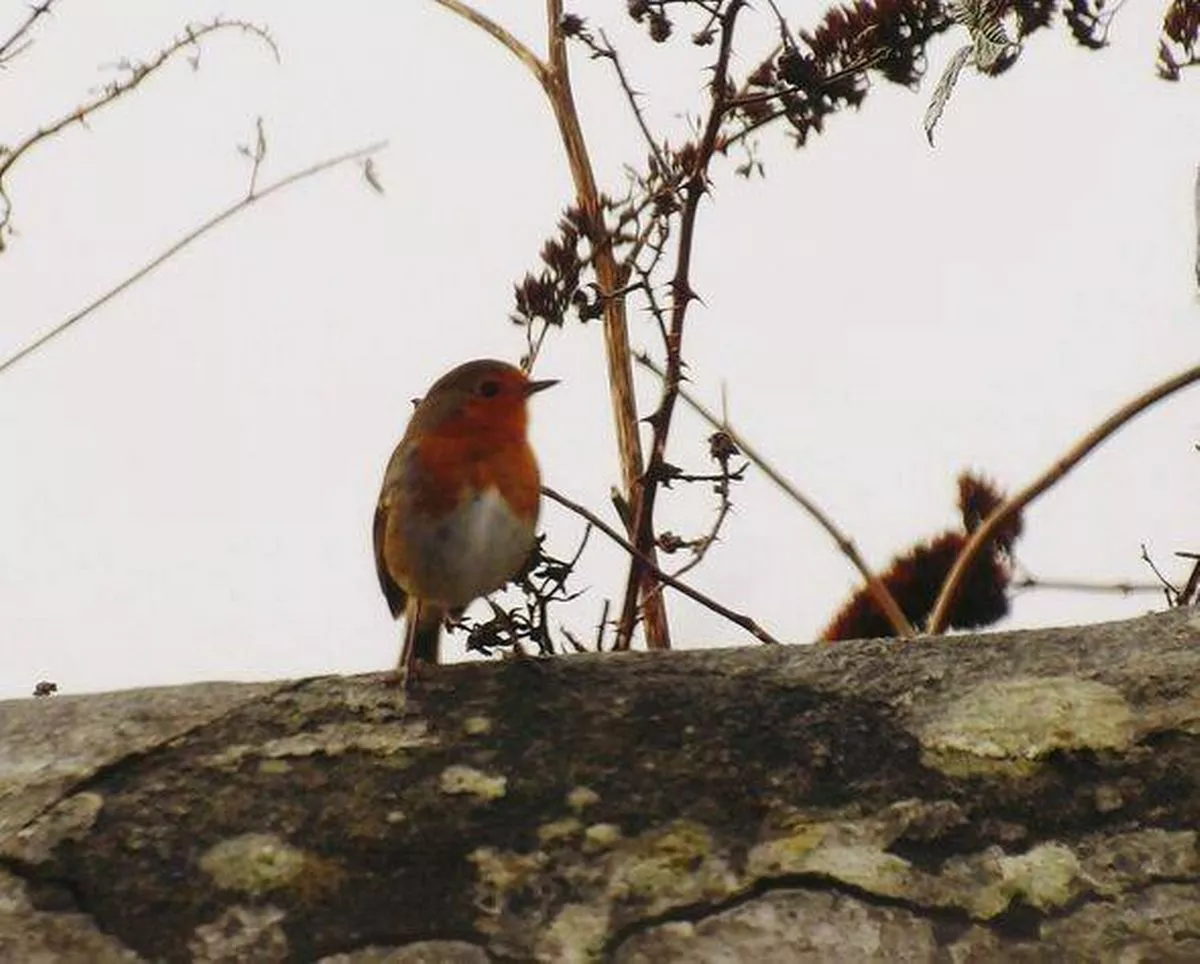
Robins are one of Britain’s most loved birds – I spotted one(Image: Katie Oborn)
Blackbirds particularly favour mealworms and other foods can damage their delicate beaks so I’m always careful about what I put out for the blackbird, although they also adore soft fruits.
But returning to the birdwatch, and next to arrive is a great tit, a truly colourful little bird with a yellow-green chest featuring a black stripe running down the centre. Once more, this one has been a frequent visitor recently.
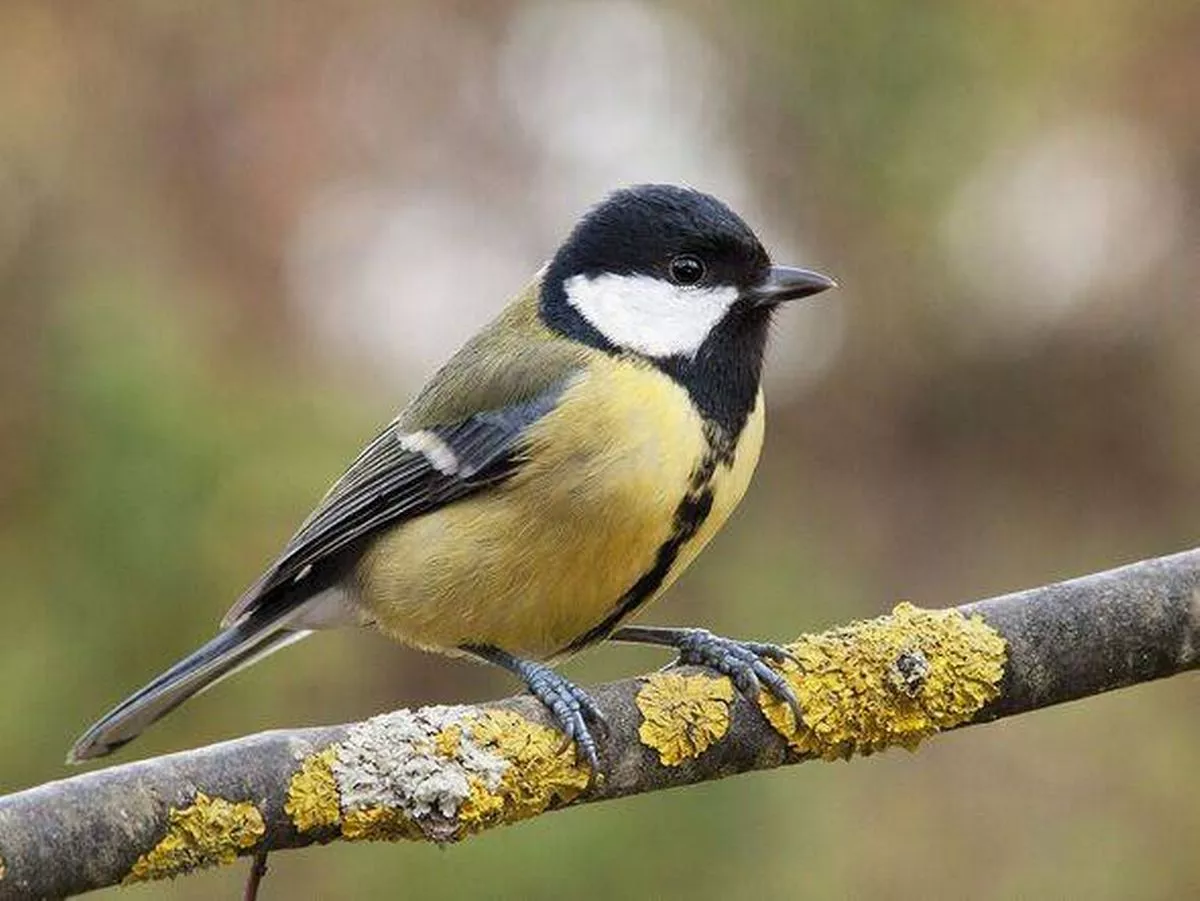
This colourful garden bird is a great tit (Parus major)(Image: Santiago Bañón via Getty Images)
I also notice two wood pigeons, a dunnock and hear the call of a magpie. Crows and magpies prey on smaller birds for their own meal, which is always upsetting to witness, but it’s nature.
I recorded two carrion crows and one magpie to my RSPB Big Garden Birdwatch 2026 count which brought me to a total of 22 birds spotted in an hour.
If you want to count birds in your local area, act quickly as this activity only runs from Friday, January 23 until Sunday, January 25. Simply visit the RSPB website, register your interest, dedicate an hour to watching our feathered companions then log your findings through the RSPB platform.
By midday on January 23, a remarkable 80,797 garden birds had already been tallied nationwide with numbers expected to climb as more participants join in throughout the weekend.
Comments are closed.