
I'm totally new to the ecosphere hobby. I saw some really cool videos a few years back and loved the concept but with my lack of green fingers I never tried it.
but recently a pretty cool opportunity came up.
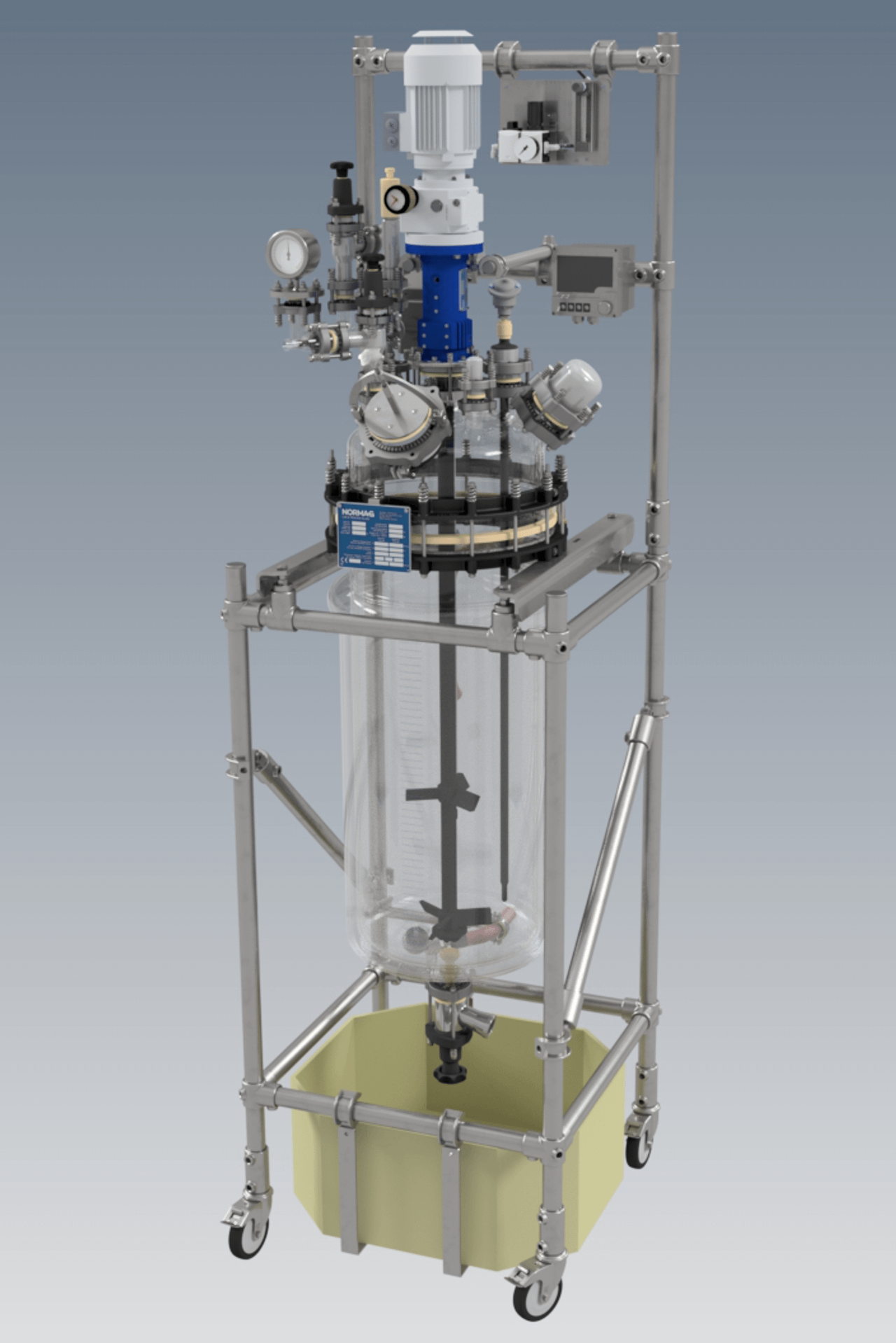
at my job 2 pretty big glass vessels (~230 liters) are left from a previous project.
instead of throwing them out I remembered the eco spheres and thought this might be an amazing chance. And project eco sphere is green lit by the boss.
but I have no experience. My friend is a biologist but has zero experience with these projects and told me to ask / search online somewhere.
so here I am, could you guys help make a cool ecosphere with these 2 vessel?
So I'm looking for some tips or advise of what to do with them.
what plants, soils or other additives should I put in them?(Insects?)
the vessel is borosilicate glass. The gaskets are PTFE. the vessel can be sterilized before we put all the stuff in if that's necessary. Since this is for my job the budget is pretty flexible.
any help is welcome and I will keep you guys up to date on the big ecospheres ofcourse!
by UnluckyControl6099
2 Comments
Ecospheres are *stupid easy* to make. Literally all you gotta do is take a clean container to a pond (or ocean or stream or bog) and shovel some muck into the bottom and fill it with the water.
Only tips I have are these. Don’t go more than a two or three inches deep on substrate. Leave some air in the top of the container for gas exchange. Don’t seal the container until it’s sat for about a week. Follow that and there’s a good chance you’ll end up with a jar that stabilizes for a good while.
That’s super cool! I’m jealous. Excited to see how they turn out.
You can either go the classic ecosphere route of just adding soil and water from a pond and seeing what happens, or you can go a more curated route and handpick some plants and animals. Maybe one strategy for each container?
For the more curated route, you should check out r/walstad. Maybe salvinia, red root floaters, or dwarf water lettuce for floating, and crypts, sags, or swords for planted.
And then yeah invertebrates like snails and shrimp will do well, along with many types of microfauna which will be hitchhikers on any plants you add unless you sterilize them (copepods, ostracods, daphnia, etc). You can include pond water for a more diverse set of creatures, but you’ll have much less control and will likely introduce predators like leeches, planaria, and damselfly/dragonfly nymphs. It depends if you want something long term stable and more aesthetic or something more experimental and to just see what happens.